Summer arrives not with a whisper, but with a roar. The air thickens, the days stretch long, and for many of us, our minds begin to mirror the season’s buzzing, restless energy. We feel scattered, overstimulated, and strangely fatigued—a paradox of being both wired and tired. In Traditional Chinese Medicine (TCM), this isn’t just a mood; it’s a reflection of the season’s dominant energy, or qi. Summer is governed by the Fire element, associated with the Heart, joy, and, when out of balance, anxiety and insomnia. The constant hum of cicadas outside my window in Chengdu during my studies became more than background noise; it became a teacher. Their song is unwavering, rhythmic, and deeply present. It taught me that the antidote to summer’s mental restlessness isn’t to fight the energy, but to harmonize with it through a specific kind of summer mindfulness practice. This practice is about cultivating a cool, deep stillness within, even as the world outside sizzles.
Understanding Summer’s Fire: Why Your Mind Feels Restless
Before we jump into the practice, it’s crucial to understand the “why.” The Huangdi Neijing (Yellow Emperor’s Classic of Internal Medicine), the foundational text of TCM written over 2,000 years ago, states: “The three months of summer are called the season of luxuriant growth… One should let the mind wander, not be angered.” This is profound guidance. It tells us that summer’s energy is expansive and outward. Our qi rises to the surface, much like sap in a tree. This is wonderful for activity and social connection, but it can leave our inner reserves depleted and our Heart qi scattered.
The Heart, in TCM, is considered the “Emperor” of the body, housing the Shen (our spirit or mind). When summer’s Fire flares too brightly, it can disturb the Shen. Think of it like a campfire: a warm, controlled blaze brings joy and community (the positive aspect of Fire). But an uncontrolled wildfire creates chaos, anxiety, and insomnia (the imbalanced aspect). A 2017 study published in Frontiers in Psychology noted that seasonal variations can significantly impact mood and anxiety levels, with longer daylight and heat being common stressors. Your restlessness is a physiological and energetic response to the season. The goal of a summer mindfulness practice is not to extinguish this fire, but to tend it wisely—like a skilled gardener watering a sun-baked plot.
“In summer, nourish the Heart. Let joy be unhurried. Anger scorches the spirit.”
The Cicada’s Lesson: Anchoring in the Present Moment
My TCM professor in Beijing, Dr. Li, once shared a simple story. When a student complained of a frantic mind during a heatwave, he said, “Listen to the cicada. It does not worry about yesterday’s silence or tomorrow’s song. It sings only the note that is here, now.” This is the core of our practice. The cicada’s song is a natural mantra—a single, sustained point of focus that pulls us out of our spiraling thoughts and into the sensory reality of the present.
This practice adapts the ancient TCM principle of “nourishing the Heart and calming the Shen” into a modern, accessible tool. It doesn’t require sitting on a cushion for 30 minutes. It requires only your attention and the sounds of summer. The practice has two parts: Active Listening and Heart-Cooling Visualization. Together, they work to settle the mind’s fire and ground your energy.
Your Step-by-Step Summer Mindfulness Practice
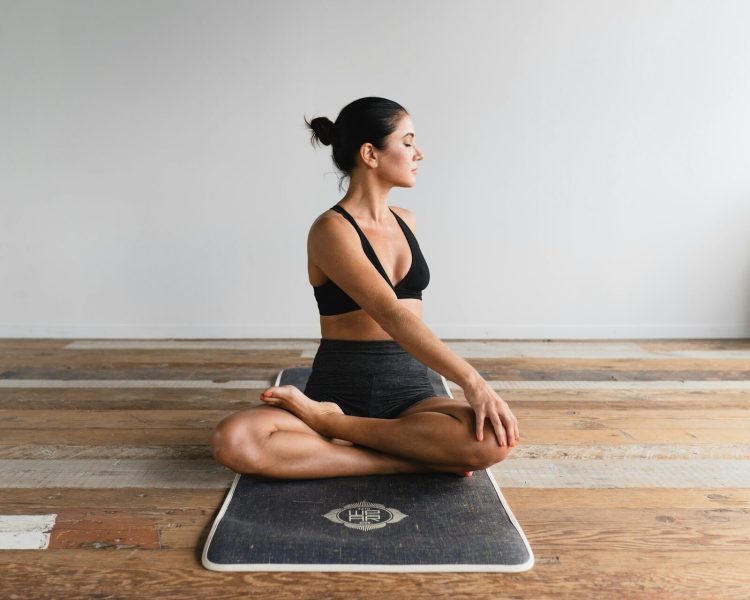
Find a comfortable seat, indoors near an open window or outdoors in a shaded spot. You can also practice this while walking slowly. The ideal time is during the Yang peak of the day, between 11 am and 1 pm, or during the cooler Yin hours of early morning or evening. Begin with 5 minutes and build to 15.
- Step 1: Arrive in Your Body. Feel your feet on the ground. Take three deep breaths, inhaling through your nose and exhaling slowly through your mouth, as if you are sighing out heat. With each exhale, consciously release tension from your shoulders, jaw, and hands.
- Step 2: Open Your Ears (Active Listening). Shift your focus from your thoughts to the soundscape around you. Don’t label or judge sounds (bird, car, wind). Simply receive them as vibrations. Now, gently find the most consistent sound—often the cicada’s drone, the hum of an air conditioner, or the rustle of leaves. This is your anchor. Let this sound become the foreground of your awareness, allowing all other sounds and thoughts to be the background.
- Step 3: Cool the Heart’s Center (Visualization). As you maintain your auditory anchor, bring your attention to the center of your chest, the area of your Heart in TCM. Imagine a small, cool pool of water there, like a hidden spring in a forest. With each inhale, visualize this pool becoming clearer and cooler. With each exhale, imagine any heat, anxiety, or scattered thoughts dissolving into this cool water, turning to harmless mist. The Shennong Bencao Jing (Divine Farmer’s Classic of Materia Medica) speaks of herbs that “clear Heart fire”; this visualization uses the mind’s power to create a similar effect.
- Step 4: Integrate and Return. After 5-15 minutes, gently release your focus on the sound. Take a few natural breaths. Notice the quality of your mind. Is it any different? Carry this sense of cool, anchored presence into your next activity.
This practice directly addresses the Heart qi disturbance. The auditory anchor (the cicada’s song) prevents the mind from wandering into anxious future-tripping or regretful past-replaying. The cooling visualization is a form of yi (intention) guiding qi—using focused thought to influence the body’s energetic state. A 2020 study in Psychosomatic Medicine found that guided imagery focused on cooling sensations can measurably reduce subjective feelings of stress and lower core body temperature perception, supporting the physiological basis of this technique.

Nourishing the Practice: Supporting Foods and Herbs
A mindfulness practice doesn’t exist in a vacuum. What you eat and drink profoundly supports—or undermines—your mental state. In summer, TCM dietary therapy focuses on foods that clear heat, generate fluids, and calm the spirit. My grandmother would always make a simple soup with lian zi (lotus seeds, Nelumbo nucifera) and bai he (lily bulb, Lilium brownii) when the heat made us irritable. These are not exotic ingredients; they are functional foods with a long history.
Here is a practical guide to summer cooling foods, moving beyond vague advice to specific, actionable items you can incorporate today.
Summer Cooling & Spirit-Calming Foods
| Food/Herb | TCM Properties | How to Use (Specific & Actionable) |
|---|---|---|
| Mung Bean (Phaseolus radiatus) | Sweet, cool. Clears heat, detoxifies. | Simmer ½ cup mung beans with 6 cups water for 40 mins. Drink the broth, sweeten lightly with rock sugar. Chill for a cooling drink. |
| Lotus Seed (Nelumbo nucifera) | Sweet, neutral. Nourishes Heart, calms Shen. | Add 10-15 dried lotus seeds to soups or congee. For a simple tea: simmer 10 seeds in 2 cups water for 30 mins. |
| Lily Bulb (Lilium brownii) | Sweet, slightly cool. Moistens Lungs, clears Heart heat. | Use in stir-fries or soups. For insomnia: make a tea with 15g dried lily bulb, 5 red dates, simmered 20 mins. |
| Chrysanthemum Flower (Chrysanthemum morifolium) | Sweet, bitter, cool. Clears Liver and brightens eyes, calms. | Steep 5-8 flowers in hot water for 5 mins. Drink 1-2 cups daily, especially if you have eye strain or headaches. |
| Watermelon | Sweet, very cool. Generates fluids, quenches thirst. | Eat fresh, but in moderation (too much can injure the Spleen). The white rind is especially cooling—slice it into stir-fries. |
| Cucumber | Sweet, cool. Clears heat, promotes fluids. | Eat raw in salads, or make a cooling drink: blend 1 cucumber with a sprig of mint and a squeeze of lime. |
Important Note: If your digestion is weak (you feel bloated easily, have loose stools), consume very cooling foods like watermelon and mung beans in moderation and preferably at room temperature. Balance them with a few slices of ginger in your tea or soup to protect your digestive fire.
Integrating the Practice: From Cushion to Daily Life
The true power of any summer mindfulness practice is its portability. You don’t need to be seated formally. You can practice “Cicada Moments” throughout your day. When you feel your mind start to race—waiting in line, stuck in traffic, or before a stressful meeting—take 30 seconds.
30-Second Cicada Reset:
- Pause whatever you’re doing.
- Take one conscious breath.
- Tune into the most persistent sound in your environment.
- For three breaths, make that sound your entire world.
- Feel the coolness at your chest on the inhale.
- Return to your activity.
This micro-practice prevents the accumulation of summer’s “heat” in your psyche. It’s like taking small sips of cool water throughout the day instead of waiting until you’re parched and dehydrated. Research on “micro-interventions” for stress, such as a 2018 study in the Journal of Positive Psychology, shows that brief, frequent mindfulness exercises can be more effective for mood regulation than longer, infrequent sessions.
Common Questions
What if I don’t have cicadas where I live?
The cicada is a symbol, not a requirement. The principle is to find a consistent, neutral, natural sound. This could be the drone of a fan, the hum of distant traffic, the rhythm of waves, or even the steady sound of your own breathing. The key is that it is unchanging and non-lyrical, allowing your mind to rest on it without engaging in story. In winter, I often use the sound of rain or a ticking clock for a similar practice.
I tried the visualization but couldn’t “feel” the coolness. What am I doing wrong?
Nothing at all. This is a practice, not a performance. The yi (intention) is what matters. Even if you don’t feel a physical sensation, you are still directing your mind and energy in a calming direction. Some days you will feel a palpable coolness; other days it will be more conceptual. Both are valid. Start by simply imagining the color blue or the image of a still lake in your chest. The sensory feeling often follows the mental image with consistent practice.
Can this practice help with summer insomnia?
Yes, it may be particularly helpful. Summer insomnia in TCM is often a direct result of Heart Fire disturbing the Shen at night. Practice the full 10-15 minute version in the evening, an hour before bed, as part of your wind-down routine. The cooling visualization is especially potent for calming the “monkey mind” that keeps you awake. Combine it with the dietary advice above—a cup of lily bulb and date tea an hour before bed can be a powerful ally. However, if insomnia is severe or chronic, please consult a healthcare professional or a licensed TCM practitioner for a personalized diagnosis.
Recommended Resources
- Book: The Yellow Emperor’s Classic of Medicine: A New Translation by Maoshing Ni – An accessible translation of the foundational TCM text.
- Herbal Tea Blend: Look for pre-made “Heart Calm” or “Summer Cooler” blends containing chrysanthemum, mint (Mentha haplocalyx), and licorice root (Glycyrrhiza uralensis).
- Sound Tool: A simple Tibetan singing bowl or a smartphone app with nature soundscapes (like cicadas or rain) can be useful anchors for your practice.
The bottom line: Summer’s fiery energy doesn’t have to mean a scattered mind. By adopting the cicada’s song as your mindfulness anchor and pairing it with a cooling visualization and supportive foods, you can cultivate a profound inner calm. This summer mindfulness practice is a direct application of TCM’s seasonal wisdom—working with nature’s rhythm, not against it, to find balance, joy, and stillness in the heart of the heat.
About the Author
Yu Xi Zhang grew up in a Chinese household where traditional wellness practices were part of daily life. With over 15 years of study under licensed TCM practitioners in Beijing and Chengdu, and a certification in TCM nutrition from the Beijing University of Chinese Medicine, she bridges Eastern wisdom with Western wellness in practical, actionable ways. Her writing draws from classical texts like the Huangdi Neijing and modern research to help readers live healthier, more balanced lives.
This article is for educational purposes and reflects traditional wellness perspectives. It is not a substitute for professional medical advice, diagnosis, or treatment.