This article contains affiliate links. We may earn a commission if you buy through these links at no extra cost to you.
Circadian Rhythm Reset: A Step-by-Step Guide
In this article: How your circadian rhythm works, why it gets disrupted, and a science-backed protocol to reset it — explained alongside the TCM wisdom that anticipated modern chronobiology.
Your Body’s Master Clock
Deep in your brain, a tiny cluster of about 20,000 neurons called the suprachiasmatic nucleus (SCN) acts as your body’s master clock. It controls:
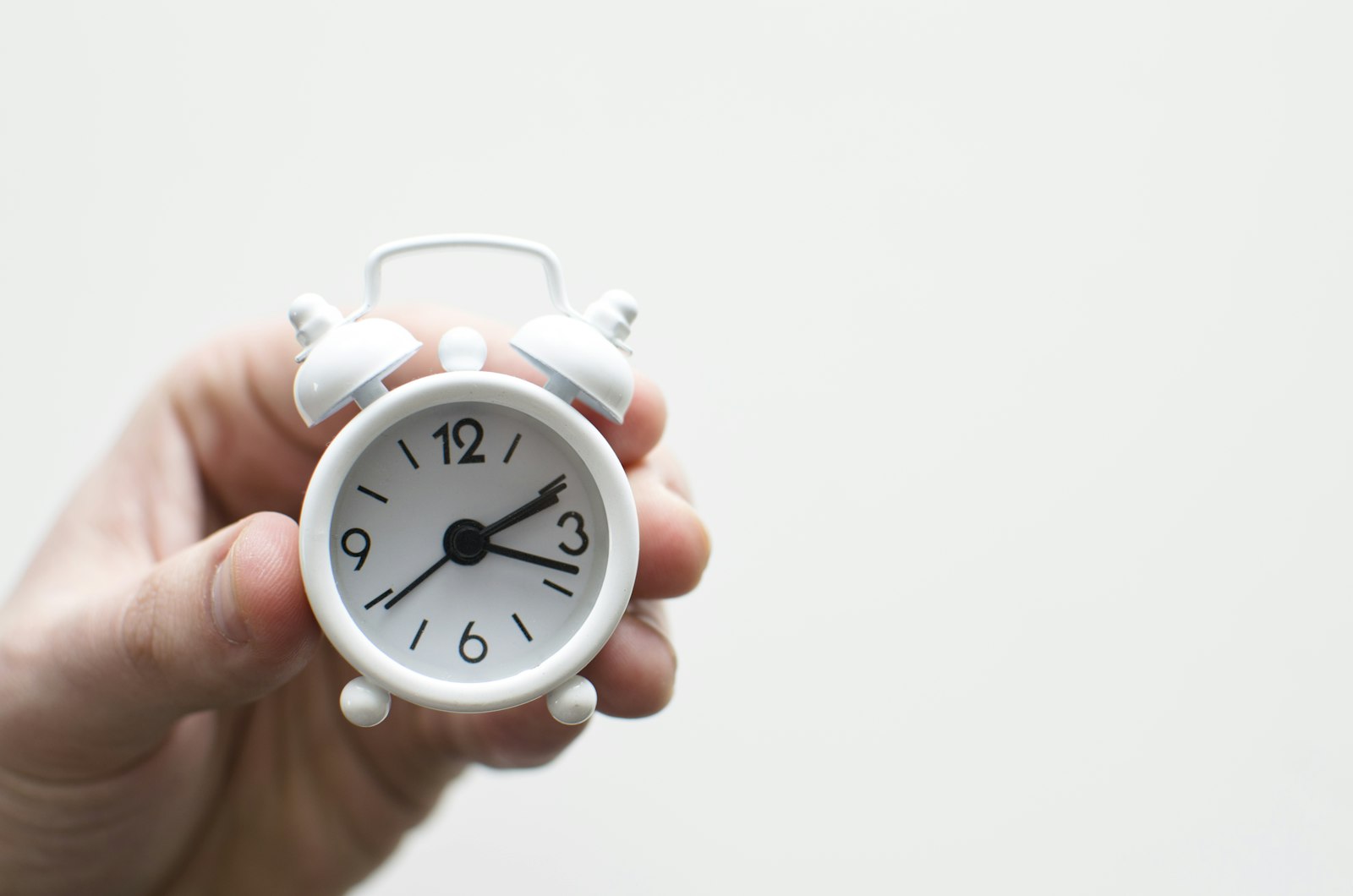
This clock runs on a roughly 24-hour cycle — your circadian rhythm. When it’s aligned with the natural light-dark cycle, everything works smoothly. When it’s disrupted, everything suffers.
Modern life is a circadian disruption machine. Artificial light, screens, irregular schedules, shift work, jet lag — all of these push your clock out of sync.
The result: insomnia, fatigue, digestive issues, mood problems, weight gain, and increased disease risk.
Signs Your Circadian Rhythm Is Off
If these sound familiar, your circadian rhythm needs a reset.
The Science of Circadian Reset
Your SCN clock is synchronized by zeitgebers (German for “time givers”) — external cues that tell your brain what time it is. The most powerful zeitgebers:
1. Light (Strongest Signal)
2. Food Timing
3. Activity/Exercise
4. Social Cues
The Circadian Reset Protocol
Phase 1: Light Exposure (Days 1-3)
Goal: Re-anchor your clock with light.
Morning (within 30 minutes of waking):
Evening (2-3 hours before bed):
Why it works: Morning light tells your SCN “it’s morning.” Evening dimming tells it “it’s night.” This is the most powerful reset signal.
Phase 2: Consistent Schedule (Days 3-5)
Goal: Lock in your rhythm with consistency.
Non-negotiable:
Why it works: Your SCN thrives on predictability. Irregular schedules are like constantly changing time zones — your clock can’t keep up.
Phase 3: Meal Timing (Days 5-7)
Goal: Reinforce the rhythm with food.
The rules:
Why it works: Your digestive system has its own circadian clock. Feeding it at consistent times reinforces the master clock in your SCN.
Phase 4: Activity Timing (Days 7-14)
Goal: Add the final reinforcement.
Exercise:
Social activity:
Why it works: Activity and social cues are secondary zeitgebers that reinforce the primary light-dark signal.
The 14-Day Reset Schedule
| Day | Focus | Key Actions |
|---|---|---|
| 1-3 | Light | Morning bright light, evening dimming |
| 3-5 | Schedule | Same wake time, consistent bedtime |
| 5-7 | Meals | Consistent eating times, no late food |
| 7-14 | Activity | Morning exercise, social rhythm |
Special Circumstances
Jet Lag Reset
Traveling east (losing time):
Traveling west (gaining time):
General rule: 1 day of adjustment per time zone crossed.
Shift Work Reset
Night shift:
Rotating shifts:
Delayed Sleep Phase
If your clock runs late (sleep at 3 AM, wake at 11 AM):
The TCM Perspective
TCM understood circadian rhythms 2,000 years ago through the Chinese Body Clock (子午流注). The principles are identical:
The TCM approach to circadian reset:
Modern chronobiology confirms every one of these principles.
Common Mistakes
1. Trying to Shift Too Fast
Going from 2 AM bedtime to 10 PM in one night won’t work. Shift by 15-30 minutes per day.2. Not Getting Morning Light
This is the #1 most powerful reset signal. If you do nothing else, get bright light within 30 minutes of waking.3. Sleeping In on Weekends
Your SCN doesn’t know it’s Saturday. Sleeping in until 10 AM is like flying across time zones every weekend.4. Using Screens Before Bed
“I have night mode on” isn’t enough. The light is still there, and the content is stimulating. Stop screens 1-2 hours before bed.5. Eating Late
Your digestive clock and sleep clock are linked. Late eating delays both.Supplements That Help
Melatonin (0.5-1mg)
Magnesium Glycinate (200-400mg)
Ashwagandha (300-600mg)
The Bottom Line
Your circadian rhythm is the foundation of all health. When it’s aligned, sleep comes naturally, energy is consistent, and mood is stable. When it’s disrupted, everything suffers.
The reset protocol is simple:
Your body knows how to sleep. It just needs the right signals. Give it those signals, and it will remember.
Related Articles
This article is for informational purposes only. It’s not medical advice — for chronic sleep disorders, please consult a qualified healthcare provider.
- When you feel sleepy
- When you feel alert
- When hormones are released
- When body temperature fluctuates
- When digestion is active
- Can’t fall asleep at a “normal” time
- Can’t wake up in the morning (even after 8 hours)
- Energy crashes at random times
- Wide awake at 11 PM, exhausted at 3 PM
- Sleep schedule shifts later every day (“delayed sleep phase”)
- Jet lag that never fully resolves
- Mood changes (irritability, depression, anxiety)
- Morning light advances your clock (makes you sleep earlier)
- Evening light delays your clock (makes you sleep later)
- Intensity matters: Outdoor light is 10-100x brighter than indoor light
- Eating at consistent times reinforces your rhythm
- Late-night eating confuses your clock
- Breakfast is the strongest food-related zeitgeber
- Morning exercise advances your clock
- Evening exercise can delay your clock
- Consistent timing is key
- Regular social interaction reinforces rhythm
- Isolation weakens it
- This is why shift workers struggle — they’re socially isolated during work hours
- Get bright light for 20-30 minutes
- Outdoor light is best (even on cloudy days)
- If dark outside, use a light therapy lamp (10,000 lux)
- Don’t wear sunglasses during this exposure
- Dim all lights in your home
- Use warm, low-wattage bulbs
- No screens (or use blue light glasses + night mode)
- Use candles if possible
- Same wake time every day (±30 minutes, including weekends)
- Same bedtime window (within 1 hour)
- No sleeping in — even if you went to bed late
- Eat breakfast within 1 hour of waking (even if not hungry)
- Lunch at a consistent time (±1 hour)
- Dinner at least 3 hours before bed
- No eating after dinner (no late-night snacks)
- Morning exercise (before noon) advances your clock
- Consistent timing matters more than intensity
- Even a 20-minute walk helps
- Regular mealtimes with others
- Consistent work schedule
- Social interaction during the day
- Get morning light at your destination
- Avoid afternoon light (wear sunglasses)
- Melatonin (0.5mg) at target bedtime for 3-4 days
- Get evening light at your destination
- Avoid morning light (wear sunglasses)
- Stay awake until local bedtime
- Bright light during work (light therapy glasses)
- Blackout curtains for daytime sleep
- Consistent sleep time (even on days off)
- Melatonin before daytime sleep
- Forward rotation (day → evening → night) is easier than backward
- Light exposure at appropriate times
- Melatonin for sleep timing
- Morning bright light (most important)
- No evening light after 8 PM
- Melatonin (0.5mg) at 10 PM
- Gradually advance bedtime by 15 minutes every 3 days
- “日出而作,日落而息” — “Rise with the sun, rest with the sunset”
- “子时大睡,午时小憩” — “Big sleep at midnight, small rest at noon”
- Follow natural light cycles (wake at dawn, sleep at dusk)
- Eat at consistent times (biggest meal in the morning)
- Rest during the heart’s peak (11 AM – 1 PM, a brief nap)
- Be deeply asleep during the liver’s window (1-3 AM)
- What it does: Signals “nighttime” to your SCN
- When to take: 30-60 minutes before target bedtime
- Important: Low doses (0.5mg) are more effective than high doses for circadian reset
- Not a sleeping pill — it’s a timing signal
- What it does: Calms the nervous system, supports sleep
- When to take: 30-60 minutes before bed
- Works well with: Melatonin
- What it does: Reduces cortisol, supports stress adaptation
- When to take: Evening
- Best for: Stress-related circadian disruption
- The Chinese Body Clock and Sleep: A Complete Guide — The TCM version of circadian science
- How to Fix Your Sleep Schedule in 7 Days — A practical 7-day plan
- Blue Light Blocking Glasses Guide — Protect your clock from artificial light
- Light (morning bright, evening dim)
- Consistency (same wake time every day)
- Timing (meals, exercise, social cues)
- Patience (2 weeks for full adjustment)
This article is for informational purposes only. It’s not medical advice — for any health condition, please consult a qualified healthcare provider.