This article contains affiliate links. We may earn a commission if you buy through these links at no extra cost to you.
Foot Soaking Before Bed: A TCM Sleep Ritual
In this article: The simple, ancient practice that Chinese families have used for centuries to improve sleep — and why modern science confirms it works.
The Ritual I Miss Most
If there’s one thing I miss about living in China, it’s the nightly foot soak.
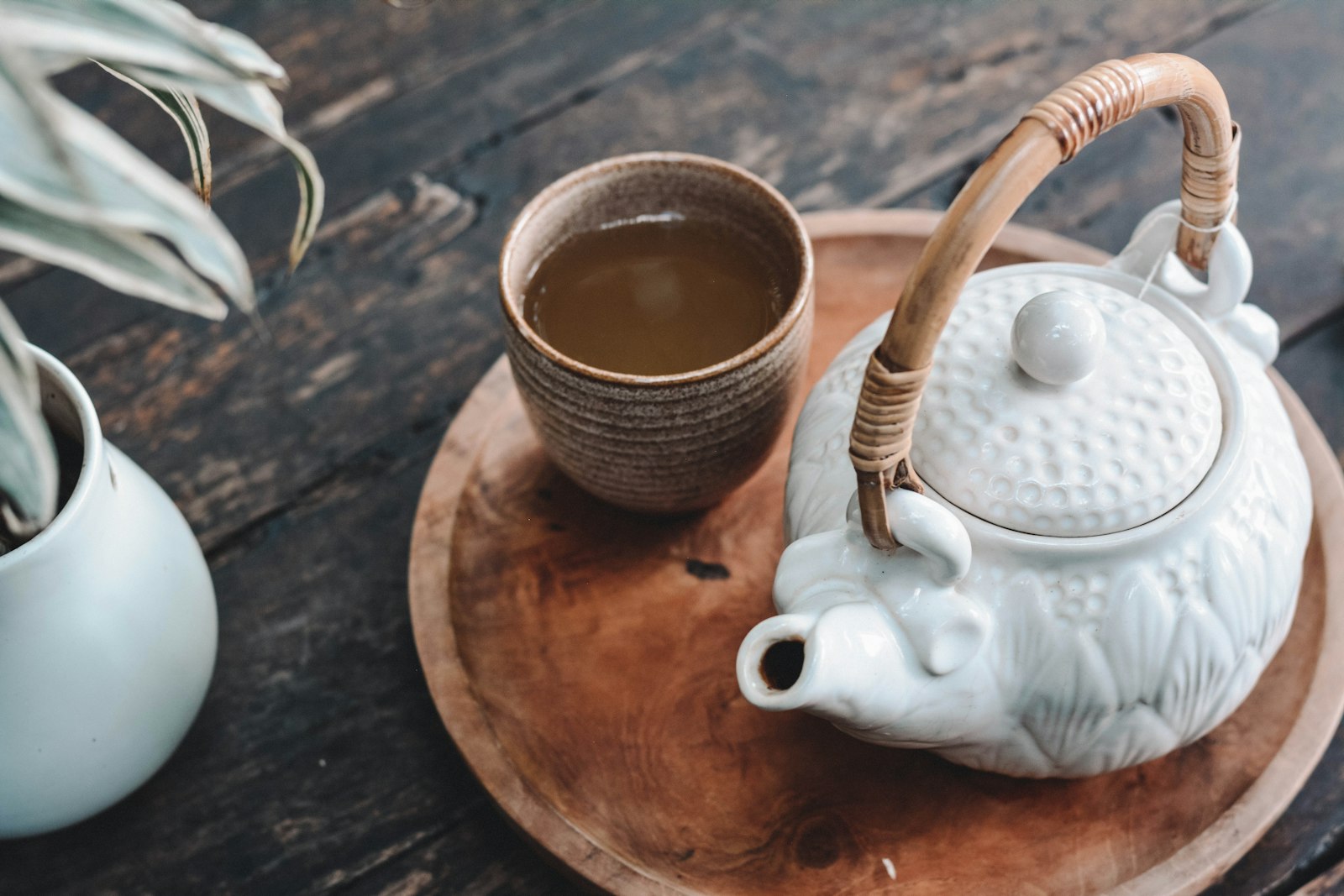
Every evening, around 9 PM, my family would fill a wooden bucket with hot water. We’d sit together, feet soaking, chatting about the day or reading quietly. The water would cool, we’d add more hot water, and soak for another 10 minutes.
Then we’d dry our feet, put on warm socks, and go to bed. Sleep came easily. Deeply. Naturally.
I thought everyone did this. When I moved abroad and mentioned it, people looked at me like I was describing some exotic spa treatment. It’s not exotic. It’s just hot water and your feet. But the effects are profound.
Why Feet Matter in TCM
In Traditional Chinese Medicine, the feet are considered the “second heart” (第二心脏). Here’s why:
The Meridian Connection
Your feet contain the starting or ending points of six major meridians:Over 60 acupuncture points are located on the feet. When you soak your feet, you’re stimulating all of these points simultaneously.
The Qi Flow Principle
TCM says: “寒从脚下生” — “Cold enters from the feet.”When your feet are cold, qi and blood flow upward sluggishly. Your organs don’t get the nourishment they need. Your mind stays active. Sleep doesn’t come.
When your feet are warm, qi flows smoothly. Blood circulates well. Your body relaxes. Sleep comes naturally.
How Foot Soaking Helps Sleep
1. Draws Blood Downward
When you soak your feet in warm water, blood vessels in your feet dilate. This draws blood away from your head and toward your extremities.Why this matters for sleep: Insomnia is often caused by “too much blood in the head” — racing thoughts, mental activity, anxiety. Foot soaking redistributes blood flow, literally cooling your head and warming your feet.
This is the same principle behind the modern sleep advice to keep your bedroom cool but wear warm socks.
2. Activates the Parasympathetic Nervous System
Warm water on your feet triggers the “rest and digest” response. Your heart rate slows. Your breathing deepens. Your muscles relax.This is a physiological response — not just “feeling cozy.” Your nervous system genuinely shifts modes.
3. Stimulates Acupuncture Points
As mentioned, your feet are covered in acupuncture points. Warm water stimulates these points gently and continuously, creating a whole-body relaxation effect.4. Reduces Cortisol
Studies show that warm foot baths reduce cortisol (the stress hormone) by 10-15%. Lower cortisol at night = easier sleep onset.5. Improves Circulation
Many people have poor circulation in their extremities, especially in cold weather. Cold feet are one of the most common reasons people can’t fall asleep. Foot soaking fixes this directly.How to Soak Your Feet Properly
Basic Method
The Traditional Chinese Method
For enhanced effects, add these to your foot soak:
Ginger (生姜):
Mugwort (艾叶):
Salt (盐):
Chinese herbs (optional):
After Soaking
Foot Soaking for Specific Sleep Issues
Can’t Fall Asleep (Mind Racing)
Add: Chrysanthemum flowers + mint Effect: Clears heat from the head, calms the mind Soak for: 20 minutesWake Up at 3 AM (Liver Issues)
Add: Mugwort + ginger Effect: Warms the liver meridian, promotes smooth flow Soak for: 15 minutesRestless Legs / Muscle Tension
Add: Epsom salt (magnesium sulfate) Effect: Absorbs magnesium through skin, relaxes muscles Soak for: 20 minutesCold Feet All Night
Add: Ginger + cinnamon bark Effect: Strongly warming, improves circulation Soak for: 15-20 minutesAnxiety / Heart Palpitations
Add: Lavender essential oil (5-10 drops) Effect: Calms the heart, reduces anxiety Soak for: 15 minutesWhat the Research Says
Sleep Quality
A 2020 study in the Journal of Clinical Nursing found that foot soaking for 20 minutes before bed:Circulation
Research in the International Journal of Nursing Studies showed that warm foot baths:Stress Reduction
A 2021 study found that foot soaking:Common Mistakes
1. Water Too Hot
Scalding water doesn’t help — it triggers the stress response. Keep it comfortably hot, not painful.2. Soaking Too Long
More than 30 minutes can actually be counterproductive — your body loses too much heat when you take your feet out. 15-20 minutes is optimal.3. Not Drying Thoroughly
Damp feet get cold quickly. Dry them completely, then put on socks.4. Soaking Right Before Bed
If you soak and immediately jump into bed, your body temperature is still elevated. Give yourself 30-60 minutes to cool down naturally.5. Inconsistency
Like any TCM practice, consistency matters. One foot soak won’t transform your sleep. Nightly practice for 2+ weeks will.The TCM Perspective
In TCM, foot soaking is a form of “引火归元” — “guiding fire back to its source.”
When you can’t sleep, it’s often because heat (energy, activity, stimulation) has risen to your head. Your feet are cold, your head is hot, and your mind is racing.
Foot soaking draws that heat downward, back to where it belongs. Your head cools. Your feet warm. Your mind quiets. Sleep comes.
This is why my grandmother always said: “睡前泡脚,胜吃补药” — “Soaking feet before bed is better than taking medicine.”
Modern Foot Soaking Equipment
If you want to upgrade from a basic bucket:
Electric Foot Bath
Wooden Bucket
Collapsible Basin
The Bottom Line
Foot soaking is the simplest, cheapest sleep ritual you can adopt. All you need is warm water, 15 minutes, and consistency.
The Chinese have known this for centuries. Modern science confirms it. Your feet are the gateway to your nervous system — warm them, and your whole body relaxes.
Start tonight. Fill a basin. Add some ginger if you have it. Soak for 15 minutes. Dry thoroughly. Put on socks. Go to bed.
Your sleep will thank you.
Related Articles
This article shares traditional wellness knowledge from a Chinese cultural perspective. It’s educational, not medical advice — for any health condition, please consult a qualified professional.
- Liver meridian — starts at the big toe
- Spleen meridian — starts at the big toe
- Kidney meridian — starts at the sole of the foot
- Stomach meridian — ends at the second toe
- Gallbladder meridian — ends at the fourth toe
- Bladder meridian — ends at the little toe
- Add 5-6 slices of fresh ginger to the water
- Warming, improves circulation
- Good for cold constitutions
- Add a handful of dried mugwort
- Warming, drives out dampness
- Traditional for women’s health
- Add 2-3 tablespoons of sea salt
- Draws out toxins
- Relaxes muscles
- Available at Chinese medicine shops
- Pre-made foot soak packets with multiple herbs
- Ask a TCM practitioner for recommendations
- Reduced sleep onset latency by 36%
- Improved subjective sleep quality by 28%
- Reduced nighttime awakenings
- Increased peripheral blood flow by 40-60%
- Reduced blood pressure by 5-10 mmHg
- Improved heart rate variability (a marker of relaxation)
- Reduced cortisol levels by 12%
- Increased serotonin production
- Improved mood scores the following day
- Maintains water temperature automatically
- Some have massage rollers
- ~$30-60
- Convenient for daily use
- Traditional Chinese style
- Retains heat well
- ~$20-40
- Aesthetic and functional
- Space-saving
- Travel-friendly
- ~$10-20
- Good for small apartments
- Why TCM Says Sleep Before 11 PM Matters — Combine with foot soaking for the ultimate bedtime routine
- Acupressure Points for Insomnia — Press points while soaking for double the effect
- The Ideal Bedroom Temperature for Sleep — Temperature matters from head to toe
- Use a bucket or basin deep enough to cover your ankles (ideally mid-calf)
- Water temperature: 104-113°F (40-45°C) — hot but not scalding
- Duration: 15-20 minutes
- Timing: 1-2 hours before bed
- Add hot water as needed to maintain temperature
- Dry your feet thoroughly — damp feet get cold
- Put on warm socks — cotton or wool
- Go to bed within 30 minutes — while the relaxation effect is strongest
This article is for informational purposes only. It’s not medical advice — for any health condition, please consult a qualified healthcare provider.