Every spring, something strange happens in my body. The energy that felt so dormant in winter suddenly surges forward, but it doesn’t always feel like a welcome awakening. Instead, it often arrives as a tight knot in my shoulders, a short temper that flares over minor things, and a paradoxical fatigue that makes me want to nap at 3 PM despite sleeping well. For years, I thought this was just “spring fever” or the result of seasonal allergies. It wasn’t until I began my studies in Beijing that my teacher, a seasoned TCM practitioner, smiled knowingly and said, “Ah, your Liver qi is speaking. It’s telling you it’s stuck.” This annual pattern, I learned, has a name in Traditional Chinese Medicine: spring liver qi stagnation. It’s the body’s way of echoing nature’s own struggle to break free from the stillness of winter, and understanding it can transform your spring from a season of frustration into one of genuine renewal.
- The Spring-Liver Connection: Why This Season Stirs More Than Blossoms
- Decoding the Anger-Fatigue Connection: More Than Just a Bad Mood
- Listening to Your Body's Signals: A Diagnostic Checklist
- Your Spring Liver-Soothing Toolkit: Actionable Steps for Today
- A Sample Day for Liver Qi Flow
- When to Seek More Support
The Spring-Liver Connection: Why This Season Stirs More Than Blossoms
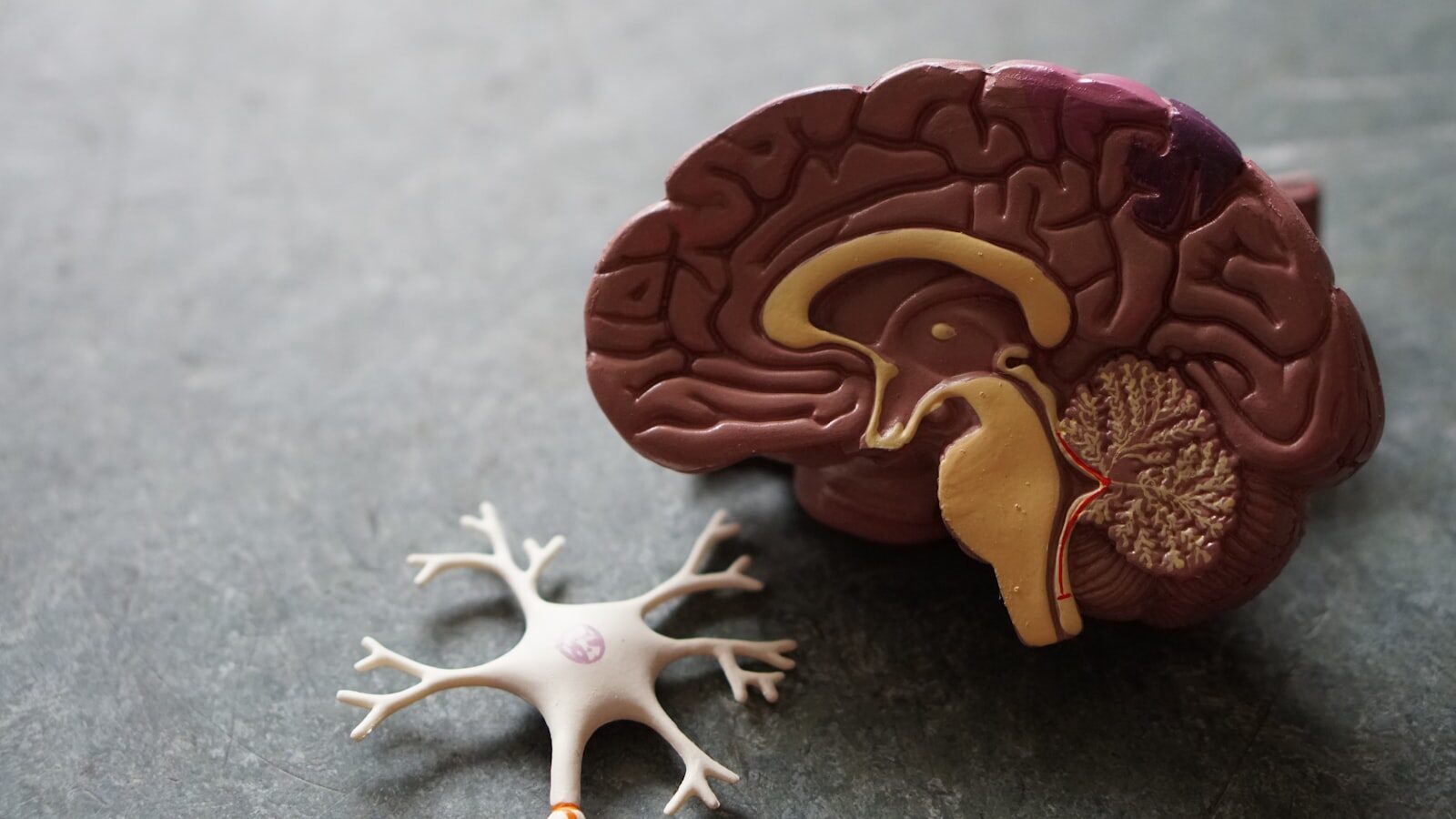
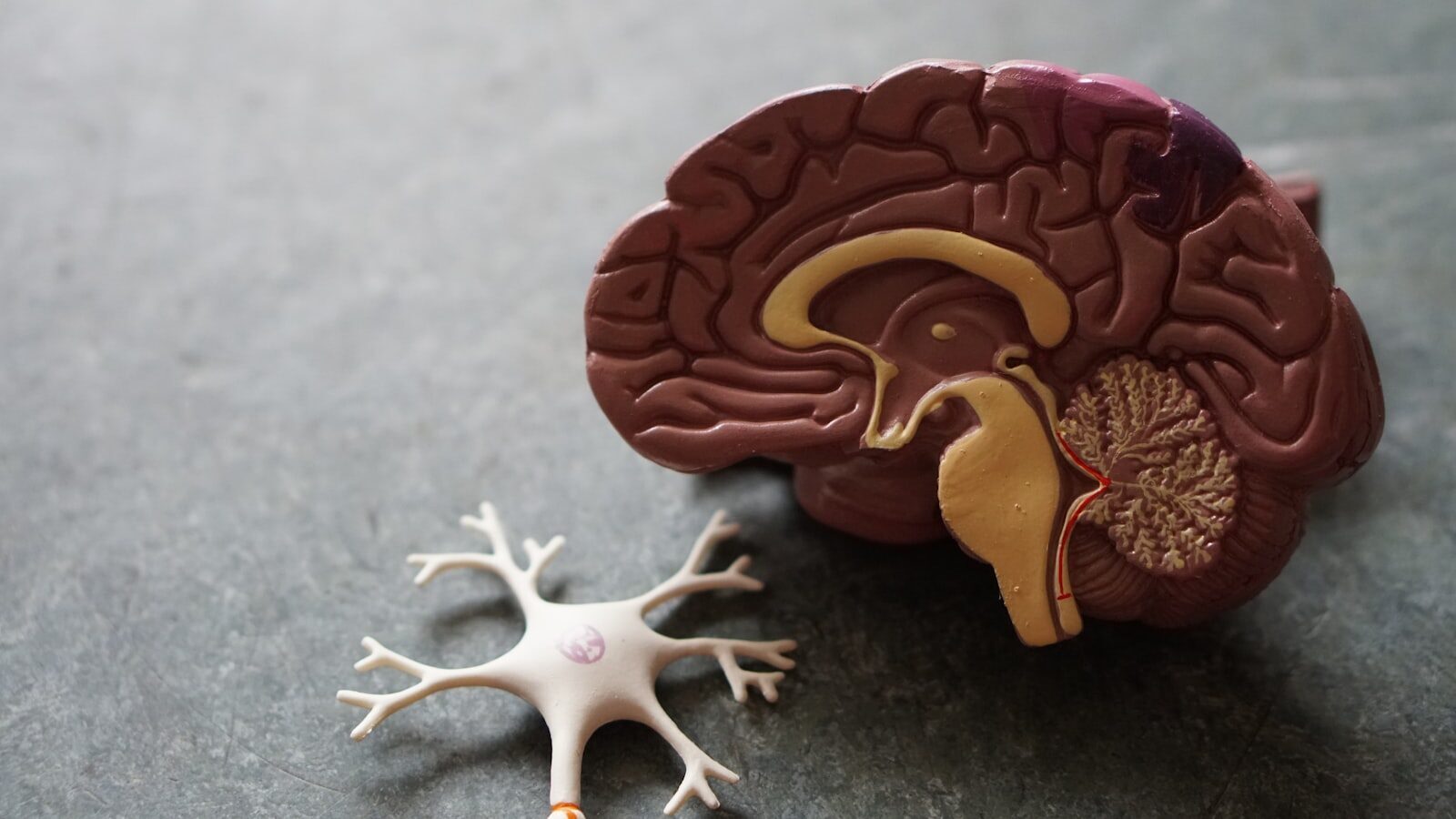
In the framework of TCM, each season is governed by a specific organ system. Spring belongs to the Liver (and its paired organ, the Gallbladder). This isn’t the anatomical liver of Western medicine, but a functional system responsible for the smooth, even flow of qi—your vital energy—throughout the entire body. Think of the Liver as the master planner of your internal traffic system. Its job is to ensure every intersection flows smoothly, every signal works, and there are no frustrating bottlenecks.
The Huangdi Neijing, the foundational text of TCM compiled over 2,000 years ago, states in the Suwen chapter: “The Liver is the general of the organs, responsible for strategizing and planning.” It governs the free flow of qi and blood, stores the blood, and is intimately connected to the tendons, eyes, and our emotional state, particularly the smooth expression of anger and frustration. When the Liver is balanced, we feel decisive, flexible, and creative. When it’s out of balance, we feel the opposite.
Spring is a time of yang energy rising. Just as sap rises in trees and buds push through soil, our own qi wants to move upward and outward. If our Liver qi is already stagnant—perhaps from the inactivity and heavier foods of winter—this seasonal surge can create a traffic jam. The energy has nowhere to go. This is the core of spring liver qi stagnation. The result is that familiar cocktail of symptoms: irritability, sighing, a feeling of being “wound up,” tension in the neck and shoulders, digestive upset (bloating, alternating constipation and loose stools), and that peculiar fatigue where you’re tired but can’t fully relax.
Decoding the Anger-Fatigue Connection: More Than Just a Bad Mood
This is the most counterintuitive part for many people. How can you feel both agitated and exhausted at the same time? In TCM, this isn’t a contradiction; it’s a classic sign of stagnation. Imagine a river in spring. The snowmelt is rushing down, but a dam of fallen branches and debris blocks the flow. The water behind the dam becomes turbulent, choppy, and agitated (the anger, frustration). Meanwhile, the land downstream is parched and dry, deprived of nourishment (the fatigue, lack of motivation). Your qi is that water. When it’s stuck, the “agitation” is the qi backing up and creating heat, while the “fatigue” is the rest of your system being deprived of its vital flow.
A 2019 study published in the Journal of Ethnopharmacology explored the mechanisms of classic Liver-soothing formulas like Xiao Yao San (Free and Easy Wanderer). The research suggested that these formulas may help modulate the stress-response system (the HPA axis) and influence neurotransmitters like serotonin and dopamine, which could explain their traditional use for mood swings and fatigue (Zhang et al., 2019). This gives a modern lens to the ancient understanding of the Liver’s role in emotional regulation.
“When the Liver qi is depressed, the spirit is not at peace.”
— Ben Cao Gang Mu (Comperta of Materia Medica), Li Shizhen, 1578
My grandmother had a simpler way of putting it. During one of my spring moods as a teenager, she handed me a cup of chrysanthemum tea and said, “Your ‘spring wind’ is blowing too hard inside. You need to let it out gently, not fight it.” She was speaking of feng (wind), a pathogenic factor in TCM closely linked to the Liver. Internal “wind” can manifest as dizziness, tremors, or the erratic movement of emotions. Her tea was a gentle prescription to cool and soothe that internal wind.
Listening to Your Body’s Signals: A Diagnostic Checklist
How do you know if this is you? Pay attention to these common signs of Liver qi stagnation, especially if they intensify in spring. Note how many you experience regularly:
- Emotional & Mental: Irritability, frustration, anger that flares easily, feeling “stuck” or indecisive, sighing frequently, feeling of tightness in the chest.
- Physical: Tension in the neck, shoulders, and upper back (especially the right side), headaches (especially at the temples or behind the eyes), digestive issues (bloating, gas, IBS-like symptoms), breast tenderness before period, a bitter taste in the mouth.
- Energy: Fatigue that doesn’t improve with rest, waking up between 1-3 AM (the Liver time in the TCM organ clock), feeling “tired but wired.”
- Tongue Sign: A TCM practitioner might observe a tongue that is slightly purplish or has distended sublingual veins, indicating stagnant blood flow often accompanying qi stagnation.
If you check three or more boxes, especially the emotional and tension-related ones, you’re likely experiencing some degree of Liver qi stagnation. The good news? Spring, while it can aggravate it, is also the best time to treat it, because you’re working with the season’s energy to encourage movement.
Your Spring Liver-Soothing Toolkit: Actionable Steps for Today
The goal is not to suppress the rising energy of spring, but to guide it. Think of yourself as a gardener gently directing a vine onto a trellis. Here are specific, actionable ways to do that, starting today.
1. Food as Medicine: The Liver-Loving Spring Diet
Spring calls for a lighter, more cleansing diet than winter. Focus on foods that are sour, green, and slightly bitter—these flavors have a natural affinity for the Liver. Sour foods have an astringent quality that can help “gather” and direct the Liver’s scattered energy, while green, leafy vegetables resonate with the Liver’s associated color.
Specific, Actionable Foods & Preparations:
- Lemon Water: Start your day with the juice of ½ a fresh lemon in a cup of warm (not hot) water. This simple act gently stimulates liver function and digestion.
- Dandelion Greens (Taraxacum officinale): Sauté a handful of fresh dandelion greens with a teaspoon of sesame oil and a clove of minced garlic for 2-3 minutes. Their bitter flavor is a classic liver cleanser. If too bitter, mix with milder spinach.
- Green Apple & Celery Juice: Juice 1 green apple and 3 celery stalks. The sour-sweet of the apple and the slightly bitter, astringent celery make a perfect Liver qi-moving combination. Drink mid-morning.
- Goji Berry & Chrysanthemum Tea (Gou Qi Ju Hua Cha): Steep 10 dried goji berries (Lycium barbarum) and 5-6 dried chrysanthemum flowers (Chrysanthemum morifolium) in hot water for 5 minutes. This classic combination clears Liver heat and nourishes Liver yin. Drink 1-2 cups daily.
- Mung Bean Soup (Lu Dou Tang): Simmer ½ cup of mung beans in 4 cups of water for 40 minutes until soft. Add a small rock sugar if desired. This cooling, detoxifying soup is traditionally used in spring to clear heat and toxins.
Foods to Reduce: Excessive greasy, fried, or heavy foods. Overconsumption of alcohol, which is intensely heating to the Liver. Large amounts of red meat, which can be taxing to digest when qi is stagnant.
2. Movement to Unstick the Qi
The Liver governs the tendons. Stagnant qi often manifests as physical tension, especially in the neck, shoulders, and sides of the body (the Liver/Gallbladder meridian pathway). Gentle, flowing movement is key—think untying knots, not building muscle.
- Tai Chi or Qigong: The slow, deliberate movements are medicine for Liver qi. Even 15 minutes of a simple form like the “Eight Brocades” (Baduanjin) can work wonders. Focus on movements that open the sides of the body and stretch the tendons.
- Walking in Nature: A brisk 30-minute walk, especially among trees, allows the Liver qi to circulate. The color green is directly nourishing to the Liver system. My teacher in Chengdu would prescribe “forest bathing” for his patients with stagnant qi.
- Specific Stretch: Stand with feet hip-width apart. Inhale and raise your right arm overhead, leaning gently to the left, feeling a stretch along your right side from hip to fingertips. Hold for 30 seconds, breathing deeply. Repeat on the other side. Do this 3 times each side, twice a day.
3. Emotional Acupuncture: Releasing the Valve
Since the Liver is so tied to the smooth flow of emotions, practices that help you acknowledge and release frustration are crucial. This isn’t about positive thinking; it’s about creating a healthy outlet.
- Sighing Practice: When you feel tension building, consciously take a deep breath in through your nose, and let it out with an audible, long sigh through your mouth. Do this 5 times. It sounds simple, but it’s a powerful way to physically move stuck qi in the chest.
- Journaling Prompt: Spend 10 minutes writing in response to: “What feels stuck or unexpressed right now?” Don’t edit, just let the words flow. The act of putting it on paper can externalize the stagnation.
- Acupressure Point: Tai Chong (LV3): This is the master point for moving Liver qi. Locate it in the depression on your foot between the big toe and second toe, about two finger-widths back from the webbing. Apply firm pressure with your thumb for 1-2 minutes on each foot, breathing deeply. Do this once in the morning and once before bed.
A Sample Day for Liver Qi Flow
Here’s how you might structure a day to gently support your Liver:
| Time | Action | Why It Helps |
|---|---|---|
| 7:00 AM | Warm lemon water + 5 sighing breaths | Gently stimulates liver, releases overnight tension |
| 7:15 AM | Tai Chi side-stretch (3x each side) | Opens Liver/Gallbladder meridians along the body’s sides |
| 12:30 PM | Lunch: Sautéed dandelion greens with garlic, steamed fish, brown rice | Bitter greens clear heat, light protein avoids taxing digestion |
| 3:00 PM | Goji-chrysanthemum tea + 5-minute walk outside | Cools Liver heat, movement circulates qi, green nature nourishes |
| 6:30 PM | Mung bean soup as part of dinner | Cools and detoxifies, supports the body’s natural cleansing rhythms |
| 9:00 PM | Acupressure on Tai Chong (LV3) + journaling | Moves qi directly, provides emotional outlet before sleep |
When to Seek More Support
While these lifestyle adjustments are powerful for mild to moderate stagnation, sometimes the pattern is more deeply rooted or has progressed to affect other systems (like causing significant digestive issues, severe PMS, or chronic headaches). If you don’t notice improvement after 2-3 weeks of consistent practice, or if your symptoms are severe, consulting a licensed TCM practitioner is a wise next step. They can provide a precise diagnosis and may recommend herbal formulas (like the aforementioned Xiao Yao San, modified for your constitution) or acupuncture to move the qi more forcefully.
Remember, the goal is not to become a person who never feels anger or fatigue. It’s to ensure your internal river flows smoothly, so that when spring’s energy rises, it can do so with grace and vitality, not with the turbulence of a blocked stream. By listening to your body’s whispers now, you can prevent its shouts later.
Common Questions
Is spring liver qi stagnation the same as having a “bad temper”?
No, not at all. In TCM, a consistently “bad temper” or chronic irritability is seen as a symptom of an underlying imbalance—specifically, Liver qi stagnation or Liver fire. It’s not a character flaw, but a signal from your body that its energy flow is disrupted. The anger that arises from stagnation often feels disproportionate to the situation and is accompanied by physical signs like sighing or tension. Addressing the root imbalance through diet, movement, and lifestyle often naturally softens this emotional reactivity.
Can this pattern cause physical pain?
Absolutely. The principle in TCM is: “When qi stagnates, pain arises.” The Liver governs the smooth flow of qi and blood. When qi stagnates, it can lead to blood stasis, which often manifests as fixed, stabbing pain. Common pain sites related to Liver qi stagnation include the sides of the ribs (the hypochondrium), the lower abdomen (especially before menstruation), headaches (particularly temporal or behind the eyes), and generalized muscle tension, especially in the trapezius muscles. The pain often has a quality of tightness or distension.
I’m not angry, just tired. How is this Liver-related?
This is a key insight. The fatigue of Liver qi stagnation is “stagnation fatigue.” It’s not the deep, restorative tiredness of needing sleep. It’s a weary, heavy, “can’t get started” feeling that comes from your energy being stuck and not circulating properly. It’s like having a car with the engine running but the transmission in neutral—it’s using fuel but not going anywhere. The sighing, the feeling of being “wired but tired,” and the fatigue that doesn’t improve with rest are hallmarks of this pattern. Soothing the Liver to move the qi often alleviates this specific type of fatigue significantly.
The bottom line: Spring liver qi stagnation is a common, seasonal pattern where the rising energy of spring meets internal congestion, leading to a frustrating mix of agitation and fatigue. By understanding the Liver’s role in smooth qi flow and emotional regulation, you can use targeted foods like dandelion greens and sour lemon, gentle movement like tai chi, and emotional release practices to guide your energy. Listen to your body’s spring whispers, and you’ll cultivate a season of true renewal and flow.
About the Author
Yu Xi Zhang grew up in a Chinese household where traditional wellness practices were part of daily life. With over 15 years of study under licensed TCM practitioners in Beijing and Chengdu, and a certification in TCM nutrition from the Beijing University of Chinese Medicine, she bridges Eastern wisdom with Western wellness in practical, actionable ways. Her writing draws from classical texts like the Huangdi Neijing and modern research to help readers live healthier, more balanced lives.
This article is for educational purposes and reflects traditional wellness perspectives. It is not a substitute for professional medical advice, diagnosis, or treatment.