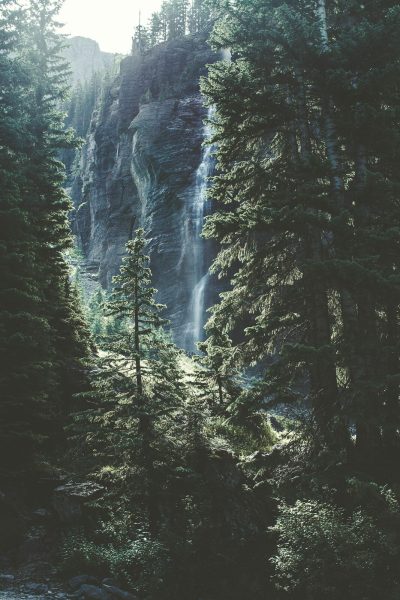
Summer arrives with a roar, bringing long, bright days and a heat that can feel both energizing and utterly draining. In Traditional Chinese Medicine (TCM), this season is governed by the Fire element, a time of maximum Yang energy. While we might celebrate the light and activity, this external heat can easily tip our internal balance. We become irritable, our sleep suffers, and we feel a restless, agitated energy that’s the opposite of calm. The solution isn’t to hide indoors with the air conditioning blasting all day—that can trap heat inside and create dampness. Instead, we can look to nature’s own cooling system: the forest. This guide is about learning to practice summer forest bathing, or Shinrin-yoku, in a way that specifically addresses summer’s unique challenges, drawing from both modern research and the timeless wisdom of Chinese medicine.
Why the Forest is Summer’s Perfect Antidote
The concept of forest bathing is simple: immerse yourself in a forest atmosphere, not through hiking or exercise, but through quiet, mindful presence. The practice originated in Japan in the 1980s as a form of nature therapy, but its roots run deep in many cultures, including Chinese wellness traditions. My grandmother, who grew up in the countryside outside Hangzhou, didn’t call it Shinrin-yoku. She just called it “going to breathe the good air.” On the hottest days of July, she’d insist we walk to the bamboo grove after lunch. “The forest drinks the sun’s anger,” she’d say, “and gives you back coolness.” She was right, and modern science is finally explaining how.
Forests are not just shady; they are active, living ecosystems that create a microclimate perfectly suited to counteract summer heat. The key players are phytoncides—antimicrobial volatile organic compounds released by trees, especially conifers like pine (Pinus spp.) and cypress (Cupressus spp.). A landmark 2010 study in the journal Environmental Health and Preventive Medicine found that a three-day forest bathing trip significantly increased the activity of human natural killer (NK) cells, a vital part of our immune system, and that these benefits lasted for more than 30 days. The researchers attributed this largely to the inhalation of phytoncides. In summer, when heat stress can suppress immune function, this is a profound benefit.
From a TCM perspective, the forest environment directly nourishes our Yin energy—the cooling, moistening, receptive, and calming counterpart to the active, hot, expansive Yang energy of summer. The Huangdi Neijing (The Yellow Emperor’s Classic of Internal Medicine), the foundational text of TCM, advises us to “nourish Yang in spring and summer, and nourish Yin in autumn and winter.” But this doesn’t mean we only focus on Yang. It means we support Yang’s expression while ensuring we don’t deplete our Yin reserves. The cool, damp earth, the shade, and the green color of the leaves (associated with the Liver organ system, which governs the smooth flow of Qi) all work together to soothe the Liver, clear heat, and replenish Yin fluids.
The TCM of Summer Heat and How Forests Help
In TCM, summer heat (Shu Re) is considered a pathogenic factor that can invade the body. It rises upward, often affecting the head and Heart (the organ of the Fire element), leading to symptoms like irritability, anxiety, insomnia, and headaches. It can also create Dampness (Shi) when combined with humidity, leading to fatigue, heaviness, foggy thinking, and digestive sluggishness. This is why you might feel both wired and tired simultaneously on a hot, humid day.
A forest directly addresses both these issues. The shade blocks the direct, scorching pathogenic influence of the sun. The air within a forest is cooler and cleaner. More importantly, the soil and vegetation release negative ions. A 2015 review in the International Journal of Environmental Research and Public Health noted that exposure to negative ions, common in forested and water-rich environments, may help regulate serotonin levels, improve mood, and reduce stress. This helps calm the agitated Heart and smooth the flow of Liver Qi.
The practice of walking slowly and mindfully on the earth itself is a form of grounding or “earthing.” In TCM, the Earth element (associated with the Spleen and Stomach) governs our center and our ability to transform and transport nutrients. Direct contact with the ground can help stabilize our Earth element, combating the destabilizing effects of heat and improving digestion and energy levels. Think of it as plugging your overcharged system back into its stable power source.

Your Step-by-Step Guide to a Cooling Summer Forest Bath
A summer forest bath is different from a spring or autumn one. The goal is active cooling and Yin nourishment. Here is a specific, actionable protocol you can follow.
- Timing is Everything: Go either early in the morning (before 10 am) or in the late afternoon (after 4 pm). Avoid the peak Yang hours of 11 am to 3 pm, when the sun’s energy is most intense and can be depleting. A session of 90-120 minutes is ideal for deep immersion.
- Choose Your Forest Wisely: Look for a forest with a dense canopy for maximum shade. Mixed deciduous and coniferous forests are excellent. The presence of water—a stream, pond, or lake—adds a powerful cooling element. In TCM, water nourishes Kidney Yin, our deepest source of cooling energy.
- Prepare Your Body: Before you go, drink a large glass of cooling herbal tea. Make it with 5g of dried Chrysanthemum morifolium (Ju Hua) flowers and 3g of Lonicera japonica (Jin Yin Hua) honey suckle in 500ml of hot water, steeped for 10 minutes, then cooled. This clears heat from the head and eyes. Wear loose, light-colored, natural fiber clothing (linen or cotton).
- The 5-4-3-2-1 Grounding Ritual: Once you find your spot, sit or stand comfortably. Close your eyes for the first few minutes. Use this sensory checklist to arrive in the present:
- 5 Sights: Notice five different shades of green in the leaves, moss, and ferns.
- 4 Sounds: Listen for four distinct sounds—birdsong, rustling leaves, water, your own breath.
- 3 Textures: Feel three things: the breeze on your skin, the solidity of the ground through your shoes, the bark of a tree under your fingertips.
- 2 Smells: Inhale and identify two scents—pine resin, damp earth, wildflowers.
- 1 Taste: Notice the taste of the clean, cool air in your mouth.
- Walk with No Destination: Amble slowly. Let your body be drawn by what catches your eye—a shaft of light, a cluster of mushrooms, a particularly beautiful leaf. This is not a hike; it’s a meander. Stop often. Sit on the ground if you can.
- The Cool-Down Practice: Find a comfortable seated position on the earth or a log. Place your palms on your lower abdomen, just below your navel. This is the area of your Lower Dantian, your body’s energetic center and a reservoir of Kidney Yin. Breathe deeply into this space for 5-10 minutes, imagining you are drawing cool, green, earthy energy up from the ground, through your legs, and into this center.
- Hydrate with Intention: Bring a thermos of chilled water infused with cooling herbs. A simple and effective recipe: add 3-4 slices of fresh Mentha (mint) leaf, 2 slices of Cucumis melo (cucumber), and a few Prunus mume (sour plum, or ume) to a liter of water the night before. Sip this throughout your bath to replenish fluids and clear heat.
A Menu of Forest Activities for Deep Cooling
To deepen your practice, incorporate these specific, Yin-nourishing activities.
| Activity | TCM Benefit & How-To | Best For |
|---|---|---|
| Tree Qi Exchange | Stand with your back against a large, healthy tree (oak, pine, or beech are ideal). Place your palms on the trunk. Breathe deeply, imagining you are inhaling the tree’s stable, grounded, cool energy and exhaling your excess heat and agitation into the tree to be transformed. Do this for 5-10 minutes. | Calming anxiety, grounding scattered energy. |
| Mindful Moss Gazing | Find a patch of moss. Get down close to it. Observe its intricate, miniature forest structure for 10-15 minutes. Moss is Yin within Yin—cool, damp, and soft. This practice draws your energy down and inward, cooling a hot head. | Quieting a racing mind, relieving eye strain from screens. |
| Stream-Side Meditation | Sit near a flowing stream. Focus on the sound and movement of the water. In TCM, the Kidneys are associated with water and fear. The sound of flowing water can help release stored fears and nourish Kidney Yin. Visualize the stream washing away heat and stagnation. | Releasing deep-seated stress, improving sleep quality. |
| Leaf-Pressing & Aromatherapy | Gently crush a few leaves of safe, aromatic plants like Galium odoratum (sweet woodruff) or Melissa officinalis (lemon balm) between your fingers. Inhale the scent deeply. The volatile oils can have a direct calming effect on the nervous system. | Instant mood lift, clearing mental fog. |
Integrating Forest Wisdom into Your Hot-Weather Life
You don’t need a pristine national forest to benefit. The principles of summer forest bathing can be adapted to any green space, even a city park or your own backyard. The key is to bring the forest’s qualities into your daily life.
Create a Mini-Forest at Home: Fill your living space with houseplants known for their air-purifying and cooling properties. Chlorophytum comosum (spider plant), Spathiphyllum (peace lily), and Ficus elastica (rubber plant) are excellent choices. The color green itself is healing for the Liver in TCM. Use a diffuser with 2-3 drops of Pinus sylvestris (pine) or Cedrus atlantica (cedarwood) essential oil to bring the forest scent indoors.
Adopt Forest-Bathing Posture: When you feel overwhelmed by heat or stress at your desk, stop. Sit back in your chair, place your feet flat on the floor, and close your eyes. Imagine you are sitting at the base of a great, ancient tree. Feel your spine as the trunk—strong, straight, and stable. Breathe slowly, imagining roots growing from your feet into the cool earth. This 2-minute practice can reset your nervous system.
Eat Like You’re in a Forest: Incorporate foods that mimic the forest’s cooling, moistening quality. This includes:
- Dark Leafy Greens: Spinach (Spinacia oleracea), Swiss chard, and kale. Lightly sauté with a bit of garlic and sesame oil.
- Cucumber (Cucumis sativus): Eat it raw, sliced, with a sprinkle of rice vinegar and sesame seeds.
- Watermelon (Citrullus lanatus): The classic summer fruit. In TCM, it’s considered “cold” and directly clears summer heat. Don’t eat it ice-cold, though—room temperature is easier on the Spleen.
- Mung Beans (Vigna radiata): A cornerstone of TCM summer cooling. Cook 1/2 cup of dried mung beans with 6 cups of water, a few slices of fresh ginger (to protect the Spleen), and a small piece of rock sugar until it becomes a thin soup. Drink the broth or eat the beans. This is a powerful heat-clearing remedy.
- Seaweed: Kelp (Laminaria) and wakame are salty and cool, nourishing Yin and fluids. Add to soups or salads.
“The clearest way into the Universe is through a forest wilderness.”
— John Muir
Common Questions About Summer Forest Bathing
Is it safe to be in the forest during summer heat? What about bugs and sunburn?
Safety and comfort are paramount. The dense canopy of a forest naturally blocks a significant amount of UV radiation, but it’s not complete protection. Apply a natural, mineral-based sunscreen to exposed areas before you go. For bugs, especially mosquitoes, use a natural repellent. You can make a simple one by adding 10-15 drops of Cymbopogon (lemongrass) or Eucalyptus citriodora (lemon eucalyptus) essential oil to 2 tablespoons of a carrier oil like jojoba or almond oil. Apply to pulse points. The most important safety tip is hydration: bring more water than you think you’ll need, and sip consistently. Listen to your body—if you feel dizzy or overly fatigued, seek shade and rest.
How often should I practice forest bathing in the summer?
Consistency is more valuable than marathon sessions. For tangible benefits in managing summer heat and stress, aim for one 90-120 minute immersion per week. If that’s not possible, two 30-45 minute sessions can also be very effective. Even a weekly “forest sit” in a city park, following the mindful principles outlined above, can make a meaningful difference in your overall sense of coolness and calm throughout the season.
Can I do this if I live in a city with no access to a forest?
Absolutely. The core principles are about connecting with nature’s Yin qualities. A large city park with mature trees, a botanical garden, or even a quiet, tree-lined cemetery can serve as your urban forest. Focus on finding the largest, oldest trees you can, as they have the most established energy and provide the best canopy. You can also practice “urban forest bathing” by mindfully walking along a tree-lined street, focusing on the dappled light through the leaves and the scent of the foliage. The key is to shift your mindset from exercise to sensory immersion, no matter the scale of the green space.
The bottom line: Summer’s intense Yang energy demands a conscious, cooling counterbalance. Forest bathing is not a mere escape; it is a direct, evidence-informed practice rooted in both modern science and ancient wisdom that allows you to absorb the forest’s Yin essence. By mindfully immersing yourself in a green canopy, you actively clear heat, nourish your body’s cooling fluids, calm your mind, and fortify your resilience against the season’s stresses. It is, quite simply, one of the most profound and accessible forms of self-care for the hot months ahead.
About the Author
Yu Xi Zhang grew up in a Chinese household where traditional wellness practices were part of daily life. With over 15 years of study under licensed TCM practitioners in Beijing and Chengdu, and a certification in TCM nutrition from the Beijing University of Chinese Medicine, she bridges Eastern wisdom with Western wellness in practical, actionable ways. Her writing draws from classical texts like the Huangdi Neijing and modern research to help readers live healthier, more balanced lives.
This article is for educational purposes and reflects traditional wellness perspectives. It is not a substitute for professional medical advice, diagnosis, or treatment.