The heat of a July afternoon can feel heavy, can’t it? It sits on your shoulders, clings to your skin, and makes your mind feel just as sluggish as your body. We reach for the air conditioner, for iced drinks, for anything that promises relief. But what if the most profound cooling wasn’t mechanical, but ecological? What if the forest itself held the secret to balancing summer’s fierce fire? This is the essence of summer forest bathing the TCM way—not just a walk in the woods, but a deliberate practice of absorbing the forest’s cooling, calming, and restorative qi to counteract the season’s draining heat. It’s an ancient strategy for a modern summer.
- What is Forest Bathing Through a TCM Lens?
- Why Summer Demands a Different Forest Practice
- The Science of Forest Qi: Phytoncides and Negative Ions
- Your Step-by-Step Guide to a TCM Summer Forest Bath
- Enhancing the Experience: TCM Allies for Your Forest Bath
- Choosing Your Forest: Not All Woods Are Created Equal
What is Forest Bathing Through a TCM Lens?
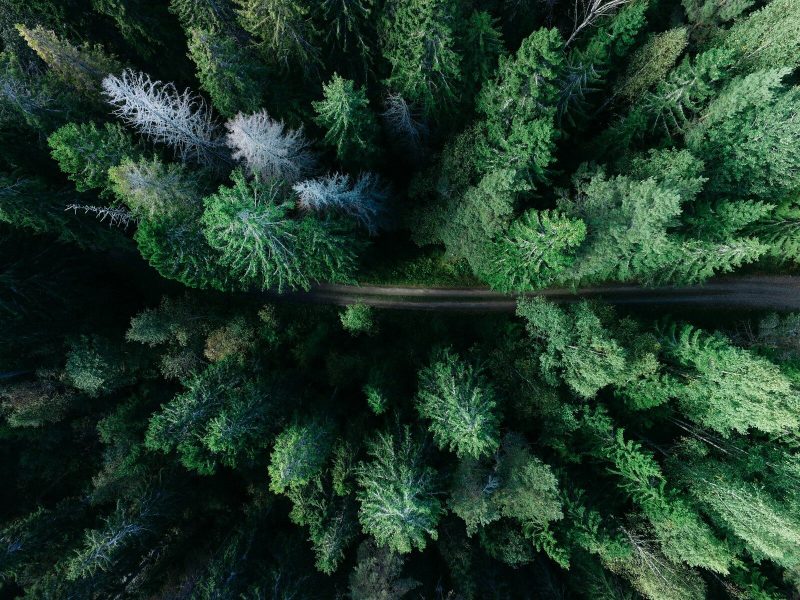
You’ve likely heard of the Japanese practice of shinrin-yoku, or forest bathing. But in Traditional Chinese Medicine (TCM), this concept is woven into the very fabric of health. We see nature not as a backdrop for recreation, but as a powerful regulator of our internal environment. A forest isn’t just a collection of trees; it’s a living, breathing ecosystem that emits a specific energetic signature.
In summer, which corresponds to the Fire element and the Heart organ system in TCM, we are prone to “Heat” patterns. This isn’t just feeling warm—it can manifest as irritability, insomnia, a red face, excessive sweating, or a feeling of agitation. The Heart, considered the “Emperor” of our body, can become overwhelmed by this seasonal fire. The forest, in its lush, green abundance, is the perfect antidote.
My grandmother, who grew up in the hills of Zhejiang province, never called it “forest bathing.” She would simply say, “When the sun is too fierce, go sit under the oldest tree. Its shade is medicine.” She understood that a tree that has weathered a hundred summers has a deep, settled yin energy that can absorb and transform our frantic yang heat.
The key TCM concept here is Yin and Yang. Summer is the peak of Yang—expansive, hot, and active. To stay balanced, we must intentionally cultivate Yin—cooling, receptive, and nourishing. The forest, especially in the cool morning hours or under a dense canopy, is a reservoir of Yin qi. By immersing ourselves in it, we literally borrow its cool, damp nature to soothe our own internal fire.
Why Summer Demands a Different Forest Practice
Walking in the woods in winter is about seeking Yang—finding the sun’s warmth and boosting circulation. Summer forest bathing is the opposite. We are seeking refuge from excess Yang. Therefore, the how matters immensely. A vigorous midday hike in July would be counterproductive, adding more heat and exertion. Instead, we practice Yin-style forest bathing.
This means:
- Timing is Everything: The best times are the coolest parts of the day. Go at dawn (between 5-7 AM) when the dew is fresh and the qi is rising gently, or in the late afternoon/evening (after 4 PM) when the day’s fire begins to subside. Avoid the peak yang hours of 11 AM to 3 PM.
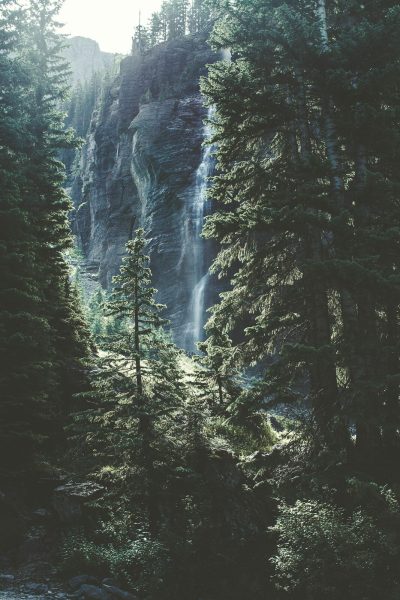
- Seek Water: If possible, choose a forest with a stream, pond, or river. Water is the ultimate Yin element in TCM—cooling, flowing, and deeply calming. The sound of running water alone has been shown to lower cortisol levels.
- Move Slowly, or Not at All: This is not exercise. The goal is absorption, not exertion. Find a spot that feels good—a mossy log, a shaded clearing—and sit or lie down for 20-30 minutes. Practice deep, slow breathing to draw the forest’s qi deep into your lungs, which in TCM are considered the “canopy” of the body, directly interacting with the canopy of the trees.
The Science of Forest Qi: Phytoncides and Negative Ions
Modern research gives us a beautiful language to understand what our ancestors knew intuitively. When we talk about the forest’s “qi,” we’re also talking about its measurable biochemistry.
Phytoncides are antimicrobial volatile organic compounds emitted by trees—essentially, their immune system. When we inhale them (especially from conifers like pine, fir, and cedar), studies show they can increase our number of Natural Killer (NK) cells, reduce cortisol (the stress hormone), lower blood pressure, and decrease anxiety. Think of it as borrowing the tree’s robust immune intelligence.
Negative Ions are abundant near flowing water and after rain. They are oxygen atoms charged with an extra electron. Breathing them in is believed to increase serotonin levels, helping to alleviate depression and boost mood. This is the forest’s own antidepressant.
In TCM terms, we’d say phytoncides help clear “Heat-Toxins” and strengthen the Wei Qi (defensive qi), while negative ions nourish the Heart and calm the Shen (spirit). It’s a perfect synergy of ancient wisdom and modern science.

Your Step-by-Step Guide to a TCM Summer Forest Bath
Let’s make this practical. Here is how to structure a session that maximizes the cooling, restorative benefits.
1. Preparation: Before You Enter the Forest
Hydrate with Yin: Drink a large glass of room temperature water infused with a few slices of cucumber and a sprig of fresh mint (Bo He). This prepares your internal landscape to receive external coolness. Avoid ice-cold drinks, which can shock the system and impair digestion.
Dress Lightly and Naturally: Wear loose, light-colored clothing made of natural fibers like cotton or linen. These “breathe” and allow your skin to participate in the exchange. Avoid synthetic materials that trap heat.
2. The Practice: Engaging the Senses (The 5-5-5-5 Method)
Once you’ve found your spot, begin this sensory immersion. For the first five minutes, just Listen. Close your eyes. Identify the sounds: the rustle of leaves, the call of a bird, the buzz of an insect, the distant trickle of water. Let the sounds wash over you without judgment.
For the next five minutes, Look. Open your eyes and take in the visual palette. Notice the different shades of green—from the deep, almost black-green of pine needles to the bright chartreuse of new leaves. Look at the patterns of light and shadow. Green is the color of the Wood element in TCM, which has a soothing, expansive quality on the Liver, helping to ease frustration.
For the next five minutes, Smell. Take slow, deep breaths through your nose. Breathe in the scent of damp earth (humus), the sharp tang of pine, the sweet decay of leaves. This is where you are directly inhaling the phytoncides. Imagine drawing this clean, vital air down to your lower abdomen (Dantian).
For the final five minutes, Feel. Place your hands on the bark of a tree. Feel its texture and temperature. Take off your shoes and socks if possible and feel the cool earth, moss, or grass under your feet. This is called “earthing” or “grounding,” and from a TCM perspective, it connects your Kidney meridian (which starts at the sole of the foot) directly with the Earth’s stabilizing, Yin energy.
Enhancing the Experience: TCM Allies for Your Forest Bath
You can deepen the practice by bringing a few simple TCM-inspired tools.
A Cooling Herbal Mist: Before you go, make a simple spritz. Steep 1 tablespoon of fresh mint leaves and 1 tablespoon of chrysanthemum flowers (Ju Hua) in 1 cup of hot water for 15 minutes. Strain, let cool, and pour into a small spray bottle. In the forest, mist your face and wrists. Chrysanthemum is famous in TCM for clearing heat from the head and eyes—perfect for summer.
A Simple Qigong Movement: While sitting, practice “Pushing Mountains.” Inhale as you slowly raise your arms in front of you, palms facing out. Exhale as you gently push them forward, as if parting curtains. This movement opens the chest (Lung area) and encourages a smooth flow of qi, helping to release stagnated heat. Do this 5-7 times.
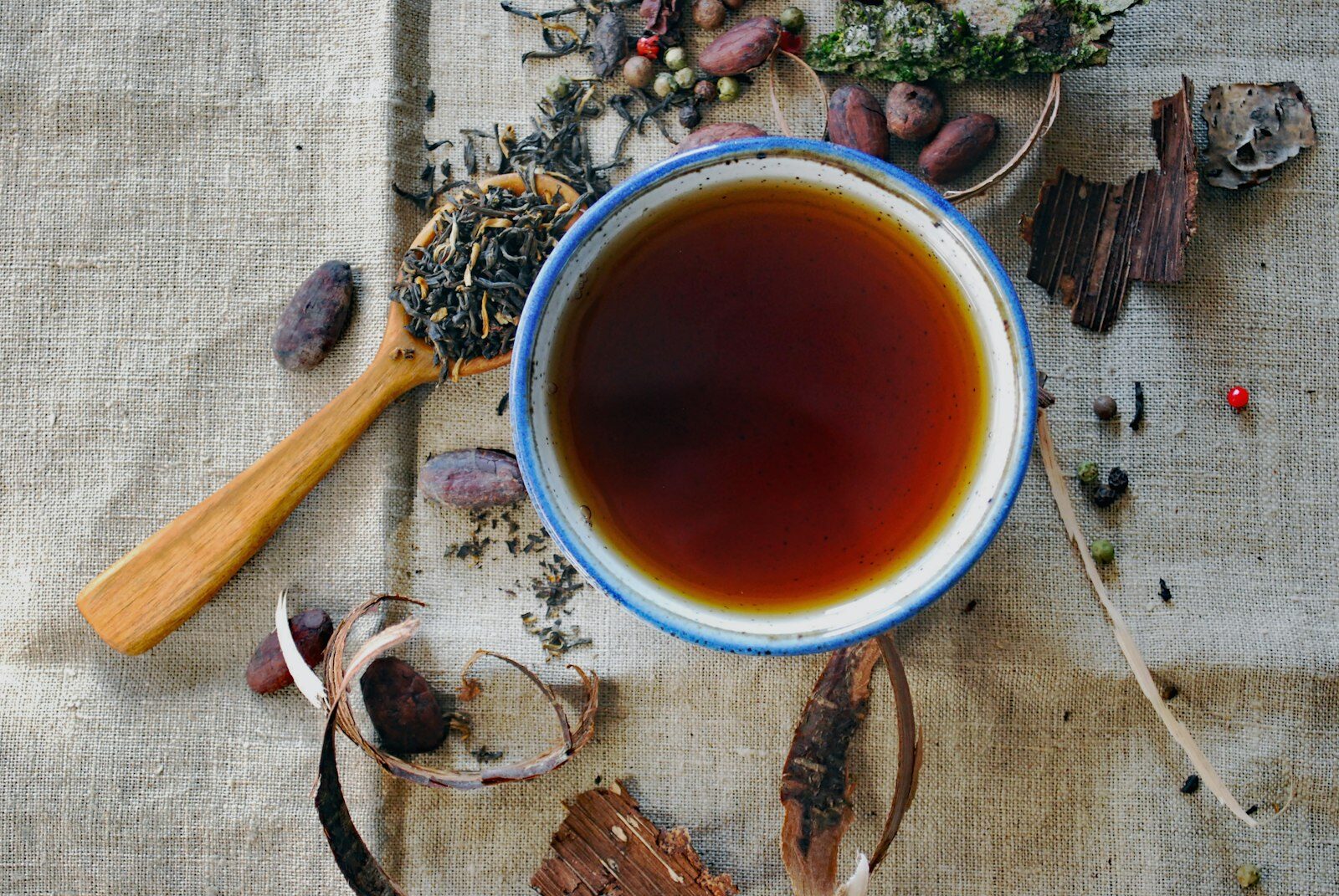
A Post-Forest Nourishing Drink: After your bath, continue the cooling effect. Make a tea with 5-6 goji berries (Gou Qi Zi) and a pinch of dried chrysanthemum in hot water. Goji berries nourish the Yin and Blood, while chrysanthemum clears heat. It’s a classic combination for summer eyes and spirit.
Choosing Your Forest: Not All Woods Are Created Equal
The type of forest matters for your intention. Use this guide to choose your ideal setting.
| Forest Type | TCM Quality & Best For | Ideal Time | Key Sensory Experience |
|---|---|---|---|
| Coniferous (Pine, Fir, Cedar) | Yang within Yin. Strong, cleansing qi. Excellent for boosting immunity (Wei Qi) and clearing mental fog. The sharp scent is uplifting. | Early Morning | The sharp, clean scent of pine resin; the sound of wind through needles. |
| Broadleaf Deciduous (Oak, Maple, Beech) | Deep Yin. Gentle, nourishing, and deeply calming. The dense canopy creates profound shade. Best for calming anxiety and cooling excess heat. | Late Afternoon | The dappled light, the rustle of broad leaves, the cool, damp earth. |
| Mixed with Undergrowth (Ferns, Moss) | Yin with Moisture. The most cooling of all. The presence of ferns and moss indicates a high moisture level, which is deeply Yin. Perfect for someone who feels very hot, dry, or irritable. | After a Light Rain | The smell of petrichor (rain on dry earth), the sight of vibrant green moss, the feeling of humid air. |
| Near Flowing Water | Dynamic Yin. The sound and energy of moving water is powerfully calming to the Heart and Shen. It helps “wash away” mental agitation. | Any Cool Time | The constant sound of water, the cooler air temperature, the negative ions. |
Common Questions
Can I practice summer forest bathing if I live in a city without a forest?
Absolutely. The principle is about connecting with the most Yin, green, growing space available to you. A large, well-treed park, a botanical garden, or even a quiet courtyard with old trees and some grass can work. The key is to find a spot with a dense canopy, ideally near some water, and to apply the same slow, sensory immersion. Even 15 minutes under a single, large, healthy tree on your lunch break can make a meaningful difference.
What if I have allergies? Won’t being in the forest make me miserable?
This is a valid concern. In TCM, severe allergies often point to an underlying imbalance in the Lung and Defensive Qi systems. The forest’s phytoncides may actually help modulate the immune response over time. However, start slowly. Choose a time when pollen counts are lower (early morning is often best), and consider starting with a coniferous forest, which may be less allergenic for some than flowering broadleaf trees. You can also do a shorter “taste” of 10-15 minutes and see how you feel. Always have any necessary medication with you.
How often should I do this to see benefits?
Consistency is more important than duration. One epic three-hour session once a summer is less beneficial than 20-30 minutes once a week. Think of it as a regular “qi tune-up” for the season. If you can manage twice a week during the hottest months (June, July, August in the Northern Hemisphere), you’ll likely notice a significant reduction in feelings of irritability, heat, and fatigue. It’s like watering a garden—regular, gentle soaking is better than a rare flood.
The bottom line: Summer forest bathing, the TCM way, is a powerful, specific practice of seeking out the forest’s deep Yin energy to cool our bodies, calm our minds, and nourish our spirits during the season of Fire. By choosing the right time, the right place, and engaging all our senses slowly and deliberately, we transform a simple walk into a profound act of seasonal medicine. It’s not an escape from summer, but a way to move through it with grace and balance.
This article is for educational purposes and reflects traditional wellness perspectives. It is not a substitute for professional medical advice, diagnosis, or treatment.