This article contains affiliate links. We may earn a commission if you buy through these links at no extra cost to you.
Why You Wake Up at 3 AM (A TCM Perspective)
In this article: If you wake up at the same time every night, your body is sending you a message. Here’s what TCM says about those 3 AM awakenings — and how to fix them.
The 3 AM Club
You know the routine. You fall asleep fine. Then, like clockwork, you wake up at 3 AM. You check your phone. 3:07. You try to fall back asleep. Your mind starts racing. You check again. 3:24. Eventually, you drift off around 4:30, only to be dragged awake by your alarm at 6.
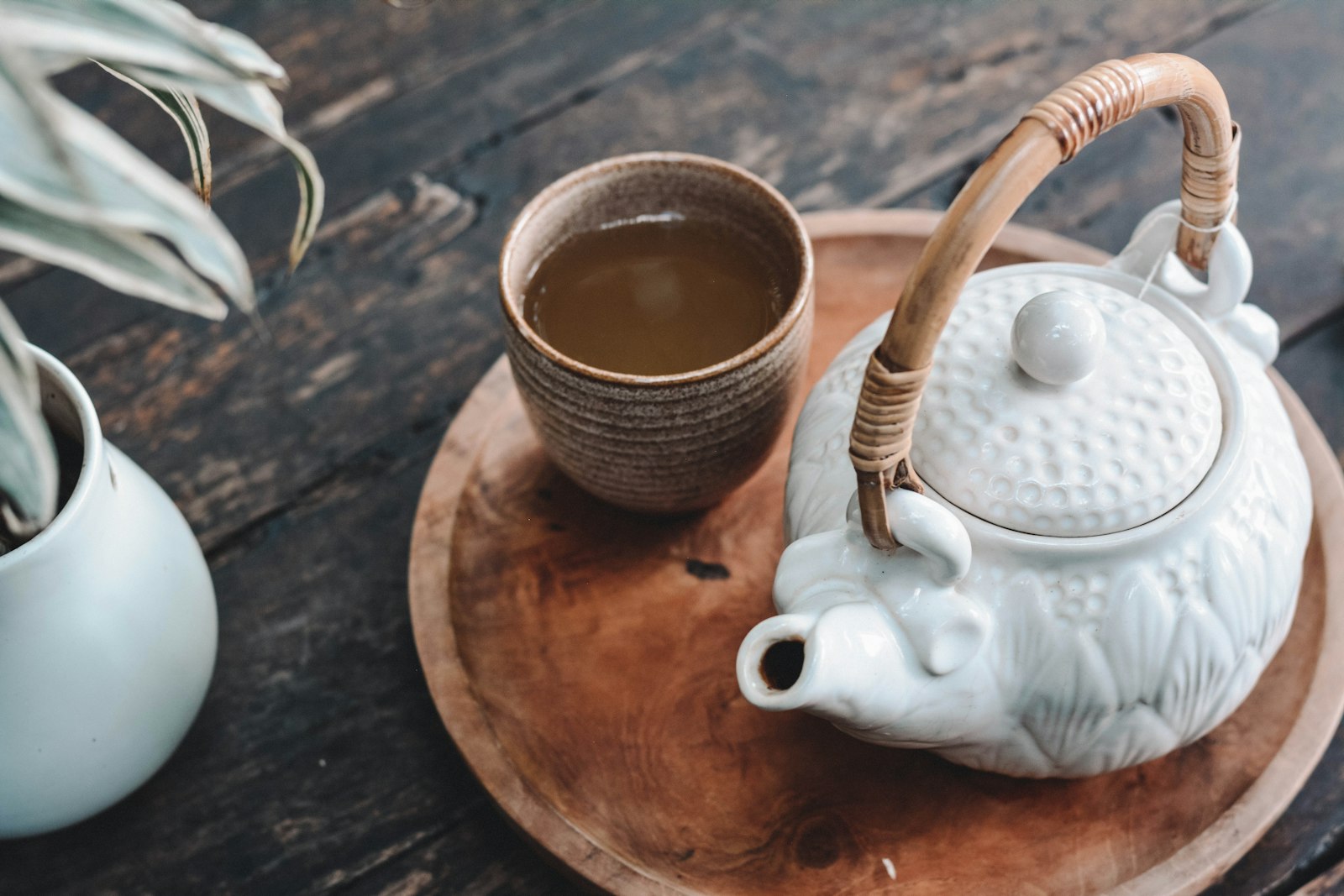
Sound familiar? You’re not alone. Middle-of-the-night insomnia is one of the most common sleep complaints, and it’s often the hardest to fix.
Western medicine says it’s “stress” or “anxiety.” TCM has a more specific diagnosis — and a more specific solution.
The Chinese Body Clock
In TCM, your body operates on a 24-hour organ clock called zi wu liu zhu (子午流注). Each 2-hour window is governed by a different organ system.
The critical window for 3 AM wakers:
| Time | Organ | Function |
|---|---|---|
| 1-3 AM | Liver | Detoxification, blood storage, emotional regulation |
| 3-5 AM | Lungs | Breathing, skin repair, immune function |
Most people who wake at 3 AM are caught between both — the liver hasn’t finished its work, and the lungs are starting theirs.
The Liver’s Night Job
The liver in TCM isn’t just an organ — it’s a system responsible for:
The liver’s peak activity is 1-3 AM. This is when it’s supposed to:
But it can only do this if you’re asleep.
If you’re awake — even partially — the blood stays in your muscles and brain. The liver misses its window. And it “wakes you up” to signal that something is wrong.
Why Your Liver Is Waking You Up
Cause 1: Liver Qi Stagnation
What it is: Your liver qi isn’t flowing smoothly — it’s stuck.
Why it happens:
Signs:
What to do:
Cause 2: Liver Blood Deficiency
What it is: Your liver doesn’t have enough blood to store and cleanse.
Why it happens:
Signs:
What to do:
Cause 3: Liver Fire
What it is: Excess heat in the liver — like a fire burning too hot.
Why it happens:
Signs:
What to do:
The Lung Connection (3-5 AM)
If you consistently wake between 3-5 AM, the lungs are involved.
The lungs in TCM govern:
Why you wake at this time:
Signs:
What to do:
Practical Solutions
Immediate (Tonight)
Short-Term (This Week)
Long-Term (This Month)
What If You Wake Up and Can’t Go Back to Sleep?
Don’t Check Your Phone
The blue light suppresses melatonin. The content stimulates your mind. Both make it harder to fall back asleep.Press An Mian Point
Behind your ear, in the soft depression. Press for 2-3 minutes. This is the “peaceful sleep” point — it’s designed for exactly this situation.Do a Body Scan
Starting from your toes, slowly relax each part of your body up to your head. This activates the parasympathetic nervous system.Get Up If You’re Still Awake After 20 Minutes
If you’re lying there frustrated, get up. Do something boring in dim light. Return to bed when you feel sleepy.The TCM Perspective
In TCM, waking at the same time every night is never random. It’s your body sending a specific message about a specific organ system.
The 3 AM awakening is your liver saying: “I need help. You’re not giving me what I need to do my job.”
The solution isn’t a sleeping pill — it’s addressing the root cause:
When the liver is happy, it lets you sleep through the night.
The Bottom Line
Waking up at 3 AM isn’t random insomnia — it’s a specific message from your liver. In TCM, the 1-3 AM window is when the liver does its most critical work: cleansing blood, processing emotions, and storing reserves.
If you’re awake during this window, your liver is struggling. The fix isn’t more sleeping pills — it’s supporting the liver through:
Listen to what your body is telling you. The 3 AM wake-up call is a gift — it’s showing you exactly what needs to change.
Related Articles
This article shares traditional wellness knowledge from a Chinese cultural perspective. It’s educational, not medical advice — for any health condition, please consult a qualified professional.
- Filter and cleanse your blood
- Process emotions from the day
- Store blood for the next day
- Chronic stress
- Suppressed emotions (especially anger or frustration)
- Sedentary lifestyle
- Irregular eating habits
- Waking between 1-3 AM
- Irritability during the day
- Tight shoulders and neck
- Sighing frequently
- Feeling “stuck” in life
- Exercise regularly (especially stretching)
- Express emotions constructively
- Avoid alcohol (it directly taxes the liver)
- Press Tai Chong (LV3) acupressure point
- Poor diet
- Chronic illness
- Blood loss (menstruation, surgery)
- Overwork without rest
- Waking between 1-3 AM
- Pale face and lips
- Dizziness
- Blurred vision
- Pale tongue
- Nourish blood foods (red dates, longan, goji berries)
- Rest more
- Jujube tea before bed
- Acupressure at San Yin Jiao (SP6)
- Excessive alcohol
- Spicy, greasy food
- Chronic anger or frustration
- Late nights
- Waking between 1-3 AM with a racing mind
- Red face and eyes
- Headaches (especially temples)
- Bitter taste in mouth
- Red tongue with yellow coating
- Cool the liver (chrysanthemum tea, mung bean)
- Avoid alcohol and spicy food
- Go to bed before 11 PM
- Press Tai Chong (LV3) to move stagnation
- Breathing — obviously
- Skin — the first line of defense
- Immune function — protecting against pathogens
- Grief and sadness — the lung’s emotion
- Lung qi deficiency (shallow breathing)
- Unprocessed grief or sadness
- Allergies or respiratory issues
- Skin problems (eczema, dryness)
- Waking at 3-5 AM
- Shallow breathing
- Catching colds frequently
- Skin issues
- Sadness or grief
- Deep breathing exercises (4-7-8 technique)
- Moisturize your bedroom air (humidifier)
- White onion or pear soup (lung-nourishing foods)
- Process grief through journaling or therapy
- Move your qi (exercise, emotional expression)
- Nourish your blood (proper food, adequate rest)
- Cool the heat (avoid alcohol, spicy food, late nights)
- Sleep on time (before 11 PM, when the liver starts its shift)
- Earlier bedtime (before 11 PM)
- Lighter dinners (earlier, less heavy)
- Stress reduction (exercise, emotional expression)
- Liver-supporting foods (goji berries, chrysanthemum tea)
- The Chinese Body Clock and Sleep: A Complete Guide — The full 24-hour organ clock
- Why TCM Says Sleep Before 11 PM Matters — The foundation of TCM sleep wisdom
- Acupressure Points for Insomnia — Press points to support your liver
- Blood storage — during sleep, blood returns to the liver for “cleansing”
- Smooth flow of qi — emotional regulation, stress management
- Detoxification — processing everything you consumed that day
- Planning and strategy — the liver governs your ability to plan ahead
- Press Tai Chong (LV3): On your foot, between the big toe and second toe, about 1 inch back. Press for 2-3 minutes before bed.
- Drink longan tea: Nourishes heart blood and calms the shen.
- Set your room temperature to 65-68°F (18-20°C): Too warm disrupts the liver’s cooling process.
- Eat dinner by 7 PM: Give your liver time to process food before its peak activity window.
- Avoid alcohol: It directly taxes the liver and disrupts the 1-3 AM window.
- Go to bed by 11 PM: The liver needs you asleep by its peak time.
- Address chronic stress: Liver qi stagnation is almost always stress-related.
- Nourish your blood: Eat blood-building foods regularly (red dates, longan, goji berries).
- Move your body: Exercise moves liver qi. Even 20 minutes of walking helps.
This article is for informational purposes only. It’s not medical advice — for any health condition, please consult a qualified healthcare provider.