The first winter I spent in Beijing, studying under a practitioner near the Temple of Heaven, I was struck by the silence. The city, usually a cacophony of horns and chatter, seemed to hold its breath. My teacher, Mr. Li, would meet me in a small, frost-rimmed courtyard before dawn. “In winter,” he’d say, adjusting my posture, “we don’t fight the cold. We borrow its stillness.” This was my introduction to the concept of Winter Tai Chi Practice—a practice not of vigorous exertion, but of deep, quiet cultivation. It’s a philosophy that runs counter to the modern impulse to hibernate or push through with sheer willpower. Instead, it invites us to align our movements with the season’s energy: inward, reflective, and conserving. This article will guide you through a gentle, warming Tai Chi flow designed specifically for cold, dark days, helping you build what Traditional Chinese Medicine (TCM) calls Qi—your vital life force—when the world outside is dormant.
The Philosophy: Why Winter Demands a Different Kind of Movement
In the framework of TCM, winter is the season of the Kidney organ system, which is considered the root of Yin and Yang in the body. The Huangdi Neijing (Yellow Emperor’s Classic of Internal Medicine), the foundational text of TCM written over 2,000 years ago, advises: “In the three months of winter, called ‘closing and storing,’… one should go to rest early and rise late, waiting for the sun.” This isn’t laziness; it’s strategic preservation. The Kidneys store our deepest reserves of energy (Jing), which are like a savings account for the entire year. Aggressive, sweat-inducing exercise in winter can be seen as making large, unnecessary withdrawals from that account.
Winter Tai Chi practice, therefore, is about making small, wise deposits. The movements are slow, continuous, and low to the ground, generating internal warmth (Yang) without depleting Yin fluids. A 2021 study in the Journal of Traditional Chinese Medical Sciences noted that Tai Chi practitioners showed improved markers of immune function and reduced inflammatory responses, which is particularly relevant during cold and flu season. The practice becomes a form of moving meditation, warming the body from the inside out and cultivating a calm, resilient spirit to match the season.
“The Tai Chi classics say: ‘In motion, the whole body should be light and agile, with all parts connected.’ In winter, we add: ‘…and warmed by the breath of intention.’”
Preparing Your Space and Body: The 5-Minute Winter Warm-Up
Never start a winter practice cold. My teacher in Beijing would have me rub my hands together vigorously until they were hot, then press them over my kidneys (the area on your lower back, just above the waistband). This simple act, called “Warming the Gate of Vitality” (Mingmen), is a powerful signal to your body. Here is your pre-practice checklist:
- Environment: Practice indoors, where you can control the temperature. A space of 6×6 feet is sufficient. Remove clutter; a clear space promotes a clear mind.
- Clothing: Wear layers of loose, natural fiber clothing (cotton, wool). A scarf around your neck is highly recommended to protect the Dazhui (GV14) acupuncture point, where all Yang meridians meet, from cold invasion.
- Warm-Up (3-5 minutes):
- Foot Rolling: Stand, feet hip-width apart. Slowly shift weight to the balls of your feet, then to your heels. Repeat 10 times. This stimulates the Kidney meridian, which begins at the sole of the foot.
- Spinal Waves: Stand with knees slightly bent. Initiate a gentle, wave-like motion from your tailbone, letting it ripple up through your spine to your head. Imagine you are a seaweed plant swaying in a warm current. Do 8-10 waves.
- Arm Circles: With arms relaxed, make small, slow circles forward for 30 seconds, then backward. Focus on the sensation of warmth building in your shoulder joints.
The Gentle Winter Flow: A 15-Minute Tai Chi Sequence
This sequence draws from the Yang-style Tai Chi tradition, known for its soft, flowing movements. Perform each posture for 1-2 minutes, moving with your breath. Inhale as you prepare or gather energy; exhale as you execute the movement or extend. The goal is not perfection of form, but continuity of flow and awareness.
1. Commencement (Qi Shi): Stand with feet together, arms at your sides. Slowly raise your arms forward to shoulder height (inhale), then gently lower them while bending your knees slightly (exhale). Repeat 3 times. This gathers your scattered Qi to your center (Dantian).
2. Parting the Horse’s Mane (Ye Ma Fen Zong): Step left foot out to shoulder width. Shift weight to left leg, sinking your hip. As you shift, your left arm circles up in front of you (palm facing you) and your right arm circles down to your side. Imagine you are gently parting the mane of a calm horse. Alternate sides. This movement promotes lateral flexibility and stimulates the Liver meridian, which can become stagnant in winter’s inactivity.
3. White Crane Spreads Wings (Bai He Liang Chi): From a centered stance, shift weight to your right leg. Your right arm floats up diagonally in front of you (palm facing outward), while your left hand settles near your right hip. This posture opens the chest and encourages deep, diaphragmatic breathing, which is vital for Lung Qi in the dry winter air.
4. Brush Knee and Twist Step (Lou Xi Ao Bu): A slightly more dynamic movement. As you step forward with your left foot, your right hand pushes forward (as if brushing something off your left knee) while your left hand sweeps back. This coordinates upper and lower body, building core warmth and stability. It’s a classic “storing and releasing” energy move.
5. Closing Form (Shou Shi): Return to a centered stance. Bring your hands back to your Dantian (lower abdomen), left hand over right for men, right over left for women (though either is fine). Stand quietly for 30 seconds, feeling the warmth and stillness you’ve cultivated. This seals the practice and returns the Qi to storage.

Deep Dive: Understanding “Jing” – Your Winter Energy Reserve
I mentioned Jing earlier, and it’s crucial to understand for a meaningful winter practice. In TCM, Jing (精) is often translated as “Essence.” Think of it as your body’s most fundamental, dense energy, like the battery that powers your entire life. It’s inherited from your parents and supplemented by the food you eat and the air you breathe. The Kidneys are the home of this Jing. Winter, being the Kidney’s season, is the most important time to conserve and nourish it.
How does Tai Chi help? By moving slowly and with intention, you are not burning through your Jing reserves with high-intensity stress. Instead, you are improving the circulation of Qi and Blood, which helps deliver nourishment to the Kidneys and clear out metabolic waste. A 2018 randomized controlled trial published in Gerontology found that long-term Tai Chi practitioners had significantly better telomere length (a biomarker of cellular aging) than sedentary controls, suggesting a protective effect on our fundamental vitality—a concept that resonates deeply with the TCM idea of preserving Jing.
Signs your Jing may be depleted: Feeling chronically cold, especially in the lower back and knees; frequent urination at night; low back soreness; fatigue that sleep doesn’t fix; premature graying or hair loss. If these resonate, a gentle winter practice is especially valuable for you.
Nourishing Your Practice: Winter Foods and Teas for Kidney Qi
Movement alone is not enough. In TCM, we say, “Qi is the commander of Blood, and Blood is the mother of Qi.” You need to fuel your practice with warming, Kidney-nourishing foods. My grandmother, a home cook from Guangdong, would make a simple black bean and pork bone soup every week in winter. She called it “warming the roots.” Here are specific, actionable recommendations:
| Food/Drink | TCM Property | How to Prepare & Consume | Why It Works for Winter Tai Chi |
|---|---|---|---|
| Black Beans (Hei Dou) | Neutral, sweet. Tonifies Kidney Qi and Yin. | Soak 1 cup overnight. Simmer with 6 cups water, 2 slices ginger, 1 pork bone (optional) for 2 hours. Eat beans and broth. | Directly nourishes the organ system you’re working with. The protein supports muscle recovery. |
| Walnuts (Hu Tao Ren) | Warm, sweet. Warms the Kidneys and helps with lower back pain. | Eat 5-8 raw walnuts daily as a snack. Or, add to morning oatmeal. | Provides healthy fats and sustained energy for a morning practice. |
| Goji Berries (Gou Qi Zi) | Neutral, sweet. Nourishes Kidney Yin and Liver Blood. | Add 1 tablespoon to hot water to make a tea, or sprinkle on soups after cooking. | Supports eye health (important in dark winters) and adds antioxidants. |
| Black Sesame Seeds | Neutral, sweet. Tonifies Liver and Kidney, nourishes Yin and Blood. | Toast lightly and grind. Add 1 tsp to porridge or yogurt. Or, make a paste with honey. | Rich in calcium and magnesium, supporting bone and muscle health. |
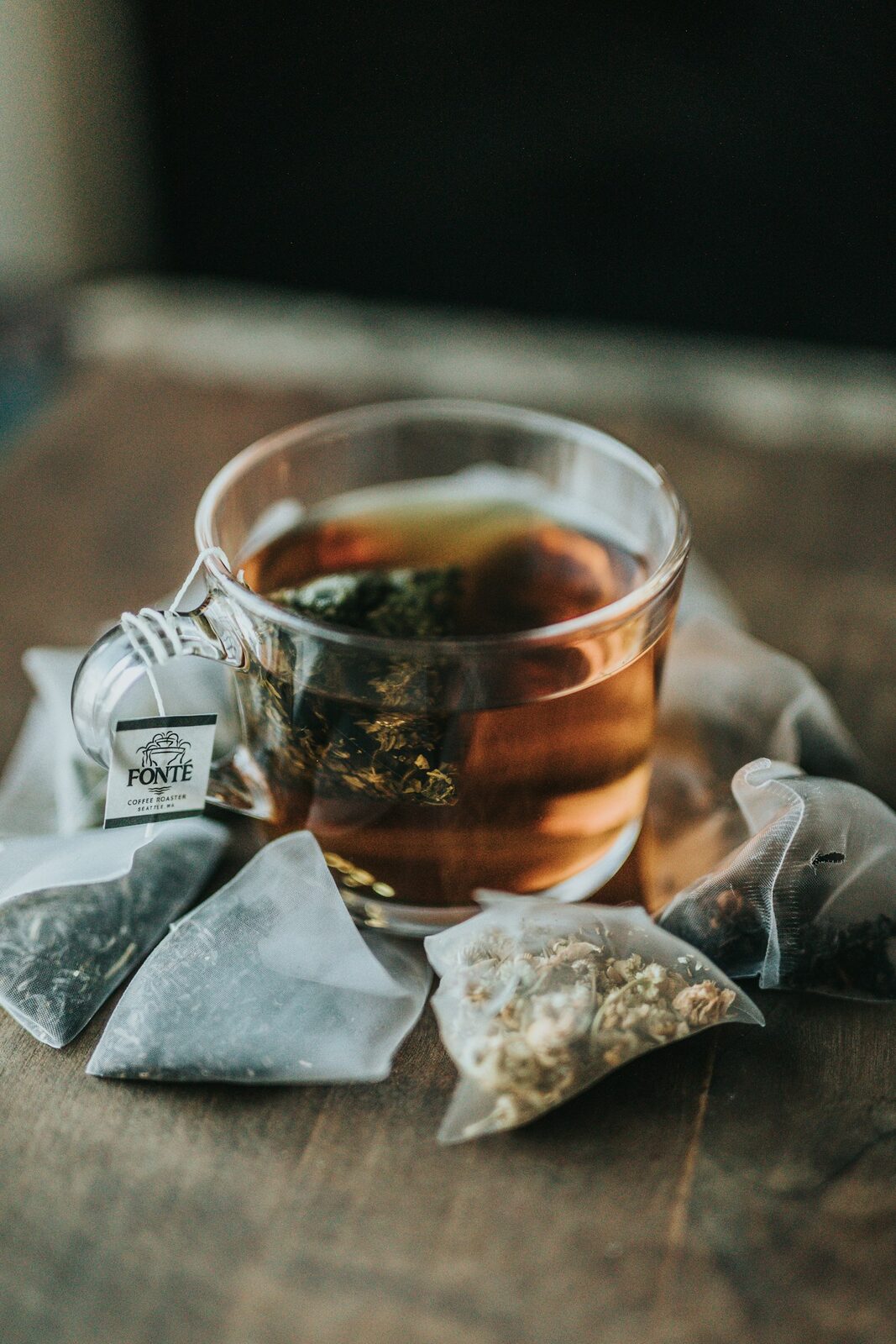
| Ginger & Jujube Tea | Both warm. Ginger warms the middle; Jujube tonifies Qi. | Slice 3 pieces of fresh ginger and pit 3 dried jujubes. Simmer in 2 cups water for 15 min. Strain and drink warm before practice. | Warms the digestive system (Spleen Qi), ensuring you can absorb nutrients from your food. |
Timing Matters: The best time for a Kidney-nourishing practice is between 5-7 PM (the Kidney meridian’s peak time according to the TCM organ clock). A warm, light meal like the black bean soup should be eaten at least 1 hour before practice. Have your ginger tea 30 minutes before.
Common Questions
Is it okay to practice Tai Chi outdoors in winter?
It can be, with extreme caution. The ideal is a sheltered, sunny spot around midday when Yang energy is strongest. Avoid windy conditions, as wind is considered a primary pathogen in TCM that can invade the body and cause pain and stiffness. Always dress in layers, covering your neck, wrists, and ankles. If you start to feel chilled, stop immediately. For most people, a consistent indoor practice is safer and more beneficial during deep winter.
I’m a complete beginner. Is this winter flow too advanced for me?
Not at all. The essence of this practice is gentle movement and breath awareness. You can simplify every posture. For example, in “Parting the Horse’s Mane,” you can keep your feet hip-width apart instead of stepping, and just focus on the arm movements. The goal is to feel warmth and calm, not to achieve a perfect form. Start with just the 5-minute warm-up and the Commencement and Closing forms. Add one new posture each week. Listen to your body—it is your best teacher.
Can Tai Chi really help with feeling cold all the time in winter?
Yes, it may help significantly. From a TCM perspective, feeling cold often indicates a deficiency of Yang Qi or an invasion of Cold pathogen. The slow, deliberate movements of Tai Chi generate “internal heat” (Yang) without causing sweating that depletes Yin. It improves circulation, ensuring warm blood reaches your extremities. A study in the Journal of Aging and Physical Activity (2015) found that Tai Chi practitioners had improved peripheral circulation. Combined with the dietary advice above to warm the Kidneys, this practice addresses the root of the issue.
Recommended Resources
- Book: The Harvard Medical School Guide to Tai Chi by Peter M. Wayne, PhD. A great bridge between Eastern practice and Western science.
- Online Course: “Tai Chi Fundamentals” by a certified instructor. Look for one who emphasizes internal principles over martial application.
- Tool: A simple meditation cushion (zafu) to sit on for post-practice quiet sitting, enhancing the meditative aspect.
The bottom line: Winter Tai Chi practice is a profound act of self-care aligned with nature’s rhythms. By moving slowly, breathing deeply, and nourishing your Kidney Qi with specific foods, you are not just exercising—you are cultivating your deepest reserves of vitality (Jing) and building a quiet, resilient strength that will carry you through the season and into the vibrant energy of spring.
About the Author
Yu Xi Zhang grew up in a Chinese household where traditional wellness practices were part of daily life. With over 15 years of study under licensed TCM practitioners in Beijing and Chengdu, and a certification in TCM nutrition from the Beijing University of Chinese Medicine, she bridges Eastern wisdom with Western wellness in practical, actionable ways. Her writing draws from classical texts like the Huangdi Neijing and modern research to help readers live healthier, more balanced lives.
This article is for educational purposes and reflects traditional wellness perspectives. It is not a substitute for professional medical advice, diagnosis, or treatment.