The air changes first. You feel it on an early morning walk—a crispness that wasn’t there a week ago, a certain clarity in the light. The leaves begin their slow, stunning surrender, painting the world in gold and crimson before letting go. Autumn is here, and with it comes a profound shift not just in the landscape, but within our own bodies and spirits. In Traditional Chinese Medicine (TCM), this isn’t just a poetic observation; it’s a physiological and emotional reality. The season is governed by the Lung and Large Intestine organ systems, whose primary emotional themes are grief and letting go. If you’ve felt a subtle heaviness, a touch of melancholy, or a deep need to release old baggage as the days shorten, you’re not alone. You’re experiencing autumn’s emotional invitation. This article explores how to understand and work with this energy, using TCM’s framework of “grief release” to ease the season’s heaviness and find a deeper sense of peace.
The Metal Element: Autumn’s Energetic Blueprint
In TCM’s Five Element theory, autumn corresponds to the Metal element. Metal is about refinement, precision, and value—think of a precious ore extracted from rock, or the sharp, clear quality of the autumn air. Its associated organs are the Lung (Yin) and the Large Intestine (Yang). This pairing is deeply insightful: the Lung governs the intake of pure Qi (vital energy) from the air, while the Large Intestine governs the elimination of waste. Together, they form the body’s primary system for discernment—taking in what is nourishing and releasing what is no longer needed.
The emotion tied to Metal is grief and sadness. This isn’t necessarily about catastrophic loss. It’s the natural, poignant sadness that arises with endings, with the recognition of impermanence. A healthy Metal element allows us to feel this sadness, process it, and ultimately let go, much like the trees release their leaves. An imbalanced Metal element, however, can manifest as unresolved grief, chronic sadness, or conversely, an inability to let go of anything—be it possessions, relationships, or old hurts. The Huangdi Neijing (Yellow Emperor’s Classic of Internal Medicine), the foundational text of TCM, states: “The Lung is the minister and chancellor; it regulates the rhythm of the whole body.” When its rhythm is disrupted by unprocessed grief, the entire system feels the strain.
“Autumn is the season of harvesting and gathering. The weather turns cool, and the vital energy begins to congeal… One should retire early and rise early, to accord with the peaceful balance of the autumn.”
— Huangdi Neijing, Chapter 2
Why Autumn Grief Isn’t a Problem—It’s a Process
My grandmother had a ritual every autumn. On the first truly cold morning, she would open all the windows in our Beijing apartment, letting the bracing air sweep through. “We are letting the old Qi out,” she’d say, “making space for the new.” It was her way of teaching me that autumn’s energy isn’t something to fight, but to partner with. The heaviness we feel isn’t a sign that something is wrong with us; it’s a signal that our body is in sync with the season, prompting us to review and release.
Modern research offers a parallel understanding. A 2015 study in the journal Frontiers in Psychology explored the concept of “seasonal affective reactivity,” noting that many individuals experience predictable shifts in mood and energy with the seasons, independent of full-blown Seasonal Affective Disorder (SAD). The study suggests these shifts may be linked to changes in circadian rhythms and neurotransmitter activity. TCM saw this connection millennia ago, framing it not as a dysfunction, but as a natural rhythm to be harmonized with. The goal isn’t to eliminate the feeling of autumn sadness, but to support the body’s process of moving through it gracefully.
Signs Your Metal Element Needs Support
How do you know if your autumn grief is flowing healthily or getting stuck? The body provides clear signals through the lens of TCM. Pay attention to these common manifestations of a Metal element imbalance:
- Physical: Frequent colds or respiratory issues in autumn, dry skin, constipation, a feeling of tightness in the chest, or a weak voice.
- Emotional: A lingering sadness that feels disproportionate to circumstances, difficulty crying or an inability to stop crying, excessive nostalgia, or a critical, perfectionist mindset turned inward.
- Behavioral: Hoarding (of objects or emotions), an inability to forgive, or a compulsive need for order that feels rigid rather than peaceful.
During my studies in Chengdu, my teacher, Dr. Li, would often point out that patients with chronic respiratory issues in the fall almost always had a story of unresolved loss they hadn’t fully processed. “We treat the cough with herbs,” he’d say, “but we heal the Lung with conversation and time.” This holistic view—seeing the physical symptom as a messenger for an emotional need—is central to TCM’s approach.

Nourishing the Lung & Large Intestine: Foods for Autumn Release
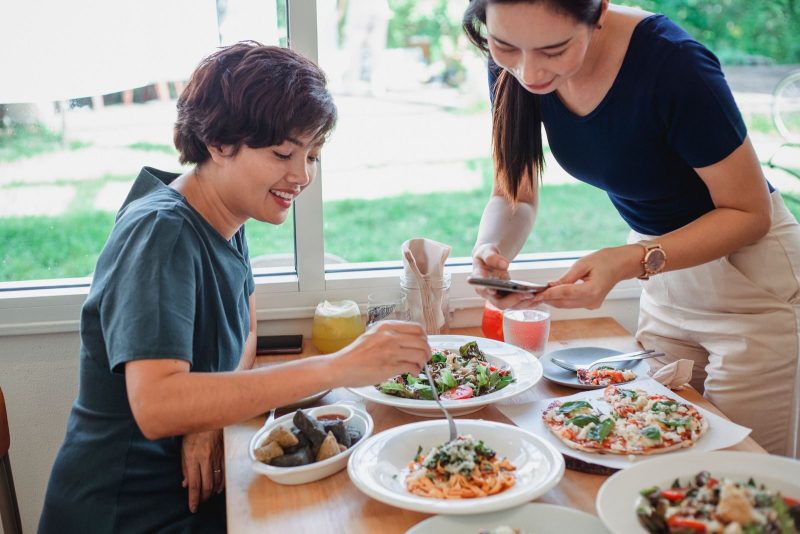
The first and most powerful way to support your Metal element is through your diet. Autumn calls for foods that are moistening, white in color, and slightly pungent. White corresponds to the Metal element in TCM, and pungent flavors (like ginger, garlic, and onion) have a dispersing quality that helps circulate Qi and prevent stagnation, which can lead to grief. However, the pungent flavor must be used with care—too much can be dispersing and damaging. The key is balance.
Here is a concrete, actionable guide to eating for autumn’s emotional balance:
| Food Category | Specific Foods | Preparation & Purpose |
|---|---|---|
| Moistening & White | Pears (Bai Li), Daikon radish (Bai Luo Bo), White wood ear mushroom (Yin Er), Lotus root (Lian Ou), Lily bulb (Bai He) | Pear & Ginger Tea: Simmer 1 sliced pear with 3 slices of ginger and 1 tsp honey for 15 min. Soothes dry coughs and emotional heaviness. |
| Slightly Pungent | Fresh ginger (Sheng Jiang), Garlic (Da Suan), Scallions (Cong Bai), Cinnamon (Rou Gui) | Add 2-3 slices of ginger to morning oatmeal or soups. Use in moderation to move Qi without causing heat. |
| Root Vegetables | Sweet potato (Shan Yu), Carrots (Hu Luo Bo), Beets (Tian Cai) | Roasted Root Medley: Toss with olive oil, rosemary, and a pinch of salt. Roast at 400°F for 25 min. Grounding and nourishing. |
| Warming Soups | Bone broth, miso soup, congee (rice porridge) | Simple Congee: Simmer 1 cup rice in 8 cups water with 5 slices ginger for 1-2 hours. Top with scallions and a drop of sesame oil. |
A classic formula from the Shennong Bencao Jing (The Divine Farmer’s Classic of Materia Medica) highlights the pear as a supreme food for the Lung, noting its ability to “moisten dryness and resolve phlegm.” For a more therapeutic effect, try Steamed Pear with Fritillaria Bulb (Chuan Bei): Core a pear, add 3 grams of Chuan Bei powder and a teaspoon of honey, steam for 30 minutes, and eat the flesh and liquid. This is a time-honored remedy for dry autumn coughs and the feeling of a “scratchy” throat that often accompanies emotional sensitivity.
Movement & Breath: Practices to Circulate Grief
Grief, in TCM, is considered a “constricting” emotion. It tightens the chest, shortens the breath, and can make Qi feel stuck. The antidote is gentle movement and conscious breathing that expand and open the Lung channel, which runs from the chest down the inner arm to the thumb.
1. The “Letting Go” Breath (5 Minutes Daily):
Sit or stand comfortably. Place your hands on your lower abdomen. Inhale slowly through your nose for a count of 4, feeling your belly expand. Hold for a count of 2. Exhale slowly and completely through your mouth for a count of 6, making a soft “haaaa” sound as you gently contract your abdomen to push all the air out. Visualize releasing a gray mist of sadness or tension with each exhale. Repeat 10 times. This practice directly stimulates the diaphragm and Lung Qi.
2. Gentle Arm Stretches for the Lung Channel:
Stand with feet shoulder-width apart. Inhale and raise your arms out to the sides and overhead, palms facing each other. Exhale and slowly lower your arms back down, keeping them straight, as if pressing down on two large balloons. As you lower them, focus on the sensation along the inner arms and chest. Repeat 8-10 times. This simple movement opens the chest and encourages Qi flow along the Lung meridian.
3. Walking in Nature with Intention:
The Metal element is refined by the crisp autumn air. Make time for a 20-minute walk 3 times this week, preferably in the morning. As you walk, practice a simple mindfulness: with each inhale, think “I receive clarity.” With each exhale, think “I release heaviness.” This combines the benefits of gentle exercise, fresh air, and meditative focus.
Herbal Allies for the Season
When diet and lifestyle need a little extra support, specific herbs can be powerful allies. These are traditionally used to moisten the Lung, calm the spirit, and support the “letting go” process. Always consult with a qualified TCM practitioner or healthcare provider before starting any new herbal regimen, especially if you are pregnant, nursing, or on medication.
- Astragalus Root (Huang Qi): A premier Qi-tonifying herb. It strengthens the Lung’s defensive Qi (Wei Qi), helping to prevent the colds that often accompany emotional vulnerability in autumn. Use in soups: add 10-15 grams of dried slices to a chicken or vegetable broth and simmer for 1 hour.
- Lily Bulb (Bai He): Specifically used to moisten the Lung and calm the spirit. It’s indicated for a dry cough with scanty phlegm and emotional restlessness. Steep 10 grams of dried lily bulb in hot water for 10 minutes for a simple, soothing tea.
- Schisandra Berry (Wu Wei Zi): Known as the “five-flavor berry,” it has a unique astringent quality that helps “contain” Lung Qi and prevent its dissipation through excessive sighing or grief. It’s often found in formulas for calming the mind. A small amount (2-3 grams) can be added to teas.
A 2019 review in the Journal of Ethnopharmacology highlighted the immunomodulatory and anti-inflammatory properties of Astragalus membranaceus, providing a scientific basis for its traditional use in strengthening respiratory defenses. For a classic, gentle formula, look for “Bai He Gu Jin Tang” (Lily Bulb Decoction to Preserve the Metal), which has been used for centuries for dry lungs and melancholy.
Creating a Ritual of Release
Rituals give form to our inner processes. Creating a simple, personal ritual of release can be profoundly helpful in moving through autumn’s emotional landscape. Here is a step-by-step guide you can adapt:
- Step 1: Acknowledge (5 min). Find a quiet moment. Take a piece of paper and write down what you are ready to release. It could be a specific worry, a past hurt, a self-critical thought, or even a physical clutter. Be specific.
- Step 2: Honor & Release (5 min). Hold the paper. Take three deep breaths. Acknowledge that this thing served a purpose or taught you something, even if that lesson is simply “I don’t want this anymore.” Then, safely burn the paper in a fireproof bowl or tear it into tiny pieces and scatter it in running water (or the trash).
- Step 3: Replace with Intention (5 min). On a new piece of paper, write one quality you wish to cultivate in its place—e.g., “I release self-doubt and welcome confidence.” Place this new paper somewhere you’ll see it daily.
This practice externalizes the internal process, making the abstract concept of “letting go” tangible and real. It’s a modern echo of ancient autumn ceremonies of harvest and gratitude, where communities would gather to give thanks for the year’s bounty and symbolically release the old to make way for the new.
Common Questions
Is feeling sad in autumn the same as depression?
Not necessarily. TCM views seasonal sadness as a normal, rhythmic emotional shift tied to the environment. It’s typically mild, manageable, and often has a reflective, even meaningful quality. Clinical depression, however, is a persistent state characterized by profound hopelessness, loss of interest, and significant impairment in daily functioning that lasts for weeks or months regardless of season. If your sadness feels unmanageable, interferes with your work or relationships, or includes thoughts of self-harm, it is crucial to seek help from a mental health professional. TCM practices can be a wonderful complement to, but not a replacement for, professional mental healthcare.
Can children experience autumn grief?
Absolutely. Children are highly sensitive to environmental and familial energies. They may not have the words for it, but they can become more clingy, have slight changes in sleep or appetite, or seem more quiet and reflective in autumn. You can support them by maintaining comforting routines, incorporating the warming foods mentioned above into family meals, and spending time outdoors together. Simple breathing games, like blowing dandelion clocks or pretending to blow out birthday candles, can help them learn to release tension in a playful way.
How long should I follow these autumn practices?
Think of it as a seasonal tune-up. You can begin incorporating these dietary and lifestyle tips from the autumn equinox (around late September) and continue until the winter solstice (late December), when the energy shifts again to the Water element. However, the core practices of mindful breathing and gentle movement are beneficial year-round. Listen to your body—if the heaviness lifts and you feel balanced, you can ease up on the more specific herbal and dietary focuses, but keep the foundational habits.
The bottom line: Autumn’s invitation to grieve and let go is not a burden, but a vital part of our emotional and physiological cycle. By understanding the wisdom of the Metal element, nourishing ourselves with specific foods, engaging in gentle movement and breathwork, and creating simple rituals of release, we can move through this season not with resistance, but with grace. We honor our losses, make space for clarity, and prepare our spirits for the quiet introspection of winter. In doing so, we align with a rhythm far older and wiser than ourselves.
About the Author
Yu Xi Zhang grew up in a Chinese household where traditional wellness practices were part of daily life. With over 15 years of study under licensed TCM practitioners in Beijing and Chengdu, and a certification in TCM nutrition from the Beijing University of Chinese Medicine, she bridges Eastern wisdom with Western wellness in practical, actionable ways. Her writing draws from classical texts like the Huangdi Neijing and modern research to help readers live healthier, more balanced lives.
This article is for educational purposes and reflects traditional wellness perspectives. It is not a substitute for professional medical advice, diagnosis, or treatment.