Have you ever noticed that around mid-September, something shifts? The air carries a different weight. Your energy, which felt expansive and outward all summer, suddenly starts to pull inward. You might feel a subtle melancholy, a desire to organize your closet, or a sudden craving for warm, cooked foods instead of crisp salads. This isn’t just in your head—it’s in your qi. In Traditional Chinese Medicine (TCM), autumn marks the great pivot from the expansive, active yang energy of summer to the receptive, nourishing yin energy of winter. Understanding this “autumn yang yin shift” is one of the most practical things you can do to move through the season feeling grounded, healthy, and aligned.
The Cosmic Dance: What Yang and Yin Actually Mean in Your Body
Let’s clear up the biggest misconception first. Yang and yin are not about “good” or “bad.” They are not opposing forces in a battle. Think of them as the fundamental rhythm of the universe, expressed in your body. Yang is the energy of activity, warmth, expansion, and daylight. It’s the metabolism that heats you up, the drive that gets you out of bed, the social energy that makes you want to connect. Yin is the energy of rest, coolness, contraction, and nightfall. It’s the moisture that lubricates your joints, the deep sleep that repairs your cells, the quiet introspection that allows for insight.
The Huangdi Neijing (The Yellow Emperor’s Classic of Internal Medicine), the foundational text of TCM written over 2,000 years ago, puts it beautifully: “Yin and yang are the law of heaven and earth, the outline of everything, the parents of change, the origin of life and death.” Your health is a dynamic dance between these two. Summer is the peak of yang—long days, heat, outward growth. Autumn is the transition. The days shorten, the air cools, and nature, including your body, begins to conserve and draw inward to prepare for the deep yin of winter.
“Autumn is the time to harvest, to gather in, to let go of what is no longer needed. It is the season of the Lung, which governs our qi and our connection to the world.”
I remember my grandmother in Nanjing, as the first cool winds of autumn arrived, would stop serving us chilled watermelon and cucumber salads. Instead, she’d start making slow-simmered soups with pears and white wood ear mushrooms (Tremella fuciformis). She’d say, “The heat is leaving the sky; we must help it settle in our bones.” She was intuitively guiding our family through this exact yang-to-yin pivot.
Why You Feel It: The Physiological & Emotional Shifts
This transition isn’t abstract; it has real, tangible effects on your physiology and mood. As ambient temperature and daylight decrease, your body’s autonomic nervous system begins to shift from a more sympathetic (fight-or-flight, yang) state toward a more parasympathetic (rest-and-digest, yin) state. This can manifest in several ways:
- Energy Fluctuations: You might feel a burst of “second spring” energy in early autumn (a last yang flare) followed by increasing fatigue as yin deepens.
- Skin & Respiratory Changes: The Lung organ system, associated with autumn, governs the skin and respiratory tract. Dryness (a lack of yin fluids) becomes common—dry skin, chapped lips, a dry cough, or a scratchy throat.
- Emotional Currents: The emotion tied to the Lung is grief and nostalgia. It’s natural to feel more reflective, sentimental, or even a little sad as summer ends. This is not depression; it’s the psyche’s way of letting go, just as trees let go of their leaves.
- Digestive Adjustments: Your spleen and stomach (the Earth element) may struggle with the dampness that can linger in early autumn, leading to bloating or sluggish digestion before adapting to the drier, cooler air.
A 2020 study in the International Journal of Environmental Research and Public Health found that seasonal changes significantly impact circadian rhythms, mood, and even immune function, with autumn often being a period of adjustment where susceptibility to respiratory issues increases (Zhang et al., 2020). TCM has observed and worked with these patterns for millennia.
The Autumn Organs: Lung (Yin) & Large Intestine (Yang)
In TCM’s Five Element theory, autumn belongs to the Metal element, which governs the paired organs: the Lung (a yin organ) and the Large Intestine (a yang organ). This pairing is key to understanding the autumn shift.
The Lung is considered the “tender organ.” It’s the first line of defense against external pathogens (what we call “wind” and “cold” in TCM). It governs your wei qi (defensive qi), which circulates on the surface of your body like a protective shield. When the Lung qi is strong, you feel resilient. When it’s weak, you catch every cold that goes around. The Lung also controls the skin and the descending of qi—it’s like a sprinkler system that sends moisture and energy downward.
The Large Intestine, its yang partner, is about elimination—both physical waste and, metaphorically, emotional baggage. The autumn invitation is to let go. Just as the trees release their leaves, we are called to release old grief, outdated habits, and physical toxins. Constipation or a feeling of being “stuck” can be a sign that this Metal element energy is imbalanced.
Actionable Step: Pay attention to your breath and your bowel movements this week. Are you taking full, deep breaths, or are they shallow? Is your elimination regular and smooth? These are direct indicators of your Lung and Large Intestine qi.

Your 5-Point Autumn Pivot Plan: Actionable Steps for Balance
Knowing the theory is one thing; living it is another. Here is a concrete, daily plan to help your body navigate the autumn yang yin shift smoothly. These aren’t vague suggestions—they are specific practices I’ve used and taught for years.
1. Food as Medicine: The Warming & Moistening Diet
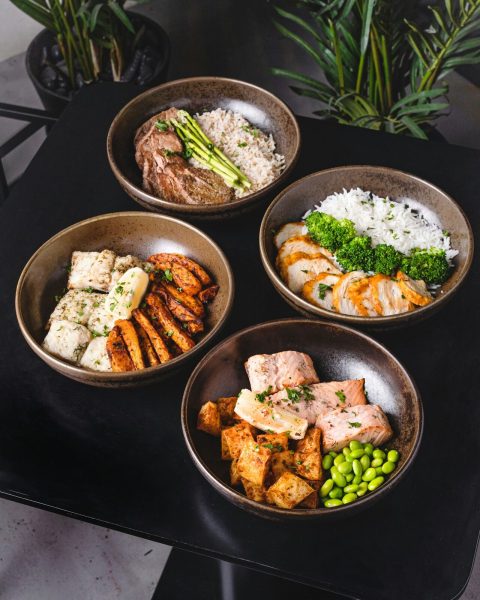
Shift from raw, cooling foods to warm, cooked, moistening foods. This supports your spleen’s digestion and provides the yin fluids your lungs and skin crave.
Foods to Embrace:
- Pears (especially Asian pears, Pyrus pyrifolia): The supreme lung-moistening food. Make a simple “steamed pear tonic”: core a pear, fill the cavity with 1 tsp of raw honey and 3-4 goji berries (Lycium barbarum), steam for 20 minutes. Eat warm before bed.
- White Wood Ear Mushroom (Tremella, Tremella fuciformis): A powerhouse for yin fluids. Soak a small handful (about 15g dried) in water for 2 hours, then simmer with 5-6 red dates (Ziziphus jujuba) and a rock sugar candy for 45 minutes to make a nourishing dessert soup.
- Root Vegetables: Sweet potato, yam (Chinese yam, Dioscorea opposita), carrots, beets. Roast them with a drizzle of sesame oil and a pinch of sea salt. They are grounding and support the Earth element, which is the “mother” of Metal.
- Warming Spices in Moderation: Ginger (Zingiber officinale), cinnamon (Cinnamomum verum), turmeric (Curcuma longa). Add a few slices of fresh ginger to your morning oatmeal or a cinnamon stick to your afternoon tea.
- Seeds & Nuts: Black sesame seeds (Sesamum indicum), walnuts, pine nuts. They nourish kidney yin and lubricate the intestines. A tablespoon of black sesame powder stirred into warm rice porridge is a classic remedy.
Foods to Reduce: Excessive raw salads, iced drinks, tropical fruits (like mango and pineapple, which are very cooling and damp-producing), and overly spicy “dry heat” foods like chili flakes and barbecue.
2. Rhythm & Routine: Aligning with the Autumn Clock
The Huangdi Neijing advises: “In the three months of autumn, one should retire with the sunset and rise with the crowing of the rooster.” This means going to bed earlier (aim for 10:00-10:30 PM) and waking with the sun (around 6:00-6:30 AM). This simple act conserves yang qi and allows yin to be replenished through deep sleep.
Evening Ritual (15 minutes): At 9:30 PM, turn off all screens. Make a cup of chrysanthemum (Chrysanthemum morifolium) and goji berry tea. While it steeps, practice 5 minutes of gentle, deep breathing—inhale through the nose for 4 counts, hold for 2, exhale through the mouth for 6 counts. This activates the parasympathetic nervous system and signals to your body it’s time to descend into yin.
3. Movement: From Expansion to Containment
Summer is for vigorous hikes and swimming. Autumn calls for more contained, flowing movement that circulates qi without scattering it. Tai Chi and Qigong are ideal. Even 10 minutes of the “Eight Brocades” (Ba Duan Jin) qigong set each morning can make a profound difference. Focus on movements that open the chest and stretch the arms—these directly benefit the Lung meridian.
Simple Qigong for Lungs: Stand with feet shoulder-width apart. Inhale deeply as you raise your arms out to the sides and up overhead, palms facing the sky. Hold for a moment, feeling the stretch across your chest. Exhale slowly as you bring your arms down in front of you, palms facing the earth, as if you are gently pressing a beach ball down into water. Repeat 10 times. This is called “Lifting the Sky.”
4. Emotional Hygiene: The Art of Letting Go
The Metal element’s virtue is inspiration (literally, “to breathe in”). Its shadow is grief and attachment. Autumn is the time for a conscious emotional inventory. Ask yourself: What am I holding onto that no longer serves me? Old resentments? A perfect image of how life “should” be? Physical clutter?
Actionable Practice: Write down one thing you are ready to release on a small piece of paper. Safely burn it in a fireproof bowl or bury it in the earth as a symbolic act of letting go. As you do, take three deep breaths, and on each exhale, whisper, “I release.”
5. Protect Your Exterior: The Wei Qi Shield
The wind and cold of autumn are considered “external pathogens” in TCM. Your wei qi (defensive qi) is your first line of defense. Keep it strong.
- Layer Your Clothing: Especially protect your neck, upper back (the “wind gate”), and ankles. A simple scarf can be a powerful wellness tool.
- Acupressure Point: LU-7 (Lieque): This is the command point for the head and neck and a major point for boosting immunity. Find it: Make a thumbs-up sign. The point is in the depression just above the wrist crease, on the side of the thumb. Use your opposite thumb to apply firm, circular pressure for 1-2 minutes on each wrist daily. It can help prevent colds and relieve a scratchy throat.
Common Questions About the Autumn Yang Yin Shift
Q: I feel really anxious and restless in autumn, not just sad. Is that related?
A: Absolutely. Anxiety is often a sign of Lung qi deficiency or imbalance. When the Lung’s descending function is impaired, qi can “float” upward, leading to a feeling of unease, palpitations, or a “butterfly” sensation in the chest. The deep breathing exercises and the LU-7 acupressure mentioned above are specifically indicated for this. Also, ensure you are eating enough grounding root vegetables and warm soups to anchor your energy.
Q: Does this mean I have to stop exercising hard in the fall?
A: Not necessarily, but it’s wise to adjust the intensity and timing. Avoid intense workouts late at night, as this can scatter yang qi when it should be consolidating. Morning or midday is better. Also, balance a hard run or gym session with a yin activity like yin yoga or a 20-minute walk in nature afterward. The goal is to maintain circulation without depleting your reserves. Listen to your body—if you feel exhausted after a workout, it was too much for the season.
Q: My skin is so dry. What’s a simple, effective remedy?
A: Internal moisture is key. The steamed pear tonic mentioned earlier is excellent. Another classic is a simple soup: simmer 500g of pork bones with 200g of fresh Chinese yam (Shan Yao), one carrot, and 6-8 dried red dates in 1.5 liters of water for 2 hours. Strain and season lightly with salt. This nourishes yin fluids deeply. Externally, switch to a richer, oil-based moisturizer and consider adding a few drops of jojoba or rosehip oil to your bath.
The bottom line: The autumn yang yin shift is a natural, necessary, and beautiful transition. It is not a decline but a change in rhythm—a time to harvest the energy of summer, consolidate our resources, and prepare for the deep rest of winter. By aligning your diet, sleep, movement, and mindset with the Metal element’s wisdom—letting go, breathing deeply, and nourishing your inner landscape—you can move through autumn not just surviving, but thriving with a sense of clarity, gratitude, and resilient health.
About the Author
Yu Xi Zhang grew up in a Chinese household where traditional wellness practices were part of daily life. With over 15 years of study under licensed TCM practitioners in Beijing and Chengdu, and a certification in TCM nutrition from the Beijing University of Chinese Medicine, she bridges Eastern wisdom with Western wellness in practical, actionable ways. Her writing draws from classical texts like the Huangdi Neijing and modern research to help readers live healthier, more balanced lives.
This article is for educational purposes and reflects traditional wellness perspectives. It is not a substitute for professional medical advice, diagnosis, or treatment.