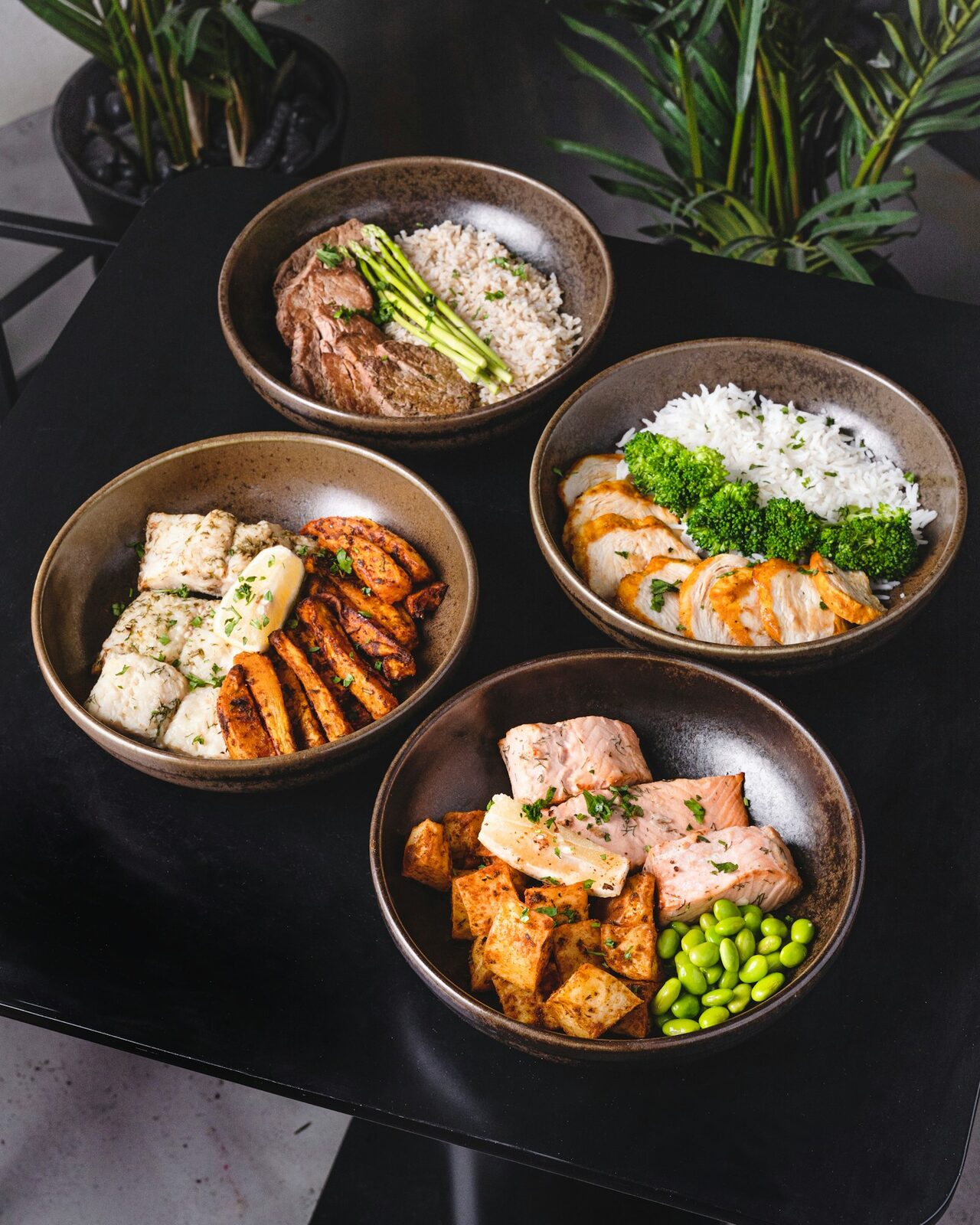
Winter has a particular quality, doesn’t it? The light slants low, the air bites, and there’s a natural pull inward—toward the hearth, the heavy blanket, the slower pace. In Traditional Chinese Medicine (TCM), this isn’t just a poetic notion; it’s a profound biological and energetic rhythm. Winter is the season of the Kidneys, the organs we call the Root of Life. And how we care for them now doesn’t just get us through the cold months—it determines the vitality and creative burst we’ll have when spring arrives. Think of it like a tree: the visible growth of spring and summer is only possible because of the deep, unseen work happening in the roots during winter’s stillness. Your Kidneys are those roots.
- Why Winter is the Kidney's Season: A Deeper Look at Jing
- Signs Your Kidney System Needs Winter Attention
- Nourishing Kidney Yin and Yang: The Art of Balance
- The Winter Kitchen: 7 Specific Foods to Nourish Your Kidneys
- Gentle Winter Practices: Movement, Moxa, and Meditation
- The Emotional Landscape: Fear, Willpower, and Finding Your Flow
Why Winter is the Kidney’s Season: A Deeper Look at Jing
When a TCM practitioner talks about the Kidneys, they’re referring to a system far more complex than the bean-shaped organs in your lower back. The Kidney system in TCM governs Jing (精), often translated as “Essence” or “Vitality.” This is your most fundamental substance, your constitutional battery pack. There are two types: Prenatal Jing, inherited from your parents at conception (think of it as your genetic and energetic inheritance), and Postnatal Jing, which you build and replenish daily through diet, rest, and lifestyle.
The Huangdi Neijing (Yellow Emperor’s Classic of Internal Medicine), the foundational text of TCM written over 2,000 years ago, states: “The Kidneys store the Jing and govern birth, growth, reproduction, and development.” This isn’t just about fertility or aging. Jing is the root of all Yin and Yang in the body. It fuels our willpower (Zhi), anchors our spirit (Zhi), and is the deep reservoir from which all other organs draw strength. In winter, nature contracts, and so does our energy. This is a protective mechanism. The cold weather signals the body to conserve its precious Jing, to turn inward and focus on repair and storage. Fighting this rhythm—forcing high-intensity workouts, staying up late, eating cold, raw foods—is like asking a bear to hibernate while running a marathon. It depletes the very reserves you need to build.
Winter is the season of storage. The Jing is stored and the Yang is hidden. Do not disturb the Yang, do not leak the Jing.
— Paraphrased principle from the Huangdi Neijing
Signs Your Kidney System Needs Winter Attention
How do you know if your Kidney system is running on fumes? The signs are often subtle and chronic, not acute. Pay attention to these whispers before they become shouts:
- Lower Back & Knee Aches: The Kidneys “govern the bones and marrow.” A deep, achy feeling in the lower back or weak knees, especially in cold weather, is a classic signal.
- Feeling Chronically Cold: Particularly in your hands, feet, and lower back. This points to Kidney Yang deficiency, where the body’s warming function is low.
- Exhaustion Beyond Normal Tiredness: A bone-deep fatigue that a good night’s sleep doesn’t fix. This is often linked to depleted Jing.
- Fear or Anxiety Without Clear Cause: The emotion associated with the Kidneys is fear. A persistent, low-grade anxiety can be an emotional sign of imbalance.
- Urinary Issues: Frequent urination (especially at night), incontinence, or a feeling of urgency can indicate the Kidneys are struggling to hold fluids.
- Premature Graying or Hair Loss: The “Kidneys manifest in the hair.” Significant hair changes can reflect declining Kidney essence.
During my studies in Chengdu, a wise practitioner told me, “You don’t wait until the well is dry to start conserving water.” Winter is the season for conservation. If you recognize several of these signs, it’s not a diagnosis—it’s an invitation to listen more closely and support your body’s deepest reserves.
Nourishing Kidney Yin and Yang: The Art of Balance
The Kidney system is the home of both Yin and Yang. Kidney Yin is the cooling, moistening, and nourishing aspect—the deep, quiet reservoir. Kidney Yang is the warming, activating, and transforming aspect—the pilot light that keeps the furnace going. Winter care must honor both. You can’t just “warm up” without nourishing the deep fluids, and you can’t just “rest” without ensuring the metabolic fire doesn’t go out.
Here is a simple framework for understanding their roles and the signs of imbalance:
| Aspect | Function | Signs of Deficiency (Winter-Relevant) | Nourishing Approach |
|---|---|---|---|
| Kidney Yin | Cooling, moistening, nourishes fluids and blood, anchors the spirit. | Night sweats, dry mouth/throat at night, feeling of heat in palms/soles, tinnitus, insomnia. | Deep nourishment: rest, meditation, cooling moistening foods (see below). |
| Kidney Yang | Warming, activating, governs metabolism, digestion, and libido. | Deep cold, low energy, poor digestion, low libido, frequent pale urination, edema. | Gentle warming: moxa, warming soups, specific herbs, protecting the lower back. |
The key is balance. In winter, we gently warm the Yang without agitating it (like keeping a pilot light on low), and we deeply nourish the Yin (like filling the fuel tank). This is not the time for aggressive “detoxes” or extreme diets.

The Winter Kitchen: 7 Specific Foods to Nourish Your Kidneys
Your kitchen is your first pharmacy. In TCM, foods are chosen for their energetic properties (warming, cooling, neutral), their flavors (which target specific organs), and their actions. For the Kidneys, we focus on salty flavor (in moderation, to guide energy inward and downward), black and dark blue/purple foods (which resonate with the Kidney’s element of Water), and bone-building foods.
Actionable Winter Kidney Foods & How to Use Them:
- Black Sesame Seeds (Hei Zhi Ma): A powerhouse for nourishing Kidney Yin and Jing. How to use: Grind 1-2 tablespoons daily (they must be ground for absorption). Add to oatmeal, smoothies, or make a simple paste with honey and warm water.
- Walnuts (He Tao): Warm in nature, they strengthen Kidney Yang and help with lower back pain. How to use: Eat 3-5 raw walnuts daily. For a warming treat, lightly toast them with a pinch of sea salt.
- Black Beans (Hei Dou): Tonify Kidney Yin and Qi. The Shennong Bencao Jing (Divine Farmer’s Classic of Materia Medica) lists them as beneficial for the Kidneys. How to use: Soak overnight, then simmer for 1.5 hours with a strip of kombu seaweed (for minerals) and a few slices of ginger to make a simple, nourishing soup.
- Goji Berries (Gou Qi Zi): Nourish Kidney Yin and Liver blood. How to use: Add 10-15 berries to herbal teas or soups in the last 10 minutes of cooking. Don’t boil them for too long.
- Seaweed (Kombu, Wakame): The salty flavor guides energy to the Kidneys. Rich in minerals. How to use: Add a 2-inch strip of kombu to bean soups or bone broths as it simmers for natural flavor and mineral infusion.
- Bone Broth: Directly nourishes Kidney Jing and marrow. How to use: Simmer organic chicken or beef bones (with a splash of apple cider vinegar to draw out minerals) for 12-24 hours. Drink 1 cup daily, seasoned with a pinch of sea salt and scallion.
- Chestnuts (Li Zi): Warm the Kidneys and strengthen the lower back. How to use: Roast 7-10 chestnuts for a snack, or add them to stews and congees.
My grandmother would make a simple winter tonic: a handful of black beans, a few walnuts, and a couple of dried longans simmered into a tea. It was our “winter armor.” The specificity is key—don’t just “eat warming foods.” Know which foods, why, and how to prepare them.
Gentle Winter Practices: Movement, Moxa, and Meditation
Winter movement should be like the slow, deep flow of a river under ice—gentle, internal, and preserving. High-intensity interval training (HIIT) and marathon running can be wonderful in other seasons, but in winter, they risk leaking precious Yang Qi through excessive sweat and exertion.
Actionable Winter Practice Checklist:
- Movement: Shift to Tai Chi, Qigong, or gentle yoga. Focus on forms that emphasize rooting, stability, and slow, deep breathing. Practice for 20-30 minutes, 3-5 times a week, preferably in the late morning after the sun is up.
- Moxibustion (Moxa): This is a cornerstone of winter Kidney care. Moxa is dried mugwort (Artemisia vulgaris) burned near specific acupuncture points. The point Kidney 7 (Fu Liu) on the inner ankle is excellent for warming the Kidneys and strengthening Yang. Use a moxa stick, holding it 1-2 inches above the skin for 5-10 minutes per side until the area feels pleasantly warm. Caution: Learn proper technique from a practitioner or use pre-made moxa boxes for safety.
- Meditation & Visualization: Sit quietly for 10-15 minutes. Visualize a deep, cool, blue-black reservoir of water in your lower abdomen (the lower Dan Tian, the seat of the Kidneys). With each inhale, imagine drawing in calm, nourishing energy. With each exhale, release tension and fear. This directly nourishes Kidney Yin and calms the spirit.
- Protect the Lower Back: Always keep your lower back and feet warm. Wear a scarf or a “Kidney warmer” (a simple wool or silk wrap). My teacher in Beijing never left home in winter without one. Cold invading the lower back is a direct path to Kidney Yang deficiency.
The Emotional Landscape: Fear, Willpower, and Finding Your Flow
The Kidneys don’t just govern physical energy; they are the seat of our Zhi—our willpower, drive, and deep-seated courage. When the Kidneys are weak, fear can become pervasive, not as a response to a specific threat, but as a background hum. Conversely, chronic fear and stress directly deplete Kidney Jing.
Winter is the time to cultivate a different kind of strength: quiet resolve. It’s not about forcing your will upon the world, but about aligning with a deeper current. This is the true meaning of “still flow.” A 2018 study in the journal Frontiers in Psychology explored the mind-body connection in TCM, noting that emotional regulation is intrinsically linked to organ system balance, with fear being specifically correlated to Kidney Qi (Wang et al., 2018).
Actionable Emotional Care:
- Acknowledge Fear: When anxiety arises, place a hand on your lower back (the home of the Kidneys) and take three slow, deep breaths into that space. Simply acknowledging the emotion can prevent it from draining your reserves.
- Engage in Grounding Activities: Gardening (even indoor herbs), walking in nature (especially among evergreens), or working with clay or wood. These activities connect you to the Earth element, which supports the Kidneys.
- Journaling Prompt: “What is one small, steady commitment I can make to myself this winter that honors my need for rest and renewal?” This taps into the Kidney’s positive virtue of wisdom and perseverance.
Common Questions
Is it safe to take Kidney-tonifying herbs like He Shou Wu or Rehmannia in winter?
While these are classic Kidney herbs (He Shou Wu / Polygonum multiflorum for Yin/Jing, Shu Di Huang / processed Rehmannia glutinosa for Yin/Blood), self-prescription is not recommended. They are potent and have specific indications and contraindications. For example, He Shou Wu should be properly processed to avoid side effects. The best approach is to consult a licensed TCM practitioner who can assess your specific constitution and create a balanced formula. Food-based approaches (like the black sesame and beans mentioned earlier) are a much safer starting point for self-care.
I feel exhausted in winter. Should I force myself to exercise?
Listen to your body. Winter fatigue is often a signal to conserve energy, not push through it. Forcing intense exercise can lead to further depletion. Instead, switch to gentle, mindful movement like a 20-minute walk after lunch or a 15-minute Qigong routine. The goal is to circulate Qi and blood gently, not to drain it. If you feel more energized after gentle movement, that’s good. If you feel more tired, scale back further. Rest is a valid and necessary winter practice.
How does sleep specifically affect the Kidneys in TCM?
Sleep is the ultimate Yin activity. The period between 5 PM and 7 AM is governed by the Kidney meridian’s clock (5-7 PM is the Kidney’s “peak” time, ideal for a light dinner; the deep sleep hours of 11 PM-3 AM are crucial for Liver and Gallbladder repair, which are supported by Kidney Yin). Going to bed early (by 10:30 PM) and waking with the sun allows your body to sync with winter’s Yin energy. Chronic late nights directly burn Kidney Yin and Jing, leading to the classic signs of deficiency like night sweats and anxiety. Prioritizing sleep is one of the most powerful Kidney-tonifying actions you can take.
The bottom line: Winter is not a season of deprivation, but of profound preparation. By honoring the Kidney system through specific nourishing foods like black sesame and bone broth, gentle practices like Tai Chi and moxa, and emotional grounding, you are not just surviving the cold. You are filling your deepest reserves of Jing, building a foundation of vitality that will naturally express itself as the vibrant, creative energy of spring. This is the wisdom of the still flow.
About the Author
Yu Xi Zhang grew up in a Chinese household where traditional wellness practices were part of daily life. With over 15 years of study under licensed TCM practitioners in Beijing and Chengdu, and a certification in TCM nutrition from the Beijing University of Chinese Medicine, she bridges Eastern wisdom with Western wellness in practical, actionable ways. Her writing draws from classical texts like the Huangdi Neijing and modern research to help readers live healthier, more balanced lives.
This article is for educational purposes and reflects traditional wellness perspectives. It is not a substitute for professional medical advice, diagnosis, or treatment.