There’s a particular quality to the air in early autumn. The heat of summer softens, the light turns golden, and a crispness arrives that whispers of change. In Traditional Chinese Medicine (TCM), this isn’t just a poetic shift—it’s a profound energetic transition. The expansive, outward energy of summer (Yang) begins to contract and turn inward, preparing to become the deep, restful energy of winter (Yin). It’s the season of the Metal element, associated with the Lungs and Large Intestine, organs of letting go and receiving. This is the perfect time to adjust our practices, and autumn tai chi—what I call the “Harvest Flow”—is one of the most beautiful ways to do it. It’s not about learning a new form, but about bringing a specific quality of intention to your practice to gather and consolidate your qi (vital energy) for the colder months ahead.
Why Autumn Demands a Different Tai Chi Approach
Think of your body’s energy like a tree. In spring and summer, energy flows outward to the leaves and branches—growth, activity, social engagement. Come autumn, the tree wisely draws its sap back down into its roots to store it for winter. Our qi works similarly. The Huangdi Neijing (The Yellow Emperor’s Classic of Internal Medicine), the foundational text of TCM, advises us to “go to bed with the chickens and rise with the dawn” in autumn and to “keep the spirit within” to counteract the “killing energy” of the season (Chapter 2, On Regulating the Spirit According to the Qi of the Four Seasons).
This “killing energy” (or sha qi) isn’t as ominous as it sounds—it refers to the dry, contracting, and sometimes harsh environmental influences that can challenge our Lungs, which in TCM are considered the “tender organ” most susceptible to external pathogens. Autumn tai chi practice, therefore, shifts focus from the expansive, powerful movements of summer to smoother, more inward-gathering motions. The goal is to gather qi, moisten dryness, and fortify the Lungs’ defensive energy (Wei Qi).
My teacher in Chengdu, Master Li, used to say, “Summer tai chi is like a river flowing wide. Autumn tai chi is like a well—deep, still, and full.” He taught us to visualize drawing energy from the expansive sky and earth inward through our fingertips and the crown of our head, storing it in our lower abdomen, the dantian. This simple visualization, paired with specific movements, can make a tangible difference in how you feel as the season changes.
The Core Principle: Gathering Qi Inward
The central concept for your autumn practice is “gathering” or “harvesting” qi. In summer, we might focus on extending our limbs, rooting deeply, and connecting with the expansive energy around us. In autumn, we reverse the flow. Movements become more circular and embracing, often bringing the hands toward the center of the body—the dantian, located about three finger-widths below the navel.
This isn’t just metaphorical. A 2018 study in the Journal of Traditional Chinese Medicine found that tai chi practitioners who focused on “intentional qi direction” during their forms showed measurable improvements in heart rate variability (a marker of autonomic nervous system balance) compared to those who performed the same forms mechanically. The mind-body connection is real, and in autumn, we consciously use it to conserve energy.
“The wise man nourishes his root; when the root is firm, the way grows.” — Huangdi Neijing
This “root” is your Kidney qi, the deep reserve energy. Autumn is the season to nourish it, not deplete it. Your tai chi practice becomes a daily ritual of depositing energy into your savings account for winter.
Your Autumn Tai Chi Practice: 5 Key Adjustments
You don’t need to learn a new form. Instead, infuse your existing practice (whether it’s 24-form Yang style, 37-form, or another) with these seasonal intentions.
- Slow Down the Pace: Reduce your speed by about 20%. Imagine you are moving through honey or autumn mist. This slower pace allows for greater internal awareness and qi consolidation.
- Emphasize “Gathering” Movements: Pay extra attention to movements that bring the hands in toward the body, like “Parting the Wild Horse’s Mane” (when returning to center) or “Cloud Hands.” Visualize gathering golden autumn light into your dantian.
- Focus on the Lungs and Breath: The Metal element governs the Lungs. Breathe deeply and fully through the nose, allowing the lower abdomen to expand on the inhale and gently contract on the exhale. Coordinate this breath with your movements. A 2020 review in Frontiers in Psychology noted that tai chi’s breathing coordination can significantly reduce cortisol levels, the stress hormone that can deplete Lung qi.
- Ground Your Movements: Autumn is about stability. Ensure your weight shifts are deliberate and your rooting is firm. This connects you to the Earth element (Spleen/Stomach), which supports the Metal element in the Five Element cycle.
- Practice Outdoors in the Morning: If possible, practice in the early morning (7-9 AM, the time of the Stomach meridian) in a park or garden. The morning air is considered rich in qing qi (clear, nourishing qi). Avoid practicing in strong winds or when the air is very dry and cold, which can invade the Lungs.
A 15-Minute “Harvest Flow” Routine
On days when a full form feels like too much, or as a daily supplement, try this short, focused routine. It’s designed to be done in about 15 minutes and targets the Lungs and qi gathering.
1. Opening & Centering (2 minutes): Stand in wuji posture. Close your eyes. Take 3 deep breaths, imagining you are inhaling the crisp, clear autumn air and exhaling any summer heat or lingering fatigue. Set your intention: “I gather and store my energy.”
2. “Embracing the Tree” (Zhan Zhuang) (3 minutes): From wuji, raise your arms as if hugging a large tree, hands at chest height, fingertips pointing toward each other. Keep your shoulders relaxed and elbows dropped. Breathe deeply into your lower back and abdomen. This standing meditation (zhan zhuang) is a powerful qi-gathering posture. Visualize the tree’s stability and its roots drawing nourishment from the earth.
3. “Cloud Hands” with Intention (5 minutes): Perform the classic “Cloud Hands” movement, but do it with extreme slowness. As your leading hand sweeps out to the side, imagine it gathering qi from the environment. As it passes in front of your chest, imagine that qi being filtered and refined by your Lungs. As it comes back to center, guide it down to your dantian. Alternate sides.
4. “Brush Knee Twist Step” with a Twist (3 minutes): Perform this movement, but focus on the twist of the torso. This gently massages the internal organs, including the Lungs and Large Intestine. Coordinate the twist with a full exhale, imagining you are expelling waste and stagnation.
5. Closing & Storage (2 minutes): Return to wuji. Place both palms over your lower dantian (men left hand on bottom, women right hand on bottom). Take 5 breaths, feeling the warmth of your hands energizing this center. On each exhale, mentally affirm, “I store this energy for my health and vitality.”

Nourishing Your Practice: Autumn Foods for Tai Chi Players
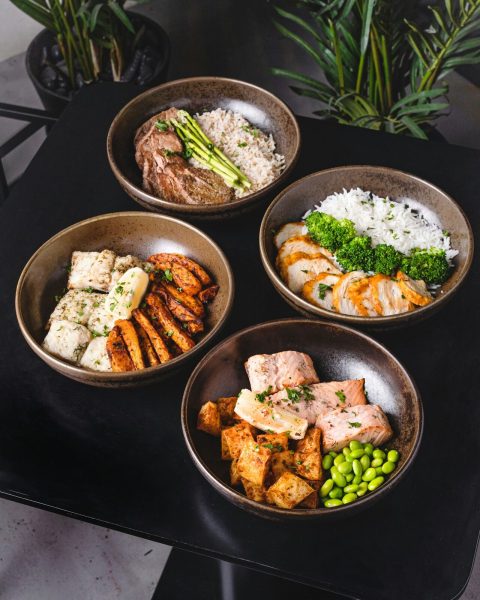
What you eat is just as important as how you move. Autumn in TCM is a time to combat dryness and support the Lungs. Your diet should shift from the cooling foods of summer to moistening, slightly warming, and qi-generating foods.
| Food Category | Specific Foods & Preparation | TCM Benefit |
|---|---|---|
| Mooisting Foods | Pears (stewed with rock sugar), honey, almonds, sesame seeds, soy milk, tofu, oysters | Generate fluids, combat dry skin/cough, nourish Lung Yin. |
| Lung-Strengthening Foods | White radish (daikon), white rice, oatmeal, sweet potato, pumpkin, yam (shanyao), lotus root | Support Lung qi, improve digestion (Spleen), provide stable energy. |
| Qi-Gathering Foods | Black sesame, walnuts, black beans, goji berries (gou qi zi), bone broth, chicken soup | Nourish Kidney essence (root energy), build deep reserves. |
| Warming Spices (in moderation) | Ginger, cinnamon, turmeric, nutmeg, fennel | Warm the middle burner, aid digestion, protect against cold. |
A Simple Autumn Recipe: Stewed Pear with Fritillaria Bulb (Chuan Bei Mu) and Honey. This is a classic TCM remedy for autumn coughs and dryness. Core a ripe pear, fill the cavity with 3-5g of Chuan bei mu powder (available at TCM pharmacies) and a teaspoon of honey. Steam for 30 minutes. Eat the pear and drink the broth. It’s soothing and delicious. (Consult a TCM practitioner for specific dosage if you have health concerns).
Common Questions
Is it okay to practice tai chi outdoors when it’s cold in autumn?
Absolutely, and it’s often recommended. The crisp air can be invigorating for the Lungs. The key is to dress in layers and avoid practicing in strong, cold winds (feng), which in TCM is considered a primary pathogen that can invade the Lungs and pores. A light scarf around your neck is a simple, effective protection. Start your practice with gentle movements to warm up before moving into deeper postures.
I feel more emotional or sad in autumn. Can tai chi help?
Yes, and this is a very common experience. The Metal element is associated with the emotion of grief or sadness. When the Metal element is out of balance, this emotion can surface. Tai chi helps by regulating qi flow. The slow, mindful movements and deep breathing calm the nervous system, release tension held in the chest and shoulders (where grief often resides), and promote a sense of inner peace. The gathering intention of autumn practice can also provide a comforting sense of containment and safety, countering feelings of loss or sadness.
How is autumn tai chi different from qigong?
Great question. Think of it this way: Qigong is a broad category of exercises focused on cultivating qi, often with repetitive movements and a strong emphasis on breath and meditation. Tai chi (taijiquan) is a specific martial art form that is also a powerful qigong practice. For autumn, you can apply the “Harvest Flow” principles to either. A simple qigong like “Lung Healing Sounds” (a soft “Ssssss” sound while gently tapping the chest) is excellent. The adjustments I’ve described for tai chi are about bringing a seasonal, qi-gathering mindset to the complex choreography of the form.
The bottom line: Autumn tai chi isn’t a different set of moves, but a shift in intention. By slowing down, focusing on gathering qi inward, and coordinating your breath with your movement, you align your practice with the natural rhythm of the season. This “Harvest Flow” helps you consolidate your energy, fortify your Lungs, and build the deep reserves needed for a healthy, vibrant winter. It’s a beautiful way to honor the wisdom of nature and your own body.
About the Author
Yu Xi Zhang grew up in a Chinese household where traditional wellness practices were part of daily life. With over 15 years of study under licensed TCM practitioners in Beijing and Chengdu, and a certification in TCM nutrition from the Beijing University of Chinese Medicine, she bridges Eastern wisdom with Western wellness in practical, actionable ways. Her writing draws from classical texts like the Huangdi Neijing and modern research to help readers live healthier, more balanced lives.
This article is for educational purposes and reflects traditional wellness perspectives. It is not a substitute for professional medical advice, diagnosis, or treatment.