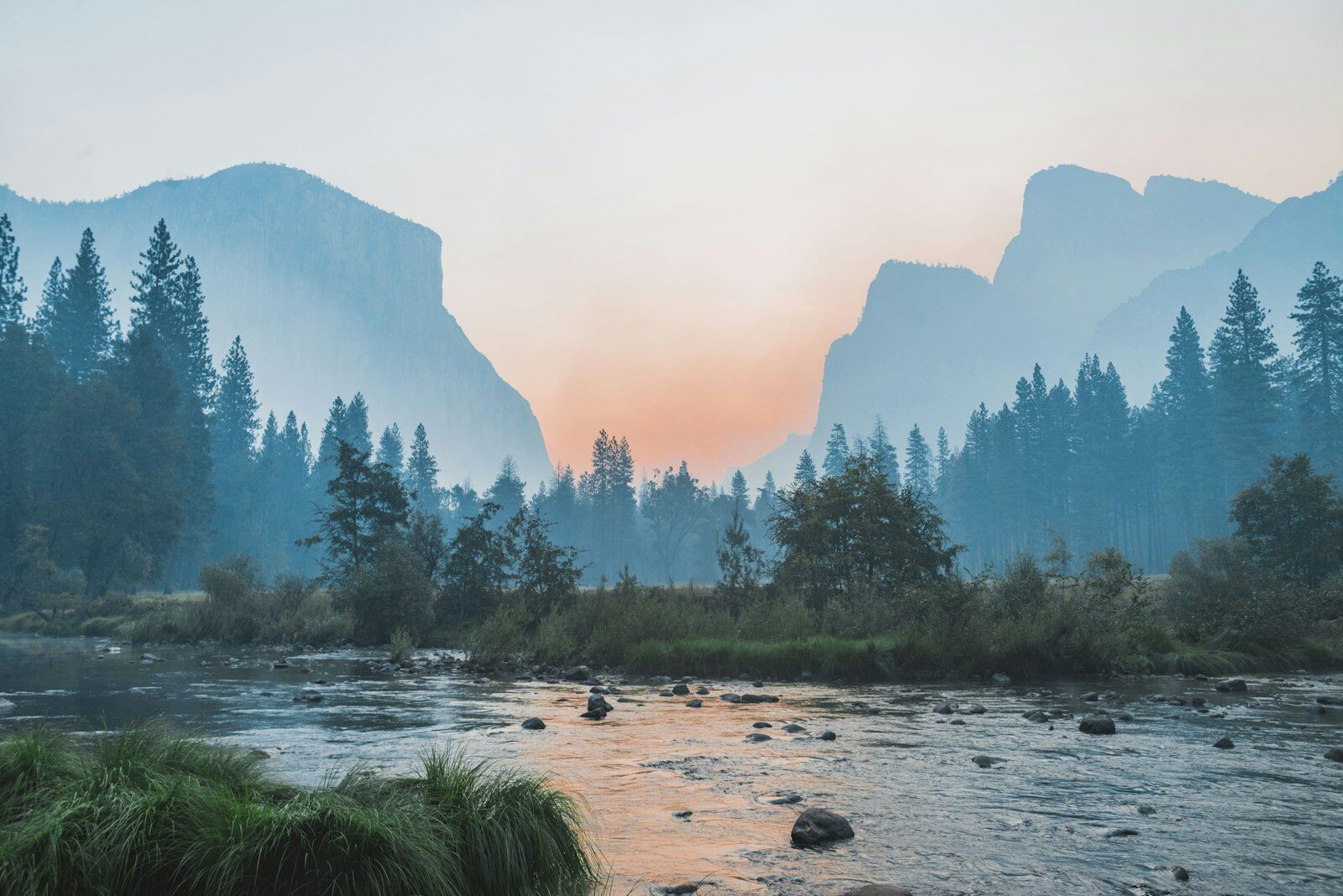
There is a moment in mid-July, usually just before sunset, when the air in a bamboo grove seems to hold its breath. The heat lifts slightly. The leaves stop their rustling. And if you are standing very still with your arms raised like slow branches, you can feel something move through you that has no name in English. My qigong teacher in Chengdu called it zhu ying — bamboo shadow — and he taught me a form so slow that most Western students quit after the first session. “You came here to move,” he told me, smiling. “This practice asks you to stop moving and let the movement happen.” That is the Bamboo Shadow Practice, and it is, in my experience, the single most restorative summer qigong practice I have ever learned.
Why Summer Demands a Different Kind of Movement
Most of us treat exercise as a constant — same routine, same intensity, twelve months a year. Traditional Chinese Medicine sees it differently. According to the Huangdi Neijing (Yellow Emperor’s Classic of Internal Medicine), the human body is not a machine running at fixed output; it is a landscape that shifts with the seasons. The Suwen, Chapter 2, states: “In the three months of summer, this is called flourishing. Heaven and earth interact, and the myriad things blossom and bear fruit.” The text goes on to advise sleeping late, rising early, and — crucially — “not letting the will be angered” and “making the qi flow outward, as if what you love is outside.”
That last line is the key. Summer is the season of the Heart and Small Intestine in TCM, governed by the fire element. Yang energy is at its peak — it is expressed, radiant, expansive. But here is the paradox that trips up most people: because yang is already maxed out, aggressive exercise in July and August can tip you into what practitioners call “summer heat damage” (shu shang). You have felt it — that hollow, jittery exhaustion after a midday run in 90°F heat, the insomnia that follows, the mouth ulcers that appear in August.
Modern research is starting to catch up. A 2021 review in the Journal of Sport and Health Science (Mauger et al.) found that exercising in hot conditions places disproportionate strain on the cardiovascular and nervous systems, and that recovery is slower than in cool conditions even when perceived effort is matched. A 2017 randomized controlled trial published in the Journal of Alternative and Complementary Medicine (Yin et al.) found that slow, meditative qigong practice improved heart rate variability and reduced cortisol levels more effectively than brisk walking of the same duration in adults over 55. Slow, in summer, is not lazy. Slow is strategic.
What the Bamboo Shadow Practice Actually Is
The Bamboo Shadow Practice (Zhu Ying Qigong, 竹影功) is a standing-and-swaying form derived from the classical Five Animals Frolics tradition but adapted, in the lineage I studied, specifically for the summer months. It consists of just six postures, each held for 3 to 5 minutes, linked by a slow weight shift that mimics bamboo bending in wind. Total practice time: 25 to 35 minutes. There are no kicks, no deep lunges, no forceful breathing. In fact, the instruction I received in Chengdu was almost comically simple: “Stand. Sway. Breathe like you’re half asleep.”
Here is what makes it different from the qigong most Westerners have encountered:
- Ultra-slow tempo — Each transition takes 30 to 45 seconds. If you think you are moving slowly enough, halve your speed.
- Micro-movement emphasis — The visible sway is only 2–3 inches side to side. The real work happens in the fascia, joints, and intercostal muscles.
- Open-eyes practice — Unlike many qigong forms, Bamboo Shadow is done with the eyes softly focused on a natural object (a plant, a tree, a candle flame). This is said to “cool the Heart fire” by giving the shen (spirit) something gentle to rest on.
- Exhale-dominant breathing — The inhale is passive; the exhale is extended to a count of 8 or 9. This directly stimulates the vagus nerve and shifts you into parasympathetic (“rest and digest”) mode.
- No counting repetitions — You hold each posture until the body “releases,” usually signaled by a spontaneous sigh, swallow, or yawn. My teacher used to say, “When you yawn, the qi has arrived.”
“Bamboo does not fight the wind. It bends, and because it bends, it survives the typhoon. Your body in summer is the same. Do not fight the heat. Bend with it.”
— Chen Guohua, qigong teacher, Chengdu, 2009
The Six Postures: A Practical Walkthrough
You can begin this summer qigong practice today, in your backyard, on a balcony, or even in a well-ventilated room. Here are the six postures in sequence. I have included the Chinese name, the plain-English description, and the traditional purpose for each.
| Posture | Chinese Name | How to Do It | Traditional Purpose |
|---|---|---|---|
| 1. Rooted Bamboo | Zha Zhu (扎根竹) | Feet shoulder-width, knees soft, arms hanging like willow branches. Sway 2 inches left, 2 inches right over a 10-second cycle. | Grounds scattered summer yang; calms the shen. |
| 2. Reaching Canopy | Cheng Zhu (承竹) | Arms rise slowly to shoulder height, palms facing the sky. Fingers spread wide, then soften. Hold 3–4 minutes. | Opens the chest and Pericardium channel; releases heat from the Heart. |
| 3. Hollow Stem | Xu Zhu (虚竹) | Hands rest on the lower abdomen (dantian). Attention sinks inward. Breathe into the belly for 5 minutes. | Nourishes yin; counteracts summer dehydration at the energetic level. |
| 4. Wind Through Leaves | Feng Zhu (风竹) | Arms sway gently side to side at chest height, wrists loose, like leaves in a breeze. Eyes follow the hands. | Regulates qi flow through the Liver channel; eases irritability. |
| 5. Rain on the Root | Yu Zhu (雨竹) | Palms face upward at waist height. Imagine cool rain landing on the palms and running down the arms. 4 minutes. | Clears summer heat; traditionally used for mouth ulcers and restlessness. |
| 6. Still Shadow | Ying Zhu (影竹) | Return to standing. Arms at sides. Do absolutely nothing for 3–5 minutes. Let the afterglow settle. | Integrates the practice; seals the qi in the dantian. |
A note on timing: The best window for this practice in summer is 5:00–7:00 PM, or early morning before 8:00 AM. Midday (11 AM–1 PM) is the peak of Heart fire in the TCM organ clock, and while gentle movement is fine then, standing practice in direct sun can be depleting. If you can only practice at lunch, do it indoors near an open window.
The Deeper Principle: “Xie” — Letting the Excess Drain
There is one concept I want to explain properly, because it is the engine under this entire practice. In TCM, treatment strategies are divided broadly into two families: bu (补, tonify — add what is deficient) and xie (泻, drain — reduce what is excessive). Most Western wellness culture is obsessed with bu: add supplements, add habits, add morning routines, add optimization. Summer, according to classical theory, is one of the rare seasons where the wiser move is often xie.
Why? Because yang is already abundant. The Shanghan Lun (Treaterta on Cold Damage), attributed to Zhang Zhongjing (c. 220 CE), repeatedly cautions against adding warming, tonifying herbs during hot months — the body’s fire is already blazing, and adding fuel creates what the text calls “rebellious qi” and “excess in the upper burner.” The Bamboo Shadow Practice is essentially xie in movement form: it drains excess yang from the chest and head, guides it down to the lower dantian, and lets it disperse through the skin and breath.
Think of it like a pressure valve. In winter, you want to build the fire (that is when I drink my ginger and astragalus soups, when I do more vigorous tai chi). In summer, you want to make sure the fire does not scorch the pot. The extended exhales, the soft eyes, the ultra-slow sway — every design choice in Bamboo Shadow is a way of gently opening that valve.
I learned this the hard way. During my second summer in Beijing, I insisted on doing a vigorous martial qigong form every afternoon in 95°F heat because I thought more was better. By August I had chronic mouth ulcers, insomnia, and a strange buzzing anxiety that my teacher immediately diagnosed as “Heart fire harassing the shen.” He put me on Bamboo Shadow for three weeks — nothing else. The ulcers faded in five days. I am not claiming the practice cured me; I am saying that when I stopped stoking the fire and started draining the excess, my system had room to rebalance itself.
Supporting the Practice: Summer Foods and Herbal Allies
Movement alone is not enough. If you do Bamboo Shadow every evening but drink three coffees and eat spicy hot pot for dinner, you are refilling the pressure valve as fast as you open it. Here are specific, actionable food and herb recommendations to support your summer qigong practice. These are drawn from the Bencao Gangmu (Comperta of Materia Medica, 1578) and modern clinical nutrition research.
- Watermelon rind tea — Save the white part of the rind (about 2 cups, chopped), simmer in 4 cups of water for 20 minutes, strain, and drink cool. Known in TCM as xi gua pi, it is traditionally used as a gentle diuretic and heat-clearer. A 2019 study in the Journal of Ethnopharmacology (Nadeem et al.) identified citrulline and flavonoids in watermelon rind that may support vascular function.
- Chrysanthemum and mint infusion — 5 g dried Chrysanthemum morifolium flowers + 2 g dried peppermint (Mentha haplocalyx), steeped in 300 ml of 85°C water for 5 minutes. Drink 1–2 cups between 3 and 5 PM. Cools the head and eyes; pairs beautifully with the “Reaching Canopy” posture.
- Mung bean and lily bulb soup — ½ cup dried mung beans + 20 g dried lily bulb (Lilium brownii, 百合) + 6 cups water. Simmer 40 minutes until the beans break open. Eat 3–4 times per week. This is a classic late-summer combination for nourishing yin and calming the spirit.
- Bitter melon stir-fry — 1 medium bitter melon (Momordica charantia), sliced thin, stir-fried with 1 clove garlic and a splash of rice vinegar. Eat 2–3 times per week. The bitterness drains Heart fire, according to the Huangdi Neijing‘s five-flavor theory.
- Lotus seed congee — ¼ cup dried lotus seeds (Nelumbo nucifera) + ¾ cup rice + 6 cups water, cooked into congee and eaten for breakfast. Traditionally used to calm the mind and support sleep.
- Cooling spice swap — Replace black pepper and chili with fresh cilantro, basil, and a squeeze of lime. Keep ginger to less than 3 g per day in high summer unless you have a specific reason for it.
A small but important warning: these foods are cooling in TCM terms. If you run chronically cold, have loose stools, or feel worse with raw and chilled foods, work with a practitioner before leaning heavily on the cooling category. TCM is not one-size-fits-all — your constitution matters more than the season.
A Seven-Day Starter Protocol
If you want to try Bamboo Shadow this week, here is a simple, graduated schedule. It is designed to be doable alongside a full-time job and a family.
- Day 1: Postures 1 and 3 only (Rooted Bamboo + Hollow Stem). Total: 10 minutes. Practice at 6:30 PM.
- Day 2: Postures 1, 3, and 6. Total: 15 minutes. Add 1 cup of chrysanthemum-mint tea at 4 PM.
- Day 3: Rest day. Just do 5 minutes of posture 1 (Rooted Bamboo) before bed.
- Day 4: Postures 1 through 4. Total: 20 minutes. Add mung bean soup at dinner.
- Day 5: Postures 1 through 5. Total: 25 minutes. Notice which posture makes you yawn or sigh — that is your “home posture.” Return to it whenever stressed.
- Day 6: Full sequence. Total: 30 minutes. Practice outdoors if possible, near a tree or plant.
- Day 7: Rest and reflect. Journal for 5 minutes: how is your sleep? Your temper? Your appetite?
Most students I have taught notice two things within the first week: falling asleep faster (usually by 10–15 minutes) and less afternoon irritability. Some research supports this pattern — a 2010 meta-analysis in the Journal of Psychosomatic Research (Wang et al.) found that qigong practice produced small-to-moderate improvements in sleep quality and anxiety symptoms across 12 randomized trials. Your mileage will vary, and that is fine.
Making It a Ritual, Not a Task
The last thing I want to say is about attitude. In the West, we turn everything into a productivity project — we track our streaks, we optimize our protocols, we gamify our meditation. Bamboo Shadow resists this. It is designed to be a ritual, not a task. My grandmother, who practiced a similar swaying form on our apartment balcony in Hangzhou every summer evening, never once called it “exercise.” She called it “xia liang” — “enjoying the cool.” She would stand there with her eyes half-closed, one hand on the railing, and just sway while the sun went down. She did this for forty years. She slept beautifully and had the calmest temper of anyone I have ever known.
So give yourself permission to make it small and beautiful. Light a candle. Play one song. Stand near something green. Let the practice be the boundary between the workday and the evening — a soft, swaying door that you walk through. That is what the bamboo does. It does not strain toward the sun. It bends, it breathes, and it lets the season move through it.
Common Questions
How long should a summer qigong practice session be?
For Bamboo Shadow specifically, 25 to 35 minutes is the sweet spot for most adults. Shorter than 15 minutes and the nervous system does not fully shift into parasympathetic mode; longer than 45 minutes in summer heat can become depleting rather than nourishing. If you are new, start with 10 minutes and add 3–5 minutes every few days. Consistency beats duration — 20 minutes daily is far more effective than one 90-minute session on Sunday.
Can I do this practice if I have high blood pressure or heart conditions?
Gentle standing qigong like Bamboo Shadow is generally low-impact and has been studied in cardiac rehabilitation settings — a 2016 study in the Journal of the American Heart Association (Yeh et al.) found tai chi and qigong practices improved quality of life in heart failure patients. However, the extended exhale breathing and the arms-raised “Reaching Canopy” posture may not be appropriate for everyone. Please check with your physician or cardiologist before starting, especially if you take blood pressure medication, and skip any posture that causes dizziness or shortness of breath.
What is the difference between Bamboo Shadow and regular tai chi?
Tai chi is a martial art with choreographed forms, defined stepping patterns, and a clear sequence of postures learned over months or years. Bamboo Shadow is a seasonal standing qigong — there is no footwork, no martial application, and the six postures can be learned in a single session. Think of tai chi as learning a language and Bamboo Shadow as learning a single, very deep breath. Both are valuable; they simply serve different purposes. Many practitioners use Bamboo Shadow in summer and switch to more vigorous tai chi forms in autumn and winter.
The bottom line: The Bamboo Shadow Practice is a slow, six-posture standing qigong form designed specifically for summer, when the body’s yang energy is already abundant and vigorous exercise can tip into depletion. By emphasizing ultra-slow sway, extended exhales, and open-eyed soft focus, it drains excess heat, calms the Heart and shen, and may support better sleep and steadier mood. Pair it with cooling foods like mung bean soup, chrysanthemum tea, and bitter melon, practice it 25–35 minutes in the early evening, and treat it as a ritual rather than a task. Bend with the season, and the season will carry you.
About the Author
Yu Xi Zhang grew up in a Chinese household where traditional wellness practices were part of daily life. With over 15 years of study under licensed TCM practitioners in Beijing and Chengdu, and a certification in TCM nutrition from the Beijing University of Chinese Medicine, she bridges Eastern wisdom with Western wellness in practical, actionable ways. Her writing draws from classical texts like the Huangdi Neijing and modern research to help readers live healthier, more balanced lives.
This article is for educational purposes and reflects traditional wellness perspectives. It is not a substitute for professional medical advice, diagnosis, or treatment.