This article contains affiliate links. We may earn a commission if you buy through these links at no extra cost to you.
Best Smart Pillows for Better Sleep
In this article: The truth about smart pillows — do they actually help you sleep better, or are they just expensive gimmicks? We tested the top options so you don’t have to.
The Pillow Problem Nobody Talks About
Here’s something that blew my mind: the average person spends about 1/3 of their life with their head on a pillow. And most people are using a pillow that’s completely wrong for their sleep position.
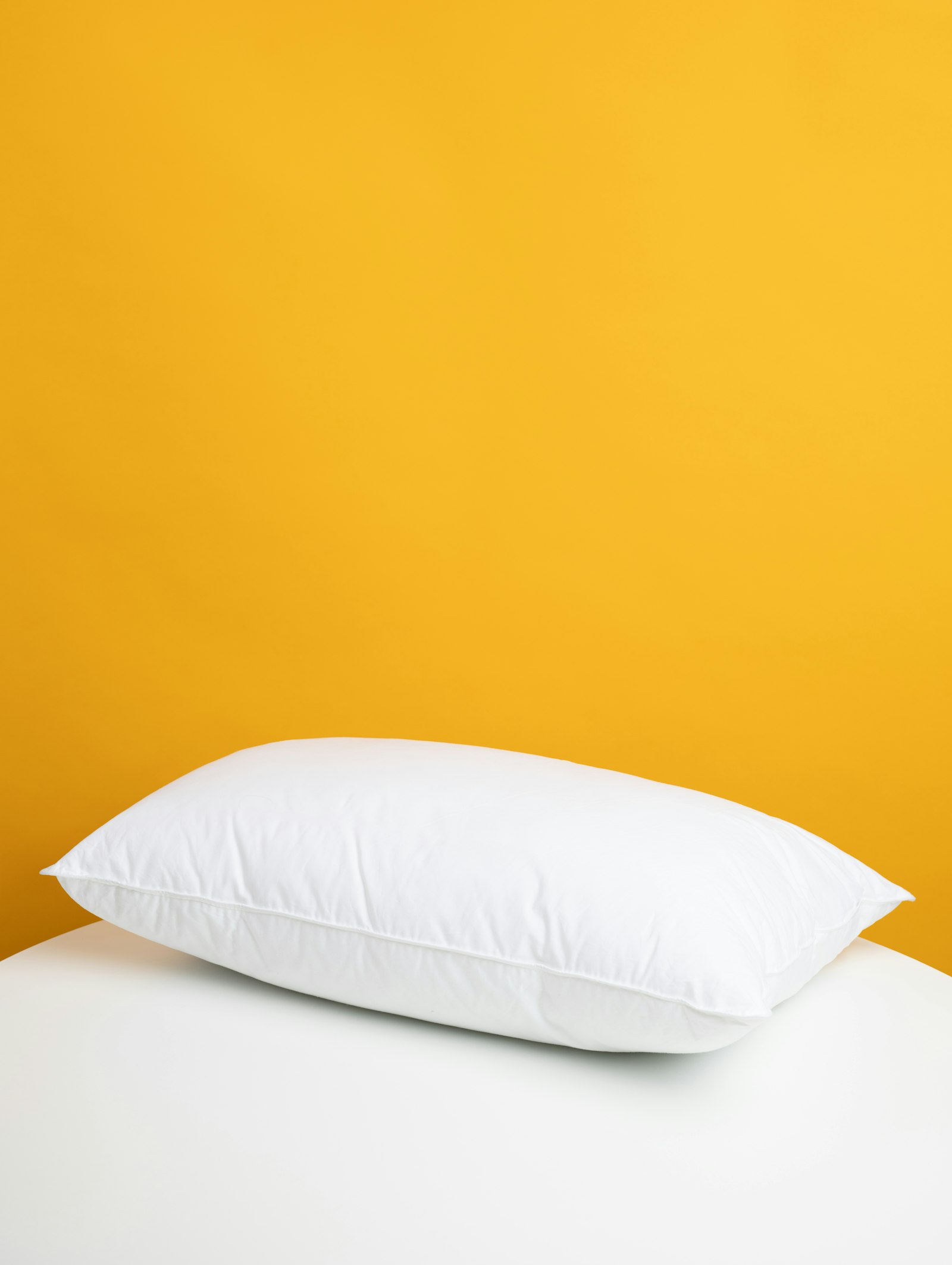
A pillow that’s too thick pushes your neck forward. Too thin, and your neck bends the other way. Either way, you wake up with stiffness, headaches, or that nagging neck pain that never quite goes away.
Smart pillows promise to fix this — with features like:
But are they worth the premium price? Let’s find out.
What Makes a Pillow “Smart”?
Smart pillows typically include one or more of these features:
1. Built-in Audio
Small, flat speakers embedded in the pillow let you listen to:The advantage over earbuds: nothing in or on your ears. You can sleep on your side without discomfort.
2. Cooling Technology
Some smart pillows use:If you sleep hot, this can be a game-changer.
3. Sleep Tracking
Sensors in the pillow can track:This is less accurate than wearable trackers but completely passive — you don’t have to wear anything.
4. Adjustable Loft
Some smart pillows let you add or remove filling to customize the height. This is actually the most useful feature for most people.Best Smart Pillows on Amazon
🥇 ZEEQ Smart Pillow — Best Overall
Price: ~$150-200 Features: Built-in speakers, sleep tracking, anti-snoring, adjustable fill
The ZEEQ is the most full-featured smart pillow on the market:
The speakers are surprisingly good — you can hear them clearly but your partner can’t (if you keep the volume reasonable). The snoring feature works for mild snorers but won’t fix severe sleep apnea.
Get the ZEEQ Smart Pillow on Amazon → (affiliate link)
🥈 Moona Smart Pillow — Best for Hot Sleepers
Price: ~$300-400 Features: Active cooling/warming, sleep tracking, water-based temperature control
The Moona is a different beast — it uses a small water unit that circulates temperature-controlled water through the pillow. You can set it to cool you down at bedtime and gently warm you before your alarm.
It’s expensive, but if temperature is your main sleep problem, nothing else comes close.
Get the Moona Smart Pillow on Amazon → (affiliate link)
🥉 Purple Harmony Pillow — Best “Smart” Design (Not High-Tech)
Price: ~$150-180 Features: Temperature-neutral grid, adjustable loft, responsive support
This isn’t “smart” in the tech sense — it has no speakers or sensors. But it’s one of the most intelligently designed pillows:
If you want a pillow that’s engineered for sleep without the tech complexity, this is it.
Get the Purple Harmony Pillow on Amazon → (affiliate link)
Budget Pick: SleepPhones Wireless
Price: ~$40-50 Features: Built-in Bluetooth speakers in a soft headband
Not technically a pillow, but solves the same problem: audio without earbuds. This soft headband has flat speakers that let you listen to anything while lying in any position.
If you just want audio without earbuds, this is much cheaper than a smart pillow.
Get SleepPhones on Amazon → (affiliate link)
Smart Pillow Comparison Table
| Feature | ZEEQ | Moona | Purple Harmony | SleepPhones |
|---|---|---|---|---|
| Price | ~$175 | ~$350 | ~$165 | ~$45 |
| Speakers | ✅ | ❌ | ❌ | ✅ |
| Sleep Tracking | ✅ | ✅ | ❌ | ❌ |
| Cooling | ❌ | ✅ (active) | ✅ (passive) | ❌ |
| Anti-Snore | ✅ | ❌ | ❌ | ❌ |
| Adjustable Loft | ✅ | ❌ | ✅ | N/A |
| Best For | Most people | Hot sleepers | Support seekers | Audio lovers |
The TCM Perspective on Pillows
In Traditional Chinese Medicine, the pillow you use matters more than you’d think:
Height: TCM recommends a pillow that keeps your spine aligned — not too high, not too low. A pillow that’s too high “obstructs the flow of qi” to the head. Too low allows “wind” to enter the neck.
Material: Traditional Chinese pillows were filled with:
If you want a traditional approach, a buckwheat pillow is an excellent choice — it’s adjustable, breathable, and has been used in Asia for centuries.
How to Choose the Right Pillow for Your Sleep Position
This matters more than any “smart” feature:
Side Sleepers (60% of people)
Back Sleepers (15% of people)
Stomach Sleepers (10% of people)
Combination Sleepers (15% of people)
Are Smart Pillows Worth It?
Yes, if:
No, if:
For most people, a well-chosen regular pillow + sleep mask + earplugs will do more than any smart pillow. But if audio or temperature is your specific problem, smart pillows solve it elegantly.
The Bottom Line
Smart pillows are a niche product — they solve specific problems (audio, temperature, snoring) that regular pillows can’t. But they’re not magic, and they’re not necessary for most people.
If you want the best overall smart pillow, the ZEEQ is the most feature-complete. If temperature is your issue, the Moona is unmatched. And if you just want audio, SleepPhones are a fraction of the price.
But don’t overlook the basics: the right loft, the right material, and the right firmness for your sleep position will do more for your sleep than any amount of technology.
Browse Smart Pillows on Amazon → (affiliate link)
Related Articles
This article is for informational purposes only. It’s not medical advice — for any sleep disorder or health condition, please consult a qualified healthcare provider.
- Built-in speakers for white noise or sleep stories
- Cooling technology to prevent overheating
- Sleep tracking sensors
- Adjustable height/loft
- Gentle vibration alarms
- White noise or nature sounds
- Sleep stories or guided meditations
- Music or podcasts
- Phase-change materials that absorb heat
- Gel layers that stay cool
- Active cooling systems with small fans
- Sleep duration
- Sleep stages (light, deep, REM)
- Snoring detection
- Head movement
- 8 built-in speakers for audio
- Snoring detection that gently vibrates to encourage position change
- Sleep tracking via the app
- Adjustable memory foam fill
- Removable, washable cover
- Precise temperature control (65-105°F / 18-40°C)
- Sleep tracking via sensors
- Gentle wake-up with gradual warming
- App control
- Purple Grid Hex technology that stays cool
- Responsive to your head position
- Doesn’t flatten over time like memory foam
- Multiple loft options
- Washable fabric
- 8-hour battery
- Bluetooth connectivity
- Comfortable for side sleepers
- Buckwheat hulls — conform to your head, stay cool
- Dried herbs (chrysanthemum, lavender) — calming aromatherapy
- Bamboo — naturally cool
- Tea leaves — subtle scent, believed to calm the mind
- Need: Medium to high loft, firm support
- Goal: Fill the gap between shoulder and head
- Best: Adjustable loft pillows (ZEEQ, buckwheat)
- Need: Low to medium loft, medium firmness
- Goal: Support the natural curve of your neck
- Best: Contoured memory foam, Purple Harmony
- Need: Very thin or no pillow
- Goal: Avoid neck extension
- Best: Thin, soft pillow (or none)
- Need: Medium loft, responsive material
- Goal: Works for multiple positions
- Best: Purple Harmony, adjustable fill pillows
- You want audio without earbuds (ZEEQ or SleepPhones)
- You sleep hot and need active cooling (Moona)
- You want passive sleep tracking without wearables
- You’ve tried regular pillows and still have neck pain
- You already have a pillow that works for you
- You’re on a budget (a good regular pillow + sleep mask + earplugs is cheaper)
- You already use a wearable sleep tracker
- You have severe sleep issues (see a doctor instead)
- Best Sleep Masks (Light-Blocking, Heated, Smart) — Another sleep environment upgrade
- The Ideal Bedroom Temperature for Sleep — Temperature matters as much as your pillow
- Best Sleep Position (Back, Side, Stomach) — Your position determines your pillow needs
This article is for informational purposes only. It’s not medical advice — for any health condition, please consult a qualified healthcare provider.