This article contains affiliate links. We may earn a commission if you buy through these links at no extra cost to you.
Chinese Herbal Teas for Better Sleep
In this article: The traditional Chinese herbal teas that have helped millions sleep for centuries — which ones work, how to prepare them, and which tea matches your specific sleep problem.
The Tea Ritual That Changed My Sleep
In my family, bedtime wasn’t a switch — it was a process. Around 9 PM, my mother would start brewing tea. Not the caffeinated kind we drank during the day, but a gentle herbal blend that signaled to my body: the day is ending.
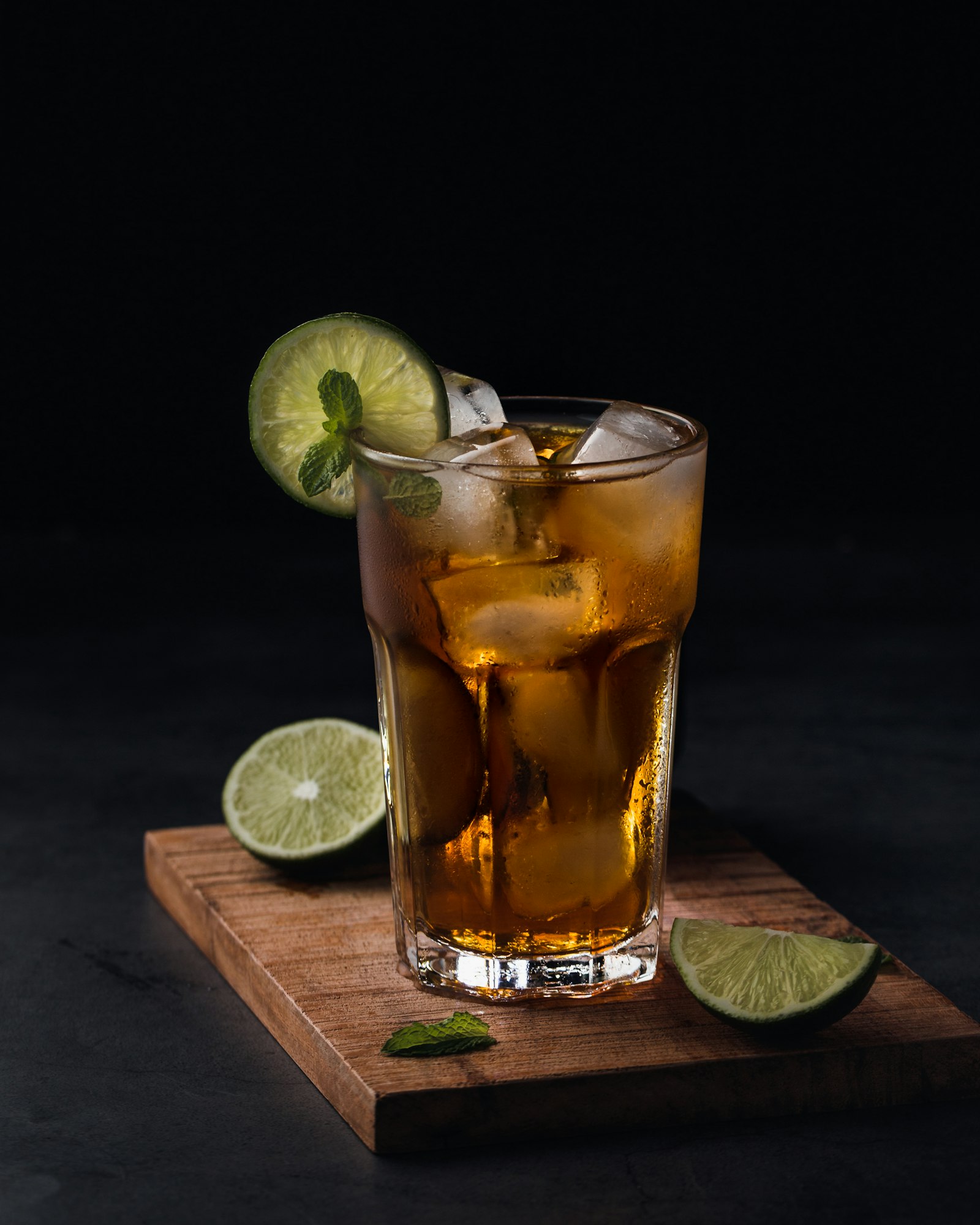
This wasn’t just tradition. Each herb was chosen for a specific purpose — calming the mind, nourishing the blood, settling the spirit. And it worked. I’d fall asleep easily, sleep deeply, and wake up refreshed.
When I moved to the West and stopped this ritual, my sleep deteriorated. Not because I forgot how to sleep, but because I lost the transition between waking and resting.
Here are the teas that work best — and why.
The Science Behind Herbal Sleep Teas
Before we get to specific herbs, let’s understand how they work:
1. GABA Activation
Many sleep herbs work by enhancing GABA (gamma-aminobutyric acid) — the neurotransmitter that calms the nervous system. The same system targeted by anti-anxiety medications, but much gentler.2. Melatonin Support
Some herbs contain compounds that support natural melatonin production, helping regulate your sleep-wake cycle.3. Muscle Relaxation
Herbs like chamomile and lavender contain compounds that relax smooth muscle, reducing physical tension that keeps you awake.4. Nervous System Regulation
Adaptogenic herbs help balance the autonomic nervous system, shifting from “fight or flight” to “rest and digest.”The Best Chinese Herbal Teas for Sleep
🥇 Jujube Tea (红枣茶) — The All-Purpose Sleep Tea
What it is: Tea made from dried red dates (jujube)
Why it works:
Best for: Everyone, especially those with blood deficiency (pale face, dizziness, fatigue)
How to prepare:
Taste: Sweet, slightly fruity, comforting
🥈 Longan Tea (桂圆茶) — The Calming Tea
What it is: Tea made from dried longan fruit
Why it works:
Best for: People with anxiety, racing thoughts, or heart palpitations at night
How to prepare:
Taste: Sweet, aromatic, slightly floral
🥉 Lotus Seed Tea (莲子茶) — The Mind-Calming Tea
What it is: Tea made from lotus seeds (with or without the green embryo)
Why it works:
Best for: People with anxiety, insomnia, or racing thoughts (Fire or Earth types)
How to prepare:
Taste: Mildly sweet (seeds) to very bitter (embryo)
Chrysanthemum Tea (菊花茶) — The Cooling Tea
What it is: Tea made from dried chrysanthemum flowers
Why it works:
Best for: Wood types with irritability, headaches, or eye problems
How to prepare:
Taste: Light, floral, slightly sweet
Goji Berry Tea (枸杞茶) — The Nourishing Tea
What it is: Tea made from dried goji berries
Why it works:
Best for: People with dry eyes, night sweats, or yin deficiency
How to prepare:
Taste: Sweet, slightly tart
Blended Sleep Teas
The real power comes from combining herbs. Here are traditional blends:
The “Calm Spirit” Blend
Effect: Deeply calming, nourishes blood and heart
The “Clear Mind” Blend
Effect: Clears heat, calms the liver, cools the mind
The “Deep Rest” Blend
Effect: Comprehensive sleep support, nourishes multiple organ systems
Modern Herbal Sleep Teas
If you prefer convenience, these brands combine traditional herbs in tea bags:
Traditional Medicinals Nighty Night
Yogi Bedtime Tea
Triple Leaf Tea Relaxation
How to Make the Perfect Sleep Tea
Temperature
Timing
Amount
Sweetener
Teas to AVOID Before Bed
Not all tea is sleep-friendly. Avoid:
Safe choices: Herbal teas only (chamanthemum, longan, jujube, lotus, goji)
The TCM Perspective
In TCM, tea is medicine. The temperature, flavor, and herb choice all matter:
The act of brewing and drinking tea is also therapeutic. The ritual signals to your body: the day is ending, it’s time to rest. This transition is crucial — your body doesn’t have a switch, it needs a gradient.
The Bottom Line
Chinese herbal teas for sleep aren’t folklore — they’re pharmacologically active preparations with real mechanisms of action. Jujube nourishes blood. Longan calms the spirit. Lotus seeds clear heart fire. Chrysanthemum cools the liver.
Start with one tea. Brew it consistently. Notice how your body responds. Then experiment with blends.
The best sleep tea is the one you’ll actually drink every night.
Related Articles
This article shares traditional wellness knowledge from a Chinese cultural perspective. It’s educational, not medical advice — for any health condition, please consult a qualified professional.
- Nourishes blood and calms the spirit (养血安神)
- Contains saponins that have sedative effects
- Supports spleen function (better digestion = better sleep)
- Naturally sweet, no need for sugar
- Nourishes heart blood and calms the shen (养心安神)
- Contains adenosine, which promotes sleepiness
- Reduces anxiety and palpitations
- Warming nature, good for cold constitutions
- The embryo (莲子心) is bitter and clears heart fire
- The seed itself nourishes the spleen
- Contains lotus plumule alkaloids that have sedative effects
- Specifically targets the “shen” (spirit)
- Clears liver heat and calms the eyes
- Cooling nature — good for “hot” constitutions
- Contains apigenin, which binds to GABA receptors
- Reduces headaches and eye strain from screens
- Nourishes liver and kidney yin
- Contains zeaxanthin and antioxidants
- Supports eye health (the liver “opens to the eyes”)
- Mild sedative effect
- Longan (10 pieces)
- Red dates (5 pieces)
- Lotus seeds (10 pieces)
- Chrysanthemum (8 flowers)
- Goji berries (1 tablespoon)
- Mint (3-4 leaves)
- Jujube (5 pieces)
- Longan (10 pieces)
- Goji berries (1 tablespoon)
- Lotus seeds (10 pieces)
- Contains chamomile, passionflower, and valerian
- Western herbs with similar mechanisms to Chinese herbs
- Widely available
- ~$5-8 per box
- Contains chamomile, valerian, and skullcap
- Pleasant taste
- Affordable
- ~$4-6 per box
- Chinese herbal blend
- Contains chrysanthemum and other TCM herbs
- Authentic Chinese formula
- ~$4-6 per box
- Delicate flowers (chrysanthemum, jasmine): Steep at 175-185°F (80-85°C)
- Seeds and fruits (jujube, longan, lotus): Simmer at full boil
- General rule: Flowers steep, seeds simmer
- Best time: 1-2 hours before bed
- Not right before bed: You don’t want to wake up to use the bathroom
- Consistent ritual: Same time every night signals your body
- 1-2 cups is ideal
- Not too much: Excessive fluids before bed = bathroom trips
- Small cup is fine: It’s the ritual and the herbs, not the volume
- Best: Rock sugar (冰糖) — traditional, mild, cooling
- Good: Honey — add after tea cools slightly
- Avoid: White sugar — it’s stimulating, not calming
- Green tea — contains caffeine (even decaf has some)
- Black tea — high caffeine
- Oolong tea — moderate caffeine
- White tea — lower caffeine but still present
- Pu-erh tea — can be stimulating
- Sweet teas (jujube, longan) nourish the spleen and blood
- Bitter teas (lotus embryo) clear heart fire
- Floral teas (chrysanthemum) move liver qi
- Warm teas support yang; cool teas support yin
- Magnesium for Sleep: Which Type Works Best? — Combine with herbal tea for maximum effect
- TCM Sleep Tips: The 5 Elements and Your Sleep — Find which tea matches your element
- Foot Soaking Before Bed: A TCM Sleep Ritual — Pair with tea for a complete bedtime routine
- Use 5-8 dried jujube dates
- Simmer in 2 cups of water for 15-20 minutes
- Strain and drink warm, 1-2 hours before bed
- Use 10-15 dried longan fruits
- Simmer in 2 cups of water for 15 minutes
- Add a few red dates for extra benefit
- Drink warm before bed
- Use 15-20 lotus seeds (keep the green embryo for stronger effect)
- Simmer in 3 cups of water for 20-30 minutes
- Strain and drink warm
- The longer you simmer, the stronger the effect
- Use 8-10 dried chrysanthemum flowers
- Steep in hot water (not boiling) for 5-7 minutes
- Add goji berries for extra liver support
- Drink in the evening
- Use 1 tablespoon of dried goji berries
- Steep in hot water for 10-15 minutes
- Eat the berries after drinking the tea
- Combine with chrysanthemum for liver support
This article is for informational purposes only. It’s not medical advice — for any health condition, please consult a qualified healthcare provider.