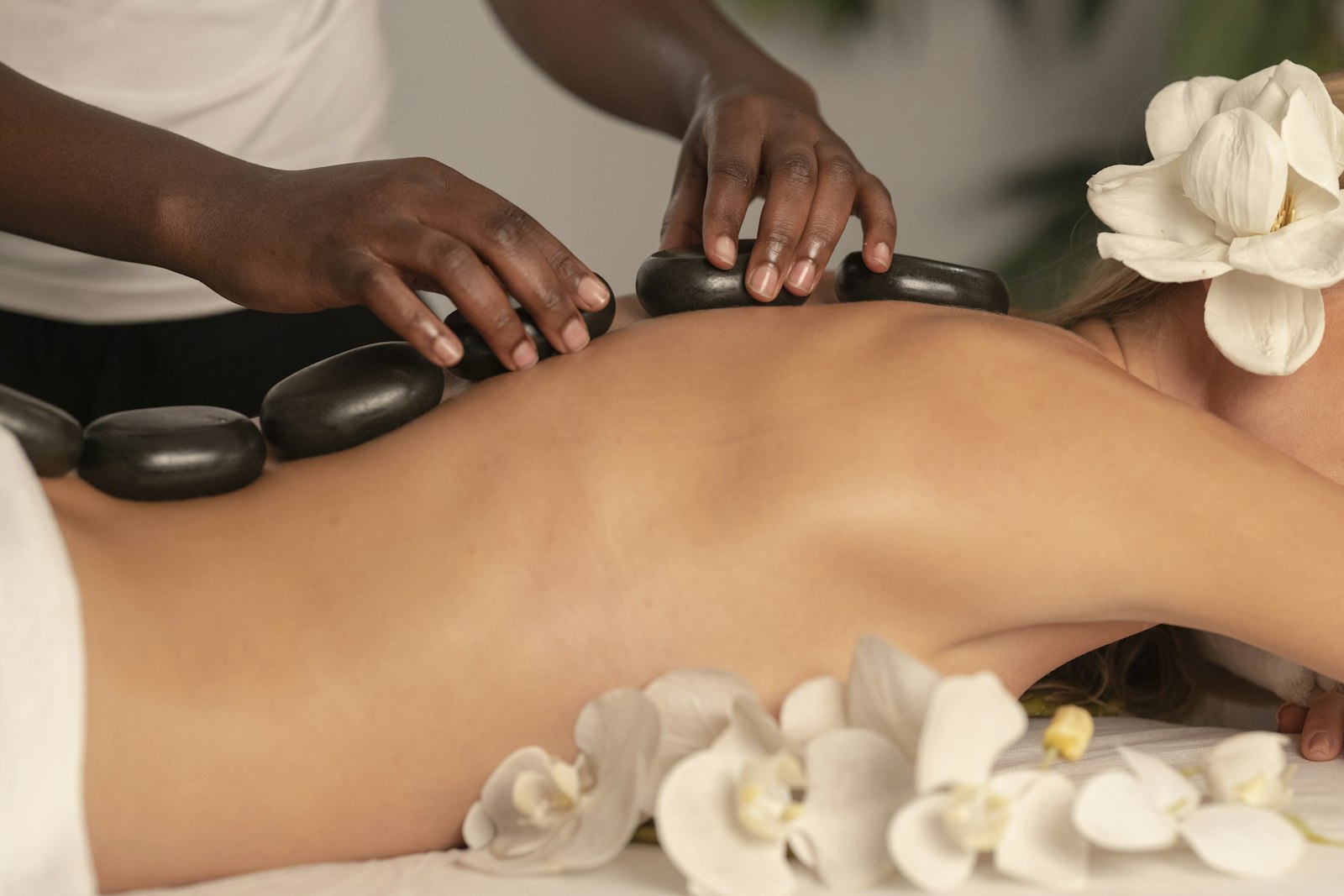
The 2016 Olympics changed everything. When Michael Phelps walked onto the pool deck with those perfectly circular purple marks across his shoulders, the world had one question: what happened to him? The answer was older than the Olympics themselves — cupping therapy (拔罐, bá guàn), a Chinese medical practice that’s been leaving marks on bodies for over two thousand years. Within 48 hours, “cupping” was the most Googled health term in America. But what those circular bruises actually mean — and why millions of Chinese people swear by them — is a story much deeper than a sports trend.
What Is Cupping?
Cupping is a therapy in which cups are placed on the skin and suction is created — either by heating the air inside the cup or by using a mechanical pump. The suction pulls the skin and superficial muscle layer upward into the cup, creating those distinctive circular marks. The purpose? To move stagnant blood and Qi, release tension, and draw out pathogenic factors from the body.
In TCM terms, cupping does three things simultaneously:
- Moves Qi and blood — breaks up stagnation in the muscles and meridians
- Dispels cold and dampness — draws out pathogenic factors that have settled in the body
- Relieves pain — by releasing muscle tension and improving local circulation
The earliest written record of cupping appears in Bo Shu (帛书), an ancient Chinese medical text dating to around 168 BCE. But archaeological evidence suggests the practice is much older — possibly as old as acupuncture. For most of Chinese medical history, cupping was as common as taking aspirin is in the West. Every village practitioner had a set of cups. Every family knew someone who did it.
How It Actually Works
There are several types of cupping, and understanding them helps you know what to expect:
Dry Cupping (干罐)
The most common form. Cups are placed on the skin and left in position for 5-15 minutes. The suction draws blood to the surface, creating the characteristic circular marks. This is what you saw on Michael Phelps. It’s primarily used for pain relief, muscle tension, and general Qi circulation.
Wet Cupping (刺血拔罐)
A more intensive technique. The practitioner first makes small, shallow incisions in the skin with a three-edged needle, then places the cup over the area. The suction draws out a small amount of blood — typically just a few drops. In TCM, this is believed to “release heat toxins” from the blood. Wet cupping is used for more severe conditions: acute pain, stubborn stagnation, and heat-related conditions. It’s more common in clinical settings than home use.
Sliding Cupping (走罐)
Oil is applied to the skin, and the cup is moved along the muscles while maintaining suction. It’s like a deep-tissue massage in reverse — instead of pressing down, it pulls up. This technique covers larger areas and is excellent for back pain, shoulder stiffness, and general tension. It leaves streaks rather than circles.
Flash Cupping (闪罐)
Cups are quickly placed and removed in rapid succession over the same area. The repeated stimulation warms the area and promotes Qi flow without leaving marks. This is the gentlest form, often used for elderly patients, children, or people with sensitive skin.
| Type | Method | Best For | Marks? |
|---|---|---|---|
| Dry | Cups placed, suction only | Pain, tension, stagnation | Circles |
| Wet | Small cuts + suction | Heat toxins, acute pain | Circles + tiny scabs |
| Sliding | Cups moved with oil | Large area tension, back pain | Streaks |
| Flash | Rapid on-off | Sensitive skin, children | Minimal |
What Do the Marks Mean?
This is the question everyone asks — and the answer reveals the diagnostic depth of cupping. In TCM, the color, pattern, and duration of the marks tell a story.
| Mark Color | TCM Interpretation | What It Means |
|---|---|---|
| Dark purple / black | Severe blood stagnation | Old, stuck blood in the area — chronic tension or injury |
| Red / bright red | Heat | The area has excess heat — inflammation or overuse |
| Pale / light pink | Qi deficiency | Poor circulation, low energy in the area |
| Dark with dots | Dampness + stagnation | Moisture trapped in the tissues — common in humid climates |
| No marks at all | Qi and blood flowing well | The area is healthy — less treatment needed |
An experienced practitioner uses the marks the way a doctor uses a blood test — as data. Darker marks in one area indicate more stagnation there. Marks that fade quickly suggest good recovery. Marks that linger for a week or more suggest deeper, more chronic issues. Over successive sessions, the marks should get lighter and fade faster — a sign that the treatment is working.
“The marks aren’t bruises in the Western sense. A bruise is trauma. Cupping marks are diagnostic — they show you where the body is holding tension, cold, or stagnation. The body releases what it’s been carrying.”
What Cupping Treats
Cupping isn’t just for athletes. In Chinese medicine, it’s used for a surprisingly wide range of conditions:
Pain Conditions
- Back pain — the most common reason people seek cupping. Sliding cupping along the膀胱经 (Bladder meridian, which runs along the spine) is a standard treatment.
- Neck and shoulder tension — desk workers, drivers, and anyone who holds stress in their shoulders.
- Sciatica — cupping along the affected meridian can relieve nerve compression.
- Headaches — cupping on the upper back and neck can release tension headaches.
Respiratory Conditions
- Colds and flu — cupping on the upper back during the early stages of a cold can help the body “push out” the pathogen.
- Cough — especially productive cough with phlegm.
- Asthma — cupping on specific back points can open the chest.
Digestive Issues
- Bloating and indigestion — cupping on the abdomen (done gently) can move stuck Qi in the digestive tract.
- Constipation — abdominal cupping stimulates bowel motility.
Emotional and General
- Stress and anxiety — the parasympathetic activation from cupping can be deeply calming.
- Fatigue — cupping stimulates Qi flow and can boost energy.
- Skin conditions — wet cupping is used for acne, eczema, and psoriasis in TCM.
Your First Cupping Session: What to Expect
If you’ve never had cupping, here’s what actually happens:
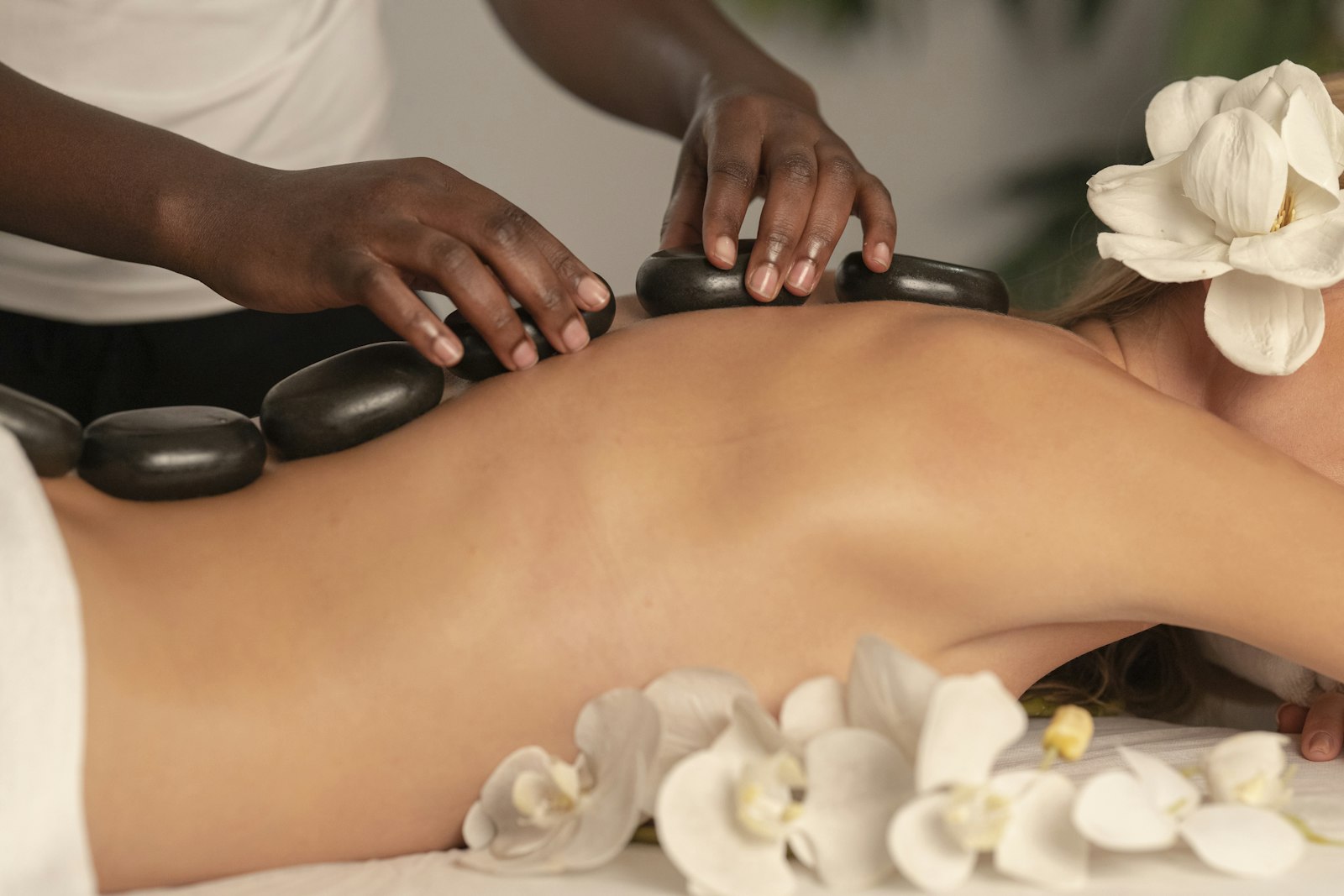
- Assessment. The practitioner asks about your symptoms, feels your pulse, looks at your tongue, and decides where to place the cups.
- Preparation. You lie face-down (for back cupping) and the practitioner applies oil if doing sliding cupping.
- Placement. Cups are placed on specific points. You’ll feel a pulling sensation — firm but not painful. If it’s too intense, tell the practitioner; they can release some suction.
- Waiting. The cups stay in place for 5-15 minutes. Many people find this deeply relaxing — some fall asleep.
- Removal. The practitioner releases the suction (usually by pressing the skin near the rim) and removes the cups. The marks will be visible immediately.
- Aftercare. Keep the cupped areas covered and warm for 24 hours. Avoid cold showers, swimming, and wind exposure. The marks fade in 3-7 days (sometimes up to 10 days for dark marks).
Does It Hurt?
The suction itself feels like a deep, pulling pressure — not sharp pain. Some areas are more sensitive than others (the upper back is usually comfortable; the inner thighs can be intense). If you’re in genuine pain, the suction is too strong — tell your practitioner. After the session, the marked areas may feel slightly sore, like a mild sunburn. This passes within a day.
Cupping vs. Other Therapies
| Feature | Cupping | Massage | Acupuncture |
|---|---|---|---|
| Pressure direction | Pulls upward | Presses down | Stimulates points |
| Covers area | Large surface area | Large surface area | Specific points |
| Leaves marks | Yes (diagnostic) | Usually not | Rarely |
| Best for | Stagnation, cold/damp | Muscle tension | Organ regulation |
| Duration | 15-30 min | 30-90 min | 20-40 min |
| Cost | $30-80 | $60-150 | $50-120 |
In practice, many TCM practitioners combine cupping with acupuncture or massage in a single session. They’re complementary, not competing.
Safety and Contraindications
Cupping is generally very safe when performed by a trained practitioner. But there are important caveats:
- Avoid on broken skin, wounds, or active infections.
- Not recommended during pregnancy (especially on the abdomen and lower back).
- Be cautious if you’re on blood thinners — wet cupping may cause more bleeding than expected.
- People with skin conditions like eczema or psoriasis should consult their practitioner first.
- Stay hydrated before and after sessions.
- Don’t cup over major arteries or on the face (except by experienced practitioners using small cups).
The biggest safety concern isn’t the cupping itself — it’s untrained practitioners. In the West, cupping has become trendy, and not everyone offering it has proper training. Look for a licensed acupuncturist or TCM practitioner with specific cupping experience.
Common Questions
Are the marks bruises?
Technically, they’re ecchymosis — broken capillaries under the skin from suction. But unlike a bruise from trauma, cupping marks aren’t painful (beyond mild soreness) and don’t indicate tissue damage. They’re a sign of blood being drawn to the surface, and they fade naturally within a week. The darker the mark, the more stagnation was present in that area.
How often should I get cupping?
For acute issues (a cold, a back spasm), daily or every-other-day sessions for a week. For chronic maintenance (desk-job tension, general wellness), once a week or every two weeks. Your practitioner will adjust based on how your marks look and how you respond.
Can I do cupping at home?
Home cupping kits are available (silicone cups are the safest for self-use), but I recommend learning from a professional first. Incorrect placement can be ineffective at best and harmful at worst. The back is relatively safe for self-cupping; the front of the body has more sensitive organs. If you do home cupping, use silicone cups (not fire cups), start with light suction, and limit sessions to 5-10 minutes.
Is cupping scientifically proven?
The evidence is growing but mixed. A 2012 meta-analysis in PLoS ONE found cupping may be effective for pain conditions, particularly neck and back pain. A 2018 review in the Journal of Alternative and Complementary Medicine found moderate evidence for musculoskeletal pain. However, many studies are small or lack rigorous controls. The challenge: cupping is hard to “blind” (you can see the marks), which makes gold-standard trials difficult. What’s undeniable is the two millennia of clinical experience and the millions of patients who report benefit.
What’s the connection between cupping and acupuncture?
Both work on the same meridian system. Acupuncture uses needles to stimulate specific points; cupping uses suction over larger areas. Many TCM practitioners use both in the same session — acupuncture for deep organ regulation, cupping for surface-level tension and stagnation. They’re two tools in the same toolbox.
The bottom line: Cupping isn’t a fad invented for Olympic athletes. It’s a two-thousand-year-old therapy with a coherent medical logic: pull stagnant blood and Qi to the surface, release what the body has been holding, and let fresh circulation take its place. Those circular marks aren’t evidence of harm — they’re evidence of release. Whether you try it for a stubborn backache, chronic tension, or simple curiosity, cupping offers something that few modern therapies do: a visible record of your body letting go.
This article explores traditional Chinese therapeutic practices for educational purposes. Cupping should be performed by a trained and licensed practitioner. Consult your healthcare provider before starting any new therapy, especially if you have underlying health conditions or are taking medication.
About the Author
Yu Xi Zhang is a Chinese wellness writer with over 15 years of study in Traditional Chinese Medicine. Raised in a family that practiced daily TCM wellness, she bridges Eastern traditions and Western understanding. Read more at The Still Flow.