My American roommate in college ate a entire bag of dried mangoes, three bowls of spicy ramen, and stayed up until 4 AM gaming. The next morning he woke up with a sore throat, a mouth ulcer, and a red pimple on his nose. “I think I’m getting sick,” he said. My mother would have diagnosed him in two seconds: “Shàng huǒ le” — you’ve got internal heat. And no, it’s not a fever. It’s something Western medicine doesn’t quite have a word for, but that every Chinese person instinctively understands.
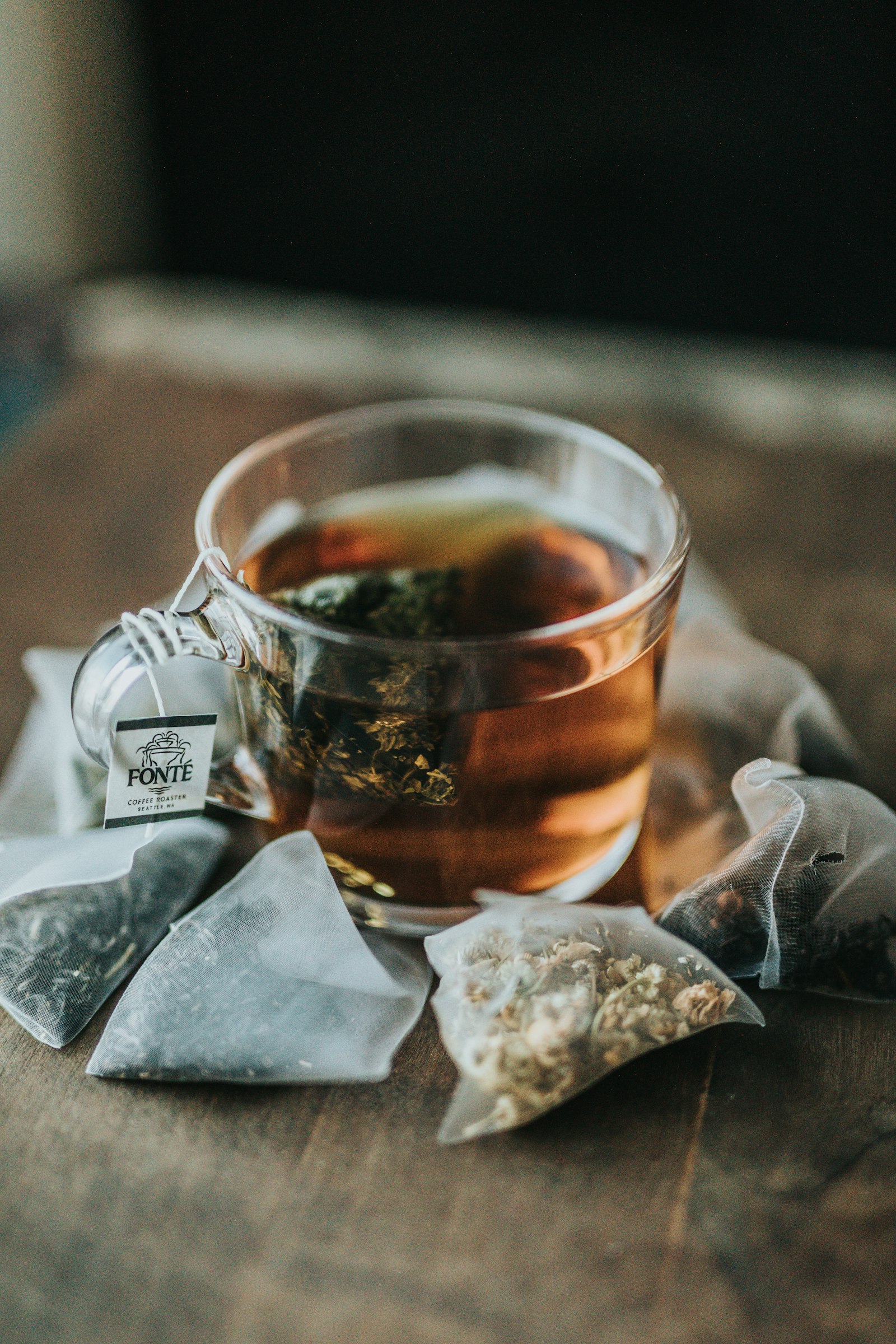
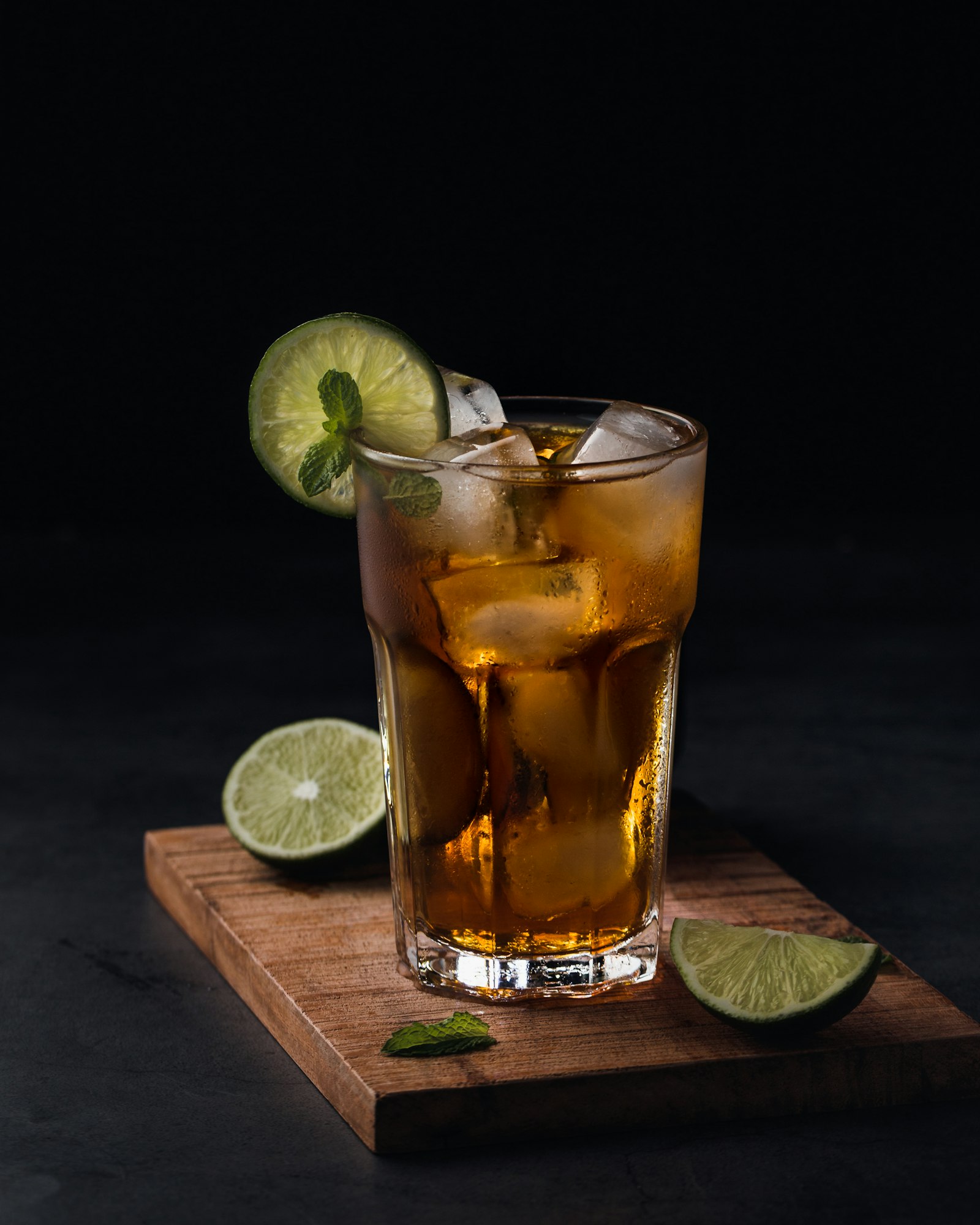 Chinese tea ceremony setup with warm amber tea, representing the cooling remedy for internal heat in Chinese medicine” loading=”lazy”/>
Shanghuo (上火) is one of the most commonly used terms in everyday Chinese — and one of the most confusing for Westerners. It translates loosely to “internal heat” or “getting fired up,” but it’s not about temperature. It’s about balance. And once you understand what it actually means, you’ll start seeing it everywhere.
What Is Shanghuo?
In Chinese medicine, your body is a dynamic balance between Yin (cooling, moistening, calming energy) and Yang (warming, activating, energizing energy). When this balance tips too far toward Yang — when there’s more heat than your body can process — you get shanghuo.
Think of it like a car engine. A little heat is necessary — it’s what makes the engine run. But if the cooling system fails, the engine overheats. Shanghuo is your body overheating. Not with a fever (that’s a different mechanism), but with a cluster of inflammatory, irritant symptoms that Chinese medicine has been treating for millennia.
“Shanghuo isn’t a disease. It’s a signal — your body telling you that something you did (or ate, or felt) pushed it out of balance.”
The concept is so deeply embedded in Chinese culture that parents say it to their children as casually as Western parents say “you’ll catch a cold.” A child who eats too much fried chicken hears: “Don’t eat so much — you’ll shanghuo!” A student pulling all-nighters before exams: “You’re going to shanghuo!” It’s the default explanation for a dozen everyday ailments.
The Symptoms: How to Know You’re “On Fire”
Shanghuo doesn’t show up as one dramatic symptom. It’s a constellation of small, annoying complaints that tend to cluster together:
| Symptom | TCM Explanation | Western Equivalent |
|---|---|---|
| Sore throat (not from a cold) | Heat rising to the throat | Mild pharyngeal inflammation |
| Mouth ulcers (canker sores) | Heart fire blazing upward | Aphthous ulcers |
| Pimples / acne flare-up | Heat toxins erupting through skin | Inflammatory acne |
| Red, bloodshot eyes | Liver fire rising to the eyes | Mild conjunctival irritation |
| Dry, cracked lips | Yin deficiency, insufficient fluids | Dehydration, angular cheilitis |
| Constipation | Heat drying the intestines | Reduced bowel motility |
| Dark yellow urine | Heat concentrating fluids | Concentrated urine (dehydration) |
| Irritability / restlessness | Heart and Liver fire disturbing the mind | Stress response, poor sleep |
| Nosebleeds | Heat forcing blood upward | Dry nasal membranes |
| Bitter taste in mouth | Gallbladder heat | Acid reflux, bile changes |
If you recognize three or more of these happening together — especially after a period of eating poorly, sleeping badly, or feeling stressed — a Chinese medicine practitioner would say you’ve got shanghuo. The beauty of the concept is that it connects symptoms that Western medicine treats as unrelated. Your sore throat, your acne, and your irritability aren’t three separate problems — they’re one pattern: too much heat.
What Causes Shanghuo?
Chinese medicine identifies two main pathways to internal heat: diet and lifestyle. Both are painfully modern.
Dietary Causes
- Spicy food — the #1 offender. Chili peppers, Sichuan peppercorns, hot pot — all generate heat directly. This is why every hot pot restaurant in China serves cooling herbal tea on the side.
- Fried and greasy food — deep-fried anything creates “phlegm-heat” in TCM. French fries, fried chicken, doughnuts — all shanghuo fuel.
- Dried fruits and nuts (in excess) — cashews, peanuts, dried mango, chocolate. Warming foods eaten in large quantities tip the balance.
- Alcohol — all alcohol is warming in TCM. Beer is damp-heat; spirits are pure heat. Binge drinking is a fast track to shanghuo.
- Red meat (in excess) — lamb and beef are warming meats. Great in winter; problematic in summer or in large quantities.
- Coffee — warming and drying. Two cups are fine; five cups a day will shanghuo you.
Lifestyle Causes
- Staying up late — the single most common lifestyle cause. In TCM, 11 PM to 3 AM is when Yin is restored. Skip it, and Yin depletes while Yang runs unchecked. This is why students during exam season and programmers on deadline are classic shanghuo patients.
- Chronic stress and anger — emotional fire. Frustration, rage, and bottled-up anger all generate Liver fire, which rises upward and causes headaches, red eyes, and irritability.
- Overwork without rest — burning the candle at both ends depletes Yin, leaving nothing to counterbalance Yang.
- Hot weather without cooling — summer heat can invade the body, especially if you’re already prone to heat.
The Two Types of Shanghuo
Not all shanghuo is the same. Chinese medicine distinguishes between two main types, and the treatment is completely different:
Excess Heat (实火, shí huǒ)
This is when you’ve genuinely overloaded your system with heat-producing substances. You ate too much spicy food, drank too much, or were exposed to extreme heat. The symptoms are loud and aggressive: severe sore throat, angry red pimples, dark urine, intense irritability. This type responds well to clearing and draining — bitter, cold foods and herbs that directly extinguish the fire.
Deficiency Heat (虚火, xū huǒ)
This is more subtle — and more common in modern life. You haven’t eaten anything particularly “hot.” Instead, you’ve depleted your Yin through chronic熬夜 (staying up late), overwork, or prolonged stress. With less Yin to balance it, your normal Yang energy appears relatively excessive. The symptoms are milder but chronic: low-grade sore throat that comes and goes, dry mouth at night, mild acne, a feeling of heat in the palms and chest. This type needs nourishing Yin — not just clearing heat, but rebuilding the cooling side.
| Excess Heat (实火) | Deficiency Heat (虚火) | |
|---|---|---|
| Cause | Too much heat input | Too little Yin to balance |
| Onset | Sudden, after a trigger | Gradual, chronic |
| Symptoms | Severe, intense | Mild, persistent |
| Treatment | Clear heat (bitter, cold foods) | Nourish Yin (cooling, moistening foods) |
| Common in | Young people after binge eating/drinking | Office workers, students, chronic stayer-up-late |
How to Put Out the Fire: TCM Remedies
The Chinese approach to shanghuo is beautifully practical: use food as medicine. Every Chinese family has a mental list of “cooling” (清热, qīng rè) remedies. Here are the most trusted ones:
1. Chrysanthemum Tea (菊花茶)
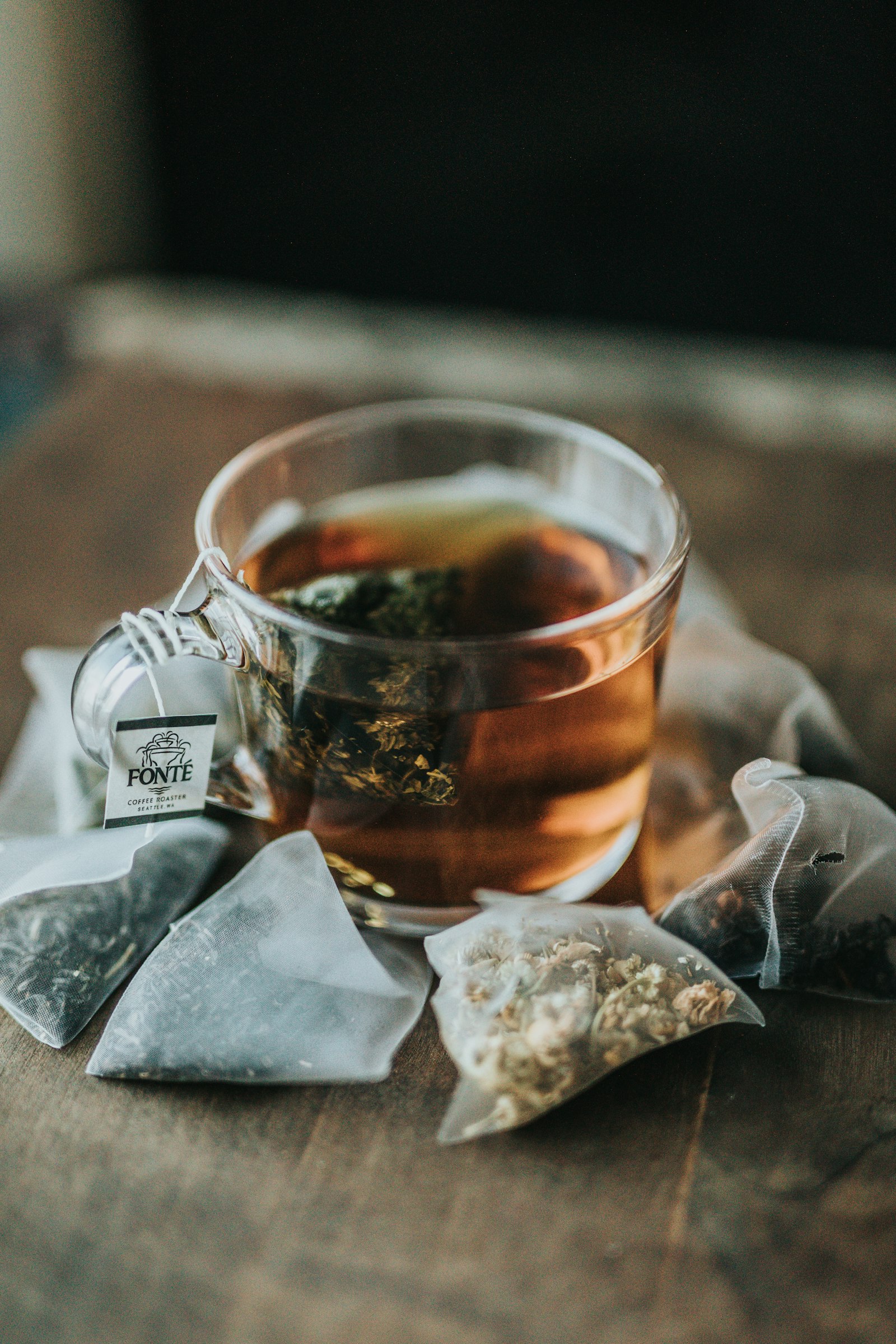
The king of cooling teas. Chrysanthemum flowers (júhuā) are sweet, slightly bitter, and cooling. They clear Liver heat and brighten the eyes — perfect for red eyes, headaches, and irritability after熬夜. Steep 5-8 dried flowers in hot water for 5 minutes. Add goji berries for extra eye-nourishing power. Drink 2-3 cups daily during a shanghuo episode.
2. Mung Bean Soup (绿豆汤)
The Chinese summer survival food. Mung beans (lǜ dòu) are cooling and detoxifying. Boil a cup of mung beans in water until soft, add a little rock sugar, and drink the soup. In southern China, this is served cold at every restaurant in summer. It’s not just refreshing — it genuinely clears heat toxins from the body.
3. Bitter Melon (苦瓜)
If there’s a food that screams “I clear heat,” it’s bitter melon. Intensely bitter, powerfully cooling. Stir-fry it with eggs, juice it with apple, or stuff it with meat and steam it. The bitterness is the medicine — in TCM, bitter flavors drain heat downward and out of the body. It’s an acquired taste, but it works.
4. Pear Soup (冰糖雪梨)
Pears are cooling and moistening — perfect for the sore throat and dry mouth type of shanghuo. Core a pear, fill the cavity with rock sugar and a few Sichuan almonds (川贝), steam for 30 minutes, and eat the whole thing. This is the classic Chinese remedy for a dry, irritated throat.
5. Luo Han Guo (罗汉果)
Monk fruit — intensely sweet but zero calories, and powerfully cooling to the lungs and throat. Break a dried fruit into pieces, steep in hot water, and drink. This is what Chinese people reach for when they have a sore throat from shanghuo. It’s available in most Asian grocery stores.
6. Honey Pomelo Tea (蜂蜜柚子茶)
Pomelo (yòu) is cooling and helps resolve phlegm-heat. The prepared tea — pomelo peel simmered with honey — is a sweet, tangy drink that soothes the throat and clears heat. You can find jars of it in Asian supermarkets, or make it at home. Two tablespoons in warm water, twice daily.
The Foods to Avoid When You’re Shanghuo
Putting out the fire while feeding it is pointless. When you’re shanghuo, avoid:
- 🌶️ Spicy food — chili, Sichuan pepper, hot sauce, curry
- 🍟 Fried food — anything deep-fried, greasy stir-fries
- 🥩 Red meat — especially lamb and beef (warming meats)
- 🍫 Chocolate and dried fruits — warming and heat-generating
- ☕ Excess coffee — one cup is fine; three is fuel on the fire
- 🍺 Alcohol — all types, but especially spirits
- 🔥 Warming spices — cinnamon, cloves, fennel (great when you’re cold, terrible when you’re hot)
Prevention: The Best Medicine
The Chinese approach to shanghuo isn’t just treatment — it’s prevention through awareness. Here are the habits that keep the fire from starting:
- Sleep before 11 PM. This is the single most important preventive measure. The hours before midnight are when Yin is rebuilt. Miss them, and you’re running on fumes.
- Balance your meals. If you eat hot pot, drink chrysanthemum tea. If you have spicy Sichuan food, follow it with mung bean soup. Chinese dining is about balancing temperatures within a meal.
- Drink enough water. Room temperature or warm. Dehydration concentrates heat.
- Manage your emotions. Frustration, anger, and resentment are literal fire in TCM. Find outlets — exercise, talking, writing, breathing.
- Eat seasonally. Summer calls for more cooling foods (watermelon, cucumber, mung bean). Winter allows more warming foods (ginger, lamb, cinnamon). Eating the wrong temperature for the season is a setup for shanghuo.
Common Questions
Is shanghuo the same as inflammation?
Partially. Shanghuo overlaps with low-grade inflammation — the sore throat, the mouth ulcers, the skin flare-ups are all inflammatory responses. But shanghuo is a broader pattern that includes subjective sensations (feeling hot, irritability) and functional changes (constipation, dark urine) that don’t always show up on a blood test. It’s a clinical pattern, not a lab marker.
Can you shanghuo from emotions alone?
Absolutely. In TCM, the “Seven Emotions” (七情) are recognized causes of internal imbalance. Anger and frustration generate Liver fire. Anxiety and worry generate Heart fire. Grief and sadness, when prolonged, can generate Lung heat. This is why shanghuo symptoms often flare during stressful periods — exams, breakups, work crises — even when your diet hasn’t changed.
Why do Chinese people say “don’t shanghuo” so much?
Because the concept is incredibly practical. It’s a shorthand for a complex pattern of symptoms that would take Western medicine multiple specialists to address. “You’re shanghuo” is faster than “you have mild pharyngeal inflammation, aphthous ulcers, inflammatory acne, and subclinical dehydration caused by dietary and lifestyle factors.” It’s a cultural tool for self-awareness.
Is shanghuo dangerous?
Usually not. It’s a temporary imbalance that responds well to dietary adjustment. But chronic, unaddressed shanghuo — the kind that comes from years of poor sleep, constant stress, and heavy drinking — can contribute to more serious conditions over time. In TCM, prolonged heat damages Yin, which can eventually affect organ function. Think of it as a check engine light: annoying in the short term, important to address in the long term.
Can Westerners get shanghuo?
Of course. Shanghuo isn’t an ethnicity — it’s a physiological pattern. Anyone who eats too much spicy food, sleeps too little, and lives under too much stress will experience the symptoms. The difference is that Chinese people have a name for it and a toolkit to address it. Most Westerners just pop ibuprofen for the sore throat and benzoyl peroxide for the acne, treating symptoms without addressing the pattern.
The bottom line: Shanghuo is Chinese medicine’s elegant shorthand for a pattern of inflammatory symptoms caused by dietary and lifestyle excess. It’s not a disease — it’s a signal. And the Chinese response is beautifully simple: eat cooling foods, sleep earlier, drink more water, and calm down. No pharmaceuticals needed. The next time your throat feels scratchy, your mouth is ulcerated, and your skin is acting up, ask yourself: Did I shanghuo? The answer — and the remedy — might be simpler than you think.
This article explores traditional Chinese wellness concepts from a cultural perspective. It is not a substitute for professional medical advice. If you experience persistent or severe symptoms, consult a qualified healthcare provider.
About the Author
Yu Xi Zhang is a Chinese wellness writer with over 15 years of study in Traditional Chinese Medicine. Raised in a family that practiced daily TCM wellness, she bridges Eastern traditions and Western understanding. Read more at The Still Flow.