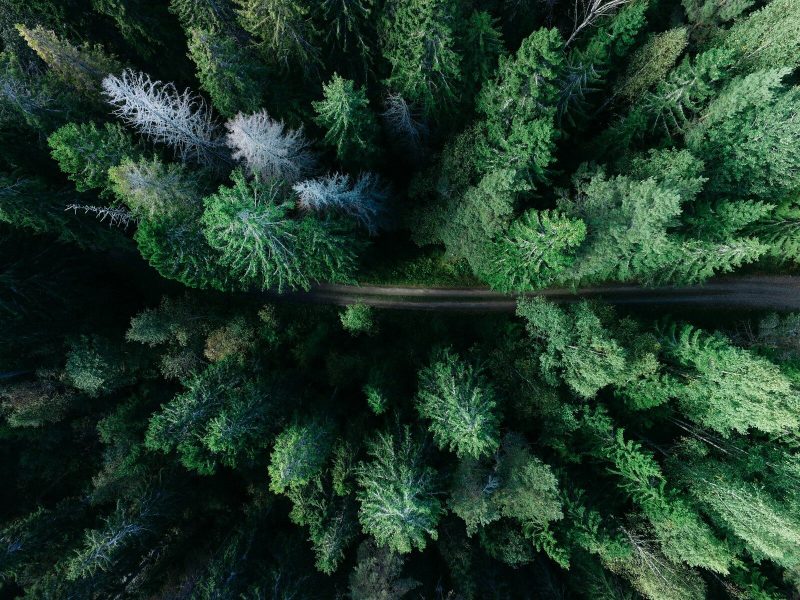
Summer is loud. It’s the season of barbecues, music festivals, and the relentless hum of air conditioners. In Traditional Chinese Medicine (TCM), summer is ruled by the Fire element—a time of vibrant, expansive energy. But if we’re not careful, that inner fire can flare into irritability, heatstroke, and exhaustion. My grandmother used to say that when your temper runs hot, you need to cool the “Heart Fire.” Her prescription wasn’t a cold drink, but a slow, quiet walk under the canopy of trees. This is the essence of forest bathing, or Shinrin-yoku, reinterpreted through a TCM lens. It’s not just a walk in the woods; it’s a strategic practice to cool your qi, calm your mind, and harmonize with summer’s potent energy.
Why Summer Drains Your Qi (And How Trees Replenish It)
In TCM, summer’s yang energy is expansive and outward. We stay up later, socialize more, and push ourselves to enjoy every long day. This outward flow can deplete our yin—the cooling, moistening, and inward aspect of our being. Think of yin like the coolant in your car’s engine. Without enough, the engine overheats. Symptoms of summer yin deficiency include night sweats, a red face, irritability, thirst, and that feeling of being “wired but tired.”
This is where forest bathing becomes a powerful TCM remedy. Trees, especially in full summer leaf, emit compounds called phytoncides. These are not just pleasant smells; they are volatile organic compounds that trees release to protect themselves from insects and disease. When we breathe them in, our bodies respond by increasing the number and activity of our natural killer (NK) cells—a key part of our immune system. A 2010 study in Environmental Health and Preventive Medicine found that a 3-day forest bathing trip increased NK cell activity by 50%, and that boost lasted for more than 30 days.
From a TCM perspective, this is profoundly cooling. The immune system, or Wei Qi, is our defensive energy that circulates on the surface of the body. When it’s strong, we feel resilient and calm. The act of breathing in phytoncides and being surrounded by the green, yin energy of the forest directly nourishes this Wei Qi, helping to anchor our scattered, hot summer energy.
The TCM Map of the Forest: Choosing Your Trees
Not all forest environments are created equal in TCM. For summer cooling, you want to seek out specific types of “qi landscapes.” My grandfather, a practitioner of qigong, would specifically seek out groves of pine trees for his morning practice. He said their qi was “upright and clean.”
- Pine and Cypress Trees (Wood Element): These evergreens are considered to have a strong, stable, and cleansing qi. Their phytoncides are particularly potent. The Wood element governs the Liver, which is easily agitated by summer heat, leading to frustration. A pine forest helps smooth Liver qi.
- Bamboo Groves (Wood Element, but with a cooling quality): Bamboo is a symbol of resilience and flexibility. In TCM, it’s known to clear heat and calm the spirit. A walk through a bamboo forest is like a direct infusion of yin energy.
- Willow Trees by Water (Water Element): Willows love water, and in TCM, they carry that moisture and cooling energy. A riverbank lined with willows is a perfect summer location. The Water element nourishes the Kidneys, our deep source of yin and yang.
- Avoid: Dry, Open, Sun-Baked Fields: While beautiful, these environments have strong yang energy and little shade. They can further deplete your fluids and yin, leaving you more drained.
When you arrive, take a moment to orient yourself. In qigong, we face the direction that harmonizes with the season. For summer, it’s traditionally south, the direction of the Fire element. Find a spot where you feel a sense of calm and welcome.
A Guided 90-Minute Forest Bathing Session for Cooling
This isn’t a hike. There’s no destination. The goal is to move slowly enough that your senses can wake up. Schedule this for early morning (before 10 am) or late afternoon (after 4 pm) to avoid the peak yang heat of midday.
| Time | Focus | TCM Purpose |
|---|---|---|
| 0-15 min | Arrival & Grounding. Stand still. Feel your feet on the earth. Take 7 deep breaths, exhaling longer than you inhale (4 counts in, 6 counts out). This activates the parasympathetic nervous system. | Anchors scattered Heart Fire. Connects to Earth element for stability. |
| 15-40 min | Slow Wander & Touch. Walk at a snail’s pace. Touch the bark of a tree. Feel its texture, its temperature. Sit on a mossy rock. Let your hands brush through ferns. | Engages the Spleen (Earth) through tactile sensation, which helps transform dampness and calm the mind. |
| 40-60 min | Sound Bath & Listening. Find a comfortable spot to sit or lie down. Close your eyes. Focus only on the sounds: birds, rustling leaves, distant water. Don’t label them, just receive them. | Nourishes Kidney Yin. The Water element is associated with the ears and deep listening. |
| 60-80 min | Visual Meditation (Green Gaze). Softly focus your eyes on a patch of green leaves. Let the color fill your vision. Green is the color of the Wood element, which soothes the Liver. | Cools Liver Fire, reduces anger and frustration. The eyes are the sensory organ of the Liver. |
| 80-90 min | Gratitude & Closing. Place a hand on your lower abdomen (Lower Dantian). Take 3 final deep breaths, feeling gratitude for the forest’s gift. Walk back out slowly. | Stores the gathered qi in your energetic core. Completes the cycle of receiving and integrating. |
Deep Dive: The Concept of “Phytoncide Qi”
Let’s unpack one idea deeply: phytoncides as a form of qi. In Western science, phytoncides are antimicrobial volatile organic compounds. In TCM, qi is the vital energy that flows through all living things. We can bridge these ideas. The phytoncide is the physical carrier of the tree’s qi—the chemical signature of its life force. When we inhale it, we are literally breathing in the tree’s defensive, stabilizing energy.
This isn’t metaphor. The measurable increase in NK cells is a physical manifestation of receiving this qi. The reduction in cortisol (the stress hormone) is the calming of our internal Fire. The drop in blood pressure is the easing of tension in our channels. Forest bathing, then, is a form of qi absorption. You are using your lungs, your largest sensory organ, to take in the cooling, immune-boosting qi of the wood element.
“When we walk into a forest, we are walking into a pharmacy, a cathedral, and a therapist’s office all at once. The trees are giving us their medicine freely.”

Integrating Forest Qi into Your Summer Diet
Your forest bathing session doesn’t have to end when you leave the trees. You can support its cooling effects with specific foods and teas. After a session, your pores are open and your qi is receptive. This is the perfect time for a light, nourishing meal.
Post-Forest Bathing Meal Ideas:
- Cooling Mung Bean Soup: Mung beans (lu dou) are a TCM superstar for clearing summer heat. Soak 1/2 cup of dried mung beans for 4 hours, then simmer with 6 cups of water and a small piece of kombu seaweed for 1 hour. Add a few slices of fresh ginger to aid digestion. Eat warm, not cold.
- Chrysanthemum & Goji Berry Tea: This classic TCM tea clears Liver heat and brightens the eyes. Steep 5-6 dried chrysanthemum flowers and a tablespoon of goji berries in hot water for 5 minutes. You can find both at any Asian supermarket.
- Simple Leafy Green Salad with Mint: Use fresh, local greens. Add a handful of fresh mint leaves. Mint is cooling and helps release exterior heat. Dress with a simple mix of lemon juice, a touch of honey, and olive oil.
Avoid iced drinks right after your session. In TCM, extreme cold constricts the channels and can trap the heat you just worked to release. Room temperature or warm beverages are best to keep the qi flowing smoothly.
Common Questions
I live in a city with no access to a forest. What can I do?
The principles are transferable. A city park with mature trees is your best bet. Find a quiet grove of trees, even if it’s just a few large oaks or maples. A botanical garden is another excellent option. The key is to find a green space where you can be undisturbed for at least 30 minutes and practice the same mindful, sensory-based approach. Even a single, large tree in your backyard can be a focal point for a short 10-minute “tree gazing” meditation.
Is there a best time of day for summer forest bathing?
Absolutely. In TCM, we follow the clock of the body’s energy. The period of 7-9 am (Stomach time) is excellent, as it aligns with nourishment. The period of 5-7 pm (Kidney time) is also superb, as it supports your deep yin reserves. Avoid the 11 am-1 pm window (Heart time), as this is when Fire energy is at its peak and you want to cool down, not amplify it.
Can I combine forest bathing with other practices like qigong?
Yes, and it’s a wonderful combination. After your initial 30-40 minutes of slow, sensory wandering, find a quiet spot to perform a simple qigong set. The “Eight Brocades” (Ba Duan Jin) is a perfect choice, especially the first move, “Holding Up the Heavens,” which stretches the meridians and helps regulate qi. You can also practice simple standing meditation (Zhan Zhuang) under a tree, imagining its stable, upright energy flowing into you through the crown of your head. The forest environment will amplify the benefits of your practice.
The bottom line: Forest bathing in summer is a direct, powerful TCM prescription for cooling your inner fire. By mindfully immersing yourself in a wood or forest environment, you breathe in immune-boosting phytoncides (tree qi), calm your nervous system, and nourish your depleted yin energy. Choose a pine or bamboo forest, move slowly, engage your senses, and follow up with cooling foods like mung bean soup. It’s a simple, profound way to stay balanced and resilient through the hottest months.
This article is for educational purposes and reflects traditional wellness perspectives. It is not a substitute for professional medical advice, diagnosis, or treatment.