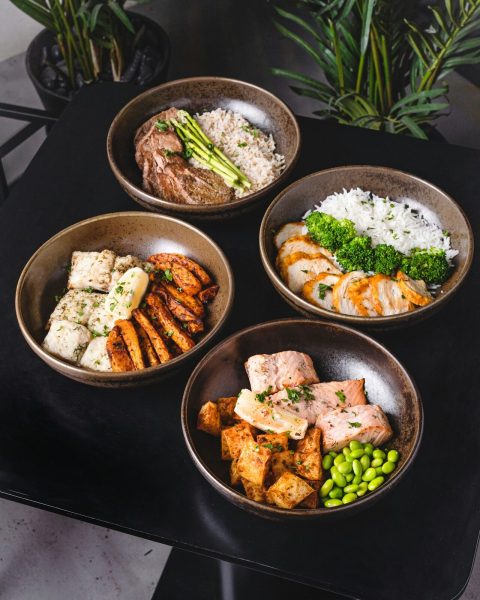
In this article: Why Chinese medicine treats the Spleen as your body’s energy engine, what “weak Spleen” actually feels like, and 7 daily habits to nourish it — explained by someone who grew up with this stuff.
The Idea That Confuses Every Westerner
If you ask a doctor in the West what the spleen does, you’ll get a shrug. “It filters blood… stores platelets… you can actually live without it.” In Western medicine, the spleen is almost a footnote.
But in Traditional Chinese Medicine (TCM), the Spleen (脾, pí) is one of the most important organs in your entire body. It’s the engine of energy. It’s the root of digestion. And when it’s weak, you feel it — even if no blood test can explain why.
I grew up in a Chinese household where “your Spleen is weak” (脾胃不好) was said as casually as “you look tired.” It meant: you’re bloated, you’re sluggish, your digestion is off, you crave sweets, and a heavy meal knocks you out.
This article explains what that actually means — and what you can do about it.
What the “Spleen” Really Means in TCM
Here’s the first thing to understand: when TCM says “Spleen,” it doesn’t mean the physical organ anatomists dissect. It refers to a functional system — a network responsible for:
- Transforming food into energy (what TCM calls Qi and blood)
- Transporting that energy to every part of your body
- Keeping things in their place (like holding organs up, holding blood in vessels)
Think of it as your body’s digestive and energy-distribution headquarters. When it works well, you eat, you extract nutrients, you feel energized. When it doesn’t, food sits heavy, you feel foggy, and no amount of coffee fixes it.
Quick translation guide:
| TCM says | It roughly maps to |
|---|---|
| “Weak Spleen” | Sluggish digestion, low energy after eating, bloating |
| “Spleen Qi deficiency” | Chronic fatigue, easy bruising, loose stools |
| “Dampness in the Spleen” | Heaviness, brain fog, water retention |
Signs Your Spleen Needs Help
You don’t need a diagnosis to notice these. Most of my Western friends recognize them instantly once I list them:
- You crash after meals — especially after heavy, greasy, or cold food
- You’re always tired but blood tests come back “normal”
- Your digestion is unpredictable — bloating, gas, loose stools
- You crave sweets or carbs for quick energy
- You feel “heavy” — physically and mentally sluggish
- You bruise easily or your muscles feel weak
- Your tongue has teeth marks along the edges (a classic TCM sign)
If you nodded at three or more of these, the rest of this article is for you.
Why Modern Life Destroys the Spleen
Here’s the part that surprises people: the way most of us live is basically a Spleen-destroying machine. TCM identified the main “enemies” of the Spleen centuries ago, and they sound like a description of modern life:
- Cold food and drinks — ice water, raw salads, smoothies on an empty stomach
- Irregular eating — skipping meals, then overeating
- Too much thinking — yes, in TCM, the Spleen is linked to worry and overthinking. Desk workers burn out the Spleen.
- Damp environments — humidity, sitting in wet clothes, living in damp places
- Lack of movement — the Spleen needs gentle activity, not marathon-level exertion
Sound familiar? This is why “Spleen weakness” is so common today. Our lifestyle is basically designed to weaken it.
7 Simple Habits to Nourish Your Spleen
The good news: the Spleen responds well to small, consistent changes. Here are the seven I grew up with — and still practice.
1. Drink Warm Water
This is the #1 rule in my family. Cold drinks “extinguish the Spleen’s fire.” Room temperature or warm water, especially in the morning. If you take only one thing from this article, take this.
2. Eat Cooked, Warm Food
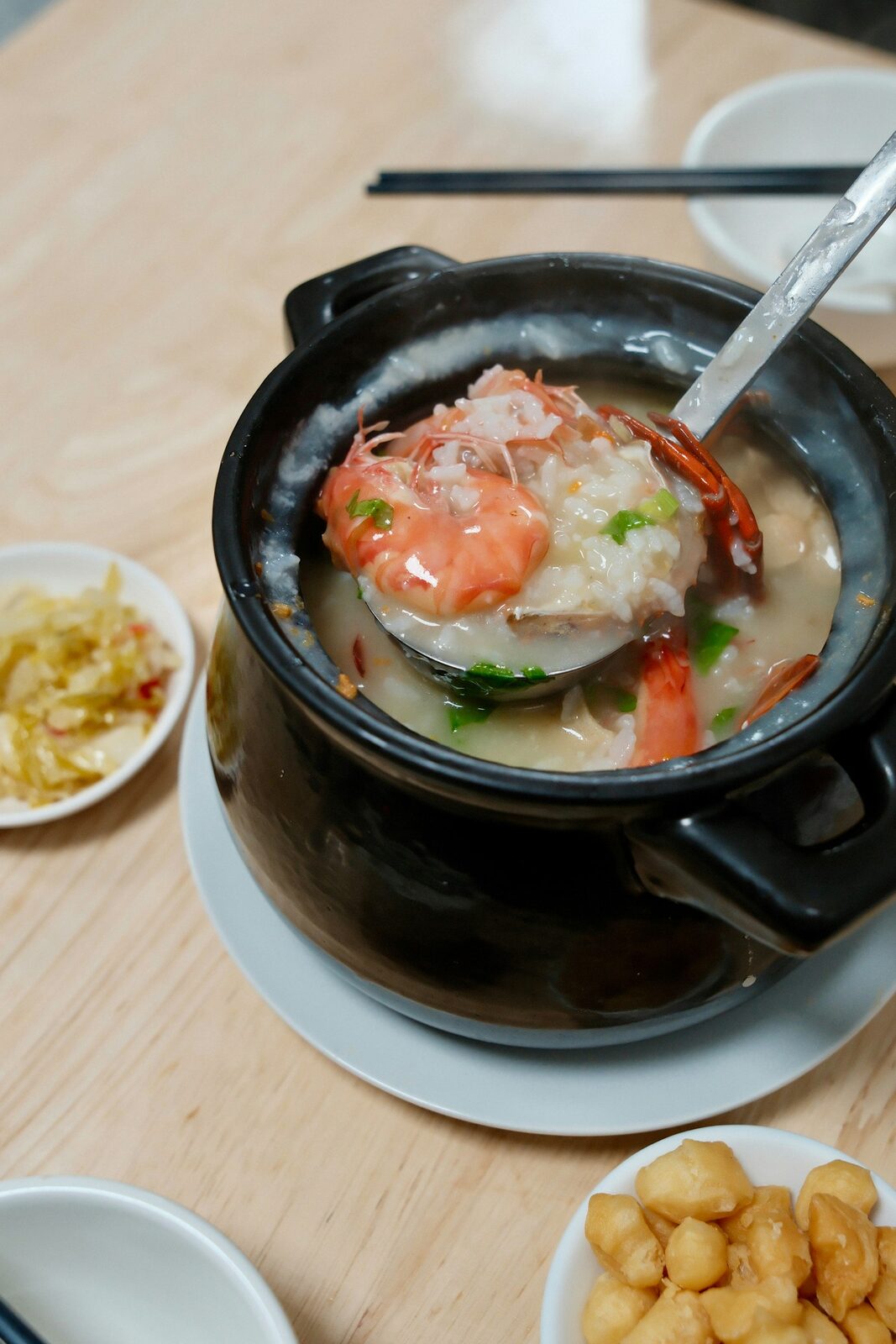
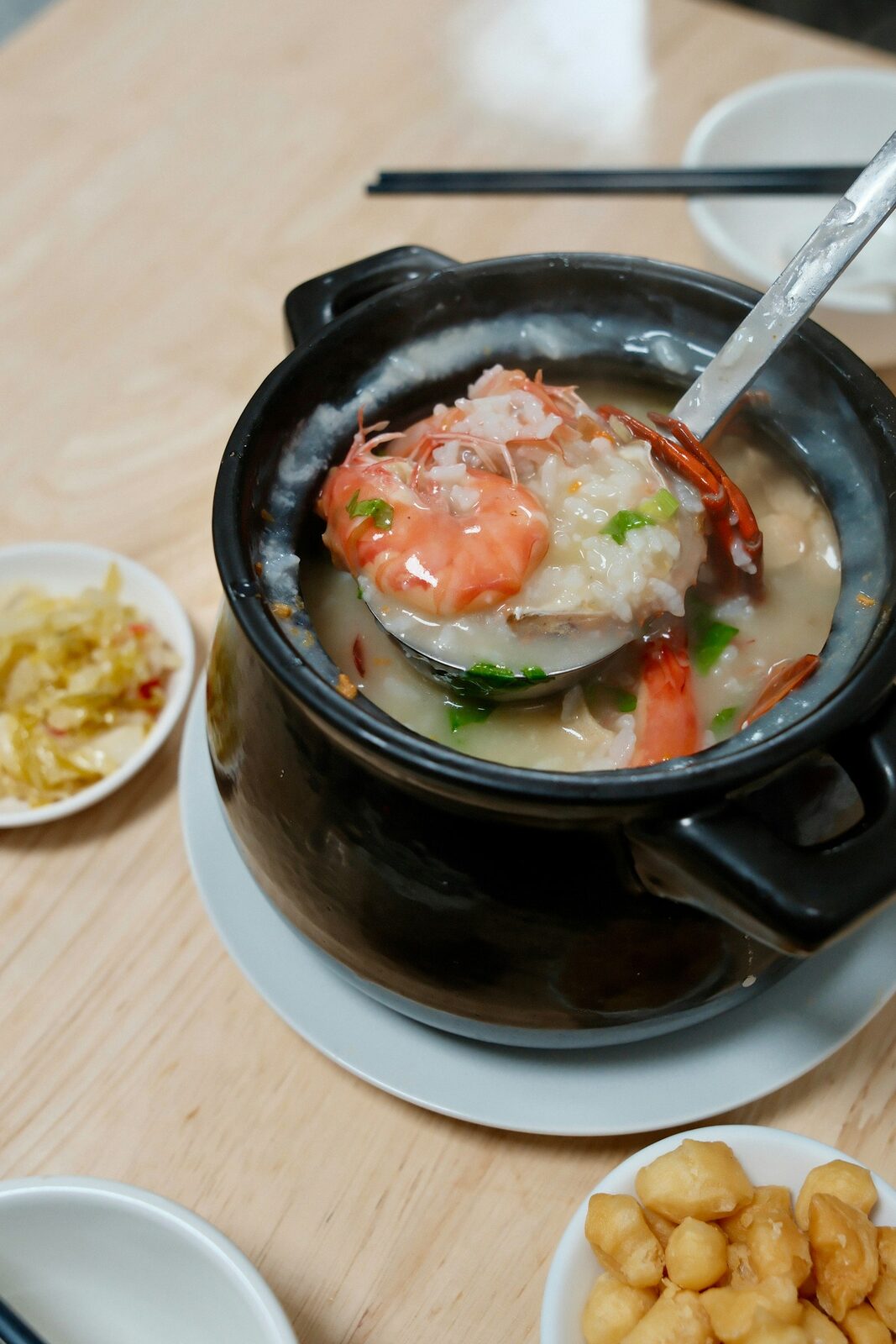
Raw salads and ice-cold smoothies are fashionable, but they’re hard work for a weak Spleen. Soups, stews, congee (rice porridge), steamed vegetables — these are “pre-digested” by cooking, so your Spleen doesn’t have to work as hard.
3. Add These warming foods
In TCM, foods have “temperatures.” To support the Spleen, lean warm-natured:
- Ginger — the MVP. A few slices in hot water after meals.
- Red dates (jujube) — sweet, warming, blood-building.
- Sweet potato, pumpkin, rice, oats — “sweet” in TCM nourishes the Spleen.
- Chinese yam (shanyao) — a true Spleen tonic.
4. Don’t Drink During Meals
This one shocked my Western friends. Sipping water while eating dilutes digestive “fire.” Drink 30 minutes before or after, not during. Small sips are fine; chugging is not.
5. Stop Overthinking
In TCM, the Spleen houses thought. Chronic worry literally drains it. This is why people who think for a living (students, programmers, writers) often have weak digestion. Build in breaks. Walk without your phone. Breathe.
6. Move Gently — Don’t Exhaust
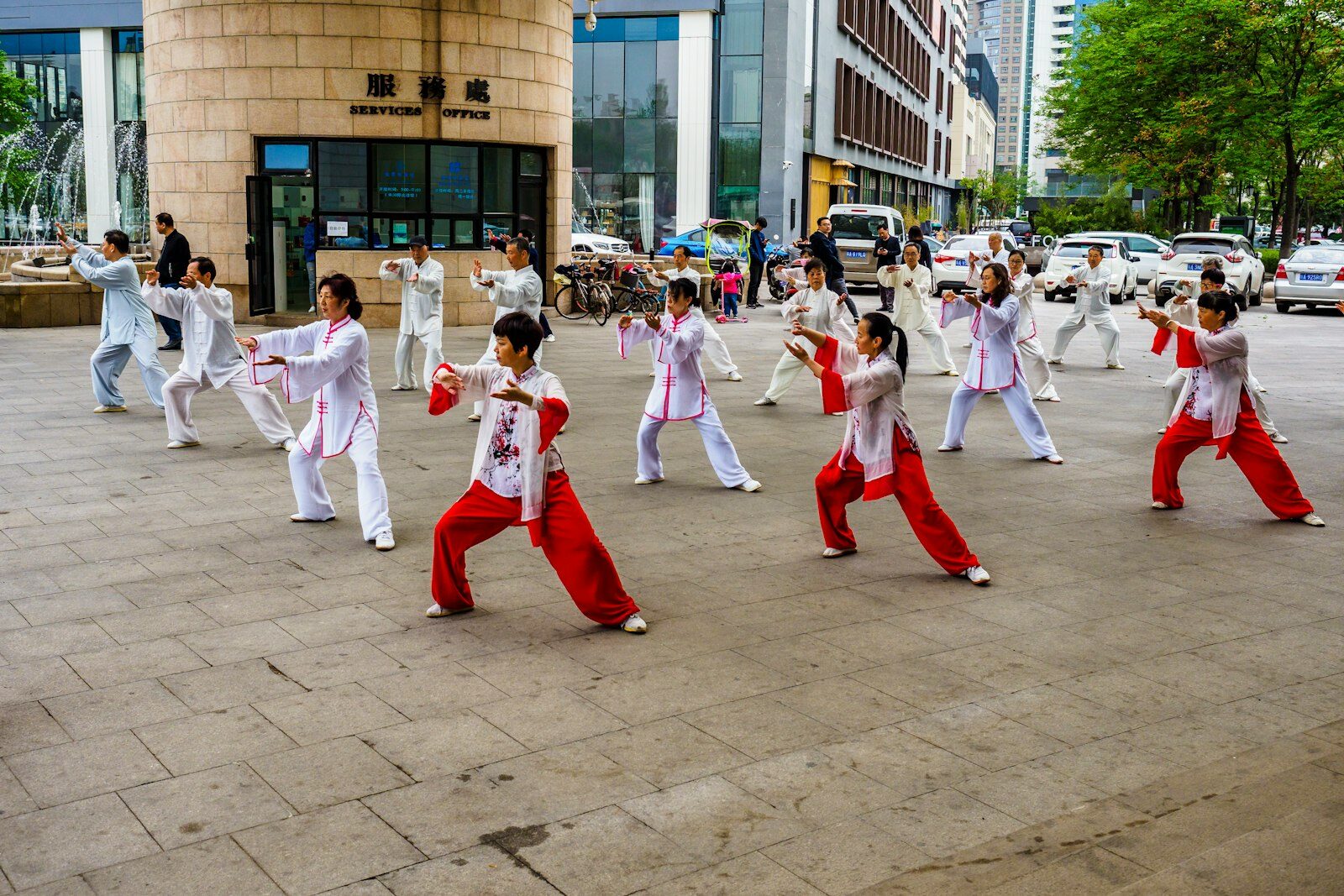
The Spleen likes gentle, regular movement: walking, tai chi, light stretching. Brutal workouts every single day can deplete rather than build. Think “consistency over intensity.”
7. Protect Your Middle from Cold
Keep your abdomen and lower back warm. In China, mothers chase their kids with a scarf for a reason. Don’t sleep with a fan blowing on your belly. Don’t sit on cold surfaces.
A 3-Minute Daily Routine to Start
Don’t try all seven at once. Start with this:
- Morning: A cup of warm water with 2-3 thin slices of fresh ginger.
- After meals: Walk slowly for 5 minutes. Don’t lie down.
- Evening: Rub your abdomen clockwise (the direction of digestion) for 2 minutes before bed.
Do this for two weeks. Most people notice less bloating and more stable energy. That’s your Spleen saying thank you.
FAQ
Is this the same “spleen” I learned about in biology class?
No. TCM’s “Spleen” is a functional system centered on digestion and energy production, not the anatomical organ that filters blood. The terms overlap in translation, which causes endless confusion.
I had my spleen removed. Does this still apply?
Yes — because TCM is talking about a function, not the organ. People without a physical spleen can still have strong or weak “Spleen function” in the TCM sense. (Always consult your doctor about your specific situation.)
Can I do this if I eat a Western diet?
Absolutely. You don’t need to eat Chinese food to nourish the Spleen. The principles — warm food, cooked over raw, regular meals, ginger — work with any cuisine.
How long until I feel different?
Most people notice changes in 2-4 weeks of consistent small changes. The Spleen is slow to damage and slow to heal. Patience is part of the practice.
Is this medical advice?
No. This is traditional wellness wisdom from a Chinese cultural perspective, shared for educational purposes. For any health condition, consult a qualified healthcare provider.
The Bottom Line
Western medicine asks “what’s broken?” and tries to fix it. TCM asks “what’s out of balance?” and tries to nudge it back. The Spleen is where that nudging starts — because everything else depends on how well you turn food into life.
You don’t have to believe in Qi or meridians to benefit. You just have to try drinking warm water for a week and see how you feel.
That’s how I’d start.
This article is written by someone who grew up in a Chinese family practicing everyday wellness — not a licensed medical professional. Think of it as cultural knowledge passed along, not a prescription.