There’s a particular kind of stillness that settles over the world in high summer. The air is thick, the sun is relentless, and the natural impulse is to slow down, to find shade, to sip something cool. We fight it, of course. We blast our air conditioning, schedule intense workouts for the cooler morning hours, and power through our to-do lists. But what if this urge to slow isn’t laziness? What if it’s ancient wisdom, whispered to us by our own bodies and the world outside? In Traditional Chinese Medicine (TCM), summer isn’t a season for pushing hard; it’s a season for gently tending to the fire of the Heart. And one of the most potent ways to do that isn’t a high-intensity interval session, but a slow, mindful walk in nature. My grandmother had a saying for sweltering days: “Don’t boil the pot twice.” She meant, don’t add more heat—more stress, more exertion—to an already heated situation. Let’s explore why a ten-minute stroll under the trees can be more nourishing than an hour of sweat.
The Summer Heart: TCM’s Seasonal Map
In TCM, each season is governed by a specific organ system and element. Summer belongs to the Fire element and, most importantly, to the Heart. The Heart, in this view, is far more than a pump. It’s considered the “Emperor” or “Sovereign” of the body, housing the Shen (our spirit, consciousness, and emotional vitality). When the Heart is balanced, we feel joyful, connected, and mentally clear. When it’s overwhelmed by summer’s external heat and our internal stress, we experience agitation, insomnia, anxiety, and a feeling of being “burnt out.”
The goal of summer wellness, therefore, isn’t to maximize output. It’s to cool and calm the Heart, to protect our inner fire from becoming a destructive blaze. This is where the concept of Yin and Yang becomes practical. Summer is peak Yang—active, hot, expansive. To maintain balance, we must actively cultivate Yin—cool, nourishing, receptive qualities. A slow walk in nature is a profoundly Yin activity. It’s not about burning calories (Yang); it’s about absorbing calm, cooling the spirit, and allowing your system to down-regulate. It’s the physical equivalent of sipping a cooling chrysanthemum tea for your nervous system.
The Qi of a Slow Walk: More Than Just Steps
You might wonder, “How can 10 minutes possibly be enough?” The answer lies in understanding Qi (pronounced “chee”). Qi is the vital life force or energy that flows through our bodies and everything in nature. When we exercise vigorously, we move and generate Qi, which is beneficial for circulation and strength. But when we walk slowly and mindfully in a natural setting, we don’t just move Qi—we exchange and receive it.
Think of your body as a smartphone battery. Vigorous exercise is like running multiple power-draining apps at once—it uses a lot of energy, and you need to recharge afterward. A slow summer walk in nature is like plugging your phone into a high-efficiency, solar-powered charger. You’re not just preserving battery; you’re actively drawing in clean, nourishing energy from the environment. The rustle of leaves, the dappled sunlight, the scent of grass and earth—these are not just pleasant. They are information. They signal to your nervous system that you are safe, that you can rest and digest, and that the Heart’s fire can be gently banked, not stoked.
Anatomy of a Nourishing 10-Minute Slow Summer Walk
This isn’t a power walk with a podcast. This is a deliberate practice of receiving. Here’s how to structure it for maximum benefit, based on TCM principles.
1. Timing is Everything
The ideal time is in the early morning (7-9 AM) or early evening (6-8 PM). Avoid the peak Yang hours of 11 AM to 3 PM, when the sun is most intense and can add excessive heat to your system. Morning walks help gently raise your Yang energy for the day, while evening walks help transition your body from the activity of the day to the restfulness of night, cooling the Heart for better sleep.
2. Find Your Spot
Look for a place with some greenery and, if possible, water. A park with mature trees, a quiet neighborhood street with gardens, a lakeside path, or even a single, beautiful tree in a quiet courtyard will do. The key is a sense of relative peace and natural elements. TCM holds that the color green nourishes the Liver (which is the mother of the Heart in the Five Element cycle), and the sound of water is inherently calming to the spirit.
3. The Practice: Walk Like a Cloud
- Start with 3 Cleansing Breaths: Stand still. Inhale deeply through your nose, imagining you’re drawing in cool, green energy from the trees. Exhale slowly through your mouth, picturing heat and tension leaving as gray mist. Do this three times.
- Set Your Pace: Walk at about 50% of your normal pace. Your steps should be soft and rolling, like you’re trying not to disturb the earth. My grandmother would say, “Walk as if you are caressing the ground with your sole.”
- Engage Your Senses Mindfully: This is the core. Don’t think about your to-do list. Instead:
- Touch: Feel the air on your skin. Notice the temperature change as you walk from sun to shade.
- Sight: Soften your gaze. Take in the shapes and colors without labeling them. Notice the way light filters through leaves.
- Sound: Listen to the layers of sound—the birds, the rustle of leaves, distant traffic, your own breath. Don’t judge, just receive.
- Smell: Actively sniff the air. Can you smell cut grass, flowers, damp earth, or pine?
- The 5-Minute Pause: Halfway through, stop. Stand or sit on a bench. Place one hand gently over your Heart center (center of your chest) and the other over your lower abdomen. Breathe naturally and feel the warmth of your hands. Silently think or whisper: “I am calm. My heart is light.” This directly comforts the Shen.
The Gym vs. The Garden: A TCM Perspective
Let’s be clear: exercise is vital. But the type of movement matters profoundly in the context of the season. Here’s a simple breakdown of how a slow summer walk and a typical gym session serve different purposes according to TCM.
| Aspect | Slow Summer Walk (Yin-Focused) | High-Intensity Gym Session (Yang-Focused) |
|---|---|---|
| Primary Goal | Cool, nourish, and calm the Heart & Shen | Build strength, endurance, burn calories |
| Effect on Qi | Conserves Qi, draws in nourishing Qi from nature | Activates and circulates Qi, can deplete if excessive |
| Impact on Heart Fire | Gently banks the flame, prevents agitation | Can stoke the flame, risk of adding heat to heat |
| Best Season For | Essential in Summer; beneficial in Spring/Autumn | Best in Cooler Months (Winter, Spring, Autumn) |
| Recovery Needed | None; it is recovery for your nervous system | Significant; requires sleep, nutrition, and hydration |
| 10-Minute Benefit | Profoundly restorative for spirit and mind | A mere warm-up; minimal systemic benefit |
This isn’t an argument to stop exercising. It’s an invitation to balance your routine with the season. On a scorching day, replacing one gym session with a mindful walk isn’t slacking—it’s intelligent, seasonal self-care. It’s choosing the right tool for the job.

Beyond the Walk: Amplifying the Cooling Effect
You can enhance the benefits of your walk by pairing it with other cooling, Yin-nourishing practices. Think of it as creating a full “cooling protocol” for a hot day.
The Post-Walk Cool-Down Tea
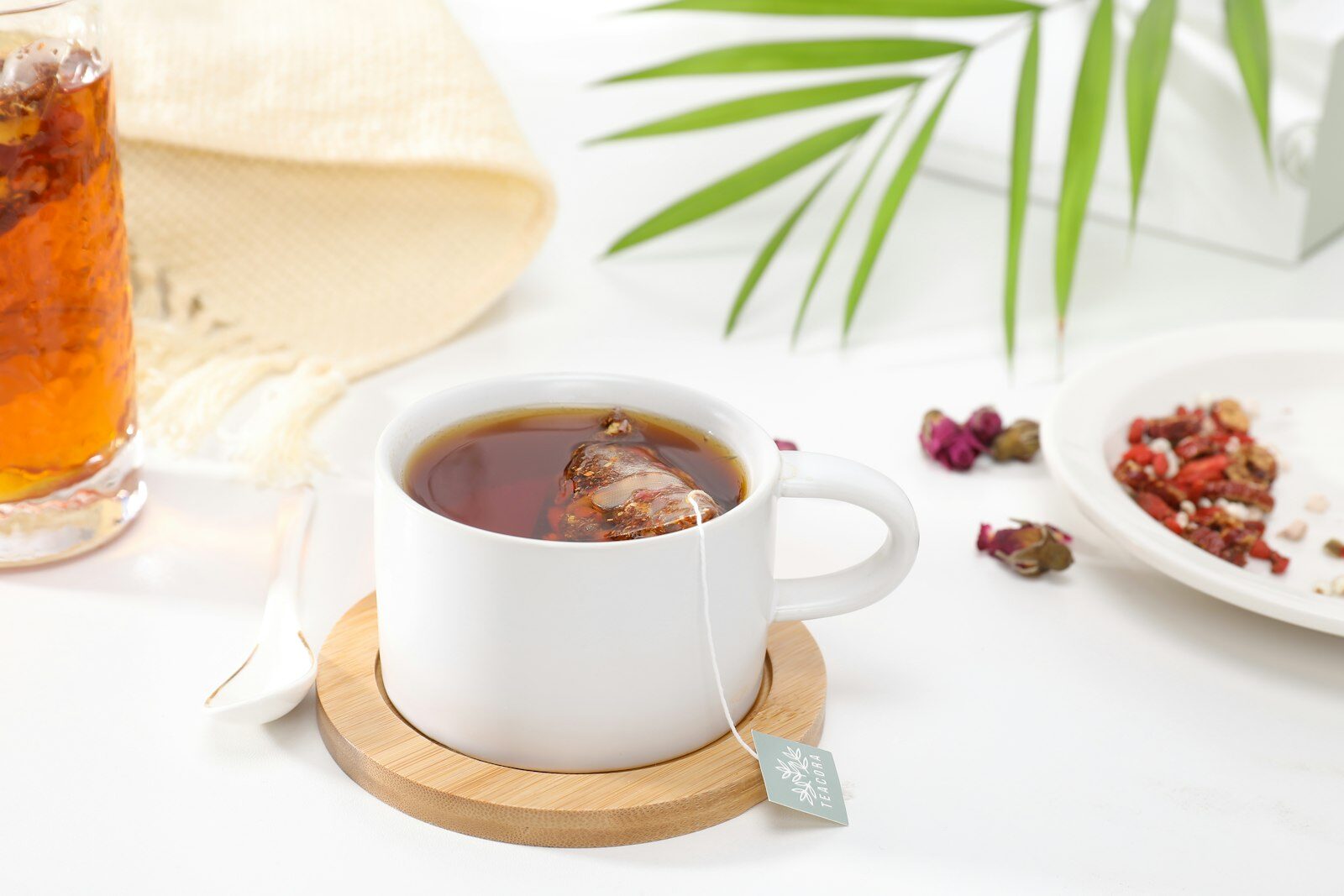
When you return, brew a simple herbal tea. This isn’t about caffeine or flavor alone; it’s about using plants to help your body release heat.
- Chrysanthemum Tea (Ju Hua): The classic summer cooler in Chinese culture. It clears heat from the head and eyes, perfect for after sun exposure. Use 5-6 dried flowers per cup, steep for 5 minutes.
- Mint Tea (Bo He): Incredibly cooling and helps move stagnant Qi. Use a small handful of fresh leaves or 1 tsp dried, steep for 3-4 minutes.
- Goji Berry & Chrysanthemum Combo: A powerhouse duo. Goji berries (10-12 berries) nourish Yin and blood, while chrysanthemum clears heat. Steep together for 5 minutes.
The Cooling Dietary Ally
What you eat matters. Incorporate these specific foods to support your summer Yin:
- Watermelon (Xi Gua): Nature’s perfect summer fruit. It clears summer heat and generates fluids. Eat the red flesh, but also know the white rind is even more potent medicinally in TCM.
- Cucumber (Huang Gua): Cooling and hydrating. Add slices to your water or eat them with a pinch of salt and sesame oil.
- Mung Bean Soup (Lü Dou Tang): A traditional Chinese summer detox soup. Simmer ½ cup of mung beans in 4 cups of water for 40 minutes until soft. Drink the broth. It’s remarkably cooling.
- Bitter Melon (Ku Gua): As the name suggests, it’s bitter, which in TCM means it has a strong cooling action and clears Heart fire. Sauté it with garlic for a side dish.
“The best doctor is your own body; the best medicine is your daily food; the best time to start is now.”
— Traditional Chinese Proverb
Common Questions
1. I live in a city with no easy access to parks. Can I still do a slow summer walk?
Absolutely. The principle is about mindful connection with nature, however small. Find a tree-lined street. Walk past a community garden. Sit on a bench near a fountain or public water feature for your 5-minute pause. Even focusing on a single potted plant on your balcony while breathing deeply for 10 minutes can begin to shift your state. The key is the quality of attention, not the grandeur of the scenery.
2. Won’t I just be sweating and miserable? How is that relaxing?
This is why timing and pace are crucial. By walking in the cooler morning or evening and at a gentle pace, you minimize overheating. The goal isn’t to avoid all sweat, but to avoid the stress sweat of exertion. The light perspiration from a gentle walk is actually considered a healthy release of heat in TCM. Furthermore, the mental shift from “I must endure this heat” to “I am receiving this moment” changes your physiological response. You are training your nervous system to find calm amidst the summer’s energy.
3. Ten minutes seems too short. Can I walk longer?
Of course! Twenty or thirty minutes is wonderful. The “10 minutes” is a starting point to make it feel utterly achievable, even on your busiest day. The magic isn’t in the duration, but in the consistency and quality of the practice. Ten truly mindful minutes are infinitely more beneficial than thirty distracted minutes spent checking your phone. Start with 10. Let it grow organically if it wants to.
The bottom line: In the peak Yang season of summer, our wellness strategy should pivot from doing to being, from heating to cooling. A slow summer walk is not an underwhelming exercise; it is a targeted, potent TCM practice for nourishing the Heart, calming the spirit, and harmonizing your inner landscape with the outer season. It is the art of receiving Yin energy to balance the pervasive Yang. So tomorrow, when the sun is high and your to-do list is long, give yourself the gift of ten minutes. Step outside, walk like a cloud, and let nature recalibrate your inner Emperor. Your heart—both the physical organ and the seat of your joy—will thank you.
This article is for educational purposes and reflects traditional wellness perspectives. It is not a substitute for professional medical advice, diagnosis, or treatment.