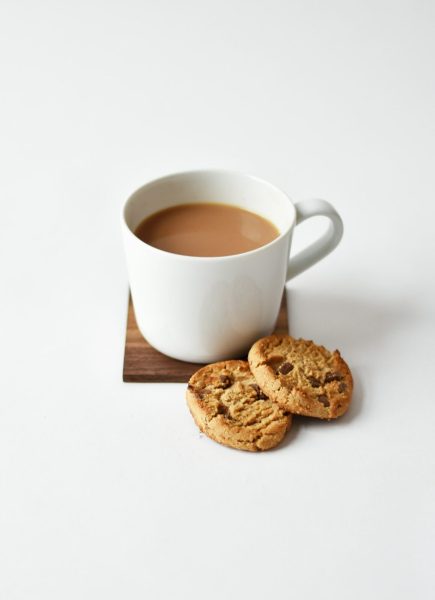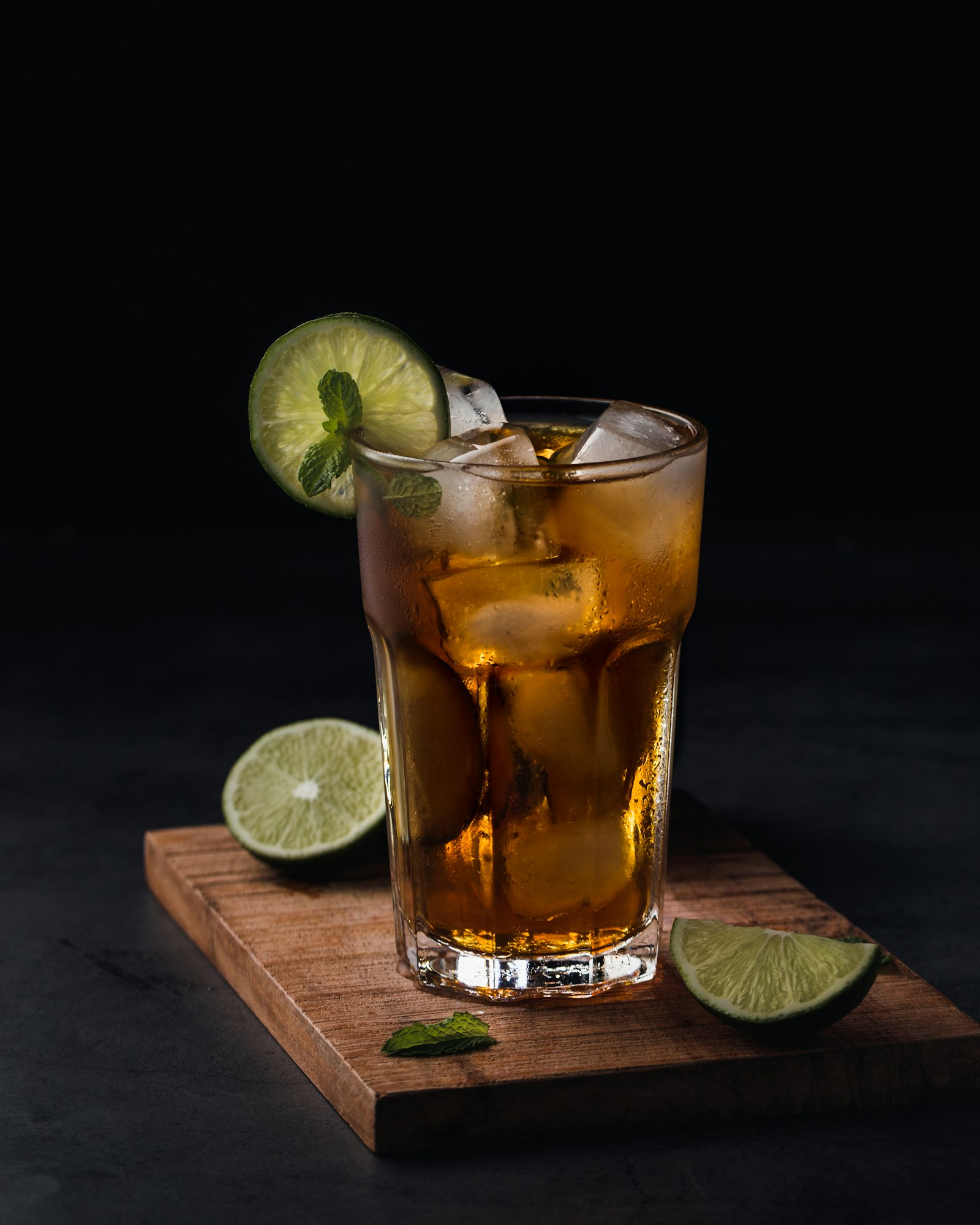
When I was growing up in Hangzhou, my grandmother never asked me how I was feeling. She would look at my tongue, study my face, and then quietly set a cup of tea in front of me. If I was cranky and my eyes were bloodshot after staying up too late studying, it was chrysanthemum tea. If I looked pale and sluggish after a long winter, she would brew ginger with red dates. She never explained her reasoning in medical terms, but she understood something profound: not every tea is right for every body.
That instinct — choosing tea based on who you are, not just what tastes good — is at the heart of Chinese herbal tea wellness. In Traditional Chinese Medicine (TCM), we do not believe in one-size-fits-all remedies. We believe in matching the right herb to the right constitution. And once you understand your own body type, the tea you drink every day can become one of the simplest, most enjoyable forms of self-care you will ever practice.
In this guide, I will walk you through five classic Chinese teas, each suited to a different body constitution. Whether you run hot, cold, damp, stagnant, or depleted, there is a cup here for you.
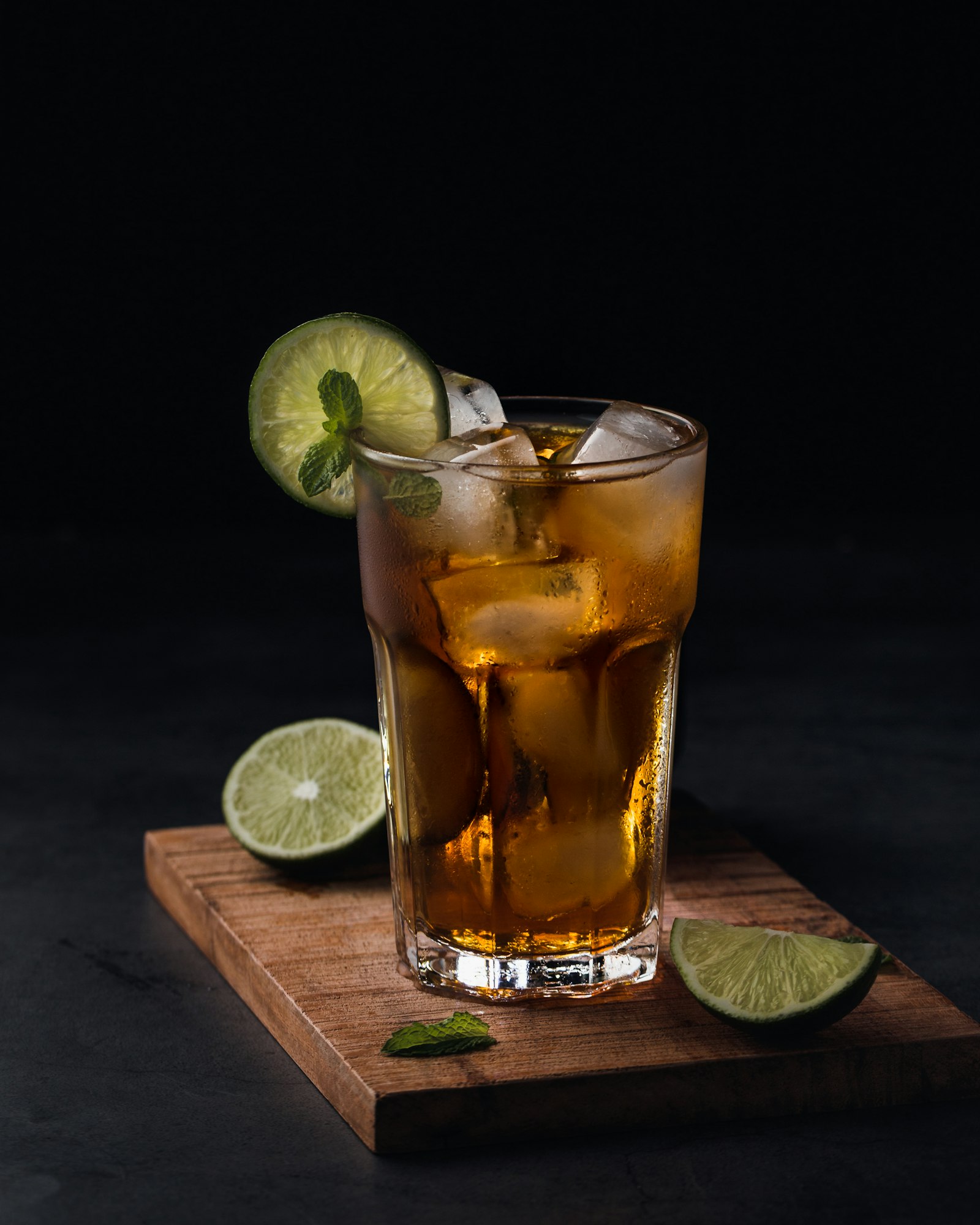
A Quick Word on Body Types (体质, tǐ zhì)
If you are new to TCM, the idea of “body types” might sound strange. But in Chinese medicine, we recognize that people are born with different constitutional tendencies. Some of us naturally run warm; others are always cold. Some people retain fluid easily; others tend toward dryness. These patterns are not random — they shape everything from our digestion to our mood to the kinds of illnesses we are prone to.
Dr. Wang Qi, one of China’s most respected TCM scholars, formalized this into nine constitutional types (九种体质, jiǔ zhǒng tǐ zhì). Understanding where you fall on this spectrum is the first step toward choosing the right foods, herbs, and teas for your body. I wrote a full breakdown of the nine types here if you want to dive deeper.
For now, here is a simplified version to help you get oriented:
| Body Type | Chinese Name | Key Characteristics | Tendency |
|---|---|---|---|
| Yin Deficient | 阴虚 (yīn xū) | Hot flashes, night sweats, dry skin, irritability | Runs warm, depleted fluids |
| Yang Deficient | 阳虚 (yáng xū) | Cold hands and feet, fatigue, loose stools | Runs cold, low energy |
| Qi Deficient | 气虚 (qì xū) | Shortness of breath, weak voice, easily tired | Low vitality, prone to catching colds |
| Qi Stagnant | 气郁 (qì yù) | Mood swings, chest tightness, sighing, PMS | Emotional tension, stuck energy |
| Phlegm-Damp | 痰湿 (tán shī) | Overweight, bloating, oily skin, foggy head | Excess moisture, sluggish metabolism |
| Damp-Heat | 湿热 (shī rè) | Acne, bitter taste in mouth, strong-smelling urine | Dampness combined with internal heat |
| Balanced | 平和 (píng hé) | Good energy, stable mood, healthy appetite | Well-balanced, resilient |
Most people are a blend of two or three types, and your constitution can shift with the seasons, your age, and your lifestyle. The goal is not perfection — it is awareness. Once you know your tendencies, you can work with your body instead of against it.
Now, let us get to the teas.
Tea #1: Chrysanthemum Tea (菊花茶, jú huā chá) — For the One Who Runs Hot
If you are the person who always feels warm, whose eyes get red and irritated after a long day at the screen, who snaps at people more than you would like — chrysanthemum tea is your friend.
In TCM, chrysanthemum flowers are classified as sweet, bitter, and slightly cold in nature (甘苦,微寒, gān kǔ, wēi hán). They enter the Liver (肝, gān) and Lung (肺, fèi) meridians. What does that mean in plain language? Chrysanthemum tea clears heat from the upper body — the eyes, the head, the sinuses — and it calms an overactive Liver system.
Best For
- Yin Deficient types (阴虚) who experience dry eyes, night sweats, and restlessness
- Damp-Heat types (湿热) with acne, red eyes, and irritability
- Anyone experiencing Liver Fire rising (肝火上炎, gān huǒ shàng yán) — headaches, tinnitus, flushed face
- Office workers who spend hours staring at screens
How I Drink It
I use four to five dried Hangzhou chrysanthemum flowers (杭白菊, háng bái jú) per cup. I steep them in water that has cooled to about 85 degrees Celsius — boiling water can make them bitter. I add two or three goji berries for sweetness and a hint of honey if my throat feels dry. This is my 3 p.m. tea when the afternoon slump hits and my eyes start to burn.
My grandmother used to say: “Chrysanthemum tea does not just cool your body — it cools your temper.” She was not wrong. When I am stressed and overheated, a pot of chrysanthemum tea is as calming as a cold compress on the forehead.
A Word of Caution
If you are someone who is always cold, has loose stools, or feels worse in winter, go easy on chrysanthemum tea. Its cooling nature can aggravate a Yang Deficient constitution. One cup a week is fine, but do not make it your daily driver.
Tea #2: Goji Berry Tea (枸杞茶, gǒu qǐ chá) — For the One Who Is Running on Empty
Goji berries (枸杞, gǒu qǐ) are one of the most beloved herbs in Chinese medicine, and for good reason. They are classified as sweet in taste and neutral in temperature (甘,平, gān, píng), which means they are gentle enough for almost anyone. They enter the Kidney (肾, shèn) and Liver (肝, gān) meridians.
In TCM, the Kidneys are considered the root of all Yin and Yang in the body. When your Kidney energy is depleted, you feel it everywhere — fatigue, lower back pain, weak knees, poor vision, premature aging. Goji berries nourish Kidney Yin and Liver Blood, making them one of the best daily herbs for long-term vitality.
Best For
- Qi Deficient types (气虚) who are chronically tired and catch every cold going around
- Yang Deficient types (阳虚) with lower back soreness and cold extremities
- Yin Deficient types (阴虚) with dry eyes and blurred vision
- Anyone over 40 who wants to support eye health and Kidney function
- Students and professionals who use their eyes intensively
How I Drink It
I take a small handful — about 15 to 20 berries — and steep them in hot water (around 90 degrees Celsius) for five to seven minutes. The water turns a beautiful amber-orange. I eat the berries afterward because much of the nutrition is still in the fruit. If I want something more complex, I add three or four red dates (红枣, hóng zǎo) and a slice of astragalus root (黄芪, huáng qí) for an extra Qi boost.
For those who want to understand more about how TCM supports digestive and energy systems, my article on TCM spleen health and energy explores the connection between the Spleen, Qi production, and daily vitality.
In the Tang Dynasty text “Qian Jin Yao Fang” (千金要方), the physician Sun Simiao wrote that he ate goji berries every day well into his old age. He reportedly lived to be over 100 years old. While I cannot promise the same result, the science behind goji berries — rich in zeaxanthin, polysaccharides, and antioxidants — supports what TCM practitioners have known for centuries.
A Word of Caution
Goji berries are warming in large quantities. If you are experiencing a fever, a cold with active symptoms, or have very oily skin and a yellow tongue coating (signs of Damp-Heat), hold off until the acute phase passes. Also, if you are on blood thinners, check with your doctor — goji berries can interact with certain medications.
Tea #3: Rose Tea (玫瑰花茶, méi guī huā chá) — For the One Who Holds It All In
If you are the type who absorbs everyone else’s stress, who feels your chest tighten when you are upset, who experiences PMS that feels like an emotional rollercoaster — rose tea was made for you.
Rose buds (玫瑰花, méi guī huā) are sweet, slightly bitter, and warm in nature (甘微苦,温, gān wēi kǔ, wēn). They enter the Liver (肝, gān) and Spleen (脾, pí) meridians. In TCM terms, roses move Qi — they unblock stuck energy, particularly in the chest and abdomen. This makes them one of the most important herbs for what we call Liver Qi Stagnation (肝气郁结, gān qì yù jié).
Liver Qi Stagnation is arguably the most common imbalance in modern life. It is what happens when stress, repressed emotions, and a sedentary lifestyle cause your energy to get stuck. The result? Irritability, sighing, chest tightness, digestive issues that flare up with stress, and menstrual irregularities.
Best For
- Qi Stagnant types (气郁) who feel emotionally stuck, moody, or tense
- Women with PMS, irregular periods, or menstrual cramps
- Anyone who holds stress in their chest and abdomen
- People who experience stress-related digestive issues — bloating, loss of appetite, stomach pain that comes and goes
- Those who want a gentle, aromatic daily tea that does not feel like “medicine”
How I Drink It
I use five to six dried rose buds per cup, steeped in water at about 85 degrees Celsius for three to five minutes. The flavor is floral, slightly sweet, and incredibly fragrant. I sometimes blend it with a few slices of dried tangerine peel (陈皮, chén pí) to enhance the Qi-moving effect and support digestion. This is my go-to afternoon tea during the week when work stress starts to build.
Rose tea is the only tea I know that can genuinely shift my mood within ten minutes. There is something about the aroma alone — warm, soft, slightly sweet — that makes my shoulders drop and my jaw unclench. TCM recognizes this sensory dimension of healing, too. The fragrance of rose enters the body and moves Qi in a way that feels effortless.
A Word of Caution
Rose tea is quite gentle, but because it is warm in nature, people with significant internal heat (red face, always thirsty, constipation) should use it in moderation. Pregnant women should consult their TCM practitioner before drinking rose tea regularly, as its Qi-moving properties can be too stimulating in early pregnancy.
Tea #4: Ginger and Red Date Tea (姜枣茶, jiāng zǎo chá) — For the One Who Is Always Cold
This is the tea my grandmother brewed most often in winter. It is simple, warming, and deeply nourishing — exactly what you need when your body cannot seem to generate enough heat.
Fresh ginger (生姜, shēng jiāng) is pungent and slightly warm (辛,微温, xīn, wēi wēn). It enters the Lung (肺, fèi), Spleen (脾, pí), and Stomach (胃, wèi) meridians. Its job is to warm the Middle Burner (中焦, zhōng jiāo) — the digestive center of the body — and to expel cold.
Chat with Me, our AI wellness guide — get personalized TCM advice instantly.
Red dates (红枣, hóng zǎo), also known as jujubes, are sweet and warm (甘,温, gān, wēn). They enter the Spleen and Stomach meridians. Red dates tonify Qi and Blood, making them one of the foundational herbs for anyone who is pale, tired, and depleted.
Together, ginger and red dates create a tea that is greater than the sum of its parts — it warms, nourishes, and supports digestion all at once.
Best For
- Yang Deficient types (阳虚) who are chronically cold, especially in the hands, feet, and lower abdomen
- Qi Deficient types (气虚) with poor appetite and weak digestion
- Women during menstruation who experience cold, crampy periods with dark clots
- Anyone recovering from illness, surgery, or prolonged fatigue
- People who feel worse in cold weather and better with warmth
How I Drink It
I slice three to four thin rounds of fresh ginger and pit four to five red dates. I simmer them together in a small pot for 15 to 20 minutes — not just steep, but a gentle simmer to extract the full warming power. I drink it first thing in the morning, before breakfast. In the depths of a Shanghai winter, this tea is non-negotiable in my house.
There is a Chinese saying: “早上吃姜,胜过喝姜汤” (zǎo shang chī jiāng, shèng guò hē jiāng tāng) — “Eating ginger in the morning is better than drinking ginger soup.” The idea is that ginger is most effective when your Yang energy is naturally rising at the start of the day. This is why ginger-red date tea is a morning tea, not an evening one.
A Word of Caution
If you have a sore throat, yellow phlegm, or signs of internal heat, skip the ginger. It will make things worse. Also, avoid drinking this tea late at night — ginger is stimulating and can interfere with sleep. I learned this the hard way during a particularly cold February when I brewed a pot at 9 p.m. and stared at the ceiling until 2 a.m.
Tea #5: Barley Tea (大麦茶, dà mài chá) — For the One Who Feels Heavy and Sluggish
If you often feel bloated after meals, if your body feels heavy and foggy, if you gain weight easily and lose it with difficulty — you may be dealing with Phlegm-Dampness (痰湿, tán shī). And barley tea is one of the best everyday remedies for it.
Roasted barley (大麦, dà mài) is sweet in taste and cool in nature (甘,凉, gān, liáng). It enters the Spleen (脾, pí) and Stomach (胃, wèi) meridians. Its primary function is to aid digestion and resolve dampness (消食化湿, xiāo shí huà shī). It is also wonderfully cooling in summer, making it a staple beverage across East Asia during the hot months.
Best For
- Phlegm-Damp types (痰湿) who feel bloated, heavy, and foggy
- Anyone with sluggish digestion — feeling full quickly, burping, food sitting in the stomach
- People who want a caffeine-free alternative to green tea
- Summer drinking — barley tea is deeply cooling and refreshing when served cold
- Those who eat a lot of rich, greasy, or heavy foods and need a digestive reset
How I Drink It
I buy roasted barley kernels from the Chinese grocery store and brew them like coffee — two tablespoons of barley per liter of water, simmered for 20 minutes, then strained. In summer, I make a big batch, let it cool, and keep it in the fridge. It tastes nutty, toasty, and slightly sweet. My Japanese friends tell me that in Japan, mugicha (麦茶) is the standard summer drink, and they are right — it is perfect for hot days when you want something satisfying without sugar or caffeine.
Barley tea is the unsung hero of Chinese herbal tea wellness. It does not have the glamour of chrysanthemum or the reputation of goji berries, but for anyone dealing with dampness and digestive sluggishness, it is quietly transformative. I have seen clients lose two to three kilograms over a month simply by replacing their evening milk tea with barley tea.
A Word of Caution
Barley contains gluten, so those with celiac disease or gluten sensitivity should avoid it. Also, because barley is cool in nature, Yang Deficient types who are already cold should not drink it in large amounts during winter. Stick to small servings or blend it with a slice of ginger to balance its cooling effect.
How to Choose Your Tea: A Quick Reference Guide
I know that reading through five teas with all their nuances can feel overwhelming, so here is a simple table to help you match your primary symptoms to the right tea:
| If Your Main Complaint Is… | Your Likely Body Type | Start With This Tea |
|---|---|---|
| Red eyes, irritability, headaches, feeling hot | Yin Deficient / Damp-Heat | Chrysanthemum Tea (菊花茶) |
| Fatigue, blurred vision, lower back pain, aging concerns | Qi Deficient / Yang Deficient | Goji Berry Tea (枸杞茶) |
| Mood swings, PMS, chest tightness, stress-related bloating | Qi Stagnant | Rose Tea (玫瑰花茶) |
| Cold hands and feet, weak digestion, pale complexion | Yang Deficient | Ginger & Red Date Tea (姜枣茶) |
| Bloating, heaviness, foggy thinking, weight gain | Phlegm-Damp | Barley Tea (大麦茶) |
| Generally healthy, wants daily wellness support | Balanced (平和) | Goji Berry Tea or Rose Tea |
Can You Mix Teas?
Absolutely. Many people have overlapping body types, and blending teas is a time-honored practice. Here are some combinations I use regularly:
- Chrysanthemum + Goji Berry (菊杞茶, jú qǐ chá): The classic combination for Liver and Kidney nourishment. Perfect for eye strain.
- Rose + Red Date: Moves Qi while nourishing Blood. Excellent for women during the luteal phase of their cycle.
- Ginger + Barley: Warms digestion while clearing dampness. Good for people with mixed cold-damp patterns.
- Goji Berry + Red Date + Astragalus: A powerful Qi-and-Blood tonifying blend for deep fatigue.
The key principle is this: do not combine teas with opposite thermal natures in large amounts. For example, a large quantity of chrysanthemum (cooling) with a large amount of ginger (warming) will just cancel each other out. Small doses of each are fine, but let one flavor lead.
Frequently Asked Questions
Can I drink these teas every day?
It depends on the tea and your constitution. Goji berry tea and rose tea are gentle enough for daily use for most people. Ginger-red date tea is best in the morning and during colder months — daily use in summer may generate too much internal heat. Chrysanthemum tea should be used daily only if you genuinely have heat signs; otherwise, two to three times a week is sufficient. Barley tea is safe for daily consumption in moderate amounts, especially in warm weather. The golden rule of Chinese herbal tea wellness is this: listen to your body. If a tea makes you feel good, continue. If it causes discomfort, adjust the frequency or switch to something more suited to your constitution.
Are these teas safe during pregnancy?
Some are, some are not. Goji berry tea in small amounts is generally considered safe. Rose tea should be used cautiously in the first trimester due to its Qi-moving properties. Ginger tea can actually help with morning sickness, but in moderate amounts. Chrysanthemum tea is cooling and should be limited. Barley tea is generally safe. However, I strongly recommend consulting a qualified TCM practitioner who can assess your specific pregnancy constitution before incorporating any herbal teas regularly. What is nourishing for one pregnant woman may be inappropriate for another.
What is the best time of day to drink Chinese herbal tea?
Morning is ideal for warming teas like ginger-red date tea, as this aligns with the body’s natural Yang energy rising at dawn. Afternoon is a good time for chrysanthemum and rose teas, when the Liver meridian is most active (1 p.m. to 3 p.m. in the TCM organ clock). Goji berry tea works well in the late afternoon or early evening. Avoid strongly warming or stimulating teas (ginger, in particular) after 7 p.m., as they can disrupt sleep. Barley tea is flexible — it works well after meals at any time of day. If you are interested in the deeper rhythms of TCM daily practice, my guide on TCM spleen health and energy covers the organ clock and optimal eating times.
Where do I buy these teas? Can I use regular tea bags?
For the best quality, I recommend buying loose-leaf or whole-flower Chinese herbal teas from a reputable Chinese herbal shop or an online store that specializes in TCM herbs. Supermarket tea bags often contain lower-grade herbs and may include additives. That said, if tea bags are all you have access to, they are better than nothing — just check the ingredient list to make sure you are getting pure herbs without artificial flavors. For goji berries, buy the dried fruit from a Chinese grocery store; they should be slightly soft, not rock-hard or overly sticky.
I have never tried Chinese herbal tea before. Which one should I start with?
If you are brand new, I would suggest starting with either rose tea or barley tea. Both have very approachable flavors — rose is floral and fragrant, barley is nutty and toasty. Neither tastes “herbal” or medicinal in the way that some TCM formulas do. They are also quite gentle in their actions, so they are unlikely to cause any strong reactions regardless of your body type. From there, you can branch out based on how your body responds and what specific concerns you want to address.
The Bottom Line
Chinese herbal tea is not just a cultural tradition — it is a practical, daily wellness tool that has been refined over thousands of years. The five teas I have shared here cover the most common body type imbalances I see in my practice: heat, cold, depletion, stagnation, and dampness. By choosing the tea that matches your constitution, you are doing something that most Western wellness approaches overlook: you are treating the root, not just the symptom.
Start with one tea. Drink it consistently for two to three weeks. Notice how your body responds. Then, adjust. This is not a prescription — it is a conversation with your body, mediated by the quiet wisdom of herbs and hot water.
And if my grandmother were here, she would say the same thing she always said: “Listen to your body. It knows more than you think.”
Disclaimer
This article is for educational and informational purposes only. It is not intended to diagnose, treat, cure, or prevent any disease. The information presented here is based on Traditional Chinese Medicine principles and the personal experience of the author. It should not be used as a substitute for professional medical advice. Always consult a qualified healthcare provider or licensed TCM practitioner before starting any new herbal regimen, especially if you are pregnant, nursing, taking medication, or managing a chronic health condition. Individual responses to herbal teas may vary.
About the Author
Yu Xi Zhang (余西章) is a Chinese wellness writer and lifelong student of Traditional Chinese Medicine. Born and raised in Hangzhou, she grew up surrounded by tea gardens and herbal wisdom passed down through three generations of her family. After studying Chinese Literature at Zhejiang University, she spent five years training in TCM theory and dietary therapy at the Zhejiang Chinese Medical University. Her writing bridges the gap between ancient Chinese health traditions and modern daily life, with a focus on making TCM accessible and practical for a global audience. When she is not writing, she is usually brewing tea, experimenting with new herbal blends, or arguing with her grandmother about the correct steeping time for Longjing. She is a regular contributor to thestillflow.com.