There’s a particular kind of restlessness that settles in around late March. You might feel it as a sudden urge to throw open the windows, to clear out a cluttered closet, or to finally tackle that junk drawer that’s been haunting you for months. This isn’t just a Western “spring cleaning” impulse; it’s a deep, physiological response to the changing season. In Traditional Chinese Medicine (TCM), spring is the season of the Wood element, a time of new growth, upward energy, and the stirring of Qi—our vital life force—after the quiet, inward focus of winter. When this energy gets stuck, it can manifest as irritability, stiffness, or that general feeling of being “blah.” A spring cleaning ritual, done with intention, is one of the most powerful ways to support this natural transition. It’s not about scrubbing baseboards with vinegar (though you can); it’s a gentle, 7-day reset for your body, mind, and living space to help your Qi flow freely again.
- Why Spring is the Season of the Liver & Gentle Release
- The 7-Day Ritual: A Step-by-Step Guide to Refreshing Your Qi and Space
- Nourishing the Wood Element: Foods for a Spring Reset
- Beyond the Broom: Energetic Space Clearing
- The Mind-Body Connection: Releasing Emotional Clutter
- Recommended Tools for Your Spring Ritual
Why Spring is the Season of the Liver & Gentle Release
In the TCM framework, each season is governed by a specific organ system. Spring belongs to the Liver (and its paired organ, the Gallbladder). The Liver is the “General” of the body, responsible for the smooth flow of Qi and blood throughout our entire system. Think of it like a master traffic controller for your energy. When the Liver Qi flows smoothly, we feel flexible, creative, and decisive. When it becomes stagnant—often due to stress, poor diet, or the heavy, dormant energy of winter—we experience frustration, tight shoulders, headaches, and digestive upset.
The Huangdi Neijing (The Yellow Emperor’s Classic of Internal Medicine), the foundational text of TCM, offers a beautiful instruction for spring: “The three months of spring are called sprouting and growing. Heaven and earth together give life… Go to bed early and rise early. Stroll in the courtyard and let your hair down. Relax your body and enliven your will.” This isn’t just poetic advice; it’s a prescription for aligning with the season’s energy. The “enliven your will” part is key—it’s about gently encouraging forward movement and release, which is exactly what a mindful cleaning ritual facilitates.
“The Liver governs the tendons and manifests in the nails. Its emotion is anger, and its sound is shouting.”
— Huangdi Neijing
My grandmother, who grew up in rural Sichuan, never called it “spring cleaning.” She called it “sweeping the winter dust.” Every year, without fail, on the first warm day of the season, every door and window in our home would be thrown open. We’d beat the heavy winter quilts outside, scrub the floors with water infused with pomelo peel (Citrus maxima), and she would insist we all eat a bowl of fresh green sprouts—mung bean, soy, or radish—for lunch. “To match the growing energy outside,” she’d say. It was a ritual that felt like a celebration, not a chore. This is the spirit we’re aiming for: a conscious, joyful alignment with nature’s rhythm.
The 7-Day Ritual: A Step-by-Step Guide to Refreshing Your Qi and Space
This ritual is designed to be gentle and cumulative. Each day builds on the last, addressing a different aspect of your environment and energy. You don’t need to follow it to the letter—adapt it to your schedule and space. The key is intention.
- Day 1: The Air & Intention. Open every window in your home for at least 15 minutes, even if it’s cool. As you do, mentally or verbally set an intention for the season. What do you want to cultivate? What are you ready to release? This clears stale Qi and sets a conscious tone.
- Day 2: The Threshold. Clean your front door, porch, or entryway. In Feng Shui, this is the “mouth of Qi” where energy enters your home. Wipe down the door, sweep the steps, and consider adding a healthy green plant. A clear entrance invites fresh, vibrant energy in.
- Day 3: The Digital & Mental Sweep. Unsubscribe from 10 email lists. Delete unused apps from your phone. Clear your computer desktop. This is modern-day clutter that clogs our mental pathways. The Liver governs planning and decision-making; a cluttered digital life can directly contribute to Liver Qi stagnation.
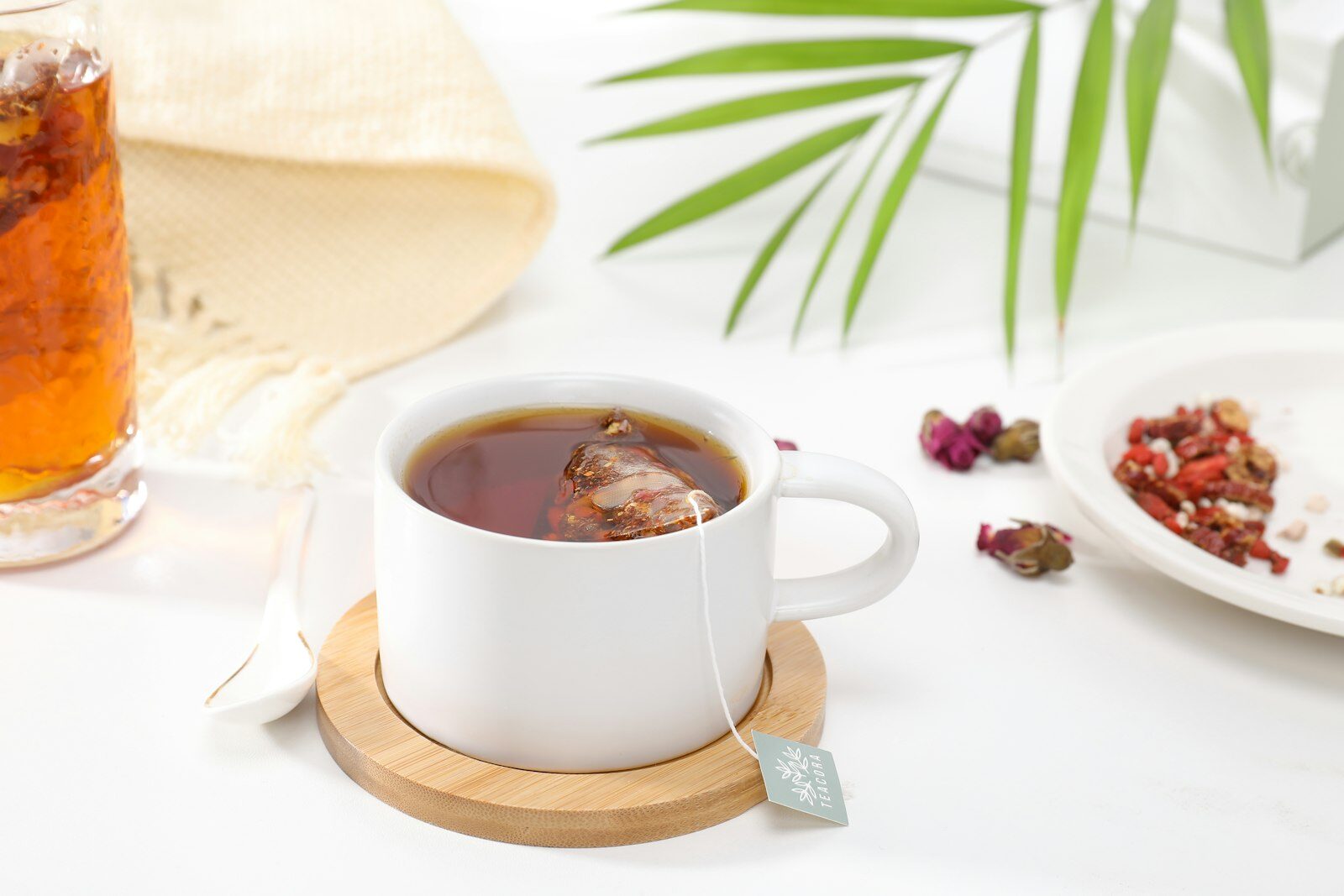
- Day 4: The Kitchen & Liver Support. Tidy one kitchen drawer or cabinet. Then, prepare a simple Liver-soothing tea: steep 1 tsp of chrysanthemum flowers (Chrysanthemum morifolium) and 5 goji berries (Lycium barbarum) in hot water for 5 minutes. Sip mindfully. Chrysanthemum is cooling and clears heat from the Liver; goji nourishes Liver Yin.
- Day 5: The Body Release. Engage in 20 minutes of gentle, flowing movement. This could be a slow walk in nature, basic Tai Chi “cloud hands,” or a yoga sequence focused on the liver/gallbladder meridians (like seated twists and wide-legged forward folds). Movement is one of the best ways to move stuck Liver Qi.
- Day 6: The Closet or Drawer. Choose one small, contained space—a single drawer, a shelf, or your sock drawer. Remove everything. Only put back what you use and love. Donate or discard the rest. This act of curation is profoundly symbolic of making space for new growth.
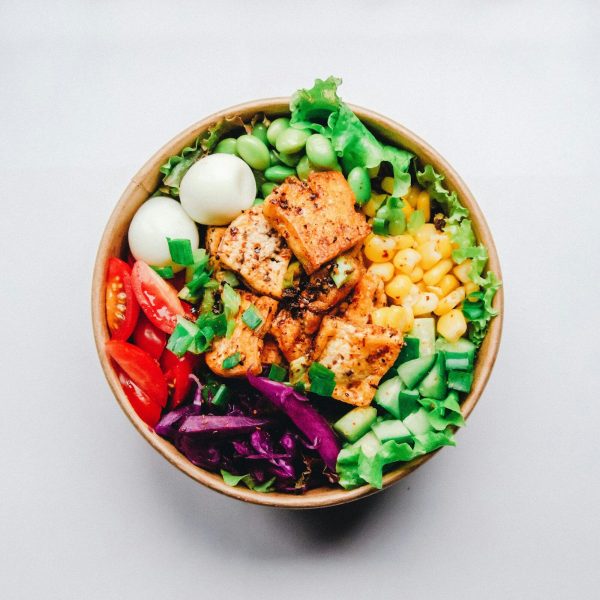
- Day 7: The Nourishing Reset. Cook a simple, clean meal focused on spring greens. Try stir-fried pea shoots (dou miao) with garlic, or a soup with spinach, tofu, and a few slices of ginger. End the day with a 5-minute meditation focusing on your breath, imagining you are inhaling fresh spring air and exhaling any remaining winter heaviness.
Nourishing the Wood Element: Foods for a Spring Reset
What you eat is a direct form of environmental input for your body. In spring, TCM nutrition advises we shift from the heavy, warming, salty foods of winter (think stews, roasted roots) to lighter, greener, slightly bitter or sour foods that support the Liver and the Wood element. The goal is to “clear heat” accumulated from winter and gently nourish the Liver’s Yin and Blood.
A 2019 review in the Journal of Ethnopharmacology highlighted that many traditional spring foods in Chinese medicine, like chrysanthemum and mint, contain flavonoids and terpenes with hepatoprotective (liver-protecting) and anti-inflammatory properties, which aligns with the TCM concept of “clearing Liver heat” (Chen et al., 2019).
| Spring Food Category | Specific Examples | TCM Properties & Action | Simple Preparation |
|---|---|---|---|
| Green Leafy Vegetables | Spinach (Spinacia oleracea), Swiss chard, pea shoots, watercress, baby bok choy | Nourish Liver Blood, clear heat, gentle detoxification | Quick steam or stir-fry with garlic and a dash of sesame oil. Add to soups in the last 2 minutes. |
| Sprouts & Shoots | Mung bean sprouts, soybean sprouts, alfalfa sprouts, bamboo shoots | Embody the “growing” energy of spring; clear heat, promote fluids | Eat raw in salads, or stir-fry quickly with ginger and tamari. |
| Slightly Sour Foods | Lemon, lime, grapefruit, sauerkraut, pickled vegetables, vinegar (small amounts) | Help “gather” and astringe Liver Qi, preventing it from over-spreading (becoming irritable) | Start the day with warm water and a squeeze of 1/4 lemon. Add a tsp of apple cider vinegar to salad dressings. |
| Bitter Greens | Dandelion greens, endive, radicchio, mustard greens, bitter melon | Directly clear heat and toxins from the Liver | Sauté dandelion greens with olive oil and garlic to mellow bitterness. Add radicchio to salads. |
| Herbs & Teas | Chrysanthemum (Chrysanthemum morifolium), mint (Mentha haplocalyx), goji berries (Lycium barbarum), rose buds | Cool the Liver, brighten the eyes, soothe irritability | Brew as a tea: 1 tsp chrysanthemum + 5 goji berries in 2 cups hot water, steep 5 min. |
 herbal tea“/>
Beyond the Broom: Energetic Space Clearing
Physical clutter is just one layer. Spaces absorb energy—arguments, stress, illness, and even the stagnant vibes of a long, closed-up winter. In TCM and related practices, we use methods to refresh a space’s Qi. One of the most accessible is using aromatic herbs. The Shennong Bencao Jing (The Divine Farmer’s Materia Medica), one of the earliest texts on Chinese herbs, classifies many aromatics as having the ability to “open the orifices” and “regulate Qi.” The scent itself moves energy.
Actionable Method: Herbal Smoke or Mist Cleanse.
- Option 1: Mugwort Smudge. Mugwort (Artemisia vulgaris, ai ye) is a premier herb in TCM for moving Qi, warming the channels, and clearing dampness. It’s traditionally burned during the Dragon Boat Festival for purification. Take a dried mugwort bundle (available at herb shops or online), light the tip until it smolders, and waft the smoke gently through your space, focusing on corners, closets, and behind doors. Open a window as you do this to let stagnant energy exit. The smoke is believed to purify and protect. A 2021 study in Microchemical Journal found that burning certain medicinal herbs, including Artemisia species, can reduce airborne bacteria (Joshi et al., 2021).
- Option 2: Citrus & Rosemary Mist. For a smoke-free alternative, make a cleansing spray. In a small spray bottle, combine 1/2 cup distilled water, 2 tbsp witch hazel, and 15 drops of lemon essential oil (Citrus limon) and 5 drops of rosemary essential oil (Rosmarinus officinalis). Shake well. Spritz into the air and onto linens. Lemon is uplifting and “cuts through” stagnation; rosemary is clarifying and associated with remembrance and clarity.
The Mind-Body Connection: Releasing Emotional Clutter
The Liver’s emotion is anger, but this encompasses a whole spectrum: frustration, resentment, irritability, and even suppressed rage. Spring, with its rising Yang energy, can bring these emotions to the surface. A spring cleaning ritual for your mind is just as important as one for your home. The goal isn’t to eliminate anger—it’s a healthy, necessary emotion—but to ensure it flows appropriately and doesn’t get stuck.
Actionable Practice: The “5-Minute Journal Dump.” Every evening for the 7 days of your ritual, take a notebook and for 5 minutes, write without stopping. Write about anything that frustrated you, any lingering resentment, any plans you’re struggling with. Don’t edit, don’t judge, just let it flow onto the page. When you’re done, you can symbolically rip it up, burn it safely, or simply close the notebook. This practice, akin to expressive writing studied in psychology, helps externalize and process emotions that can otherwise stagnate the Liver Qi. It creates mental space, just like cleaning a physical drawer.
During my studies in Chengdu, a practitioner I apprenticed with would advise patients with severe Liver Qi stagnation (often presenting as PMS, tension headaches, or rib-side pain) to take up “screaming into a pillow.” It sounds dramatic, but it’s a direct, physical release of the Liver’s “shouting” sound. You don’t have to go that far, but acknowledging the need for release is key. A brisk walk, a good cry, or even vigorous gardening can serve the same purpose.
Recommended Tools for Your Spring Ritual
You don’t need much to perform this ritual, but a few intentional tools can enhance the experience. Here are a few suggestions that align with the principles discussed.
- High-Quality Mugwort Bundle: Look for sustainably sourced, organic mugwort (Artemisia vulgaris) for space clearing. Avoid “white sage” unless it’s from a verified, ethical Indigenous source, as it’s often over-harvested.
- Glass Teapot with Infuser: Perfect for brewing the visual and medicinal beauty of chrysanthemum and goji berry tea. Watching the flowers open is part of the mindful practice.
- A Simple, Unlined Notebook: For your “Journal Dump.” Choose one that feels good in your hands—this is a tool for release, not performance.
Common Questions
I live in a small apartment. Can I still do this ritual effectively?
Absolutely. In fact, the principles are even more potent in a small space where energy can become concentrated and stagnant quickly. The 7-day plan is designed to be modular. If you don’t have a porch for Day 2, focus on your front door and the area just inside it. If you don’t have a kitchen drawer to spare for Day 4, simply focus on cleaning your stovetop and preparing the tea. The ritual is about intention and the act of conscious care, not the square footage you’re working with. The “Journal Dump” and digital sweep are perfect for any living situation.
Is it safe to burn mugwort indoors? I’m worried about smoke and safety.
Safety first. Always practice fire safety. Use a fireproof bowl, abalone shell, or ceramic dish to catch any embers. Keep the smoldering bundle over the dish and never leave it unattended. Ensure good ventilation by opening a window. If you have respiratory issues like asthma, or if smoke bothers you, the citrus-rosemary mist is an excellent, equally effective alternative. The goal is to shift the energy, not create discomfort. You can also simply place dried mugwort in sachets in your closets and drawers for a more passive, ongoing cleansing effect.
I feel overwhelmed by the idea of a 7-day commitment. Can I simplify this?
Of course. The beauty of this ritual is its flexibility. You can condense it into a single, powerful weekend reset by choosing one action from each category: Air (Day 1), Space (Day 2 or 6), Body (Day 5), and Mind (Day 7). For example: On Saturday morning, open all windows and set an intention (Day 1). Then, clean out your one most-cluttered drawer (Day 6). In the afternoon, go for a mindful walk in a park (Day 5). On Sunday, cook a simple spring green meal and do your 5-minute journal dump (Day 7). Even this abbreviated version honors the seasonal shift and can create a meaningful sense of renewal.
The bottom line: A spring cleaning ritual, viewed through the lens of TCM, is a profound practice of aligning your inner and outer environments with the natural cycle of growth and renewal. By consciously clearing physical, digital, and emotional clutter over seven gentle days, and supporting your body with spring-specific foods and movement, you directly support the smooth flow of Liver Qi. This isn’t about achieving a spotless home; it’s about creating the conditions—both inside and out—for your energy to sprout, grow, and flow freely, just as nature intends in the season of spring.
About the Author
Yu Xi Zhang grew up in a Chinese household where traditional wellness practices were part of daily life. With over 15 years of study under licensed TCM practitioners in Beijing and Chengdu, and a certification in TCM nutrition from the Beijing University of Chinese Medicine, she bridges Eastern wisdom with Western wellness in practical, actionable ways. Her writing draws from classical texts like the Huangdi Neijing and modern research to help readers live healthier, more balanced lives.
This article is for educational purposes and reflects traditional wellness perspectives. It is not a substitute for professional medical advice, diagnosis, or treatment.