There is a particular quality to the light in early spring. It arrives not with the bold, direct heat of summer, but as a gentle, persistent guest, slowly coaxing the world awake. In Traditional Chinese Medicine (TCM), this is the season of the Wood element—a time of new beginnings, upward growth, and the smooth, flexible flow of energy, or qi. Yet, after the deep, inward stillness of winter, many of us feel stuck. We might wake with a sense of sluggishness, irritability, or a mind cluttered with the residue of the cold months. This is where a simple, intentional morning ritual can become a powerful ally. It’s not about adding another task to your to-do list, but about creating a small, sacred space to align with spring’s energy, helping your own qi to unfurl as gracefully as the first willow branches.
Understanding Spring’s Energy: The Wood Element Within
Before we dive into the ritual itself, let’s understand the energy we’re working with. The Huangdi Neijing (Yellow Emperor’s Classic of Internal Medicine), the foundational text of TCM, states: “The three months of spring are called sprouting and growing. The qi of heaven and earth is born; all things flourish.” This is the Wood element in its prime—characterized by the energy of a tree: rooted, yet reaching upward; strong, yet flexible. In your body, the Wood element governs the Liver and Gallbladder systems, which are responsible for the smooth flow of qi and blood, planning, and the tendons and sinews.
When this energy is balanced, we feel motivated, creative, and flexible in both body and mind. When it’s stagnant—which is common after winter’s confinement—it can manifest as frustration, tight shoulders, headaches, or that feeling of being “stuck in a rut.” The goal of a spring morning ritual is not to force energy, but to gently encourage its natural, upward movement. Think of it like helping a sapling find its way to the sun.
“The Liver is the general of the body, responsible for planning and strategy.”
— Huangdi Neijing
The 10-Minute Spring Unfurling Ritual: A Step-by-Step Guide
This ritual is designed to be completed in just ten minutes, right after you wake. It requires no special equipment—just your attention and a few simple items you likely already have. The key is consistency. Doing this every morning for the spring season (traditionally from early February to mid-April) helps to gently regulate your Liver qi, setting a calm, clear tone for the day.
What You’ll Need:
- A cup of warm water (not boiling)
- A quiet corner of your home
- A window or door you can open for fresh air
- (Optional) A sprig of fresh mint or a thin slice of lemon
The 5-Step Ritual:
- The First Sip (1 minute): Before you check your phone or even speak, drink your cup of warm water. If you’re using mint (Mentha × piperita) or lemon, add it now. This simple act gently stimulates your digestive system and hydrates your body after the night’s fast. According to a 2019 review in Nutrients, morning hydration is crucial for cognitive function and metabolism. In TCM, warm fluids help to gently wake the qi and encourage movement without shocking the system.
- The Unfurling Stretch (3 minutes): Stand up. Reach your arms overhead, interlace your fingers, and press your palms toward the ceiling. Feel the stretch along your sides—from your fingertips, through your ribs, to your hips. This is the “Wood element stretch.” Hold for 30 seconds, breathing deeply. Then, release your arms and gently sway your upper body from side to side, like a tree in a soft breeze. This mobilizes the ribcage and the Gallbladder meridian, which runs along the sides of your body.
- The Liver Point (1 minute): Sit or stand comfortably. Locate the fleshy web between your big toe and second toe. This is Liver 3 (Tai Chong), a major point for moving stagnant Liver qi and calming the mind. Using your thumb, apply firm, steady pressure for 30 seconds on each foot. You may feel a slight ache or tingling—this is normal. A 2017 study in the Journal of Acupuncture and Meridian Studies found that stimulating this point can help reduce stress markers.
- The Green Gaze (3 minutes): If possible, step outside or stand by an open window. Look at something green—a tree, a patch of grass, even a houseplant. In TCM, the color green resonates with the Liver and Wood element. Gazing at green is thought to soothe the eyes (the sensory organ of the Liver) and calm the spirit. During my studies in Chengdu, my teacher would often remind us, “Let the green enter your eyes and soften your gaze.” Simply look, breathe, and allow your vision to relax.
- The Setting of Intent (2 minutes): Spring is a time for planning and vision. Place your hands over your lower abdomen, just below your navel (the dantian, your body’s energy center). Take three deep breaths, feeling your belly expand and contract. Then, ask yourself one simple question: “What is one thing I can gently nurture today?” It could be a project, a relationship, or your own well-being. Hold that intention lightly, like holding a seed in your palm.
Why This Works: The TCM Science Behind the Steps
Each step in this ritual is deliberately chosen to address the specific needs of spring’s Wood element energy.
Warm Water with Mint/Lemon: The Liver thrives on a free flow of qi. Cold fluids, especially first thing in the morning, are believed to contract and slow down this flow. Warm water provides a gentle, internal “thaw.” Mint is a classic Liver qi-moving herb in TCM, known for its ability to disperse stagnation. Lemon, while sour (a taste associated with astringency), is actually used in small amounts to gently promote the smooth flow of Liver qi and aid digestion. It’s a nuanced balance—too much sour can astringe and stagnate, but a hint can help direct energy.
The Stretch and Sway: The tendons and sinews are the tissues of the Wood element. When Liver qi is stagnant, these tissues become tight and inflexible. The overhead stretch targets the Gallbladder meridian (the paired organ of the Liver), which runs up the side of the body. The gentle sway mimics the movement of a tree, encouraging flexibility and reminding the body of its natural, flowing state.
Liver 3 Point: This is one of the most powerful and frequently used points in acupuncture for emotional and physical stress. It’s the “source point” of the Liver meridian, meaning it has a direct influence on the Liver’s overall function. Stimulating it helps to regulate the smooth flow of qi, ease frustration, and relieve tension in the head and eyes.
Green Gazing and Intention: This is where mindfulness meets TCM. The eyes are the “window” of the Liver. Overuse (staring at screens) or strain can deplete Liver yin and blood. Gazing at green provides a natural, soothing balm. Setting an intention aligns with the Liver’s role as the “planner.” It gives direction to the day’s energy, preventing it from becoming scattered or frustrated.

Beyond the Ritual: Spring Foods to Nourish Your Wood Element
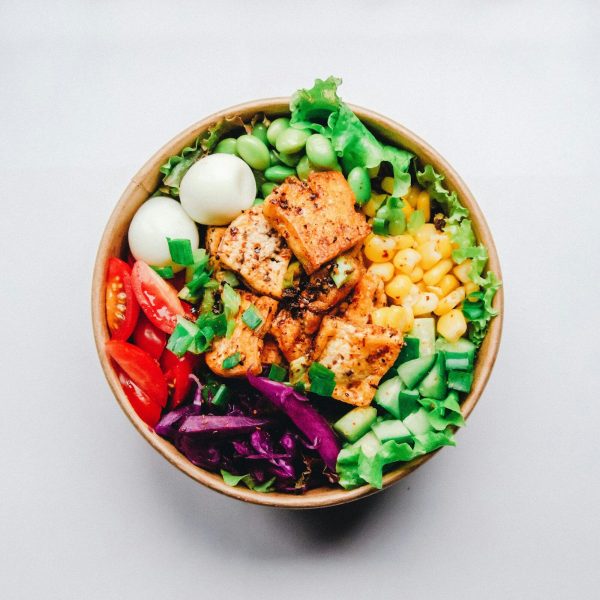
A morning ritual is most powerful when supported by the choices you make throughout the day, especially with food. Spring is the time to eat in a way that supports the Liver’s need for smooth flow and gentle nourishment. The key is to favor foods that are slightly warming, green, and sprouting.
My grandmother, a firm believer in seasonal eating, would always start cooking with a particular set of ingredients as soon as the plum blossoms appeared. “Spring food should be like the season,” she’d say. “Light, fresh, and moving.” Here’s a practical guide to building a spring-supportive plate:
| Food Category | Specific Examples | TCM Properties & Preparation |
|---|---|---|
| Leafy Greens | Dandelion greens (Taraxacum officinale), spinach, watercress, kale, chard. | Bitter and slightly cool, they help clear heat and gently move Liver qi. Best lightly sautéed or blanched with a little ginger to balance their cool nature. |
| Sprouts & Shoots | Bean sprouts (mung bean, soy), pea shoots, bamboo shoots. | Embody the energy of new growth. They are light, upward-moving, and help to gently disperse stagnation. Add to stir-fries or soups at the last minute. |
| Herbs | Fresh mint, cilantro, parsley, chives, basil. | Aromatic and moving. These herbs help to lift and circulate qi. Use generously as garnishes or in salads. |
| Light Proteins | Chicken, fish (especially white fish), eggs, tofu. | Easier to digest than red meat, which can be too heavy and generate heat in spring. Poach, steam, or gently stir-fry. |
| Teas & Broths | Chrysanthemum tea (Chrysanthemum morifolium), green tea, light bone or vegetable broth. | Chrysanthemum clears Liver heat and brightens the eyes. Green tea is gently astringent and moving. Sip these throughout the day. |
A Simple Spring Lunch Idea: Sauté a handful of spinach and pea shoots with sliced garlic and ginger in a teaspoon of sesame oil for 2 minutes. Add a piece of steamed white fish or cubed tofu. Serve over a small bowl of brown rice. Garnish with fresh cilantro. This meal is light, green, and moving—perfect for supporting your morning ritual’s work.
Common Pitfalls and How to Avoid Them
Even with the best intentions, it’s easy to fall into patterns that work against spring’s energy. Here are two common pitfalls:
1. Overdoing It: Spring energy is rising, but it’s not yet the full, expansive energy of summer. Pushing too hard with intense exercise or long work hours can lead to Liver qi rising too fast, causing headaches, irritability, or eye strain. The fix: Keep your movement gentle in the morning (like the ritual’s stretch). If you exercise later, choose something flowing like tai chi, qigong, or a brisk walk in nature. Avoid intense, aggressive workouts until late spring.
2. Emotional Bottling: The Liver qi needs to flow smoothly. Holding onto frustration, anger, or resentment is like putting a kink in a hose. It creates intense internal pressure. The fix: Use your morning intention as a check-in. If you feel irritation bubbling up during the day, pause. Take three deep breaths, press your Liver 3 point for 30 seconds, and ask, “What needs to move here?” Sometimes it’s a conversation, sometimes it’s a walk, and sometimes it’s just acknowledging the feeling.
A 2020 study in Frontiers in Psychology highlighted the strong link between suppressed anger and physical symptoms like tension headaches and digestive issues—patterns TCM has recognized for millennia as Liver qi stagnation.
Common Questions
I’m not a morning person. Can I do this ritual later in the day?
Absolutely. While morning is ideal because it aligns with the rising yang energy of the day, the core principles—movement, acupressure, green gazing, and intention—can be beneficial at any time. If you do it in the afternoon, focus especially on the Liver 3 point and the stretch to relieve any built-up tension from the day. The key is consistency, not the exact hour.
Is this ritual safe for everyone? I have a chronic health condition.
This ritual is designed to be very gentle and is generally safe for most people. However, if you are pregnant, have very low blood pressure, or have a specific medical condition, it’s always wise to consult with your healthcare provider or a licensed acupuncturist before starting any new wellness practice. The acupressure on Liver 3, for example, is traditionally contraindicated during pregnancy.
How long until I notice a difference?
Many people report feeling a subtle shift in mood and energy within the first week—less morning grogginess, a bit more mental clarity. For more noticeable changes in things like chronic tension or irritability, consistency for 3-4 weeks is often needed, as you’re gently retraining your body’s energy patterns. Think of it like watering a plant; you don’t see growth overnight, but with regular care, the change becomes clear.
The bottom line: A spring morning ritual is a simple, powerful way to sync your inner energy with the season’s natural rhythm. By taking just ten minutes to hydrate gently, stretch mindfully, apply acupressure, connect with nature, and set a clear intention, you actively cultivate the smooth, flexible, and creative energy of the Wood element. This isn’t about adding another task; it’s about creating a foundation of calm clarity from which your entire day can grow.
About the Author
Yu Xi Zhang grew up in a Chinese household where traditional wellness practices were part of daily life. With over 15 years of study under licensed TCM practitioners in Beijing and Chengdu, and a certification in TCM nutrition from the Beijing University of Chinese Medicine, she bridges Eastern wisdom with Western wellness in practical, actionable ways. Her writing draws from classical texts like the Huangdi Neijing and modern research to help readers live healthier, more balanced lives.
This article is for educational purposes and reflects traditional wellness perspectives. It is not a substitute for professional medical advice, diagnosis, or treatment.