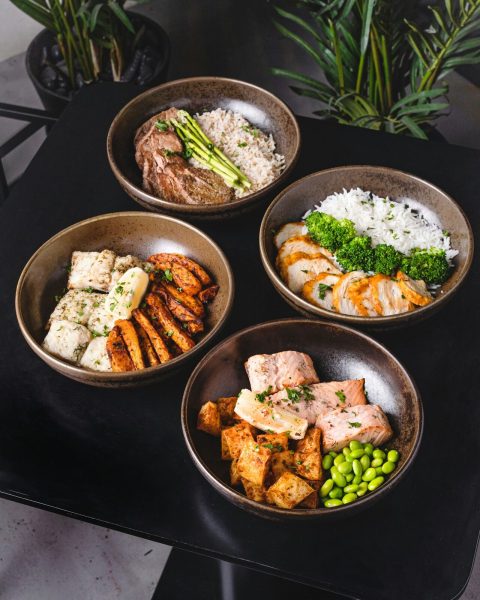
There’s a particular quality to the air in early spring, isn’t there? It’s not yet the full warmth of summer, but there’s a crispness that carries a hint of green, a subtle promise of movement after winter’s stillness. In Traditional Chinese Medicine (TCM), we don’t just feel this change—we recognize it as a profound shift in the body’s internal landscape. This is the season of the Liver, the organ system responsible for the smooth flow of qi, our vital energy. When spring arrives, the Liver’s qi naturally begins to rise and spread, much like a sapling pushing through the soil. If this energy is stagnant or constrained from the long, inward winter, we can feel it as irritability, stiff tendons, or that restless urge to break free. Understanding and supporting this “spring liver qi” isn’t just poetic philosophy; it’s a practical roadmap for aligning your body with nature’s renewal cycle, setting the tone for vibrant health all year long.
The Wood Element: Understanding the Liver’s Role in Spring
In the Five Element theory, a cornerstone of TCM, each season corresponds to a primary organ system and an element. Spring belongs to Wood, and its associated organ is the Liver (and its paired organ, the Gallbladder). Think of the Liver as the body’s chief planner and strategist. Its primary job is to ensure the smooth, even flow of qi and blood throughout every other system. When it functions well, we feel decisive, flexible, and creatively energized. The Huangdi Neijing, the foundational text of Chinese medicine compiled over 2,000 years ago, states: “The Liver is the general of the organs, and it is responsible for planning and strategy.” In spring, this general is on the move.
The energy of Wood is expansive, upward, and outward—just like a tree growing. This is why spring is the ideal time for new projects, planting gardens (both literal and metaphorical), and shaking off winter’s inertia. However, if the Liver qi becomes stagnant—often from stress, unexpressed emotions, poor diet, or lack of movement—this natural upward energy can get stuck. Instead of smooth growth, you get frustration, like a tree branch that’s been bent and can’t spring back. This stagnation is the root of many common spring complaints: tension headaches, eye irritation, neck and shoulder stiffness, and sudden flares of anger or depression.
“When the Liver is in harmony, the tendons are nourished and the qi flows freely. When it is disturbed, the whole body feels the tension.”
My teacher in Chengdu, Dr. Li, used a simple analogy I’ve never forgotten. He said, “Think of your Liver qi like the strings on a guitar. They need just the right amount of tension to produce a beautiful note. Too loose, and the sound is dull and lifeless—this is Liver qi deficiency. Too tight, and the string is strained, prone to snapping—this is Liver qi stagnation turning into Liver Fire. Spring is the time to tune the instrument.”
Signs Your Spring Liver Qi Needs Support
How do you know if your Liver qi is flowing smoothly or getting stuck? The body gives clear signals, especially during this transitional season. Paying attention is the first step in mindful living. Here are common signs of Liver qi stagnation, which tends to peak in early spring:
- Physical: Tension in the neck, shoulders, and upper back; headaches, especially at the temples or behind the eyes; eye redness, dryness, or floaters; digestive upset like bloating or alternating constipation/diarrhea (the Liver directly “invades” the Spleen/Stomach system); rib-side pain or a feeling of fullness in the chest.
- Emotional & Mental: Irritability, frustration, or a short fuse over small things; feeling “stuck” or unable to make decisions; sighing frequently; depression that feels more agitated than sad; difficulty falling asleep due to a racing mind, often waking between 1-3 AM (the Liver’s peak time on the Chinese clock).
- Other: Worsening of premenstrual symptoms (breast tenderness, mood swings); tendon or ligament issues; a feeling of something stuck in the throat (known as “plum-pit qi”).
A 2017 review in the Journal of Traditional and Complementary Medicine noted that these symptom patterns correlate with what TCM defines as Liver qi stagnation, and that interventions targeting this pattern showed promise in improving quality of life measures related to stress and mood (Zhang et al., 2017). It’s not about diagnosing a disease, but recognizing a pattern of imbalance that you can actively work with.

Nourishing the Wood Element: Foods for Spring Liver Qi
In TCM nutrition, we don’t just eat for vitamins; we eat to support our organ systems and balance our constitution. For the Liver and Wood element, we focus on foods that are slightly bitter, sour, and green. These flavors and colors have an affinity for the Liver, helping to clear heat, gently move stagnation, and nourish the blood that the Liver stores.
My grandmother’s spring ritual was to make a simple broth with watercress and goji berries the moment the first shoots appeared in the market. “It cleans the liver’s window,” she’d say, meaning it helped clear the eyes. Her wisdom aligns perfectly with classical theory. Here is a practical table of foods to incorporate, moving from general principles to specific, actionable meals.
| Food Category | Specific Foods & Preparation | TCM Rationale & Action |
|---|---|---|
| Leafy Greens | Dandelion greens (sauté with garlic), watercress (in soups or salads), spinach (lightly steamed), kale (massaged with lemon), spring mix lettuces. | The green color nourishes the Liver. Slightly bitter greens clear Liver heat. Action: Aim for 2 cups of dark leafy greens daily. |
| Sour Flavors | Organic lemon (1/2 squeezed in warm water upon waking), lime, grapefruit, green apple, sauerkraut, pickles (in moderation), high-quality vinegar (1 tsp in dressings). | Sour flavor astringes and has a drawing-in quality that can help contain and regulate the Liver’s expansive energy. Action: Start your day with warm lemon water. |
| Green Sprouts & Shoots | Bean sprouts (mung bean, soy), pea shoots, asparagus, bamboo shoots. | These embody the rising, sprouting energy of Wood. They gently move qi upward and outward. Action: Add a handful of sprouts to stir-fries or sandwiches. |
| Herbs & Aromatics | Fresh mint (in tea or salads), basil, rosemary, turmeric (with black pepper), small amounts of chili pepper. | Aromatic herbs move qi. Mint specifically courses the Liver and vents heat. Turmeric invigorates blood. Action: Make a fresh mint tea with 5-6 leaves steeped in hot water for 5 minutes. |
| Teas & Broths | Chrysanthemum tea (Chrysanthemum morifolium), goji berry tea, light vegetable broth with shiitake mushrooms. | Chrysanthemum clears Liver heat and brightens the eyes. Goji berries nourish Liver blood. Action: Replace one afternoon coffee with a cup of chrysanthemum tea. |
A crucial note: Avoid an excess of greasy, fried, or excessively spicy foods in spring. These create internal heat and dampness, which further constrict the Liver qi. Also, be mindful of overconsumption of alcohol, which TCM considers extremely hot and taxing to the Liver. Moderation is key.
Movement to Mobilize: Practices for Flowing Qi
Stagnation is the opposite of movement. Therefore, gentle, flowing movement is the primary medicine for Liver qi stagnation. The goal is not to exhaust yourself but to encourage circulation, like thawing a frozen stream. High-intensity exercise can sometimes further stress an already agitated Liver, so we favor mindful, rhythmic practices.
Qigong and Tai Chi are perfect. The slow, deliberate movements, coordinated with deep breathing, are literally designed to move qi. A specific qigong form for the Liver is the “Five Animal Frolics – Deer Form.” The deer is associated with the Liver and Kidneys, and its movements involve gentle twisting of the torso and stretching of the tendons. Even 10 minutes each morning can make a profound difference. During my training in Beijing, we practiced this form every spring morning at dawn in the park. The collective feeling of hundreds of people moving in unison with the rising sun was a powerful lesson in aligning with the season.
Yoga offers excellent poses for the Liver and Gallbladder meridians, which run along the sides of the body. Focus on:
- Supported Fish Pose: Opens the chest and relieves tension in the shoulders and neck.
- Supine Twist: Gently wrings out the abdominal organs, stimulating digestion and qi flow.
- Gate Pose (Parighasana): A deep side stretch that targets the Liver and Gallbladder channels.
- Seated Forward Fold (Paschimottanasana): Calms the mind and stretches the entire back body, including the tendons.
A simple daily practice: Spend 5 minutes each morning doing gentle neck circles and shoulder rolls. Then, stand with feet hip-width apart, and gently twist your torso side to side, letting your arms swing freely. Breathe deeply into the sides of your ribs. Do this for 2 minutes. It’s a direct way to “unstick” the qi in the Liver region.
The Emotional Landscape: Managing Anger and Cultivating Vision
Every organ system in TCM has an associated emotion. For the Liver, that emotion is anger (including frustration, resentment, and irritability). This doesn’t mean anger is “bad.” It’s a natural, vital emotion. The problem arises when it’s suppressed or expressed in a chronic, explosive way. In spring, when the Liver’s energy is naturally rising, unexpressed anger can bubble to the surface more readily. This is why spring cleaning—both physical and emotional—can feel so urgent.
The positive virtue of a balanced Liver is kindness, benevolence, and clear vision—both literally and metaphorically. The Liver opens to the eyes, so eye problems can reflect Liver imbalance. Metaphorically, it’s about having a vision for your life and the flexibility to navigate obstacles. A 2020 study in Frontiers in Psychology explored the mind-body connection in TCM and found that participants who engaged in mindfulness practices aimed at regulating emotions associated with the Liver (like frustration) reported improved subjective well-being and reduced physical tension (Li et al., 2020).
Practice this: When you feel irritation rising, pause. Take three deep breaths, imagining you are breathing in the fresh, green energy of spring and exhaling grey, stagnant air. Ask yourself: “What needs to move? What am I holding onto?” Sometimes, the answer is as simple as needing to go for a walk or write in a journal. My teacher would say, “Don’t let the anger become a dam. Let it be a flowing river that waters your garden.”
A Simple 7-Day Spring Liver Qi Reset
Knowledge is best applied in small, consistent steps. Here is a gentle, actionable plan to support your Liver qi this week. You don’t need to do everything at once. Choose one or two practices to start.
- Day 1-2 (Foundation): Begin each day with a large cup of warm water with the juice of 1/2 organic lemon. Spend 5 minutes in gentle torso twists upon waking.
- Day 3-4 (Nourishment): Incorporate one serving of bitter greens (dandelion, arugula, or watercress) into your lunch or dinner. Make a simple stir-fry with broccoli, snap peas, and mung bean sprouts.
- Day 5-6 (Movement & Mind): Take a 20-minute walk in nature, focusing on the budding trees and the feeling of expansion. Practice the “Gate Pose” yoga stretch for 2 minutes on each side.
- Day 7 (Integration & Rest): Prepare a simple, nourishing soup: simmer vegetable broth with sliced shiitake mushrooms, a handful of spinach, and a teaspoon of goji berries for 10 minutes. Enjoy it mindfully. Before bed, write down one thing you’re ready to release and one vision you want to cultivate.
Common Questions
Can supporting Liver qi really help with seasonal allergies?
From a TCM perspective, yes, it’s a key strategy. The Liver’s smooth flow of qi helps regulate the immune system’s response. When Liver qi stagnates, it can generate internal heat and wind, which may exacerbate allergic reactions like itchy eyes, sneezing, and hives. Herbs like chrysanthemum (Ju Hua) and mint (Bo He), which course the Liver and vent heat, are classically used in formulas for allergic conjunctivitis and rhinitis. A 2018 review in Pharmacological Research discussed the anti-inflammatory and immunomodulatory properties of several Liver-soothing herbs, providing a modern rationale for this traditional use (Yang et al., 2018).
I feel tired in spring, not energized. Is that still a Liver issue?
Absolutely. This is a common and counterintuitive sign. If the Liver qi is severely stuck, it can “oppress” the Spleen system, which is in charge of energy production. This pattern, called “Liver invading the Spleen,” leads to fatigue, bloating, loose stools, and a feeling of heaviness. The solution isn’t just to move the Liver, but to also gently support the Spleen. Focus on easy-to-digest, warm foods like congee (rice porridge), sweet potato, and well-cooked oats. Avoid cold, raw salads for a while. The gentle movement practices mentioned earlier are also crucial, as they move the Liver qi without taxing the Spleen.
Are there any herbs I should avoid in spring?
Yes, be cautious with very hot, drying, or heavily sedating herbs unless specifically prescribed by a practitioner. For example, large amounts of ginger (though fine in small culinary doses) or cinnamon can add too much heat if you already have Liver fire signs (red face, intense anger, bitter taste). Similarly, strong sedatives like valerian root may suppress the Liver’s natural rising energy rather than regulate it. The principle is to regulate and smooth, not suppress or overstimulate. When in doubt, consult a licensed herbalist or TCM practitioner who can tailor advice to your specific constitution.
The bottom line: Spring’s invitation is to grow, expand, and renew. By understanding the Liver’s role as the body’s “general” of smooth flow, you can actively support its natural seasonal awakening. Through mindful eating of green and sour foods, gentle flowing movement, and emotional awareness, you transform potential stagnation into vibrant energy. Aligning with the Wood element isn’t about adding more to your to-do list; it’s about tuning into the rhythm that’s already there, inside you and all around you, and allowing your own renewal to unfold.
About the Author
Yu Xi Zhang grew up in a Chinese household where traditional wellness practices were part of daily life. With over 15 years of study under licensed TCM practitioners in Beijing and Chengdu, and a certification in TCM nutrition from the Beijing University of Chinese Medicine, she bridges Eastern wisdom with Western wellness in practical, actionable ways. Her writing draws from classical texts like the Huangdi Neijing and modern research to help readers live healthier, more balanced lives.
This article is for educational purposes and reflects traditional wellness perspectives. It is not a substitute for professional medical advice, diagnosis, or treatment.