There’s a particular quality of light in early spring that I find impossible to describe to anyone who hasn’t spent a quiet morning watching it filter through a window. It’s softer than summer’s glare, more hopeful than autumn’s gold. In my grandmother’s home in Hangzhou, this light would land on the simple clay teapot she kept on a low table by the kitchen door. That was the signal. As the first tender shoots of Longjing tea (龙井, *Camellia sinensis*) arrived from the nearby hills, our family’s rhythm shifted. The heavy, warming teas of winter were packed away, and the spring tea ritual began. This wasn’t just about drinking tea; it was a daily practice of aligning ourselves with the season’s gentle, rising energy. Today, I want to share this practice with you—not as a rigid ceremony, but as a flexible, mindful anchor for your spring days. It’s a way to brew calm, connect with nature’s rhythm, and support your body’s natural transition into a new season.
The Wisdom of Spring: Why Tea is More Than a Beverage
In Traditional Chinese Medicine (TCM), spring is governed by the Wood element, associated with the Liver and Gallbladder organ systems. This isn’t about your physical liver, but rather an energetic system responsible for the smooth flow of qi (vital energy) and blood throughout the body. Think of it as your body’s internal traffic controller. After the introspective, contracting energy of winter, the Wood element needs to express itself—like a sapling pushing through soil. When this energy is stagnant, we might feel irritable, have headaches, or experience tight shoulders. When it flows freely, we feel inspired, flexible, and clear.
Tea, particularly fresh, green, or white tea harvested in early spring, is considered a perfect ally for this season. Its nature is cooling and gently moving. It helps to clear the residual heat from winter’s heavier diet and nourishes the body’s fluids without being overly damp or cloying. The Huangdi Neijing, a foundational TCM text compiled over 2,000 years ago, advises to “nourish the sheng [generative] qi in spring.” A light, vibrant tea does exactly that. A 2019 study in the Journal of Ethnopharmacology reviewed the hepatoprotective (liver-protecting) properties of green tea polyphenols, noting their potential to support the body’s natural detoxification processes—a modern echo of this ancient wisdom.
“Tea is the elixir of life.” — Lu Yu, The Classic of Tea (茶经, 8th century)
Choosing Your Spring Leaves: A Guide to the First Flush
Not all teas are created equal for a spring ritual. The goal is to select teas that are minimally processed, capturing the vibrant, upward energy of the season. Think of it as drinking the essence of a spring morning. Here’s a simple guide to get you started.
| Tea Type | Flavor Profile | TCM Energetics | Best For |
|---|---|---|---|
| First Flush Darjeeling | Floral, muscatel, light astringency | Cooling, gently moves Liver qi | Morning clarity, gentle uplift |
| Longjing (Dragon Well) | Chestnut-like, sweet, vegetal | Cooling, clears heat, promotes fluids | Afternoon focus, calming the mind |
| Bai Mudan (White Peony) | Honey, melon, delicate | Slightly cooling, nourishes yin | Gentle evening ritual, sensitive constitutions |
| Gyokuro | Deep umami, marine, sweet | Cooling, strongly nourishes yin and fluids | Intense focus, post-meal digestion |
| Green Rooibos (herbal) | Grassy, slightly sweet, caffeine-free | Neutral to slightly cooling | Caffeine-sensitive individuals, evening |
A note on sourcing: Look for teas labeled “first flush” or “pre-Qingming” (harvested before April 5th). These are the most tender and energetically potent. During my studies in Chengdu, my teacher would only use spring-picked teas for his morning practice, believing they held the purest yang energy of the year. You don’t need the most expensive grade; a good quality, whole-leaf tea from a reputable vendor is perfect.
The Ritual Unfolding: A Step-by-Step Guide
The power of a ritual lies in its consistency and mindful attention. Here is a simple, actionable framework you can adapt. The goal is not perfection, but presence.
- Prepare Your Space (2 minutes): Choose a quiet spot. Clear a small surface. You need: a teapot or gaiwan (a lidded bowl), a cup, a kettle, and your chosen spring tea. If you like, add a single fresh flower or a small stone from your garden.
- Heat the Water Mindfully (3 minutes): Use filtered water. For most spring green and white teas, heat water to 175°F (80°C)—not a rolling boil. Listen to the kettle’s sound; it will change from a low rumble to a higher-pitched whisper just before the right temperature. This is your first moment of listening.
- Warm the Vessels (1 minute): Pour a little hot water into your teapot and cup, swirl it around, and discard. This pre-heats the vessels and is a symbolic cleansing.
- Measure the Leaf (30 seconds): Use about 3-5 grams of tea per 6 ounces (180 ml) of water. For a gaiwan, this is roughly a tablespoon of loose leaf. Observe the dry leaves—their color, their shape, their scent.
- The First Infusion (The Awakening): Pour the hot water over the leaves. For Longjing, steep for only 45-60 seconds. For Bai Mudan, 1-2 minutes. This first brew is often the most delicate and floral. Pour it completely into your cup, savoring the aroma before you sip.
- Subsequent Infusions: Good whole-leaf teas can be re-steeped 3-5 times. With each infusion, you can slightly increase the steeping time by 15-30 seconds. Notice how the flavor evolves—this is a lesson in impermanence and discovery.
- Closing the Ritual: When you’re finished, take a moment to feel the warmth in your body, the calm in your mind. Rinse your teaware with warm water and let it air dry. Carry that sense of quiet clarity into your next activity.

Beyond the Cup: Integrating Tea into a Spring Lifestyle
The spring tea ritual is a gateway to broader seasonal living. The same principles of lightness, freshness, and gentle movement that guide your tea choice should guide your plate and your day.
Spring Foods to Pair with Your Tea: Embrace foods that are green, sprouting, and slightly bitter or sweet. Think of your plate as a garden.
- Breakfast: A bowl of warm oatmeal with a handful of fresh pea shoots or blanched spinach, topped with a sprinkle of sesame seeds.
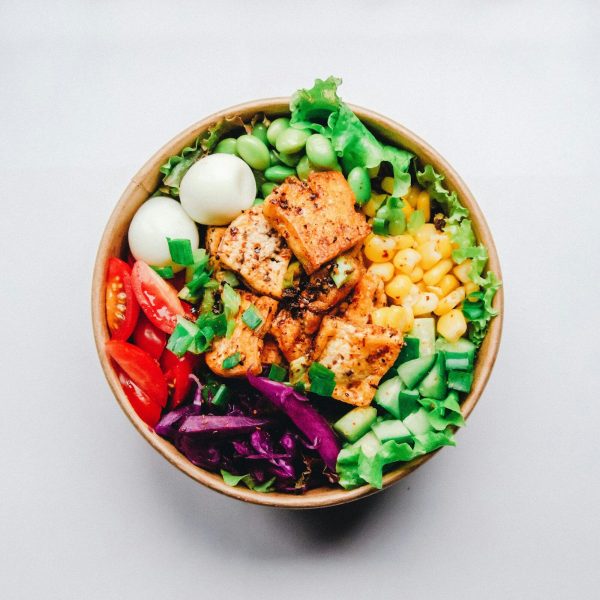
- Lunch: A large salad with bitter greens (dandelion, arugula), shredded raw carrot, and a light lemon-tahini dressing. Add steamed asparagus or snap peas.
- Snack: A small handful of goji berries (Lycium barbarum) and a few walnuts. Goji berries nourish Liver yin and blood.
- Dinner: Lightly sautéed spring vegetables (bok choy, mushrooms, snow peas) with tofu or fish, served over a small portion of millet or rice.
Movement for the Wood Element: After your morning tea, engage in gentle, flowing movement that mimics the growth of plants. A 10-minute session of Tai Chi’s “Cloud Hands” movement, a slow walk in a park noticing the budding trees, or simple side stretches to open the ribs and flanks (the area associated with the Liver channel) are all perfect. The key is to move without force, like water finding its path.
Recommended Tools for Your Practice
You don’t need elaborate equipment to begin. Start with what you have. If you wish to deepen your practice, here are a few foundational items.
- A Porcelain Gaiwan (100-150ml): The most versatile brewing vessel. Its lid allows you to control infusion time perfectly and enjoy the aroma of the wet leaves.
- A Simple Clay Teapot (Yixing or similar): Ideal if you prefer one type of tea (e.g., green). The unglazed clay absorbs the tea’s essence over time, enriching future brews.
- A Temperature-Control Kettle: Eliminates guesswork. Look for one with presets for 175°F (80°C) and 185°F (85°C).
Common Questions
Can I use tea bags for this ritual?
While loose-leaf tea is ideal for a mindful ritual—allowing you to see, smell, and interact with the whole leaves—you can absolutely adapt the practice with high-quality tea bags. The ritual’s essence is in the pause and attention you bring. Choose biodegradable bags filled with whole leaves, not dust. Focus on the process: heating the water, pouring it slowly, waiting patiently, and sipping with full awareness. The container matters less than your intention.
I’m sensitive to caffeine. What are my best options?
Excellent question. For a caffeine-free spring ritual, consider green rooibos (unfermented rooibos, Aspalathus linearis). It has a grassy, slightly sweet flavor and is rich in antioxidants. Another option is a chrysanthemum tea (Chrysanthemum morifolium). In TCM, chrysanthemum is cooling and used to clear Liver heat and brighten the eyes—perfect for spring. Use 5-6 dried flowers per cup, steeped in just-boiled water for 3-5 minutes. For a very light caffeinated option, a high-quality white tea like Silver Needle, steeped briefly (30 seconds), contains minimal caffeine and is incredibly gentle.
How does this differ from a formal Japanese or Chinese tea ceremony?
This spring tea ritual is a simplified, personal practice inspired by the principles of traditional tea culture, not a replication of formal ceremonies. The Japanese Chanoyu and Chinese Gongfu Cha are highly codified arts with specific aesthetics, utensils, and social protocols. Our focus here is on seasonal alignment and personal mindfulness. It’s less about perfect form and more about creating a consistent, calming space to connect with the season. Think of it as the difference between a formal concert and playing your favorite instrument at home for joy. Both are beautiful; one is for daily nourishment.
The bottom line: A spring tea ritual is a simple, profound way to honor the season’s energy. By choosing fresh, cooling teas like first-flush Darjeeling or Longjing, brewing them with mindful attention, and pairing them with light, green foods and gentle movement, you support your body’s natural transition from winter’s stillness to spring’s growth. It’s a daily practice of calm, clarity, and connection—brewed one cup at a time.
About the Author
Yu Xi Zhang grew up in a Chinese household where traditional wellness practices were part of daily life. With over 15 years of study under licensed TCM practitioners in Beijing and Chengdu, and a certification in TCM nutrition from the Beijing University of Chinese Medicine, she bridges Eastern wisdom with Western wellness in practical, actionable ways. Her writing draws from classical texts like the Huangdi Neijing and modern research to help readers live healthier, more balanced lives.
This article is for educational purposes and reflects traditional wellness perspectives. It is not a substitute for professional medical advice, diagnosis, or treatment.