In my childhood home in Beijing, the long wooden table in our dining room was the true heart of the house. It was where we ate, where my grandmother told stories, and where she would quietly observe the subtle shifts in our health through the seasons. Come summer, that table transformed. Gone were the heavy, warming stews of winter, replaced by an array of vibrant, cooling dishes—pale green mung bean soups, chilled cucumber salads, and plates of bitter melon glistening with a light sesame oil dressing. “In summer,” she would say, tapping the bowl of cooling liang ban huang gua (cold-dressed cucumber), “you must eat to match the heat. The body is like a garden; you don’t water it with boiling water under the noon sun.” This wasn’t just poetic wisdom; it was a direct application of Traditional Chinese Medicine (TCM) principles for summer cooling family meals. This guide is an invitation to bring that same intelligent, nourishing rhythm to your own family table.
Understanding Summer Heat Through the Lens of TCM
In TCM, summer is the season of maximum Yang—of outward, expansive energy. The organ associated with this season is the Heart, which governs our spirit (Shen) and blood. The pathogenic factor we must guard against is Summer-Heat (Shu), a type of external influence that can easily invade the body when we’re exposed to high temperatures, humidity, or even intense physical exertion in the sun. Symptoms of Summer-Heat invasion are familiar: feeling overheated, excessive sweating (which depletes both fluids and Qi), irritability, a heavy sensation in the body, loss of appetite, and sometimes nausea or loose stools.
The goal of our diet shifts accordingly. We’re not trying to aggressively “cool” the body with ice (which can shock the system and damage the Spleen and Stomach Qi, our digestive fire). Instead, we aim to clear heat, generate fluids, and gently promote urination to help the body release excess warmth naturally. This is the principle of Qing Re Shu Sheng—clearing heat and promoting fluids. A 2019 review in the Journal of Ethnopharmacology highlighted that many foods used in Chinese summer cuisine, like mung beans and watermelon rind, possess demonstrable antioxidant and anti-inflammatory properties that may help the body cope with thermal stress (Li et al., 2019).
“Food and medicine share the same origin.” This ancient saying, “Yi Shi Tong Yuan,” underscores the core of TCM nutrition: your kitchen is your first pharmacy.
The Core Principles of a Cooling Summer Table
Building a summer meal plan isn’t about a list of “cold” foods. It’s about understanding the energetic nature (thermal property) of ingredients and how they interact with our body’s constitution. In TCM, foods are categorized as Hot, Warm, Neutral, Cool, and Cold. For summer, we emphasize Cool and Cold natured foods, use Neutral foods liberally, and use Warm/Hot foods sparingly, often as flavor accents to aid digestion.
Here are the guiding principles for composing your summer cooling family meals:
- Favor the Bland and the Sweet: This doesn’t mean sugary. In TCM, the naturally sweet flavor of foods like rice, sweet potato, corn, and certain fruits (like pear and apple) has a harmonizing, moistening effect that supports the Spleen Qi and generates fluids. Bland foods, like barley and winter melon, are masters at draining dampness.
- Embrace the Bitter: The bitter flavor directly clears heat and dries dampness. Think bitter melon (Ku Gua, Momordica charantia), Chinese lettuce (Wo Ju), and lotus seed core (Lian Zi Xin). My grandmother would always serve a small dish of bitter melon with garlic during the hottest weeks, calling it “nature’s air conditioner.”
- Use Sour to Astringe: Sour foods like plum, hawthorn, lemon, and vinegar help consolidate fluids and prevent excessive sweating, which can deplete Yin. A simple squeeze of lemon in your water is a great start.
- Cook Lightly and Quickly: Opt for steaming, blanching, quick stir-frying, and making soups. Long, slow cooking methods that generate internal heat (like deep-frying or heavy roasting) are best reserved for cooler months.
- Hydrate Intelligently: Sip on room temperature or slightly cool fluids throughout the day. Excellent choices include chrysanthemum tea (Ju Hua), barley water, and mung bean soup. Avoid large quantities of ice-cold drinks, which can extinguish digestive fire.
Your Summer Cooling Pantry: A TCM Food Guide
Stocking your kitchen with the right ingredients makes preparing nourishing meals effortless. The following table breaks down key summer foods by their TCM nature, primary actions, and simple preparation ideas.
| Food | TCM Nature | Key Actions in Summer | Simple Preparation |
|---|---|---|---|
| Mung Beans (Lü Dou) | Cold | Clears heat, resolves toxins, promotes urination. A summer staple. | Simmer 1 cup beans with 8 cups water for 40 mins. Drink the soup, eat the beans. |
| Watermelon Rind (white part) | Cold | Clears heat, promotes fluids, reduces edema. Don’t throw it out! | Julienne and stir-fry with a little ginger and sesame oil, or add to soups. |
| Winter Melon (Dong Gua) | Cool | Clears heat, promotes urination, reduces swelling. Light and digestible. | Peel, cube, and simmer in a simple broth with shiitake mushrooms and goji berries. |
| Lotus Root (Ou) | Cool | Clears heat, nourishes blood, calms the Shen (spirit). | Slice thinly and blanch for a crisp salad, or simmer in a pork bone broth. |
| Bitter Melon (Ku Gua) | Cold | Powerfully clears summer-heat, drains fire, and resolves toxins. | Slice, salt to reduce bitterness, then quick-fry with fermented black beans and garlic. |
| Cucumber (Huang Gua) | Cool | Clears heat, generates fluids, relieves thirst and irritability. | Smash, dress with rice vinegar, sesame oil, garlic, and a pinch of salt. |
| Job’s Tears/Barley (Yi Yi Ren) | Neutral to Cool | Strengthens the Spleen, drains dampness, clears heat. | Simpear with rice for a congee, or cook alone and drink the cooling water. |
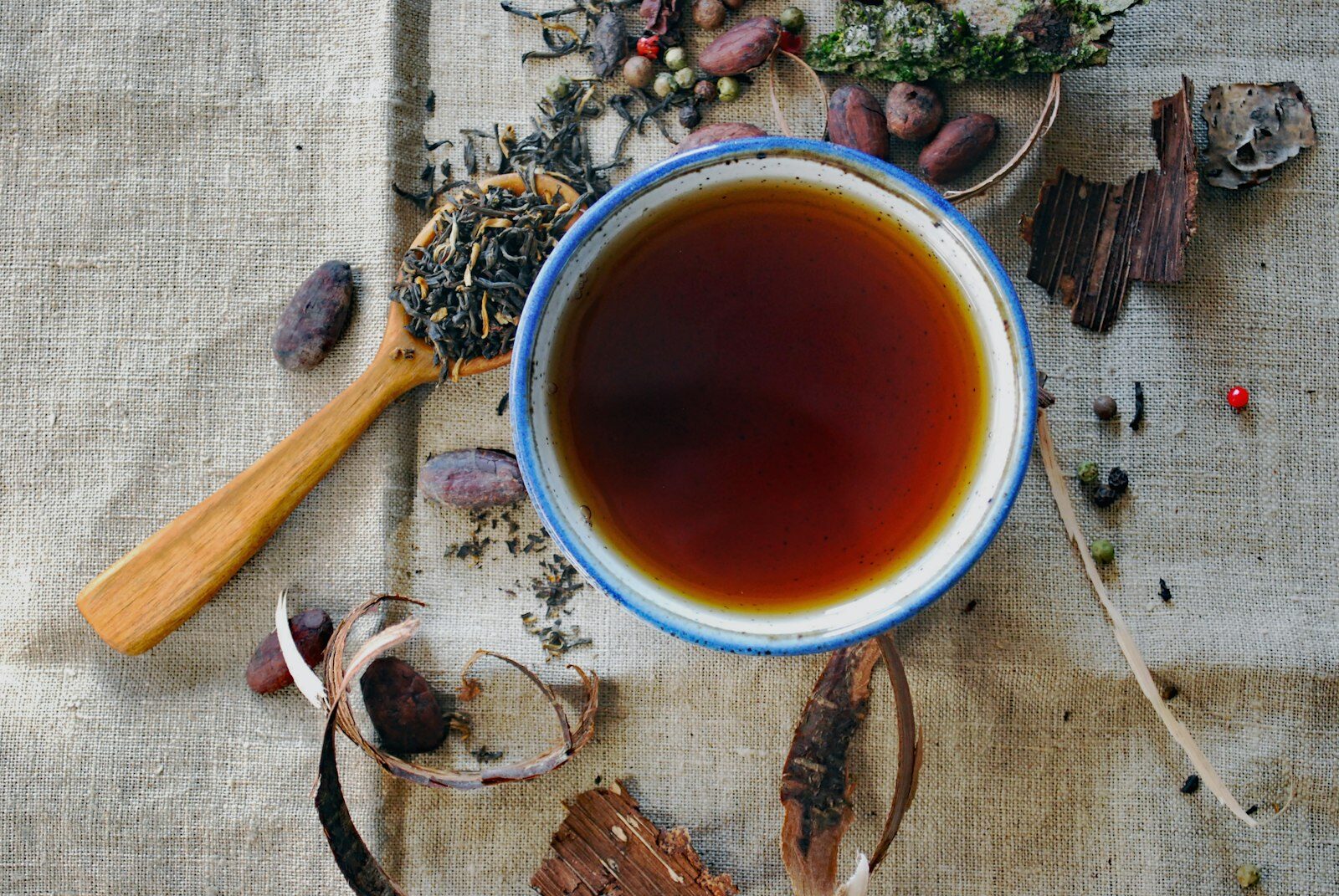
| Chrysanthemum Flowers (Ju Hua) | Cool | Clears heat from the head and eyes, calms the liver. | Steep 5-6 flowers in hot water for 5 minutes. Excellent iced. |
| Green Tea (Lü Cha) | Cool | Clears heat, refreshes the mind, promotes digestion. | Brew at 175°F (80°C) for 2-3 minutes to avoid bitterness. |

Building Your Summer Cooling Family Meal: A Step-by-Step Guide
Let’s move from theory to practice. Here is a framework for constructing a balanced, cooling meal that satisfies the whole family.
Step 1: Choose a Cooling Protein Base
Proteins are essential, but their preparation matters. Favor:
- Fish & Seafood: Most fish are neutral to cool in nature. Steamed fish with ginger and scallion is a perfect summer dish. Shrimp are warm, so balance them with cooling vegetables like cucumber or celery.
- Tofu & Legumes: Firm tofu (Qing Re – clears heat), edamame, and lentils are excellent plant-based choices.
- Poultry: Chicken is neutral, but best prepared in light ways—poached, steamed, or in a clear broth. Avoid heavy fried chicken.
Step 2: Pile on the Cooling Vegetables
This is the star of the summer plate. Aim for at least 2-3 different vegetables per meal, making up half the plate. Use the table above for inspiration. A great combo: a bitter green (bitter melon or dandelion greens), a bland diuretic (winter melon or cucumber), and a sweet vegetable (corn or sweet potato).
Step 3: Select a Harmonizing Grain
Grains provide the sweet flavor that anchors the meal and supports digestion. In summer, rotate between:
- White or Brown Rice: Neutral, the foundation.
- Barley (Job’s Tears): Cooling and damp-draining. Cook ½ cup barley with 1 cup rice.
- Millet: Slightly cool, nourishes the Stomach and Spleen. Makes a wonderful porridge.
- Buckwheat: Cool, clears heat and promotes circulation. Use soba noodles for a cold noodle dish.
Step 4: Add a Digestive-Accent Flavor
Even cooling meals need a touch of warmth to ensure proper digestion and absorption. This is the wisdom of balance. Use these sparingly as garnishes or in cooking:
- Fresh Ginger (Sheng Jiang): 2-3 thin slices in soups or with fish. Warms the middle, prevents the “cold” nature of other foods from taxing digestion.
- Scallion (Cong Bai): Use the white part at the end of cooking to release its warming, exterior-releasing properties.
- A Small Amount of Sichuan Pepper or Black Pepper: Just a pinch can stimulate Qi flow and digestion without generating excessive heat.
A Sample Summer Cooling Family Meal Plan
Here’s what a day of eating might look like, putting all these principles into practice.
Breakfast (7-9 AM, Stomach time)
- Millet & Job’s Tears Congee: Cook ¼ cup millet and 2 tbsp barley in 4 cups water for 45 mins until soft. Top with a few goji berries (Gou Qi Zi) and a drizzle of honey.
- Side: A few slices of chilled cucumber.
- Drink: Warm barley water or room-temperature water with a slice of lemon.
Lunch (11 AM-1 PM, Heart time)
- Main: Steamed sea bass with ginger and scallion (2 thin slices ginger in cavity, top with scallion threads after steaming).
- Vegetable 1: Stir-fried bitter melon with fermented black beans and garlic (use 1 tsp oil, cook quickly).
- Vegetable 2: Blanched Chinese broccoli (Jie Lan) with a light oyster sauce drizzle.
- Grain: ½ cup brown rice mixed with ½ cup cooked barley.
- Soup: A small bowl of winter melon and shiitake mushroom broth (simmer rinds and mushrooms for 30 mins).
Dinner (5-7 PM, Kidney time)
- Main: Cold sesame noodles (soba noodles rinsed in cold water, dressed with 1 tbsp tahini, 1 tsp soy sauce, 1 tsp rice vinegar, ½ tsp sesame oil, garlic).
- Protein: Shredded poached chicken breast or edamame.
- Toppings: Julienned cucumber, shredded carrot, blanched bean sprouts.
- Drink: Chrysanthemum and goji berry tea (steep 5 flowers and 10 berries).
Hydration & Snacks Throughout the Day
- Infused Water: A pitcher of water with cucumber slices and mint leaves.
- Snack: A handful of fresh lychee (warm, so limit to 5-6) or a slice of watermelon (best eaten between meals, not right after).
- Evening: A small cup of mung bean soup (cooled to room temperature).
Common Questions About Summer Cooling Family Meals
Can I still have barbecues and grilled foods in summer?
Absolutely, but balance is key. Grilling is a very “hot” cooking method. To mitigate this, pair grilled meats or vegetables with abundant cooling sides. A great strategy is to make the grill the accent of the meal, not the bulk. For example, have grilled chicken skewers as a protein, but serve them with a large platter of smashed cucumber salad, a cold noodle salad with sesame dressing, and plenty of grilled vegetables like zucchini and eggplant (which are cool in nature). Follow the meal with a cooling drink like chrysanthemum tea.
My family finds bitter melon too bitter. What can I do?
Start by preparing it correctly to reduce bitterness. Slice the bitter melon, sprinkle generously with salt, and let it sit for 15-20 minutes. Then rinse thoroughly and squeeze out excess water. This draws out some of the bitter compounds. Then, pair it with strong, savory flavors that complement it: fermented black beans, garlic, a bit of minced pork, or a sweet and sour sauce. You can also start with less bitter cooling options like cucumber, winter melon, or celery, and introduce bitter melon gradually.
Is it true I should avoid ice cream and cold drinks completely?
TCM advises caution, not total prohibition. The concern is that excessive cold directly injures the Spleen and Stomach Yang (digestive fire), leading to poor digestion, bloating, and dampness accumulation. A small serving of ice cream on a very hot day is fine for most people, especially if you have a strong constitution. The issue is habit and excess. Sipping ice water all day long is more problematic than an occasional treat. If you do indulge, consider having a cup of warm ginger tea afterward to help counteract the cold and support digestion.
The bottom line: Embracing summer cooling family meals is about aligning your plate with the season’s energy. It’s a practice of balance—using cool and bitter foods to clear heat, sweet grains to nourish and generate fluids, and small touches of warming flavors to protect digestion. By stocking your pantry with mung beans, barley, bitter melon, and chrysanthemum, and by cooking with light, quick methods, you can create a table that is not only refreshing and delicious but also a powerful form of preventive care, helping your family stay comfortable, hydrated, and energized all summer long.
About the Author
Yu Xi Zhang grew up in a Chinese household where traditional wellness practices were part of daily life. With over 15 years of study under licensed TCM practitioners in Beijing and Chengdu, and a certification in TCM nutrition from the Beijing University of Chinese Medicine, she bridges Eastern wisdom with Western wellness in practical, actionable ways. Her writing draws from classical texts like the Huangdi Neijing and modern research to help readers live healthier, more balanced lives.
This article is for educational purposes and reflects traditional wellness perspectives. It is not a substitute for professional medical advice, diagnosis, or treatment.