Category: Seasonal Wellness

How each season affects your body in Chinese medicine — spring and the Liver, summer and the Heart, autumn and the Lungs, winter and the Kidneys.

  • Autumn and the Lungs: Why Grief Settles Here

    Autumn and the Lungs: Why Grief Settles Here

    There’s a reason autumn is the season of letting go. Trees shed their leaves, the air turns crisp and thin, and something in us feels the pull to withdraw, reflect, and process what the year has brought. In Chinese medicine, this is the season of the Lungs — and the Lungs are paired with the emotion of grief. The connection between the two is not poetic metaphor. It’s one of the most directly observable links in the entire system.


    Why the Lungs Own Autumn

    In the Five Elements framework, the Lungs belong to Metal. Metal is the energy of refinement, of stripping away what’s no longer needed — exactly what nature does in autumn. Leaves dry and fall, fruit withers, and the world contracts toward its essential structure. Your body mirrors this contraction. Lung energy peaks in autumn, and the Lungs are responsible for taking in the new (through breath) and releasing the old (through exhalation and, paired with the Large Intestine, through elimination).

    This is the deep insight of the Lung–Large Intestine pair: both organs are about exchange — what comes in and what goes out. When this rhythm is healthy, you breathe freely, let go of what no longer serves you, and move forward cleanly. When it’s stuck — from unprocessed grief, shallow breathing, or holding on too tightly — the signs appear.

    A person in quiet meditation, reflecting the Metal element, autumn season, and the Lungs' connection to grief in Chinese medicine

    The Grief–Lung Connection

    Each organ in Chinese medicine holds a primary emotion, and the Lungs hold grief. The relationship runs both ways:

    • Lungs out of balance → grief surfaces. When Lung energy is weak or blocked, you may feel inexplicably sad, weepy, or heavy in the chest.
    • Unprocessed grief → weakens the Lungs. Holding onto old losses, refusing to mourn, or staying stuck in sadness can actually deplete Lung energy over time.

    This is why autumn so often brings up old losses. The season itself resonates with the Lung frequency, and anything unprocessed rises to the surface. The Chinese medical view isn’t to suppress this — it’s to let it move through. Crying, deep breathing, time in crisp air, and honest reflection are all Lung medicine in autumn.

    In Chinese medicine, grief isn’t a problem to fix. It’s a process to complete. The Lungs are where that completion happens.

    Signs Your Lung Energy Needs Support

    • Frequent colds, coughs, or respiratory issues, especially in autumn and winter
    • Shallow breathing or a feeling you can’t get a full breath
    • Skin that’s dry, flaky, or easily irritated (the Lungs govern the skin)
    • A tendency to catch every bug going around the office
    • Chronic sadness, weepiness, or a heavy feeling in the chest
    • Constipation or difficulty “letting go” in life, not just digestion
    • Fatigue that worsens in the afternoon (3–5 PM is the Lung’s low tide on the body clock — wait, correction: that’s its peak)

    A note on that last point: 3 AM to 5 AM is the Lung’s peak time on the Chinese medicine body clock. Waking during this window — especially with sadness, a heavy chest, or restless thoughts — is a classic sign of Lung imbalance, often tied to unprocessed grief.

    How to Support Your Lungs in Autumn

    1. Breathe Deeply and Often

    The most direct Lung practice is also the simplest: breathe. Most of us breathe shallowly from the chest all day. A few minutes of slow, deep abdominal breathing — in through the nose, out through the mouth, letting the belly rise and fall — directly strengthens Lung energy. This is why qigong, tai chi, and yoga all emphasize the breath. It’s not mysticism; it’s the Lungs doing their job properly.

    2. Eat Pungent and White Foods

    The Lungs’ taste is pungent, and their color is white. Traditional autumn foods include ginger, garlic, onion, mustard, radish, pear, white fungus, lotus root, and almonds. Pungent flavors gently disperse and support Lung function, while white, moist foods protect the Lung’s delicate mucous membranes from autumn dryness. A classic autumn remedy is steamed pear with rock sugar — soothing for a dry throat or lingering cough.

    3. Let Grief Move

    If grief is present, don’t push it down. Crying is one of the Lungs’ natural release mechanisms — physically, it deepens the breath and moves stuck energy. Journaling, walking in nature, talking with someone you trust, or simply sitting quietly with what you feel are all Lung-supportive. The goal isn’t to “get over it” but to let it pass through completely.

    4. Protect Against Wind and Cold

    The classical Chinese view is that “wind” carries illness into the body through the back of the neck, and the Lungs are the first internal organ it reaches. This is why a scarf matters in autumn even when the day feels mild. Protecting the neck and upper back from wind and sudden chill is one of the oldest, simplest cold-prevention practices in Chinese medicine.

    5. Practice Letting Go

    Autumn is the season to release what no longer serves you — physically, mentally, and emotionally. Declutter a room. End a commitment that’s run its course. Forgive an old grievance. Have the difficult conversation. The Lung’s deepest function is release, and aligning your life with that rhythm in autumn makes the letting go easier.

    A Simple Autumn Lung Practice

    PracticeWhy It Supports the Lungs
    5 minutes of deep abdominal breathing each morningDirectly strengthens Lung energy and function
    Steamed pear with rock sugar for a dry throatClassic remedy to moisten the Lungs
    Warm scarf around the neck outdoorsProtects the Lung’s entry point from wind
    Pungent foods: ginger, radish, garlicSupports the Lung’s dispersing function
    Time to process grief honestlyCompletes the Lung’s emotional work
    A simple autumn routine for Lung health.

    Common Questions

    Why do I always get sick in autumn?

    Autumn is the season when Lung energy is most active but also most exposed. The transition from warm to cold, the dry air, and the wind all stress the Lungs. Combine that with back-to-school and back-to-work intensity, and the Lungs — your first line of defense — get overwhelmed. Warming food, a scarf, and enough sleep make a real difference.

    Why do I wake at 3–5 AM in autumn?

    That’s the Lung’s peak time on the Chinese medicine body clock. Waking then — especially with sadness, chest tightness, or circling thoughts — often points to Lung imbalance, frequently tied to unprocessed grief. Deep breathing, honest emotional processing, and consistent sleep routines usually ease it.

    Is the Lung–grief link scientific?

    Not in the literal organ sense, but the observable pattern is real. Grief visibly affects breathing — people hold their breath, sigh, or breathe shallowly when sad. Chronic grief also correlates with weaker immune function and more respiratory illness. Chinese medicine described this relationship thousands of years before we had the vocabulary for “the physiology of emotion.”


    The bottom line: Autumn is the Lungs’ season, and the Lungs are the organ most tied to grief, release, and the rhythm of letting go. Breathe deeply, eat pungent and moist foods, protect yourself from wind, and — most importantly — let grief move through you rather than getting stuck. The trees know how to do this. So, when allowed, does your body.


    This article reflects traditional Chinese wellness perspectives and is for educational purposes only. It is not a substitute for professional medical advice, diagnosis, or treatment.

  • Summer and the Heart: TCM Tips When ‘Fire’ Rises

    Summer and the Heart: TCM Tips When ‘Fire’ Rises

    Summer is the season Chinese medicine loves and warns about in equal measure. The days are long, energy is high, and nature is at its fullest — all of which matches the element of Fire and its organ, the Heart. But the same heat that feels glorious in small doses can quietly overwhelm the Heart when pushed too far. Insomnia, irritability, racing thoughts, and that restless, can’t-settle feeling are all classic signs that the Fire within has risen a little too high.


    Why the Heart Owns Summer

    In the Five Elements system, the Heart belongs to Fire. Fire is the energy of peak activity — ascending, radiant, expansive. Summer in nature is exactly this: everything is blooming, fruiting, and reaching upward. Your body mirrors the surge. Heart energy peaks in summer, which is wonderful when it’s balanced and overwhelming when it’s not.

    The Heart in Chinese medicine does more than pump blood. It’s considered the emperor of all organs — it governs not only circulation but also consciousness, sleep, and the emotion of joy. When Heart energy is balanced, you feel genuinely happy, connected, and able to rest. When it flares out of control — from too much heat, overstimulation, or emotional excess — the signs are unmistakable.

    Practitioners gathered on a beach at sunset, reflecting the Fire element and Heart season of summer in Chinese medicine

    Signs Your Heart Fire Is Too High

    Excess Heart fire is one of the most common summer imbalances. Look for:

    • Difficulty falling asleep, or waking suddenly around 11 PM to 1 AM (the Heart’s peak time)
    • Vivid, exhausting dreams or nightmares
    • A red or flushed face, especially in the afternoon
    • Mouth ulcers, a red tip of the tongue, or a bitter taste in the mouth
    • Feeling restless, overexcited, or unable to settle — “too much joy” taken to an extreme
    • Racing heartbeat or palpitations, especially in heat
    • Agitation that worsens in the afternoon

    Children show this pattern often in midsummer — the overstimulated, can’t-sleep, cranky-from-the-heat state that every parent recognizes. Adults get a more internal version: the wired-but-tired summer insomnia that no amount of coffee the next morning fixes.

    The Joy Paradox

    Every organ in Chinese medicine has an associated emotion, and the Heart’s is joy. This sounds wonderful until you understand that excess joy — in the form of overexcitement, constant stimulation, or emotional highs that never come down — actually harms the Heart. Classical texts warn that “excessive joy scatters the spirit.”

    In Chinese medicine, even good emotions become harmful in excess. Joy, taken too far, becomes restlessness.

    This maps onto modern life more than you might expect. A summer of festivals, late nights, intense socializing, and constant stimulation can leave you mysteriously depleted — not because anything bad happened, but because your Heart never got a moment to settle. The cure isn’t less joy; it’s punctuated joy, with genuine quiet between the peaks.

    Cooling the Heart in Summer

    1. Eat Bitter and Cooling Foods

    The Heart’s taste is bitter, and bitter foods naturally clear heat. Summer is the time for bitter greens — arugula, dandelion, radicchio, kale — plus cooling fruits like watermelon, cucumber, and melon. Lighter, more watery meals sit better in summer than the heavy stews of winter. Chinese families also favor mung bean soup, lotus seed tea, and chrysanthemum tea specifically to clear summer heat.

    2. Avoid the Midday Sun

    Chinese medicine sees 11 AM to 1 PM as the Heart’s peak time, when Heart energy and external heat are both at their strongest. Traditionally this is a time to rest, not push. The Southern European siesta and the Chinese midday nap are both, knowingly or not, protecting the Heart. Avoid strenuous activity in this window during summer.

    3. Cool Down Before Bed

    Summer insomnia almost always involves Heart heat. A short walk after dinner, a cool (not cold) shower, a cup of warm chrysanthemum or lotus seed tea, and dimming screens an hour before bed all help the Heart settle. Avoid intense exercise, heavy meals, or heated arguments in the evening — all of them stoke the fire you’re trying to bank.

    4. Don’t Overdo Iced Drinks

    This surprises many Western readers. Cold drinks feel cooling in the moment but, in Chinese medicine, they shock the Spleen and Stomach, weakening digestion and creating internal dampness. The body then has to generate more heat to warm the cold back up. The traditional summer drink is room temperature or warm tea — chrysanthemum, green, or mint — which cools you gradually without shocking the system.

    5. Protect Your Middle of the Day

    Even 20 minutes of quiet rest — lying down, eyes closed, no phone — between noon and 1 PM is one of the most powerful Heart-protecting habits in Chinese medicine. It’s called wujiao (午觉), the midday nap, and it’s treated as a basic health practice, not a luxury.

    Summer PracticeWhat It Does for the Heart
    Bitter greens, watermelon, cucumberClear heat through the Heart’s preferred taste
    Chrysanthemum or lotus seed teaGently cools without shocking digestion
    Midday rest (11 AM–1 PM)Protects the Heart at its peak time
    Lighter, earlier dinnersReduces internal heat before sleep
    Gentle evening movementSettles the spirit before bed
    A simple Heart-cooling routine for summer.

    Common Questions

    Why do I get insomnia every summer?

    Summer heat naturally raises Heart fire, and modern life — late nights, screens, alcohol, overstimulation — pours fuel on it. The result is the classic wired-tired summer insomnia. Cooling foods, a midday rest, and a calmer evening routine usually make a noticeable difference within a week or two.

    Is “Heart” in TCM the same as my physical heart?

    The Chinese medicine Heart includes the physical heart but also governs sleep, consciousness, and emotional calm. So “Heart fire” describes a pattern of symptoms — insomnia, agitation, mouth ulcers, vivid dreams — not heart disease. Always see your doctor for actual cardiac concerns.

    Why is too much joy bad for the Heart?

    In Chinese medicine, excess of any emotion scatters the energy of its related organ. Constant overstimulation — even positive — leaves the Heart unable to settle, which shows up as restlessness and poor sleep. The fix isn’t to suppress joy; it’s to balance peaks of excitement with real quiet.


    The bottom line: Summer is the Heart’s season, and the Heart is the organ most sensitive to heat, overstimulation, and excess excitement. Eat bitter and cooling foods, rest in the middle of the day, avoid iced drinks, and wind down gently at night. Keep the Fire within you warm but not raging, and you’ll arrive at autumn calm rather than crispy.


    This article reflects traditional Chinese wellness perspectives and is for educational purposes only. It is not a substitute for professional medical advice, diagnosis, or treatment.

  • How to Hydrate in Summer (The Chinese Medicine Way)

    How to Hydrate in Summer (The Chinese Medicine Way)

    In summer, everyone tells you to hydrate. Drink more water, they say. But Chinese medicine has a more nuanced — and frankly more useful — view of summer hydration. It’s not just about how much you drink; it’s about what you drink, when, and at what temperature. Some “hydrating” drinks actually deplete you. Some simple herbal teas cool you far more effectively than ice water ever could. Here’s how Chinese families actually stay hydrated in hot weather.


    Why Summer Hydration Is Different in TCM

    Summer belongs to the Fire element and the Heart. Heat rises, sweat increases, and the body loses fluids and electrolytes. But Chinese medicine also recognizes that summer heat doesn’t just dry you out — it can create internal “damp-heat” when combined with poor food choices, especially cold, sweet, dairy-heavy ones. The goal isn’t to flood your body with cold liquid. It’s to replenish fluids while clearing heat, gently, without shocking the digestion.

    Warm summer sunset over the ocean, representing the Fire element and the need for proper hydration in the Heart season

    The Cold Drink Trap

    This is the part that surprises most Western readers. Iced drinks feel refreshing, but in Chinese medicine, they’re counterproductive for summer hydration. Here’s the reasoning: your Spleen and Stomach (the digestive system) need warmth to function. When you pour ice water in, they have to generate extra heat to warm it back up — which costs energy and creates internal strain. Over time, this weakens digestion and actually makes you feel more sluggish and bloated, not less.

    The traditional Chinese summer drink is warm or at room temperature. Not hot, not iced — just neutral. This rehydrates without shocking the system.

    Chinese wisdom: in summer, drink warm to stay cool. The body doesn’t need to be chilled — it needs to be replenished.

    The Best Summer Drinks (Chinese Medicine Approved)

    DrinkWhy It WorksWhen to Drink
    Mung bean soupThe classic Chinese summer cooler — clears heat, mildly detoxifying, gently hydratingAfternoon, after sun exposure
    Chrysanthemum teaCools Liver heat, eases headache and eye strain from heatAfternoon, warm or room temp
    Lotus seed teaClears Heart fire, calms restlessness, improves summer sleepEvening, before bed
    Warm water with a pinch of saltReplaces electrolytes lost through sweat without shocking digestionAfter sweating, morning
    Watermelon juice (room temp)Naturally cooling and hydrating; a Chinese summer stapleMidday, hottest part of day
    Mint tea (warm)Cooling, refreshing, opens pores for gentle sweat releaseAfternoon
    Coconut waterNatural electrolytes, mildly coolingAfter exercise or heat exposure
    Traditional Chinese summer hydrating drinks that clear heat without shocking the digestive system.

    A Traditional Summer Day, Hydration-Wise

    1. Morning (7–9 AM): A cup of warm water on waking. Breakfast with congee or porridge — food that hydrates from within. The Stomach meridian peaks here, so this is when fluids are best absorbed.
    2. Mid-morning (9–11 AM): Sip warm water or mild green tea. The Spleen is active; good hydration supports its energy-distribution function.
    3. Noon (11 AM–1 PM): Heart time. Eat a moderate lunch, then rest briefly. A cup of room-temperature watermelon juice or coconut water replenishes fluids.
    4. Afternoon (1–3 PM): Small Intestine time. A bowl of mung bean soup or chrysanthemum tea clears afternoon heat. Avoid iced drinks.
    5. Late afternoon (3–5 PM): Bladder time — your second fluid-processing window. Another cup of warm water or mint tea.
    6. Evening (5–7 PM): Kidney time. Light dinner, not too much liquid (to avoid night urination disrupting sleep).
    7. Before bed: A small cup of warm lotus seed tea if you struggle with summer insomnia. Otherwise, just sips of warm water.

    Signs You’re Dehydrated (the Chinese Medicine Way)

    Chinese medicine spots dehydration not just by thirst, but by subtle signs Western medicine often overlooks:

    • Dry mouth and throat, especially at night
    • Dark or scanty urine (the body is conserving fluids)
    • Muscle cramps, especially in the calves (fluids aren’t nourishing the tendons)
    • A red tongue with little coating (heat has consumed the yin/fluids)
    • Restlessness, irritability, or poor concentration (Heart affected by heat)
    • Dry skin or lips (fluids not reaching the surface)
    • Afternoon fatigue (the body’s energy dips as fluids run low)

    Common Questions

    Is it really bad to drink ice water in summer?

    Not catastrophic in small amounts, but as a daily habit it’s counterproductive. An occasional iced drink on a very hot day won’t hurt most people. The problem is the chronic pattern — iced coffee, iced water, cold smoothies all day, every day. Over time, this weakens the Spleen and creates the sluggish, bloated, heavy feeling many people accept as “normal summer blahs.”

    How much water should I drink?

    Chinese medicine doesn’t prescribe a fixed volume like “eight glasses a day.” Instead, it says: drink when thirsty, sip rather than gulp, choose warm or room temperature over ice, and include hydrating foods (soups, porridge, watermelon) rather than relying on water alone. Your urine should be pale yellow — that’s the simplest reliable gauge.

    What about sports drinks?

    Most commercial sports drinks are very sweet and cold — not ideal from a Chinese medicine perspective. A pinch of sea salt in warm water, coconut water, or mild mung bean soup replenishes electrolytes more gently and effectively for everyday summer hydration.


    The bottom line: Summer hydration in Chinese medicine is about quality, not just quantity. Favor warm or room-temperature herbal teas — mung bean, chrysanthemum, lotus seed, mint — over ice-cold drinks that shock your digestion. Eat hydrating foods like watermelon and congee. Sip throughout the day rather than chugging. Stay cool from the inside out, and you’ll feel dramatically more energized in hot weather than the people reaching for another iced coffee.


    This article reflects traditional Chinese wellness perspectives and is for educational purposes only. It is not a substitute for professional medical advice, diagnosis, or treatment.

  • Why Chinese Avoid Cold Drinks in Summer (The Counterintuitive Truth)

    Why Chinese Avoid Cold Drinks in Summer (The Counterintuitive Truth)

    In this article: On a 35°C summer day, why do Chinese families still avoid iced drinks — and what does this have to do with how your body actually cools itself? The counterintuitive answer from a thousand years of tradition.


    The Summer Paradox

    Picture a humid July afternoon in Shanghai. The temperature is 36°C (97°F). The air feels like soup. Sweat drips down your back within seconds of stepping outside.

    Now, what do Chinese people drink?

    If you guessed iced drinks — you’d be wrong. In most Chinese homes and offices, even in the worst summer heat, you’ll be handed warm tea, hot water, or room-temperature mung bean soup. Ice is rare. Cold drinks are considered, at minimum, suspicious. Many older Chinese people wouldn’t touch an iced beverage in summer even if you paid them.

    To a Westerner, this is madness. The whole point of summer is ice-cold drinks, right? Iced coffee, iced tea, ice water, frozen cocktails — cold is how you survive the heat.

    So why would an entire culture do the opposite? And — here’s the real question — could they actually be onto something?

    The TCM Logic: Cold Makes You Hotter (Eventually)

    Traditional Chinese Medicine has a counterintuitive view of summer. Yes, the outside temperature is hot. But internally, summer is when your “Spleen and Stomach” — your digestive fire — is at its weakest.

    Here’s the reasoning: in hot weather, your body pushes blood to the surface to release heat. That means less blood flow to your digestive organs. Your digestion naturally slows down. This is why appetite often drops in summer — the body is literally saying “I can’t process heavy food right now.”

    Now imagine pouring ice water into an already-weakened digestive system. In TCM terms, you’re extinguishing a flame that was already low. The cold further weakens digestion, fluids don’t get processed well, and the body has to spend extra energy warming up that water to body temperature — energy that could have gone to actually cooling you down.

    The TCM logic, in one sentence: cold drinks feel refreshing for ten seconds, then make your body work harder for hours.

    What Chinese People Drink Instead

    If not iced drinks, then what? Here’s what you’ll actually find in a Chinese kitchen during summer:

    1. Mung bean soup (绿豆汤)

    The #1 Chinese summer drink. Mung beans are classified as cooling in TCM — they “clear heat” without being icy cold. The soup is served warm or at room temperature, never iced. It’s the classic remedy for heat, thirst, and mild heatstroke. Every Chinese household makes batches of this in summer.

    2. Warm green tea or chrysanthemum tea

    Tea — served warm, even in summer. Green tea is mildly cooling. Chrysanthemum tea (菊花茶) is the classic “clear heat from the eyes and head” drink for summer. Both are sipped warm throughout the day.

    3. Sour plum drink (酸梅汤)

    A traditional summer drink made from smoked plums, hawthorn, licorice, and rock sugar. Tangy, slightly sweet, served chilled (not iced) — it “generates fluids and quenches thirst” in TCM terms. The classic Beijing summer cooler for centuries.

    4. Warm or room-temperature water

    Always. Even in summer. The default in every Chinese home.

    5. Winter melon soup

    A light, clear soup made with winter melon — cooling in nature, served warm. Eaten as part of summer meals to balance the heat.

    Notice the pattern: everything cools you down, but nothing is ice cold. The Chinese approach to summer drinks is “cool the body from within, with foods and teas that have cooling energetic properties — not with temperature shock.”

    The Scientific Side (Yes, There Is One)

    Here’s where it gets interesting. There’s a counterargument you’ve probably heard: “But hot drinks cool you down faster in summer — they make you sweat, and sweat cools you.” Is that true?

    Partially. A 2012 study from the University of Ottawa found that hot drinks can indeed increase total heat loss in hot conditions — by triggering sweat, which evaporates and cools. But the effect depends on conditions: it works when sweat can evaporate (dry climate, breathable clothing) and is negligible or negative in extreme humidity.

    Meanwhile, the case against ice water is more modest but real:

    • Very cold drinks can cause brief stomach cramps when you’re overheated
    • Cold drinks constrict blood vessels in the gut, slowing digestion
    • Your body does burn energy warming cold drinks to body temperature
    • Cold sugary drinks (sodas, iced lattes) often lead to blood sugar crashes that leave you tireder

    None of this is dangerous. But it does suggest the Chinese habit isn’t just superstition. There’s a sensible, evidence-aware logic underneath the tradition.

    A Modern, Practical Middle Path

    I’m not going to tell you to never drink iced coffee again. I live in the modern world too, and I love iced coffee. But here’s a sensible middle path that respects both the tradition and reality:

    1. Default to warm or room-temp water. Especially first thing in the morning, with meals, and on an empty stomach. This is the highest-leverage change.
    2. Try mung bean soup once a week. It’s genuinely refreshing and a real Chinese summer tradition. Recipe: boil a handful of mung beans in water until they split, add a little rock sugar, drink warm or at room temp.
    3. Sip chrysanthemum tea instead of iced tea. A handful of dried chrysanthemums in hot water, served warm. Mildly cooling, very pleasant, and better for you than sugar-laden iced tea.
    4. When you do have ice, make it count. Save iced drinks for genuine heat relief after exercise, not as an all-day default. Don’t drink ice water with heavy meals.
    5. Avoid ice on an empty stomach. Especially first thing in the morning. This is when your digestion is most sensitive.

    FAQ

    Aren’t cold drinks more refreshing in summer?

    They feel refreshing in the moment — that cold sensation is satisfying. But the refreshment is brief, and the digestive cost can leave you feeling heavier and tireder an hour later. Warm teas and cooling foods (like mung beans) offer a longer-lasting kind of refreshment, without the post-drink slump.

    What if I genuinely feel too hot and need cold?

    Listen to your body. After heavy exercise, in genuine heat exhaustion, or in dry climates where sweat evaporates well, cold drinks make sense. The Chinese tradition is a default, not a rigid rule. The goal is “warm most of the time, cold when truly needed.”

    Is iced coffee bad for me?

    Not inherently. The caffeine and cold together can be harsh on an empty stomach, and sugary iced coffee drinks are worse. But a single iced coffee after a meal, in hot weather, is fine. The issue is more about how much and when — not the drink itself.

    Why do old Chinese people seem so strict about this?

    For older generations, the no-ice-in-summer habit is deeply cultural and partly about respecting the body’s rhythms. They’ve also often experienced firsthand how warm drinks prevent the digestive issues that iced drinks can cause. It’s not dogma — it’s accumulated experience.

    The Bottom Line

    The Chinese avoidance of cold drinks in summer isn’t about being ascetic or superstitious. It’s about a different theory of how the body cools itself — one that says: don’t shock the system with ice, support it with cooling foods and warm fluids, and let your body do what it evolved to do.

    You don’t have to go cold turkey on ice. But try this for one hot week: warm water, mung bean soup, chrysanthemum tea, no ice. See if you actually feel cooler — and lighter, and less sluggish — than the week before.

    You might be surprised. The tradition has stuck around for a reason.


    This article shares traditional wellness practices from a Chinese cultural perspective. It is educational, not medical advice — for any health condition, please consult a qualified professional.

  • The Chinese Medicine Body Clock: Why Sleep Timing Matters

    The Chinese Medicine Body Clock: Why Sleep Timing Matters

    Why do you wake at 3 AM? Why does your digestion feel strongest at 10 AM? Why do you crash at 3 PM? Modern chronobiology has explanations for all of these, but Chinese medicine mapped the same patterns thousands of years ago in a single, elegant tool: the Chinese medicine body clock (子午流注, zǐwǔ liúzhù). Once you understand it, your daily rhythms — and your odd symptoms at specific times — suddenly make sense.


    The Idea Behind the Body Clock

    The Chinese medicine body clock assigns each of the 12 primary organ-meridian systems a specific two-hour window when its energy peaks. Twelve hours opposite, that same organ is at its lowest. The theory is that your body doesn’t run at a constant hum — it cycles through peaks and troughs, with different systems taking turns in the spotlight.

    This isn’t as mystical as it sounds. We now know the body does follow daily rhythms — cortisol rising in the morning, melatonin at night, digestion strongest midday, core temperature dipping at 4 AM. The Chinese clock describes the same observable patterns in its own language. Use it as a diagnostic lens, not a literal schedule, and it becomes surprisingly practical.

    A person practicing tai chi fan form, reflecting the body clock's alignment of practice with organ peak times in Chinese medicine

    The Full 24-Hour Clock

    TimeOrgan System (Peak)What’s Happening / Best Activity
    3–5 AMLungsDeep rest; breathing repairs. Waking now may signal grief or Lung imbalance.
    5–7 AMLarge IntestineNatural time for elimination. Rise, drink warm water, move.
    7–9 AMStomachDigestion strongest. Best time for a nourishing breakfast.
    9–11 AMSpleenEnergy from breakfast reaches the body. Peak mental focus and work.
    11 AM–1 PMHeartHeart energy peaks. Eat a moderate lunch, then rest briefly.
    1–3 PMSmall IntestineSorting and absorbing. A natural afternoon lull — rest or light tasks.
    3–5 PMBladderFluid processing. A second energy window if you’ve eaten and rested well.
    5–7 PMKidneysDeepest reserves. Gentle movement; dinner; wind down.
    7–9 PMPericardiumEmotional-heart time. Connect with loved ones, relax.
    9–11 PMTriple BurnerBody preparing for sleep. Start winding down, dim lights.
    11 PM–1 AMGallbladderShould be asleep. Body starts its deepest repair.
    1–3 AMLiverDeepest detox and blood regeneration. Must be deeply asleep.
    The 24-hour Chinese medicine body clock and what each window is best used for.

    Three Patterns the Clock Explains

    1. The 1–3 AM Wake-Up (Liver)

    Waking regularly between 1 and 3 AM is one of the most common complaints in any Chinese medicine clinic. This is the Liver’s peak time, and the classic cause is Liver qi stagnation — stress, frustration, late nights, or alcohol the evening before. You wake fully alert, often with a busy mind, and can’t get back to sleep. The long-term fix is the obvious one: manage stress, cut late alcohol, and be asleep before 11 PM so the Liver can do its work without interruption.

    2. The 3–5 AM Wake-Up (Lungs)

    Waking between 3 and 5 AM points to the Lungs and is frequently tied to grief, sadness, or respiratory issues. Some people wake with a heavy chest, racing thoughts, or unexpected emotion. If this is your pattern, deep slow breathing before bed, processing grief honestly, and keeping the bedroom warm and not too dry can help.

    3. The 3 PM Crash (Bladder / Small Intestine low)

    The famous afternoon slump lands in the Small Intestine and Bladder windows, when energy is naturally lower for many people. A heavy lunch makes it worse (digestion competes for energy). The traditional solution is a moderate lunch, a short rest, and a little movement — exactly what the Mediterranean and Chinese midday-nap cultures figured out long ago.

    Your body is a clock. When symptoms show up at the same time every day, the clock is telling you which system to listen to.

    A Body-Clock-Aligned Day

    You don’t need to follow this rigidly. But shifting even a few habits toward the clock’s natural peaks can dramatically improve energy, sleep, and digestion:

    1. 5–7 AM — Rise and eliminate. Wake, drink warm water, use the bathroom. The Large Intestine window favors morning elimination.
    2. 7–9 AM — Eat a real breakfast. Stomach energy is strongest now. A warm, nourishing breakfast sets up the whole day.
    3. 9 AM–1 PM — Do your hardest work. Spleen and Heart peaks make late morning your sharpest, most energetic window.
    4. 1–2 PM — Moderate lunch, then rest. Don’t overload. A 15–20 minute rest after lunch prevents the 3 PM crash.
    5. 3–7 PM — Second wind or gentle activity. If you’ve rested, this is a productive window. If not, take it easy.
    6. 7–9 PM — Connect and unwind. Pericardium time — for relationships, relaxation, gentle pleasure.
    7. 9–11 PM — Wind down. Dim screens, slow down, prepare for sleep.
    8. By 11 PM — Asleep. So that Gallbladder and Liver can do their deepest repair work.

    The Two Most Important Hours

    If you take only one thing from the body clock, take this: the hours between 11 PM and 3 AM are when your body does its deepest repair and renewal. The Gallbladder (11 PM–1 AM) begins the work, and the Liver (1–3 AM) does the heaviest lifting — detoxification, blood storage and renewal, and emotional processing. If you’re awake, alert, drinking, working, or scrolling during this window, you’re asking your most important repair systems to work without resources.

    This is why Chinese medicine is so insistent on sleep before 11 PM — not as a moral rule, but as a practical alignment with the body’s own schedule. People who consistently sleep 11 PM–7 AM tend to feel dramatically better than people who sleep the same eight hours from 2 AM to 10 AM. The timing matters as much as the duration.

    Common Questions

    Is the Chinese body clock scientifically validated?

    The specific organ-by-organ assignments aren’t something modern science measures directly. But the broader principle — that the body follows strong daily rhythms in hormones, digestion, temperature, and repair — is now well-established as chronobiology. The Chinese clock is a useful framework that predates and loosely parallels these modern findings. Use it as a guide to patterns, not a literal claim about organ timers.

    What if I’m a night owl? Do I have to change?

    Not everyone can or should sleep at 10 PM, and there’s real variation in natural chronotype. But many self-described “night owls” are actually just people whose habits (late screens, late eating, irregular schedules) have pushed their rhythm late. Try shifting bedtime earlier by 15 minutes a week for a month and see how you feel. The clock is a guide, not a prison.

    Why do I always wake at the same time?

    This is one of the most useful diagnostic questions in Chinese medicine. A consistent wake time often points to the organ system peaking in that window. Note the time, look at the clock above, and reflect on whether the associated emotion or function (stress for Liver, grief for Lungs, worry for Spleen) resonates with what’s going on in your life. The pattern is usually revealing.


    The bottom line: Your body runs on rhythms, not on a constant hum. Each organ system has a daily peak and trough, and your recurring symptoms — the 3 AM wake-up, the 3 PM crash, the after-dinner bloat — often map directly onto this clock. Align your meals, work, and sleep with the body’s natural peaks, and above all, protect the 11 PM–3 AM window for the deep repair your Liver and Gallbladder are designed to do. Timing, in Chinese medicine, is half the medicine.


    This article reflects traditional Chinese wellness perspectives and is for educational purposes only. It is not a substitute for professional medical advice, diagnosis, or treatment.

  • Spring and the Liver: Why TCM Links Anger to This Organ

    Spring and the Liver: Why TCM Links Anger to This Organ

    Spring in China brings more than cherry blossoms. People instinctively spend more time outdoors, eat lighter meals, and — interestingly — argue more. Old Chinese proverbs warn that spring is “the season of rising temper.” That’s not folklore. In Chinese medicine, spring belongs to the Liver, and the Liver’s signature emotion is anger. The connection between the two is one of the clearest, most observable links in the entire system.


    Why the Liver “Owns” Spring

    In the Five Elements framework, the Liver is the organ of Wood. Wood is the energy of upward, outward growth — exactly what happens in nature when seeds push through soil and buds force open. Your body mirrors this surge. After a winter of slow, storage-mode living, energy rises outward in spring, and the Liver is the organ responsible for keeping that flow smooth and even.

    The Liver’s main job in Chinese medicine is called coursing and spreading (疏泄, shū xiè) — it keeps energy (qi), emotions, and even digestion flowing in the right direction. When that flow is smooth, you feel flexible, decisive, and calm. When it stagnates — from stress, poor sleep, or pent-up frustration — you get the classic signs of “Liver qi stagnation”: irritability, tight shoulders and neck, sighing, rib-side tightness, and irregular digestion.

    A person practicing tai chi outdoors in a serene spring park, the season linked to the Liver in Chinese medicine

    The Anger–Liver Loop

    Every organ in Chinese medicine has a primary emotion. The Heart holds joy, the Spleen holds worry, the Lungs hold grief, the Kidneys hold fear. The Liver holds anger. The relationship runs in both directions:

    • Liver out of balance → anger. When Liver energy is stuck or flaring, you become short-tempered, impatient, and prone to outbursts.
    • Anger → strains the Liver. Conversely, holding onto frustration, resentment, or suppressed rage jams the Liver’s flow and worsens the stagnation.

    This is why a stressful week at work so often shows up as tension at the base of your skull, a tight jaw, and a short fuse. It’s also why a good walk, a hard workout, or even a long sigh can bring genuine relief — you’ve literally moved stuck energy.

    In Chinese medicine, emotions are not separate from the body. They are the body, viewed from the inside.

    Signs Your Liver Energy Needs Spring Cleaning

    You don’t need a Chinese doctor to spot Liver stagnation. Common signals include:

    • Waking between 1 AM and 3 AM — the Liver’s peak time in the Chinese medicine body clock — and unable to fall back asleep
    • Tightness or pain along the ribs and sides of your body, especially after stress
    • Frequent sighing or a feeling of fullness in the chest
    • Irregular periods or worsened PMS for women (the Liver stores blood and regulates menstruation)
    • Tension headaches, often at the temples or behind the eyes
    • Digestion that acts up when you’re upset (the “liver attacking the spleen” pattern)

    How Chinese Families Care for the Liver in Spring

    Traditional spring wellness isn’t complicated. Most of it is common sense dressed in seasonal language:

    1. Eat More Green and Sour

    The Liver’s color is green and its taste is sour. Spring is the time to lean into young leafy greens — spinach, chard, dandelion, spring onion — and add a little sourness: a squeeze of lemon, a splash of vinegar, lightly pickled vegetables. These gently stimulate the Liver’s flowing function.

    2. Move Every Day

    Stagnation hates movement. Anything that gets your blood circulating — walking, stretching, tai chi, qigong — directly supports the Liver. The traditional preference is for smooth, flowing movement rather than brute intensity. Spring is not the season to grind yourself into the ground.

    3. Sleep Before 11 PM

    According to the Chinese body clock, the Liver starts its deepest detox and blood-regeneration work around 1 AM. To get the full benefit you should be deeply asleep well before then — ideally before 11 PM. People who chronically stay up late often show the classic signs: dry eyes, brittle nails, foggy thinking, and a short temper.

    4. Lighten the Alcohol

    In Chinese medicine, alcohol is seen as damp-heating, and the Liver is the organ most stressed by it. Spring — already a season of rising energy — is the worst time to overdrink. A glass of wine with dinner is fine; nightly heavy drinking is exactly what pushes an already-working Liver over the edge.

    A Spring Day, the Chinese Medicine Way

    TimePracticeWhy
    MorningRise with the sun; 15 min stretching or walkingMatches the Liver’s upward, expanding energy
    MealsAdd greens and a little sournessSour and green nourish the Liver
    AfternoonTake movement breaks if sittingPrevents qi stagnation from stillness
    EveningWind down, no heavy meals after 8 PMPrepares the body for deep Liver-cleaning sleep
    By 11 PMAsleepLiver regeneration begins around 1 AM
    A simple spring daily rhythm that supports the Liver.

    Common Questions

    Is “Liver” in TCM the same as my actual liver?

    Not exactly. The Liver in Chinese medicine is a functional system that includes the physical organ but also covers emotional regulation, blood storage, tendon health, and eye function. So when a practitioner says “Liver qi stagnation,” they’re describing a pattern of symptoms, not diagnosing liver disease. If you have actual liver concerns, see your doctor.

    Why do I wake up angry in spring?

    Rising spring energy amplifies any stagnation already in your Liver. If you’ve been stressed, sleeping poorly, or holding onto frustration, spring’s upward push brings it to the surface. The fix is movement, earlier sleep, and lighter food — not suppressing the emotion.

    Can I do a “Liver detox” in spring?

    The traditional Chinese version of a spring “detox” is gentle: more greens, less alcohol, earlier sleep, daily movement. Avoid extreme juice cleanses or fasting — Chinese medicine sees these as weakening the Spleen (digestion), which then makes everything else worse.


    The bottom line: Spring is the Liver’s season, and the Liver is the organ most linked to stress, frustration, and the smooth flow of energy. Move daily, eat your greens, add a little sour, and get to bed before 11 PM. That’s spring wellness, Chinese style — and it works because it follows a rhythm your body is already trying to keep.


    This article reflects traditional Chinese wellness perspectives and is for educational purposes only. It is not a substitute for professional medical advice.

  • The Chinese Spring Reset: A 2-Week Liver Cleanse (No Juices Required)

    The Chinese Spring Reset: A 2-Week Liver Cleanse (No Juices Required)

    Spring cleaning isn’t just for closets. In Chinese medicine, spring is the season when your body naturally wants to shed what it accumulated over winter — heavier foods, less movement, stored emotions. The Liver, spring’s ruling organ, is designed for exactly this: moving energy outward, clearing stagnation, and restarting the flow. A gentle spring reset supports that process. Notice the word gentle — this is not a juice fast.


    Why Spring Is the Natural Detox Season

    Winter in Chinese medicine is a storage season. We eat heavier, move less, and the body conserves energy. This is healthy and necessary — but by spring, there’s often a backlog. The Liver, which rules the free flow of qi, blood, and emotions, is the organ most primed to clear it. That’s why traditional cultures worldwide have spring cleansing rituals: they instinctively match the body’s seasonal rhythm.

    Spring cherry blossoms in full bloom, symbolizing the Wood element and the Liver season for natural cleansing

    The Chinese medicine version of a spring reset is simple: eat lighter, move more, go to bed earlier, and process what you’ve been holding. No expensive supplements, no extreme fasting, no colonics. Just a deliberate return to the habits your body is already craving.

    The Two-Week Spring Reset

    This is a realistic, food-based reset you can do for two weeks each spring. It’s not about deprivation — it’s about giving your Liver exactly what it needs to do its job.

    Week 1: Lighten and Green

    • Add more greens. Young leafy greens — spinach, chard, dandelion, arugula, spring onion — are the Liver’s food. Their slightly bitter, upward-reaching nature matches the Liver’s spring energy.
    • Add sour. A squeeze of lemon, a splash of vinegar, lightly pickled vegetables. Sour is the Liver’s taste, and it gently stimulates the flow the Liver manages.
    • Cut the heavy. Reduce deep-fried food, heavy red meat, excessive dairy, and alcohol — the “damp” foods that clog the Liver’s flow.
    • Drink warm water with lemon each morning. This simple habit gently supports both the Liver and the Spleen.

    Week 2: Move and Release

    • Move daily. Spring hates stagnation. Anything that circulates your blood and breath — walking, hiking, stretching, tai chi, cycling — directly supports Liver function. Aim for 30 minutes a day, preferably outdoors.
    • Sleep before 11 PM. The Liver’s deepest repair work happens between 1 and 3 AM. You need to be deeply asleep by then, which means lights out well before midnight.
    • Process emotion. The Liver holds anger, frustration, and resentment. Spring is the time to release them — through honest conversation, journaling, movement, or time in nature. Holding them in jams the Liver’s flow.
    • Sweat a little. A light sweat (not a drenching one) helps the body release what it’s been storing. A brisk walk, a gentle sauna, or warm yoga all work.

    In spring, the body wants to clean itself. Your job isn’t to force it — it’s to stop getting in its way.

    Foods That Support the Spring Reset

    FoodWhy It Helps in Spring
    Leafy greens (spinach, chard, dandelion)The Liver’s color is green; young greens match its rising energy
    Lemon and vinegarSour taste gently stimulates Liver flow
    Celery and cucumberCooling and hydrating after winter’s heaviness
    Spring onion and chivesPungent, upward-moving — matches the season
    Mint and chrysanthemum teaBoth clear Liver heat and soothe irritability
    Beets and carrotsSupport the Liver’s blood-building and cleansing functions
    Mung beansClear heat and dampness accumulated over winter
    Classic spring foods that gently support the Liver’s natural cleansing process.

    What to Avoid During the Reset

    • Alcohol — the single biggest Liver stressor. Spring is the worst time for heavy drinking.
    • Deep-fried and greasy food — creates the damp-heat that jams the Liver.
    • Excessive sweets — damp-forming and sluggish for the Spleen.
    • Late nights — directly block the Liver’s overnight repair window.
    • Held anger — emotionally jams the Liver as much as bad food does.

    Signs the Reset Is Working

    You’ll know your spring reset is working when:

    • You wake feeling more refreshed, not dragging
    • Your digestion feels lighter, less bloated
    • You’re less irritable and more patient (Liver qi flowing smoothly)
    • Your tongue coating thins out — a visible sign of clearing
    • You have more natural energy for movement and outdoor activity
    • You’re sleeping more deeply, especially through the 1–3 AM Liver window

    Common Questions

    Should I do a juice cleanse in spring?

    Chinese medicine is cautious about juice cleanses, especially long ones. Raw, cold juices weaken the Spleen (digestion), which then has to generate more heat to process them. A day of lighter eating with warm soups and teas is gentler and more effective. If you love green juice, have it at room temperature and alongside a real meal.

    Can I do this reset in other seasons?

    You can do a lighter version anytime, but it works best in spring because your body is already naturally primed for it. Trying to do an aggressive “spring cleanse” in winter, when the body is in storage mode, can actually deplete you. Match the season.

    How long should the reset last?

    Two weeks is a sweet spot — long enough to see real change, short enough to be sustainable. Some people extend it to a month; others do a one-week lighter version each spring. The key is consistency, not intensity.


    The bottom line: Spring is the Liver’s season, and the Liver is the body’s natural cleansing organ. A two-week reset of more greens, sour flavors, daily movement, earlier sleep, and emotional release gives your Liver exactly what it needs to clear winter’s buildup. No extreme fasting, no expensive supplements — just the gentle, seasonal habits your body has been waiting for.


    This article reflects traditional Chinese wellness perspectives and is for educational purposes only. It is not a substitute for professional medical advice, diagnosis, or treatment.

  • Ginger Tea: The Ancient Chinese Remedy for Cold Hands and Nausea

    Ginger Tea: The Ancient Chinese Remedy for Cold Hands and Nausea

    Walk into any Chinese home on a cold morning and there’s a good chance you’ll be handed a cup of something warm, slightly sweet, and faintly spicy. Ginger tea (姜茶, jiāng chá) is the most universal home remedy in Chinese culture — the equivalent of chicken soup, aspirin, and a hug rolled into one. It’s cheap, takes five minutes to make, and addresses a surprising range of everyday complaints. Here’s why Chinese families reach for it so often, and how to use it well.


    Ginger in Chinese Medicine: Warm, Wandering, Waking

    In Chinese herbal theory, fresh ginger (生姜) has three key properties:

    • Warm — it gently raises the body’s internal warmth without being harsh.
    • Dispersing — it moves outward to the surface, opening pores and releasing early-stage cold symptoms.
    • Wandering — it reaches many meridians (Spleen, Stomach, Lung), which is why it helps so many different issues.

    The closest Western concept is that ginger mildly stimulates circulation, promotes sweating, relaxes the digestive tract, and has documented anti-nausea effects. Chinese medicine described all of this in its own language centuries before clinical trials confirmed it.

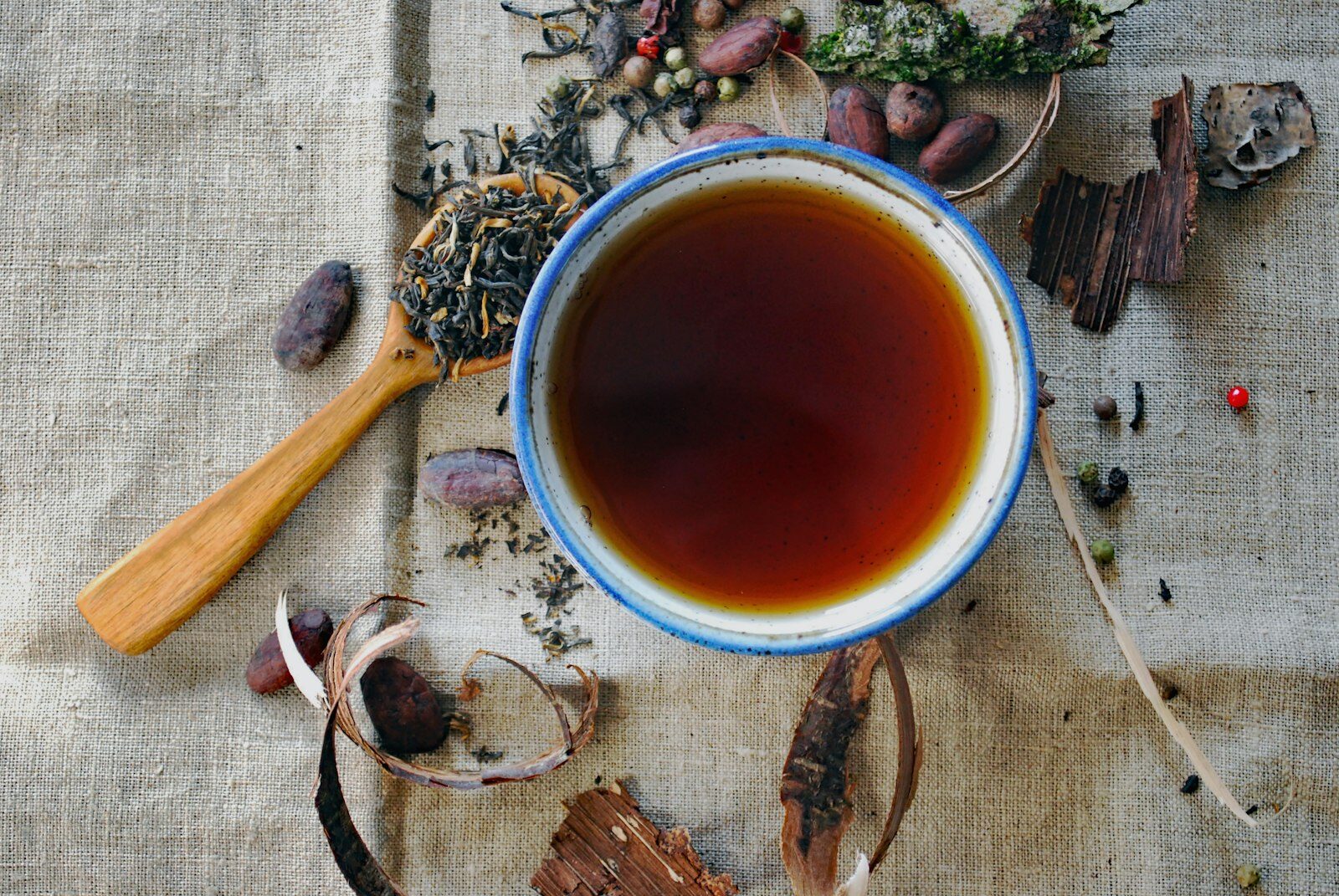
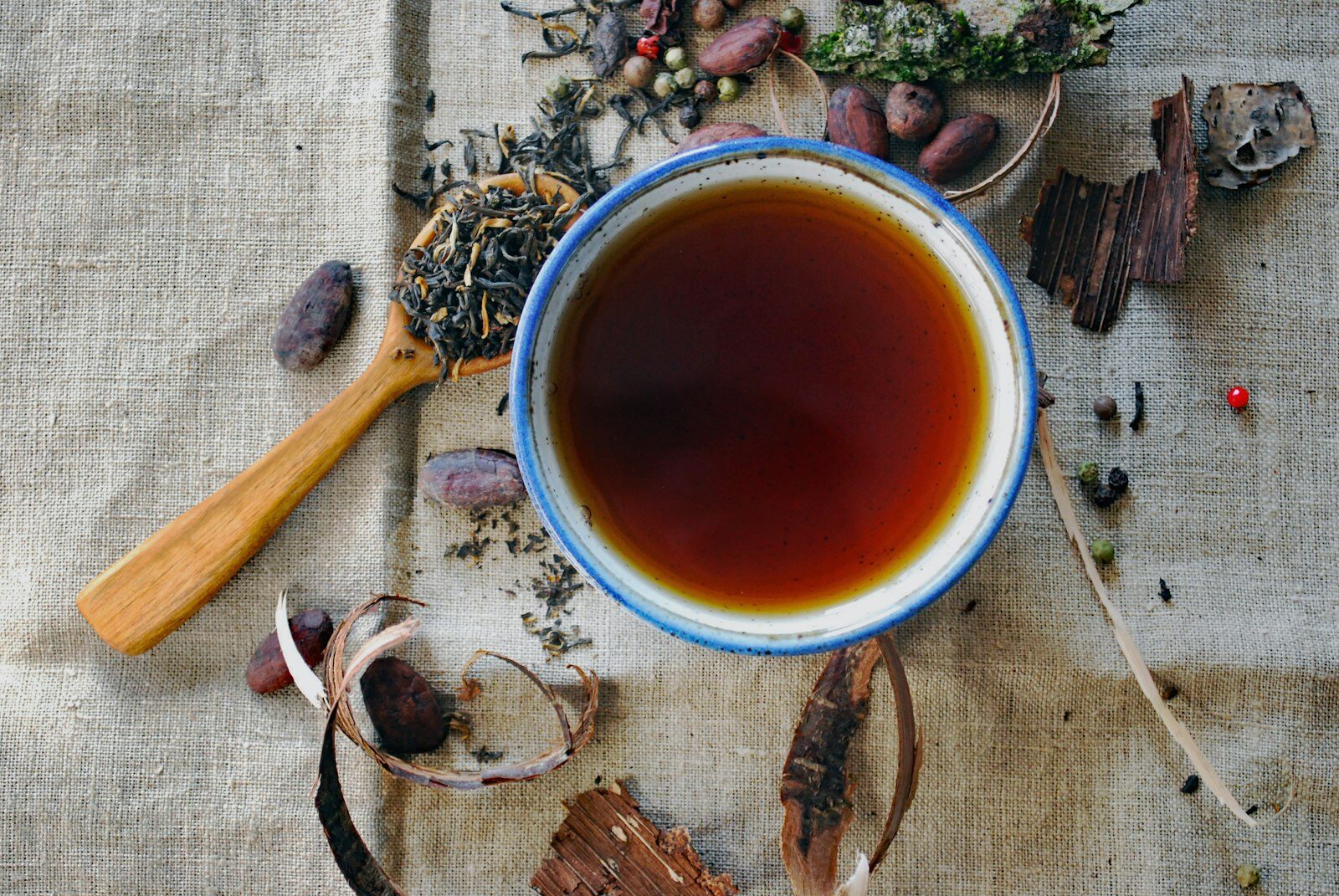
    A cup of ginger tea, the most common home remedy in Chinese wellness tradition

    What Ginger Tea Helps With

    1. Cold hands and feet

    If you’re the person who sleeps in socks and still has icy feet, ginger tea is one of the fastest fixes. Its warmth spreads from the digestive center outward to the extremities. A cup in the morning often keeps hands and feet warmer all day.

    2. Early-stage colds (the “wind-cold” type)

    Chinese medicine distinguishes between “wind-cold” colds (chills, clear runny nose, body aches, no sweat) and “wind-heat” colds (sore throat, yellow mucus, fever). Ginger tea is specifically for the cold type. Drink it hot, wrap up warm, and aim for a light sweat. The traditional logic: gentle sweating releases the cold before it settles in deeper.

    3. Nausea and motion sickness

    This is ginger’s best-documented effect in modern research, and Chinese families have used it for just as long. A cup of ginger tea settles a nervous stomach, eases morning sickness (in moderation — check with your doctor), and is one of the best natural options for motion sickness. Sip slowly before travel.

    4. Digestive sluggishness and bloating

    Ginger warms and gently stimulates the Spleen and Stomach — Chinese medicine’s digestion system. After a heavy, cold, or greasy meal, a cup of ginger tea often relieves bloating and heaviness within minutes. This is why it’s traditionally served with sushi and rich Chinese banquets.

    5. Menstrual cramps (the cold-type)

    For cramps that feel better with warmth and worse with cold — especially with dark clots and a general feeling of chill — ginger tea with brown sugar is a classic Chinese home remedy. The warmth improves circulation to the lower abdomen. (For cramps that feel hot, inflamed, or aggravated by warmth, ginger is the wrong choice.)

    How to Make It (Three Ways)

    Basic Ginger Tea

    1. Slice 3–4 thin rounds of fresh ginger (no need to peel).
    2. Add to 2 cups of water in a small pot.
    3. Bring to a boil, then simmer gently for 5–10 minutes.
    4. Strain into a cup. Add honey or brown sugar to taste.
    5. Sip while warm.

    Ginger Brown Sugar Tea (姜糖茶)

    The classic women’s remedy and winter warmer. Make the basic tea above, then stir in 1–2 teaspoons of brown sugar (or dark molasses-style sugar). The sugar isn’t just for taste — in Chinese medicine, brown sugar is considered warming and blood-nourishing, pairing perfectly with ginger.

    Ginger, Jujube, and Longan Tea (姜枣桂圆茶)

    A deeper winter tonic for cold, pale, fatigued types. Add 3–4 dried red dates (jujubes, pitted) and a small handful of dried longan to the pot with the ginger. Simmer 10–15 minutes. This combination warms, nourishes blood, and calms the mind — a beautiful evening drink for cold winter nights.

    VariationAddBest For
    BasicHoney to tasteDaily warming, digestion, cold hands
    Brown sugar1–2 tsp brown sugarMenstrual cramps, winter warmth
    Jujube & longan3 dates + dried longanDeep winter tonic, fatigue, blood nourishment
    Three classic ginger tea variations for different needs.

    When NOT to Drink Ginger Tea

    Ginger isn’t for everyone or every situation. Avoid or limit it when:

    • You’re running hot — sore throat with fever, yellow mucus, a red and dry mouth, night sweats. Ginger will add heat to an already hot state.
    • You have acid reflux or a sensitive stomach in a heat pattern — ginger can worsen heartburn for some.
    • You’re taking blood thinners — ginger has a mild blood-thinning effect. Check with your doctor.
    • It’s a hot summer afternoon and you’re already warm. Save ginger tea for cool mornings, cold days, and the situations above.

    In Chinese medicine, even a healthy food is only healthy at the right time. Ginger is a warming remedy — powerful when you’re cold, counterproductive when you’re hot.

    Fresh vs. Dried Ginger: A Quick Note

    This confuses many newcomers. Fresh ginger (生姜) is milder and better for dispersing early colds, settling digestion, and general daily warming. Dried ginger (干姜) is hotter and more internally warming — used in Chinese herbal formulas for deeper cold patterns like cold-type digestive pain or a pale, cold, water-retaining constitution. For home tea, use fresh unless a practitioner advises otherwise.

    Common Questions

    Can I drink ginger tea every day?

    For most people in cool weather, a cup a day is fine and beneficial. In hot summer, or if you tend to run warm, scale back. As a general rhythm: ginger tea in the morning (warming, energizing) is better than ginger tea at night (can be too stimulating for some).

    Does ginger tea help with weight loss?

    Modestly and indirectly. By improving digestion and circulation, it can reduce bloating and support metabolism. But it’s not a weight-loss magic bullet — and drinking it while eating poorly won’t help. Think of it as a digestive aid, not a diet drink.

    Is ginger tea safe during pregnancy?

    Ginger is widely used for morning sickness, and small culinary amounts (like a cup of mild tea) are generally considered safe. But high doses are not recommended. Always check with your obstetrician before using any herb regularly during pregnancy.


    The bottom line: Ginger tea is the simplest, most versatile remedy in Chinese home wellness — warming the body, settling the stomach, releasing early colds, and easing cold-type cramps. Keep fresh ginger on hand, learn the three basic variations, and reach for it on cold mornings, after heavy meals, and at the first sign of a chill. It’s not a cure-all, but it’s the closest thing most kitchens have to one.


    This article reflects traditional Chinese wellness perspectives and is for educational purposes only. It is not a substitute for professional medical advice, diagnosis, or treatment.

  • The Winter Solstice in Chinese Medicine: The Most Important Day of the Year

    The Winter Solstice in Chinese Medicine: The Most Important Day of the Year

    Of all the turns in the Chinese calendar, the Winter Solstice (冬至, Dōngzhì) is the most revered. It marks the longest night, the deepest yin, and — paradoxically — the exact moment yang energy is born again. For thousands of years, Chinese families have treated this day not just as an astronomical event but as a wellness milestone: the time to rest deeply, eat the most nourishing meal of the year, and set the foundation for the entire year to come. Here’s why, and how to use it.


    The Deepest Meaning of Dongzhi

    The characters 冬至 literally mean “winter’s arrival” or “winter’s extreme.” In the Chinese cosmological system, it’s the moment when yin reaches its absolute peak — the longest night, the coldest threshold — and the first spark of yang is kindled within it. From this point forward, the days begin, imperceptibly, to lengthen. It’s the seed of spring, hidden in the depth of winter.

    Chinese medicine applies this directly to the body. The Winter Solstice is when your Kidney energy — the body’s deepest reserve, the root of yin and yang — is most receptive to nourishment. What you do in the days around the solstice sets the tone for your energy, immunity, and resilience through the entire coming year. Old Chinese saying: “Nourish yourself well at Dongzhi, and you’ll be healthy all year.”

    A serene winter landscape with snow-covered trees, representing the Water element, the Kidney season, and the Winter Solstice in Chinese medicine

    The Traditional Dongzhi Practices

    1. Eat the Most Nourishing Meal of the Year

    Across China, families gather on the eve of Dongzhi for the most fortifying meal of the year. In northern China, it’s dumplings (jiǎozi) — traditionally filled with lamb and warming vegetables. The shape resembles ancient gold ingots, symbolizing stored treasure, and the warm, doughy, protein-rich meal is perfectly suited to storing Kidney energy. In southern China, it’s tāngyuán — sweet glutinous rice balls in warm ginger soup, symbolizing family wholeness and warmth.

    The principle behind both traditions is the same: eat warming, mineral-rich, easily digested food that nourishes the deepest layer of your energy reserves. Other classic Dongzhi foods include lamb stew, chicken soup with ginger and goji berries, black sesame sweet soup, and walnut congee.

    2. Rest More Than Usual

    The Winter Solstice is literally the longest night of the year, and Chinese medicine says: use it. Go to bed early — ideally by 9 or 10 PM. Sleep in if you can. The Kidneys do their deepest restoration work during winter, and the solstice window is the most powerful time for that restoration. People who push through the solstice with their normal intensity miss the year’s single greatest recharge opportunity.

    3. Keep Profoundly Warm

    Protect the lower back (where the Kidneys sit), the abdomen, and the feet (home to the Kidney’s primary acupoint, KD1 “Bubbling Spring”). Wear warm layers, use a hot water bottle on your lower back in the evening, soak your feet in warm water before bed. Cold entering the body at this time of year sinks directly to the Kidneys, depleting the reserves you’re trying to build.

    4. Move Gently, Don’t Sweat

    Heavy sweating is seen as a leak of winter’s stored energy. The solstice prescription is the gentlest movement of the year — slow walking, stretching, tai chi, or simply resting. Save the high-intensity workouts for spring and summer. This is the season of storage, not expenditure.

    5. Reflect and Set Intentions

    Because the solstice marks the rebirth of yang — the first spark of a new cycle — it’s traditionally a time for quiet reflection. What do you want to grow in the coming year? What do you need to release? This isn’t about New Year’s resolutions in the Western sense (which are often about doing more). It’s about clarifying what’s worth your energy and letting go of what isn’t.

    The solstice teaches the deepest lesson in Chinese wellness: real growth begins in stillness. The seed needs darkness before it can sprout.

    A Simple Dongzhi Nourishing Stew

    Here’s a traditional-style Kidney-nourishing stew you can make in the days around the solstice — or anytime in deep winter when you feel depleted:

    • 500g lamb or chicken (warming protein that nourishes Kidney yang)
    • 10g dried goji berries (nourishes Liver and Kidney)
    • 6 slices fresh ginger (warms digestion, drives out cold)
    • 10 dried red dates (nourishes blood, adds natural sweetness)
    • A handful of walnuts (classic Kidney food, warming)
    • Water to cover, pinch of salt

    Simmer on low heat for 2–3 hours until the meat is tender and the broth is rich. Sip the broth throughout the day. This is a classic “store energy for the year ahead” recipe — gentle, deeply nourishing, and warming from the inside out.

    Why the Solstice Matters Even If You’re Not Chinese

    You don’t need to be Chinese or follow the lunar calendar to benefit from this wisdom. The underlying insight is universal: the human body follows natural rhythms, and the winter solstice — the darkest point of the year — is when rest and nourishment deliver the greatest return. Modern chronobiology confirms that humans have seasonal metabolic and immune variations, with winter being a natural low-activity, high-restoration phase. The Dongzhi tradition is simply this insight, refined over thousands of years into a practical ritual.

    Common Questions

    When exactly is the Winter Solstice?

    It falls on December 21 or 22 each year in the Gregorian calendar (the Chinese lunar date varies). The “Dongzhi wellness window” is really the two weeks surrounding the solstice — a period of deep rest and nourishment. You don’t have to do everything on the exact day.

    Do I have to eat lamb or dumplings?

    No. The principle is warming, nourishing, mineral-rich food — not a specific dish. A hearty vegetable stew with root vegetables, ginger, and beans works just as well for vegetarians. The key is warmth, nourishment, and eating it with people you love.

    Is there a summer equivalent?

    Yes — the Summer Solstice (夏至, Xiàzhì) is the opposite pole: the longest day, peak yang, and the moment yin is born within it. The summer practice is lighter eating, more movement, and protecting the Heart from excess heat. Together, the two solstices bookend the year’s great rhythm of storing and releasing energy.


    The bottom line: The Winter Solstice is the most important wellness milestone in the Chinese calendar — the deepest yin, the birth of new yang, and the moment your body is most receptive to replenishing its deepest reserves. Eat a nourishing, warming meal. Rest more than usual. Keep warm. Move gently. Reflect quietly. What you store at the solstice powers everything you do in the year to come.


    This article reflects traditional Chinese wellness perspectives and is for educational purposes only. It is not a substitute for professional medical advice, diagnosis, or treatment.

  • Your Kidneys in TCM: The ‘Root of Life’ and How to Protect Your Jing

    Your Kidneys in TCM: The ‘Root of Life’ and How to Protect Your Jing

    Ask any older Chinese person what keeps you going in old age and you’ll hear one word again and again: shèn (肾), the Kidney. Not the heart. Not the brain. The Kidney. Western readers find this puzzling — kidneys are just two bean-shaped filters, right? In Chinese medicine, the Kidney is something else entirely. It’s the vault of your deepest energy, the battery you were born with, and the organ most tested by winter.


    The Kidney: “Root of Life”

    In Chinese medicine, the Kidneys store something called Jing (精), usually translated as “essence.” There are two kinds:

    • Pre-heaven Jing — the energy you inherited from your parents at conception. This is your constitutional starter pack. You can’t add to it; you can only spend it wisely or waste it.
    • Post-heaven Jing — the energy you extract daily from food, drink, and rest. A healthy lifestyle tops this up; a reckless one drains both the daily supply and dips into your inherited reserves.

    Think of pre-heaven Jing as a savings account you can’t deposit into, and post-heaven Jing as your daily income. Live within your daily means and the savings stay intact. Live beyond them — through chronic exhaustion, poor diet, overwork, or insufficient sleep — and you start burning through your constitutional reserves. That’s when people say they feel “old before their time.”

    The Kidneys hold the spark you were born with. Everything else in Chinese medicine is, in some sense, about not wasting it.

    Why Winter Is the Kidney’s Season

    Winter is the phase of Water in the Five Elements. In nature, water sinks, stores, and goes still — exactly what the natural world does in winter. Seeds hold their energy underground, animals slow down or hibernate, and daylight contracts. Your body is no different. Winter is the season when your Kidneys do their deepest storage and repair work — if you let them.

    The problem is that modern winter is the opposite of what Chinese medicine prescribes. We push through with the same intensity as summer, eat cold raw foods, stay up late under bright lights, and never let the body drop into its natural storage mode. The result, in Chinese medical terms, is chronic Kidney depletion — and the signs are everywhere.

    A serene winter scene with snow, reflecting the Water element and the Kidney season in Chinese medicine

    Signs of Weak Kidney Energy

    Kidney depletion has a recognizable signature. You may notice:

    • Chronic low back ache or knee weakness, especially after standing
    • cold hands and feet, or a general chill you can’t shake
    • Frequent urination, especially at night
    • Deep, persistent fatigue that sleep doesn’t fully fix
    • Weak, brittle hair or early graying
    • Ringing in the ears (tinnitus) or gradual hearing loss
    • Feeling fearful or anxious without a clear cause (fear is the Kidney’s emotion)
    • Waking exhausted even after 8 hours

    None of these alone is a diagnosis. But several together, especially in winter or after long periods of overwork, suggest your Kidney reserves are running low.

    How to Protect Your Jing This Winter

    1. Sleep More, Not Less

    Chinese medicine advises going to bed earlier and rising later in winter — the opposite of what most of us do. The classical recommendation is to sleep shortly after dark and wake with the sun. You don’t have to follow it literally, but adding even 30–60 minutes of sleep in winter is one of the most effective ways to protect Kidney energy.

    2. Eat Warm, Salty, Dark-Colored Foods

    The Kidney’s taste is salty and its color is dark. Traditional winter foods include bone broths, slow-cooked stews, black beans, black sesame, walnuts, chestnuts, dark leafy greens, and a little sea salt or seaweed. These are nourishing, warming, and mineral-rich — exactly what the storage season calls for. Cold, raw foods are actively draining in winter.

    3. Keep Your Lower Back and Feet Warm

    The Kidneys sit in the lower back, and the soles of the feet are home to the Kidney’s main acupuncture point (Kidney 1, “Bubbling Spring”). Cold on either is thought to directly chill Kidney energy. This is why Chinese mothers insist on slippers, why barefoot cold floors are discouraged, and why a warm pad on the lower back in winter feels so restorative.

    4. Move Gently, Don’t Sweat Heavily

    In Chinese medicine, heavy sweating is seen as a leak of energy and yang — fine in summer, costly in winter. The traditional winter prescription is gentle, internal movement: tai chi, qigong, walking, stretching, yoga. Save the high-intensity intervals for spring and summer.

    5. Conserve, Don’t Push

    This is the hardest one for modern people. Winter is not the season to start a new business, take on a huge project, or train for a marathon. It’s the season to finish what you started, reflect, and store energy for the explosive growth of spring. Aligning even one project to this rhythm makes a noticeable difference.

    A Simple Winter Kidney Tonic

    One of the easiest traditional winter practices is a daily cup of warm water with a handful of toasted black sesame seeds or a few walnuts. Both are classic Kidney-nourishing foods, mineral-rich and gently warming. Another option is a simple bone broth — simmered for hours with ginger and a pinch of salt — sipped like tea. Nothing exotic. Nothing expensive. Just consistent.

    Kidney-Nourishing FoodWhy It Helps
    Black sesame seedsDark color, mineral-rich, traditionally used to nourish Kidney Jing
    WalnutsShaped like a brain; used for Kidney and brain support
    ChestnutsWarming, sweet, a classic winter Kidney food
    Bone brothDeeply nourishing, mineral-rich, easy to digest
    Black beansDark-colored, protein-rich, supports Kidney energy
    Dark leafy greensMineral-rich, support overall reserves
    Classic winter foods for Kidney nourishment in Chinese medicine.

    Common Questions

    Can I really “recharge” my Kidneys, or is essence fixed?

    Your inherited (pre-heaven) Jing is fixed — you can’t add to it. But your daily (post-heaven) Jing is absolutely something you can top up through good food, enough sleep, and moderate living. Most people feel “depleted” not because their inherited reserves are gone, but because they’ve been living beyond their daily income for too long. Better habits reverse much of that.

    Is the TCM Kidney the same as my actual kidneys?

    The Chinese medicine Kidney is a broader system that includes the physical organs but also covers bone health, hair, hearing, the lower back, reproductive function, and the body’s deepest energy reserves. Kidney weakness in TCM does not mean kidney disease. If you have medical kidney concerns, see your doctor.

    Why does fear relate to the Kidneys?

    Each organ holds a primary emotion, and fear is the Kidney’s. Chronic fear, anxiety, or shock drains Kidney energy; strong Kidney energy gives you a sense of grounded courage. This is why resting and nourishing yourself in fearful or stressful periods is not indulgent — it’s exactly what your Kidneys need.


    The bottom line: The Kidney is your body’s deep energy reserve, and winter is the season it does its most important storage and repair work. Sleep more, eat warm and mineral-rich foods, keep your lower back and feet warm, move gently, and resist the urge to push as hard in winter as you do in summer. That’s how you protect your Jing — and how you arrive at spring with energy to grow.


    This article reflects traditional Chinese wellness perspectives and is for educational purposes only. It is not a substitute for professional medical advice, diagnosis, or treatment.