The summer heat arrives not just in the air around us, but inside us, too. You know the feeling: the restlessness that keeps you tossing at night, the short temper that flares in traffic, the heavy, sluggish energy that settles in your body after lunch. In Traditional Chinese Medicine (TCM), this isn’t just “feeling hot.” It’s an accumulation of summer heat, or Shu (暑), which can disrupt the smooth flow of your Qi (vital energy) and agitate your Shen (spirit). While a cold drink offers fleeting relief, there’s a deeper, more lasting way to restore balance from the inside out. This simple, 5-minute cooling meditation is your personal reset button, a practice designed to gently disperse excess heat, calm your mind, and invite a profound sense of cool clarity into your day. Let’s learn how to use it.
Why Summer Heat Affects More Than Just Your Body
In the framework of TCM, summer is the season of the Fire element, associated with the Heart and Small Intestine meridians. A healthy, balanced Fire element brings joy, passion, and connection. But when the external heat of summer combines with our modern lifestyle—overwork, overstimulation, and constant “on” mode—that Fire can easily flare out of control. This isn’t a vague metaphor; it’s a physiological and energetic pattern you can observe.
Think of your body as a garden. In spring, things are cool and moist. In summer, the sun is powerful and necessary for growth. But if the sun is too intense and there’s no shade or water, the soil dries out, the plants wilt, and the ecosystem becomes stressed. The same happens within us. Excess heat “dries out” our Yin (the cooling, nourishing, receptive aspect of our being), leading to symptoms like:
- Irritability and anxiety (Heat agitates the Heart).
- Insomnia or restless sleep (The Shen, or spirit, becomes unsettled).
- Excessive thirst, dry skin, or constipation (Yin fluids are depleted).
- Scattered thinking and poor focus (The mind becomes “foggy” from heat).
- Physical tension, especially in the neck and shoulders (Heat rises and gets trapped).
This cooling meditation directly addresses this pattern. It’s not about fighting the heat with more “cold” energy, which can shock the system. Instead, it’s a practice of gentle dispersion and deep nourishment. We use the breath and focused awareness to draw heat away from the upper body (the “attic” where heat and mental agitation gather) and channel it downward, where it can be transformed and released. We also visualize cooling, soothing imagery to directly calm the nervous system and the Heart.
The Energetic Blueprint: Understanding Your Body’s Cooling System
To practice this meditation effectively, it helps to have a simple map of your body’s energy channels. You don’t need to be an expert, just familiar with a few key points. Think of these as your internal cooling stations.
The primary pathway we’ll use is the Ren Mai (Conception Vessel), which runs up the centerline of your front body. It’s considered the “Sea of Yin,” a reservoir of cooling, calming energy. We’ll also gently engage the Du Mai (Governing Vessel) up the spine. In meditation, we’ll guide energy in a gentle circuit, often called the Microcosmic Orbit, but in a simplified, downward-flowing way to promote cooling.
Key points to know:
- Baihui (GV20): The “Hundred Convergences” point at the crown of your head. This is where heat and mental energy accumulate.
- Yintang (Extra Point): The “Third Eye” point between your eyebrows. Calms the mind.
- Danzhong (CV17): The “Chest Center” on the breastbone. Regulates the Heart and chest Qi.
- Dantian (CV4): The “Elixir Field,” located about two inches below your navel and slightly inward. This is your energetic furnace and battery. Paradoxically, by connecting with this deep, stable center, we can better manage and transform excess heat above.
- Yongquan (KI1): The “Bubbling Spring” point on the sole of your foot, between the second and third toes. This is the ultimate grounding and cooling point, a major exit point for excess heat.
Your Step-by-Step Guide: The 5-Minute Cooling Meditation
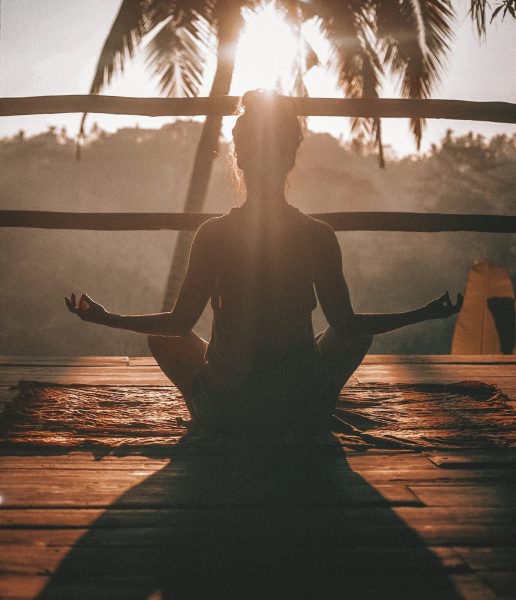
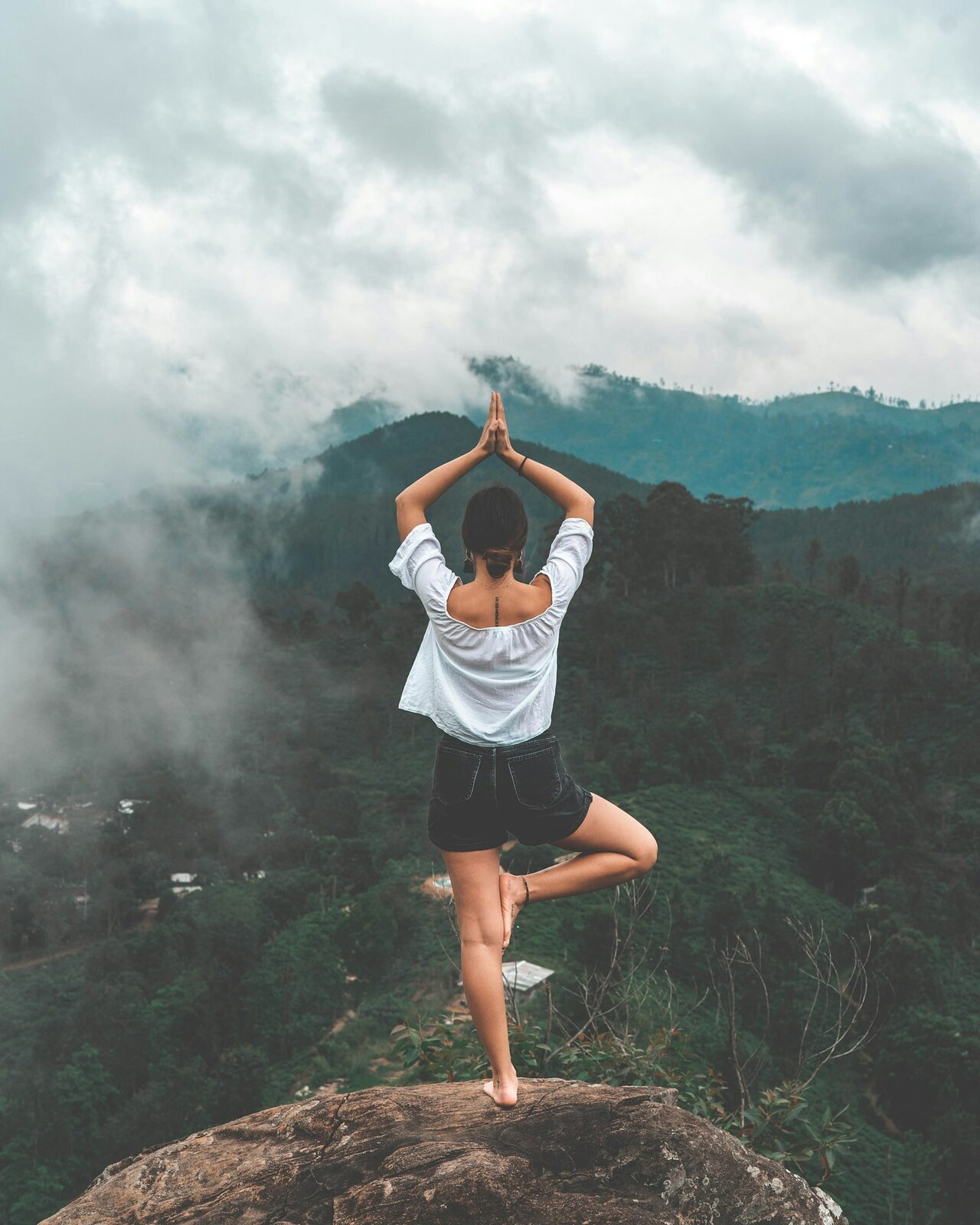
Find a quiet place where you won’t be disturbed for five minutes. You can sit in a chair with your feet flat on the floor, or on a cushion on the ground. The key is to have a straight but relaxed spine. Let your hands rest comfortably on your thighs or in your lap.
Minute 1: Arrive and Settle (Grounding)
Close your eyes gently. Take three slow, deep breaths. Inhale through your nose, feeling your belly expand. Exhale through your mouth with a soft sigh, letting go of any tension you’re holding in your jaw, shoulders, or hands. Now, bring your full attention to the point of contact between your body and the chair or floor. Feel the solidity beneath you. With each exhale, silently say the word “release” and imagine any frantic energy in your mind draining down through your spine, through your legs, and into the ground. You are safe. You are supported. You are here.
Minute 2: The Cooling Breath (Ujjayi Variation)
Now, gently constrict the back of your throat, just slightly, as if you were about to whisper or fog up a mirror. Breathe in and out through your nose with this gentle constriction. You should hear a soft, oceanic or hissing sound—like distant waves. This is a modified Ujjayi breath, renowned in yogic and meditative traditions for its cooling and calming effect on the nervous system. Inhale, imagining you are sipping cool, clean mountain air. Feel the coolness entering your nostrils and flowing down to your chest. Exhale, and as you do, visualize the breath as a soft, blue or white mist flowing out, carrying away heat and agitation from your chest and head. Continue this breath for a full minute.
Minute 3: The Downward Flow (Guiding Energy)
Maintain your gentle, ocean-sounding breath. Now, place your awareness at the crown of your head (Baihui). Imagine a small, warm point of light there—this is any accumulated mental heat or stress. As you inhale, visualize this point of light softening. On your next exhale, imagine it beginning to drip downward, like a single drop of warm honey or golden light. See it slowly, effortlessly, flowing down the centerline of your face, passing the point between your eyebrows (Yintang), flowing down through your throat, and settling into the center of your chest (Danzhong). Feel a gentle sense of spaciousness opening in your head and heart space. Repeat this visualization 2-3 more times, each time the light flowing a little further down, from the chest toward your navel.
Minute 4: The Deep Reservoir (Dantian Connection)
Now, let that warm, flowing light continue its journey downward, past your navel, into the space about two inches below and slightly inward—your lower Dantian. This is your body’s deep core, its energetic center of gravity and transformation. Imagine this warm light pooling here, not as a fire, but as a gentle, glowing ember in a deep well. As it settles, feel it being received and held by the cool, deep waters of your Dantian. The heat is not destroyed; it is transformed into usable energy. With each breath, feel this center becoming more stable, more anchored. You are drawing your energy down from the chaotic “attic” of your mind and settling it into the quiet, powerful “basement” of your being.
Minute 5: The Grounding Release (Bubbling Spring)
From your stable, connected Dantian, bring your awareness down into your legs, your ankles, and finally to the soles of your feet. Focus on the Yongquan point (KI1) on each foot. This is your “Bubbling Spring,” the major exit point for excess heat. As you exhale, imagine any remaining heat, any residual irritability or heaviness, flowing from your Dantian, down through your legs, and out through the soles of your feet into the cool, dark earth below. The earth is vast and can easily absorb and neutralize this energy. With each exhale, feel lighter, clearer, cooler. End by taking one final, deep, natural breath. Wiggle your fingers and toes, and gently open your eyes. Carry this cool clarity with you.
When and Where to Practice for Maximum Benefit
The beauty of this practice is its flexibility. You don’t need a special cushion or an hour of free time. Here’s how to integrate it seamlessly:
| Best Times to Practice | Ideal Situations | Pro Tip |
|---|---|---|
| Morning (before 10 AM) | Before starting your workday to set a calm, clear tone. | Practice by an open window for fresh, cool air. |
| Midday (11 AM – 1 PM) | During a lunch break to counteract the peak Fire energy of the day. | Even 3 minutes in your parked car is effective. |
| Afternoon (3-5 PM) | When the “slump” hits, to refresh focus instead of reaching for caffeine. | Combine with a short walk afterward to integrate the energy. |
| Evening (before bed) | To cool down from the day’s heat and prepare for restful sleep. | Practice in a dimly lit room; place a cool cloth on your forehead beforehand. |
The most important rule is consistency over duration. Five minutes every day is profoundly more effective than 30 minutes once a week. Your body and energy system learn to respond to the practice more quickly with regularity.
Common Questions
What if I can’t feel the energy moving?
That’s completely normal, especially when you’re starting. Don’t strain or try to force a sensation. The key is your intention and gentle imagination. Your mind directing the awareness is what matters. The physical sensations—like coolness, tingling, or warmth—often come later as you become more sensitive. For now, just trust the process. You are creating a new neural and energetic pathway; it takes time to become vivid. If you feel nothing, simply follow the sequence of your breath and the mental imagery. The benefits are still happening.
Is this meditation safe for everyone?
This is a very gentle, non-forceful practice. For the vast majority of people, it is safe and beneficial. However, if you are pregnant, have a serious diagnosed mental health condition (like psychosis), or have severe cardiovascular issues, it is always best to consult with your healthcare provider and a qualified TCM practitioner before beginning any new meditation practice. If you feel dizzy or uncomfortable at any point, simply stop, open your eyes, and ground yourself by feeling your feet on the floor.
Can I do this meditation with my eyes open?
Yes, absolutely. Closing the eyes helps minimize external stimulation and turn your awareness inward, which is ideal for deep practice. However, if closing your eyes feels unsettling, you can keep them softly open with a downward gaze, focusing on a spot on the floor a few feet in front of you. The goal is to reduce distraction, not create discomfort. As you become more comfortable with the practice, you can try closing your eyes for longer periods.
The bottom line: The summer heat is an invitation to slow down and listen inward. This 5-minute cooling meditation is a simple, powerful tool to transform that seasonal intensity into clarity and calm. By consciously guiding your energy downward and nurturing your body’s innate cooling system, you’re not just escaping the heat—you’re cultivating a resilient, balanced inner landscape that can thrive in any season. Give it a try for just one week. Notice the small shifts: a calmer reaction, a deeper sleep, a clearer mind. That’s the beginning of your reset.
This article is for educational purposes and reflects traditional wellness perspectives. It is not a substitute for professional medical advice, diagnosis, or treatment.