There is a particular quality to the summer afternoon in a Chinese household. The air outside is thick, the cicadas are buzzing their electric song, and inside, a strange, peaceful silence settles over the home. Lunch dishes are washed, the rice pot is put away, and for a sacred 30 to 60 minutes, the world seems to pause. This is the summer midday rest ritual, known in Mandarin as wǔ shuì (午睡), and it is far more than a lazy nap. It’s a deliberate, time-tested strategy for surviving the summer heat with your energy and sanity intact.
The “Why” Behind the Pause: Understanding Summer’s Energy
In Traditional Chinese Medicine (TCM), summer is the season of maximum Yang energy. Think of Yang as the active, hot, expansive force in nature—it’s the sun at its peak, the longest days, the burst of growth. While we celebrate this vitality, there’s a catch. Too much Yang, or being overly active during the hottest part of the day, can quickly deplete our body’s cooling, nourishing Yin fluids and energy. It’s like running your car engine at full throttle in the desert without stopping to let it cool down. Eventually, something overheats.
The period between 11 a.m. and 1 p.m. is considered the peak of Yang in the daily cycle, corresponding to the Heart meridian. Pushing through fatigue during this window doesn’t make you more productive; it stresses your Heart energy, leading to that familiar afternoon brain fog, irritability, and a feeling of being drained rather than just tired. The summer midday rest ritual is the cultural wisdom of “shading your inner fire.” You’re not escaping the day; you’re strategically conserving your most precious resources so you can enjoy the long summer evening with clarity and calm.
“The sun at noon is the fiercest, but even it must yield to the coming dusk. To fight the peak is to waste your strength. To rest within it is to borrow the calm of the coming night.”
The Modern Science of the Power Pause
Western science is catching up to this ancient practice. Research on ultrashort naps (under 30 minutes) shows they can significantly improve alertness, cognitive function, and mood without causing the grogginess of longer sleep. A 2019 NASA study on pilots found that a 26-minute nap improved performance by 34% and alertness by 54%. The key is the timing: aligning with the natural post-lunch dip in circadian rhythm, when our body temperature slightly dips and sleepiness peaks.
This isn’t about replacing nighttime sleep. It’s about strategic recovery. For my grandmother, who grew up in Guangzhou, the afternoon rest was non-negotiable. “Your body is a bowl of soup,” she’d say. “Lunch fills it, but the sun boils it away. Wǔ shuì is the lid that keeps the flavor in.” She’d rest for exactly 20 minutes after finishing her dishes, often just sitting quietly in her chair with her eyes closed, rather than lying down. This brief pause allowed her digestion to begin peacefully and her mind to reset. She’d then wake up, have a cup of chilled chrysanthemum tea (jú huā chá), and tackle her afternoon chores—including watching us grandchildren—with a patience I now deeply appreciate.
How to Craft Your Summer Midday Rest Ritual
This isn’t about dragging a mattress into your office (though if you can, more power to you). The ritual is flexible. Its essence is a conscious disengagement from stimulation and a turn toward stillness during the day’s peak heat. Here’s how to build it into your life, whether you have 10 minutes or 60.
The 5-Step Ritual Blueprint
- Time It Right: Aim for the window between 12:30 p.m. and 1:30 p.m., ideally starting 20-30 minutes after you finish lunch. This honors your digestion.
- Set the Scene: Dim the lights, close blinds or curtains to block harsh sun. If possible, lower the room temperature slightly. A cooler environment signals to your body it’s time to wind down.
- Disconnect: This is crucial. Put your phone on “Do Not Disturb.” Close your laptop. The goal is to give your nervous system a true break from information and demands.
- Choose Your Rest Style: You don’t have to sleep. Options include: a 20-minute power nap, sitting quietly with eyes closed, gentle seated stretching, or a 5-minute guided breathing exercise.
- Gently Return: When your time is up, don’t jolt back into activity. Spend 2-3 minutes sipping water or a room-temperature herbal tea (see the table below for ideas). Take a few deep breaths before opening your email or starting your next task.
The Art of the 20-Minute Power Nap (Without the Grogginess)
The secret to a refreshing nap is limiting it to 20-25 minutes. This keeps you in the lighter stages of sleep (Stages 1 and 2), making it easy to wake up feeling alert. To avoid oversleeping:
- Set an alarm for 25 minutes (allowing 5 minutes to fall asleep).
- Nap on a couch or in a recliner rather than your bed, if possible. The different context prevents your body from slipping into deep sleep.
- Hold a set of keys or a light object in your hand over the edge of the chair. When you fall asleep, your grip loosens and the keys clatter to the floor, waking you up. (A classic, low-tech trick my uncle swore by!)

Supporting the Pause: Foods, Drinks, and Environment
Your midday rest will be most effective if you prepare for it. What you eat for lunch and the environment you create matter.
Lunch for Restful Afternoons
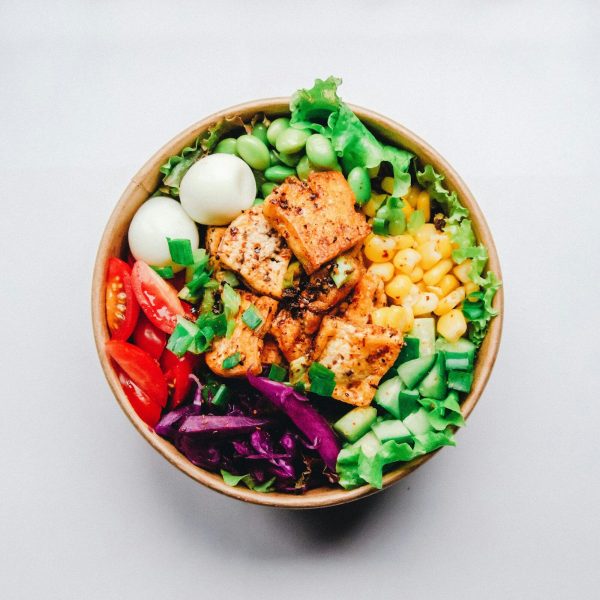
A heavy, greasy, or overly spicy lunch will fight against your rest. It forces your body to focus all its energy on digestion, leaving you feeling sluggish and uncomfortable. Opt for a meal that is:
- Balanced: Include a mix of complex carbs (brown rice, quinoa), lean protein (tofu, fish, chicken), and plenty of cooked vegetables (bok choy, zucchini, green beans).
- Moderately Portioned: Eat until you are 80% full (bā fēn bǎo, 八分饱). This old Chinese saying prevents the blood sugar spike and crash that sabotages your afternoon.
- Hydrating: Include a side of clear soup (like a simple egg drop or miso) or a water-rich vegetable like cucumber.
The Post-Rest Reviver: Herbal Teas & Cooling Drinks
What you drink after your rest is just as important as the rest itself. Avoid iced drinks, which can shock your system and constrict digestion. Instead, choose room-temperature or slightly warm herbal infusions that cool from the inside out.
| Tea / Drink | TCM Properties | Best For | How to Make |
|---|---|---|---|
| Chrysanthemum Tea (Jú Huā Chá) | Cools heat, clears the liver, brightens the eyes. | Eye strain from screens, feeling overheated, headache from the sun. | Steep 5-8 dried flowers in 8 oz hot water for 5 mins. Add a goji berry or two. |
| Mint & Lemon Balm Tea | Releases exterior heat, soothes the mind. | Feeling restless, mentally scattered, or mildly nauseous from the heat. | Steep 1 tbsp fresh or 1 tsp dried leaves in hot water for 3-4 mins. |
| Barley Tea (Mài Chá) | Cools heat, aids digestion, promotes urination. | Bloating after lunch, general summer thirst, a sluggish feeling. | Simmer 2 tbsp roasted barley in 4 cups water for 15 mins. Strain and cool. |
| Osmanthus & Rock Sugar Drink | Moistens lungs, soothes throat, gentle energy lift. | A dry cough from A/C, a sweet craving, a gentle pick-me-up. | Steep 1 tsp dried osmanthus flowers with 1 small piece of rock sugar in hot water. |
Overcoming the “I’m Too Busy” Mindset
This is the biggest hurdle. In a culture that often equates busyness with worth, taking a deliberate midday pause can feel indulgent or lazy. Let’s reframe it. This is not a luxury; it’s high-performance maintenance. You wouldn’t expect your laptop to run 12 hours without a charge. Why expect it of your brain?
Start small. Commit to just one week. For five days, protect a 15-minute window after lunch. Use that time to simply sit at your desk with your eyes closed, breathing deeply. Do not check your phone. At the end of the week, notice how your 3 p.m. self feels compared to your old 3 p.m. self. Is there less brain fog? Less irritability? More patience? That’s your data. My own experiment began with closing my office door and setting a timer for 12 minutes. The first two days felt strange. By day four, my body began to crave the quiet. By the end of the week, my coworkers noticed I was less frazzled in our afternoon meetings. The ritual had proven its worth.
If you work in an open office, get creative. Eat lunch away from your desk, then find a quiet corner—a parked car, a secluded bench, even a bathroom stall (seriously)—for 10 minutes of seated rest. The location is secondary to the intention: a conscious break from input and output.
Common Questions
What if I can’t fall asleep during the day?
You don’t need to. The goal of the summer midday rest ritual is conscious rest, not sleep. Simply closing your eyes, focusing on your breath, and allowing your mind to wander without direction is profoundly restorative. This is sometimes called “quiet wakefulness.” It gives your prefrontal cortex—the brain’s decision-making center—a much-needed break from focused attention. Try a body scan: mentally relax your toes, then your feet, moving slowly up to your scalp. Even 10 minutes of this can lower cortisol levels and reset your nervous system.
Isn’t this just for people who live in hot climates? My office has A/C.
While the practice is rooted in responding to environmental heat, the biological need it addresses is universal. The post-lunch circadian dip is a human constant, regardless of climate. Air conditioning solves the external heat but often creates internal “cold” and dryness, which can still disrupt digestion and energy flow. The midday rest helps your body recalibrate from the artificial environment. It’s less about the external temperature and more about honoring your body’s natural rhythm. Think of it as a “cool down” for your internal engine, whether the challenge is external heat or internal stress.
How is this different from just taking a coffee break?
A coffee break stimulates; a midday rest recuperates. Caffeine is a tool that masks fatigue by blocking adenosine receptors in the brain—it doesn’t eliminate the fatigue itself. You’re borrowing energy from your future self, which often leads to a harder crash later. The summer midday rest ritual works on the opposite principle: it allows adenosine to clear naturally, restoring alertness from a place of genuine renewal. One drains the battery; the other recharges it. You can certainly enjoy your coffee after your rest if you like, but you may find you need it less. The ritual provides a clean, sustainable energy boost that caffeine cannot replicate.
The bottom line: The summer midday rest ritual is a powerful, time-tested strategy for conserving energy, enhancing mental clarity, and aligning with the natural rhythms of the season. It’s not about sleeping for hours, but about giving yourself a conscious 15-30 minute pause during the day’s peak Yang period. By pairing a light lunch with a brief period of true disconnection and a cooling herbal tea, you protect your inner vitality and transform your afternoon from a struggle into a sustainable, enjoyable part of your day.
This article is for educational purposes and reflects traditional wellness perspectives. It is not a substitute for professional medical advice, diagnosis, or treatment.