There is a specific kind of quiet that falls over the world between 3:00 PM and 5:00 PM on a hot summer day. The birds stop singing. The air becomes thick and heavy, shimmering above the pavement. Even the most ambitious to-do list seems to melt in the heat. This is not laziness; it is an invitation. In our modern world of air conditioning and year-round productivity, we’ve forgotten that summer is not just a season of longer daylight—it is a season of a different energy, one that asks us to expand, to savor, and, paradoxically, to slow down. This is the essence of summer slow living: aligning our pace with the sun’s high arc, embracing the heat rather than fighting it, and finding profound richness in the day’s longest, most languid hours. Today, we’ll explore five rituals to help you do just that, drawing from both Eastern wisdom and the simple, forgotten art of being present.
- The Summer Qi: Why Slowing Down is Not Lazy, But Wise
- Ritual 1: The Midday Pause – A Non-Negotiable Siesta
- Ritual 2: Eat with the Sun – Cooling Foods that Nourish Yin
- Ritual 3: The 10-Minute Evening Wind-Down (The Art of Doing Nothing)
- Ritual 4: Hydrate with Intention, Not Just Volume
- Ritual 5: Cultivate a "Single-Tasking" Hour
The Summer Qi: Why Slowing Down is Not Lazy, But Wise
In Traditional Chinese Medicine (TCM), summer is the season of the Fire element, associated with the Heart and Small Intestine organs. The energy of summer is yang at its peak—expansive, outward, and full of light. Think of a plant in full bloom, its leaves reaching wide, its flowers open to the sun. This is the natural state of summer qi (energy). The problem arises when we try to maintain the inward, focused, “wood element” pace of spring all year round. We push through the midday heat with iced coffee and sheer will, and then wonder why we feel anxious, scattered, or drained by August.
My grandmother had a saying for this: “Summer heat is a thief.” She didn’t mean it steals your comfort (though it can). She meant it steals your qi if you don’t respect it. The antidote wasn’t to hide indoors all day, but to flow with the rhythm. “You don’t run in the noon sun,” she’d say, fanning herself on the porch after a lunch of cold noodles and sliced cucumber. “You rest. You let the fire outside calm the fire inside.” This is the core principle: by accepting the external heat and slowing our internal pace, we prevent the internal fire of anxiety and inflammation from flaring up. It’s a brilliant, counterintuitive form of self-care.
Ritual 1: The Midday Pause – A Non-Negotiable Siesta
The Spanish have their siesta, and in China, the wǔ shuì (午睡) is a time-honored tradition. This isn’t about a long, deep sleep. It’s a strategic reset. The period between 11:00 AM and 1:00 PM is when the Heart meridian is most active in TCM. Overworking or overheating during this window can directly impact your sense of calm and joy for the rest of the day. A 20-minute pause is your medicine.
How to Practice Your Midday Pause:
- Set a Timer for 20 Minutes. No more, no less. Set it on your phone. This isn’t about falling asleep; it’s about conscious rest. Lie down in a cool, dark room if possible. If you’re at work, recline your chair, close your eyes, and place a cool cloth over your forehead.
- Add a Single Drop of Peppermint Oil to a tissue and hold it near your nose. The scent is cooling and clears the mind without overstimulating.
- Breathe with a 4-7-8 Pattern: Inhale through your nose for 4 counts, hold for 7, exhale slowly through your mouth for 8. Do this 4 times. It activates the parasympathetic nervous system, telling your body it’s safe to rest.
This ritual is the cornerstone of summer slow living. It gives you permission to pause, literally and figuratively, and reclaim the day from the tyranny of constant doing.
Ritual 2: Eat with the Sun – Cooling Foods that Nourish Yin
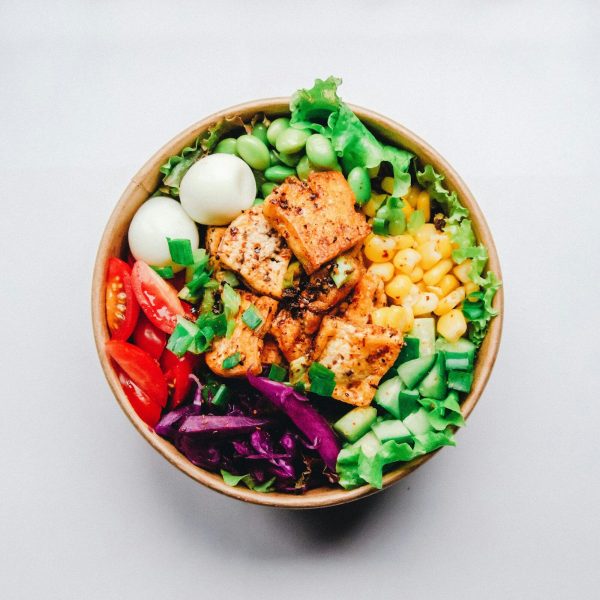
When the environment is hot and yang, we need to gently nourish our internal yin (cooling, moistening, receptive energy) to maintain balance. This doesn’t mean drowning in ice cream. In fact, extreme cold can shock the digestive system. Instead, we focus on foods that are cooling in nature but served at room temperature or lightly chilled. Think of it as internal air conditioning you can eat.
Here is a simple table of summer foods and how to prepare them, based on the cooling principles of TCM food therapy:
| Food | TCM Nature | Best Summer Preparation | Key Benefit |
|---|---|---|---|
| Mung Beans | Cool | Simmered into a sweet soup (lǜ dòu tāng) with a few pieces of rock sugar and a pandan leaf. | Clears heat, detoxifies, quenches thirst. |
| Watermelon | Cold | Eaten fresh, in chunks, or blended with a mint leaf. Avoid if you have a sensitive stomach. | Directly cools the body, promotes fluids. |
| Cucumber | Cool | Sliced thin with rice vinegar, a pinch of salt, and sesame seeds. A 5-minute side dish. | Hydrates, clears summer heat from the head and chest. |
| Lotus Root | Cool | Simmered in a light broth with pork ribs and goji berries for 1.5 hours. | Nourishes yin fluids, calms the spirit. |
| Green Tea | Cool | Brewed with water at 175°F (80°C) for 2 minutes. Let it cool to room temperature before drinking. | Clears mental fog, gently lifts energy without the jitteriness of coffee. |
“In summer, we eat the color green. Green is the color of the Liver, which helps smooth the flow of qi. When the Fire element of summer threatens to scatter our energy, the Wood element of green foods helps us stay rooted and calm.” — A lesson from my family’s kitchen.
Actionable Tip: Make a batch of mung bean soup on Sunday evening. Use 1 cup of dried mung beans, 8 cups of water, and 3 tablespoons of rock sugar. Simmer for 45 minutes until the beans split. Store it in the fridge. A small bowl, eaten at room temperature, after lunch or as an afternoon snack, is your secret weapon against summer heat.
Ritual 3: The 10-Minute Evening Wind-Down (The Art of Doing Nothing)
Summer evenings are a gift—the golden hour stretches, the air finally cools. But we often rush from our air-conditioned homes to packed patios, filling the space with noise. The third ritual is about reclaiming just ten minutes of that precious twilight for pure, uninterrupted stillness. This is the practice of wú wéi (无为), often translated as “non-action” or “effortless action.” It’s not about being passive; it’s about aligning your action with the natural flow of the moment, without forcing.
How to Practice Your 10-Minute Wind-Down:
- Find Your Spot: 10 minutes after the sun dips below the horizon, step outside. Sit on your front step, a bench, or even a cushion on the grass.
- Engage One Sense Only: Choose one thing to focus on. The sound of crickets. The feel of the cooling breeze on your skin. The changing color of the sky. Don’t label it, don’t narrate it. Just perceive it.
- Let Thoughts Float By: Your mind will chatter. Acknowledge the thoughts (“Ah, the to-do list”) and gently return to your chosen sense. This is the practice. You are not trying to empty your mind, but to stop feeding its constant commentary.
This tiny ritual teaches us that we don’t need a week-long retreat to experience mindfulness. We just need to carve out a sliver of space in the longest days of the year to simply be.
Ritual 4: Hydrate with Intention, Not Just Volume
We all know we need to drink more water in summer. But how we drink matters as much as how much. Gulping down a liter of ice water can shock the spleen and stomach (the digestive system in TCM), leading to bloating and sluggish digestion. The goal is to hydrate your cells, not just your stomach.
The Summer Hydration Ritual:
- Start Your Day with Warm Water: Before any coffee or tea, drink one 8-oz cup of warm (not hot) water. You can add a thin slice of fresh ginger or a squeeze of lemon. This gently wakes up your digestion.
- Sip, Don’t Gulp: Keep a glass or bottle of water at room temperature nearby all day. Take small sips every 15-20 minutes. This allows for better absorption.
- Make a Daily “Summer Water”: Infuse a large pitcher (2 quarts) with cooling, hydrating ingredients. Let it sit for at least an hour in the fridge. Your daily blend could be:
- Mint & Cucumber: 1/2 cucumber sliced + 10 fresh mint leaves.
- Watermelon & Basil: 1 cup cubed watermelon + 5 basil leaves.
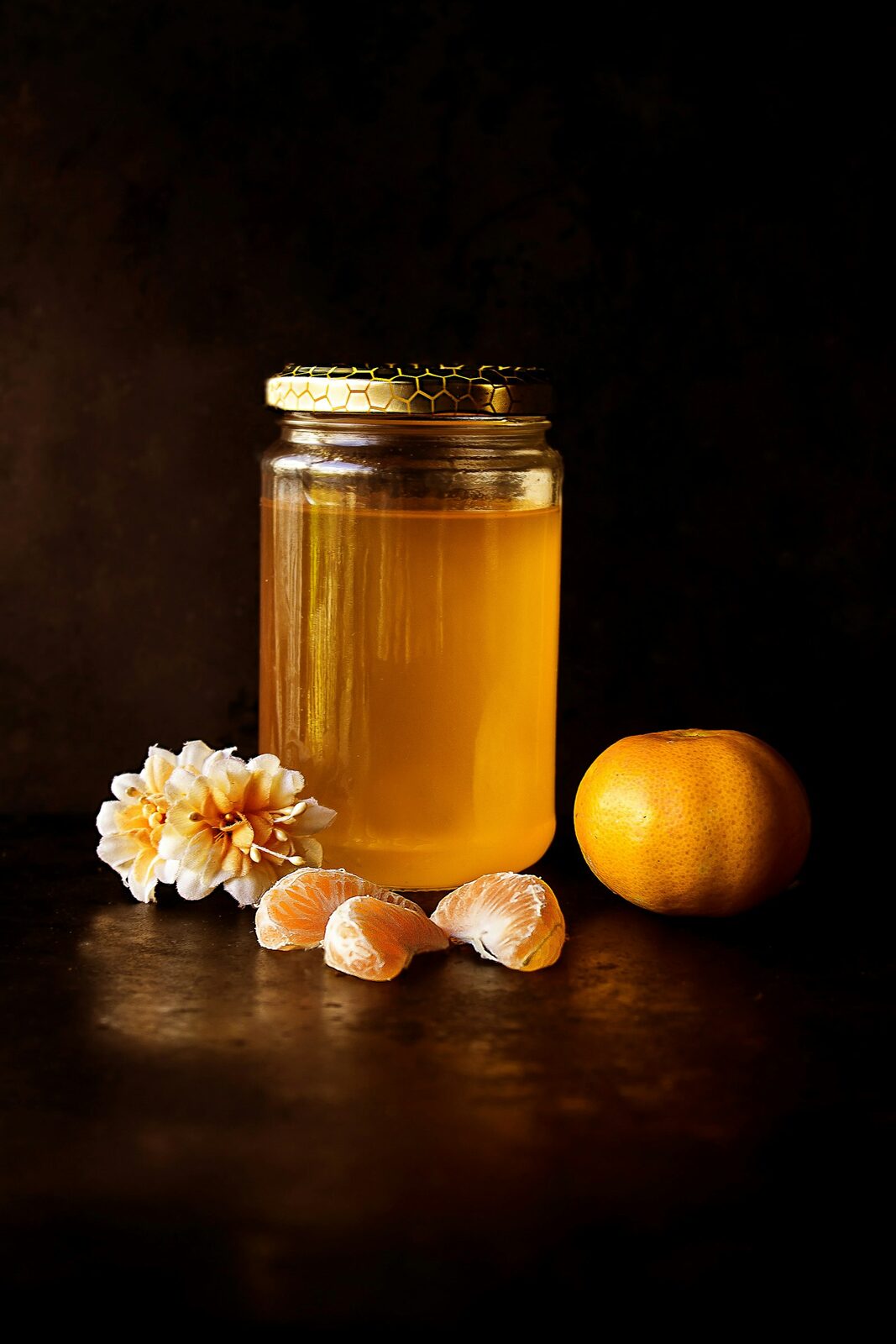
- Citrus & Chrysanthemum: 1 sliced orange + 1 tablespoon dried chrysanthemum flowers (available at Asian markets).
This turns hydration from a chore into a sensory pleasure, a key aspect of summer slow living.
Ritual 5: Cultivate a “Single-Tasking” Hour
Summer’s expansive energy can make our minds feel scattered—jumping from one social plan to the next, one project to another. This final ritual is an antidote: dedicate one hour each day, ideally in the morning when the heat is still mild, to doing one thing with your full attention. This is about quality of presence, not quantity of output.
How to Practice Single-Tasking:
- Choose a Simple, Sensory Activity: Watering your garden or houseplants. Preparing a simple salad (washing each lettuce leaf, slicing each tomato). Mending a piece of clothing. Writing a handwritten letter.
- Set Your Environment: Put your phone in another room. Turn off notifications on your computer. Play no music, or only instrumental, ambient sounds.
- When Your Mind Wanders (It Will): Don’t scold yourself. Simply notice the distraction (“There’s a thought about work”) and gently guide your attention back to the physical sensation of the task—the cool water, the texture of the fabric, the smell of the herbs.
This practice builds your “attention muscle,” allowing you to fully inhabit your summer days instead of just getting through them. It’s the difference between eating a peach while scrolling your phone and eating a peach while sitting on the porch, noticing its fuzz, its fragrance, and the burst of juice with each bite.
Common Questions
I have a full-time job and kids. How can I possibly implement these slow living rituals?
Start with just one ritual and adapt it. The Midday Pause can be a 5-minute eyes-closed break at your desk after lunch. The Evening Wind-Down can be done while sitting in the backyard with your kids, encouraging them to listen for night sounds with you. The goal isn’t perfection, but intention. Even 5 minutes of mindful sipping of your infused water is a victory. Summer slow living is a mindset you can carry with you, not just a list of activities.
Isn’t napping in the day just being lazy? I feel guilty when I rest.
This guilt is a modern construct. For millennia, humans rested during the hottest part of the day. It’s a biological imperative for energy conservation. Reframe it: you are not being lazy, you are being strategic. You are investing 20 minutes of rest to gain 3-4 hours of clearer, more focused energy in the afternoon and evening. It’s the most productive thing you can do. Your ancestors would approve.
Are these cooling foods okay for everyone? What if I have a “cold” constitution?
This is an excellent question. In TCM, if you often feel cold, have poor circulation, or have loose stools, you may have a yang-deficient or “cold” constitution. For you, the key is moderation and preparation. You can still enjoy summer foods, but: (1) Eat watermelon in small amounts, (2) Always pair cooling foods with a warming element—for example, add a few slices of ginger to your mung bean soup, (3) Enjoy your green tea after a meal, not on an empty stomach. Listen to your body; if a food makes you feel bloated or colder, reduce it.
The bottom line: Summer slow living isn’t about doing less for the sake of it—it’s about doing things differently so you can actually experience the richness of the season. By incorporating rituals like the strategic midday pause, eating cooling foods with intention, practicing mindful hydration, and embracing single-tasking, you align your personal rhythm with the powerful, expansive energy of summer. You trade frantic busyness for a deeper, more sustainable vitality, allowing the longest days of the year to fill you up rather than wear you down.
This article is for educational purposes and reflects traditional wellness perspectives. It is not a substitute for professional medical advice, diagnosis, or treatment.