The air is thick, the days are long, and your calendar is probably bursting at the seams. Summer, with its vibrant energy, has a way of pulling us outward—into social gatherings, vacations, backyard projects, and the general hustle of making the most of the light. While this outward expansion is beautiful, it can also be depleting. The heat can make us feel scattered, irritable, or just plain exhausted. If you’ve ever felt like you need a vacation from your vacation, you’re not alone. In Traditional Chinese Medicine (TCM), this is a sign that your inner landscape needs a counterbalance to the season’s fiery, active Yang energy. The answer isn’t to stop doing, but to learn how to pause within the doing. This is where the ancient principle of wu wei comes in, and I want to share a simple 5-minute practice to help you embody it this summer.
- What Exactly Is Wu Wei? (It’s Not “Doing Nothing”)
- Why Summer Demands a Wu Wei Approach
- The 5-Minute Wu Wei Meditation for Heat & Hustle
- When & How to Weave This Pause Into Your Summer Days
- Beyond the Cushion: Wu Wei in Daily Summer Activities
- Supporting Your Practice with Cooling Foods & Habits
- Common Questions About Wu Wei Meditation
What Exactly Is Wu Wei? (It’s Not “Doing Nothing”)
Before we get to the meditation, let’s clear up a common misconception. Wu wei (pronounced “woo-way”) is one of the most profound concepts from Daoist philosophy, and it’s often mistranslated as “non-action” or “doing nothing.” That’s like saying a river is “not flowing.” Wu wei is more accurately understood as effortless action or action without struggle. Think of a skilled sailor who doesn’t fight the wind but adjusts their sails to harness it perfectly. The action happens, but it flows with the natural current of the situation, requiring minimal strain. In summer, this means aligning your activities with the season’s energy, not against it. It’s about productive rest, purposeful pauses, and actions that feel like they’re carried by the breeze, not dragged through molasses.
My grandmother had a perfect, everyday example. In the heat of July, she wouldn’t insist on deep-cleaning the entire house from top to bottom. Instead, she’d engage in “small, cool movements.” She’d spend 15 minutes in the morning arranging fresh flowers—a mindful, quiet activity. Then, she might prepare a cooling cucumber salad in the afternoon. Her productivity was woven into the fabric of the day, respecting the heat, not bulldozing through it. That’s wu wei in motion.
Why Summer Demands a Wu Wei Approach
In TCM, summer is the season of the Fire element, associated with the Heart and Small Intestine organs. Fire’s nature is to rise, expand, and illuminate. It governs joy, connection, and our spirit (Shen). When balanced, we feel sociable, inspired, and full of life. When out of balance, the excess heat can literally “flare up,” leading to symptoms we might not immediately connect to the season. Does any of this sound familiar?
- Restlessness, anxiety, or insomnia (especially trouble falling asleep)
- Irritability or impatience (short fuse in traffic, anyone?)
- Scattered thoughts, difficulty focusing
- Excessive sweating, thirst, or feeling flushed
- Heart palpitations or a feeling of unease
These are all signs that the Heart’s Fire is blazing too hot. The remedy, according to TCM, is not to douse the fire completely, but to gently introduce the cooling, calming, and centering quality of Water. Water element (associated with winter and the Kidneys) has a descending, quieting, and inward nature. This is where wu wei meditation comes in—it’s a 5-minute tool to consciously cultivate a Water-like pause in your Fire-filled day.
The 5-Minute Wu Wei Meditation for Heat & Hustle
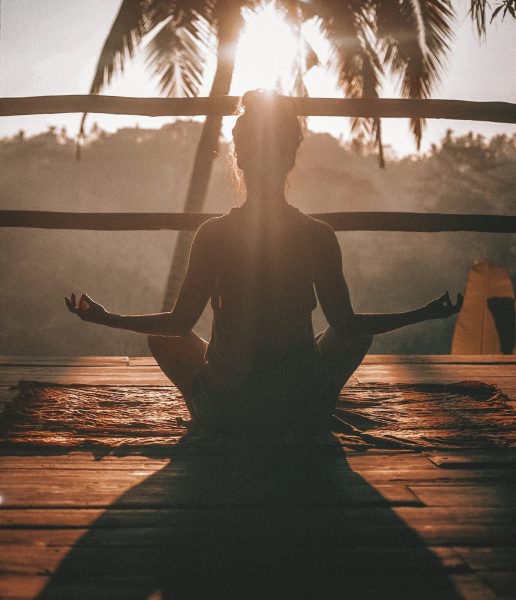
This practice is designed to be done anywhere: at your desk, in your parked car, on a park bench, or in a quiet corner of your home. You don’t need special clothes or a silent room. You just need 5 minutes and a willingness to pause. The goal isn’t to “clear your mind,” but to let your inner activity settle like sediment in a glass of water. Here’s how:
- Find Your Pause Posture (1 minute): Sit comfortably, feet flat on the floor, spine long but not rigid. Place your hands palm-down on your thighs. Close your eyes if comfortable, or soften your gaze a few feet in front of you. Take one deep breath in through your nose, and sigh it out through your mouth. This is your signal to your body: “We are pausing now.”
- The Cooling Breath (2 minutes): Bring your awareness to the crown of your head. Imagine a small, cool point of light there, like a drop of morning dew. As you inhale slowly through your nose for a count of 4, feel that cool light descend through the center of your head, down your throat, and into your chest. As you exhale for a count of 6, imagine any heat, agitation, or tension melting downward from your shoulders, through your torso, and draining out through the soles of your feet into the cool earth below. Repeat this for 6-8 cycles. The extended exhale is key—it activates the parasympathetic nervous system, your body’s “rest and digest” mode.
- Wu Wei Observation (2 minutes): Now, stop guiding the breath. Simply sit and observe. Notice the sensations in your body without judgment. Feel the air on your skin, the sounds in the distance, the gentle rise and fall of your abdomen. The instruction here is: Do not do. Do not analyze. Do not plan. Do not try to feel peaceful. Just watch, like you’d watch clouds pass in the sky. If a thought about your to-do list pops up, gently label it “thinking” and return to sensation. This is the practice of wu wei—allowing your inner world to be as it is, without your effortful control. You are the still water at the bottom of the lake, undisturbed by the waves on the surface.
When & How to Weave This Pause Into Your Summer Days
Consistency beats intensity. A 5-minute pause done regularly is far more powerful than a 30-minute meditation once a month. The beauty of this practice is its portability. Here are three key times to use it:
| Time of Day | Why It Works | Actionable Tip |
|---|---|---|
| Morning (before 9 AM) | Sets a calm, centered tone before the summer heat and demands of the day rise. Aligns with the quiet Yin energy of early morning. | Pair it with your morning tea or coffee. Do the meditation right after you pour your drink, before you check your phone. |
| Midday (12-2 PM) | Counteracts the peak Yang energy of the sun and the post-lunch slump. Prevents afternoon burnout. | After eating, step away from your workspace. Do the meditation in a parked car with the windows cracked, or on a bench in the shade. |
| Evening (after 8 PM) | Helps transition from the day’s social Fire energy to the night’s quiet Water energy, promoting deeper sleep. | Do it in a dimly lit room before bed. Use the Cooling Breath step for an extra 2 minutes if you feel overheated. |

Beyond the Cushion: Wu Wei in Daily Summer Activities
The real magic happens when the quality of your 5-minute pause starts to infuse your daily actions. This is the essence of living wu wei. Here are some simple, summer-specific ways to practice:
- Wu Wei Walking: On a short walk to the store or around your garden, consciously slow your pace by 20%. Feel each foot connect with the ground. Notice one detail you’d usually miss—the texture of a leaf, the pattern of cracks in the sidewalk. Let the walk be for the sake of the walk itself, not just for getting somewhere.
- Wu Wei Gardening: Instead of attacking weeds with frantic energy, approach one small patch for 10 minutes. Kneel down, feel the soil, and pull weeds slowly and deliberately. Thank the plant for its growth before composting it. This turns a chore into a grounding, meditative practice.
- Wu Wei Socializing: At a summer gathering, if you feel overwhelmed by conversation, excuse yourself for a “breather.” Find a quiet spot and do 1 minute of the Cooling Breath. Re-enter the social flow when you feel more centered, able to listen and engage with genuine presence rather than frazzled obligation.
“The greatest virtue is to follow the Dao. The Dao is elusive and intangible. Oh, it is intangible and elusive, and yet within it there is form. Oh, it is elusive and intangible, and yet within it there is substance.”
— Lao Tzu, Tao Te Ching
This quote captures the heart of wu wei. It’s not about doing nothing; it’s about moving with an invisible, powerful current that is always present. The 5-minute meditation is your way of tuning into that current, especially when the summer heat makes you feel like you’re swimming upstream.
Supporting Your Practice with Cooling Foods & Habits
A wu wei lifestyle is holistic. While the meditation calms your inner fire, you can support it with simple, cooling choices that align with TCM’s summer wisdom. Think of these as the “Water element” allies to your practice.
- Hydration with a Twist: Don’t just drink water—infuse it. Add 3-4 slices of cucumber and a sprig of fresh mint to a 32oz bottle of water. Cucumber is profoundly cooling, and mint gently disperses heat. Sip this throughout the day, not just when you’re thirsty.
- The 7 PM Wind-Down: Summer evenings are for gentle activities. After 7 PM, consciously wind down. Dim the lights, avoid intense news or argumentative social media, and take a cool (not cold) shower. This signals to your body that the Fire phase of the day is ending.
- Simple Summer Supper: A perfect wu wei meal is a cooling mung bean soup. Mung beans are a legendary TCM food for clearing summer heat. Simmer ½ cup of dried mung beans in 4 cups of water with a few slices of fresh ginger for 40 minutes until soft. Add a pinch of rock sugar or honey if desired. Eat this for dinner 2-3 times a week.
Common Questions About Wu Wei Meditation
Q: I feel like I’m just being lazy. How is this different?
A: This is the most common and important question. Laziness is avoidance, often stemming from resistance or fatigue. Wu wei is conscious, intentional alignment. The difference is in your awareness. When you’re lazy, you might zone out scrolling on your phone. When you practice wu wei, you are actively choosing to pause, observe, and allow your system to reset. You are present. After 5 minutes, you often feel refreshed and more capable of focused action, whereas laziness often leaves you feeling more lethargic. It’s the difference between a strategic pit stop and running out of gas.
Q: My mind is too busy. I can’t stop thinking. Am I doing it wrong?
A: Absolutely not! In fact, noticing how busy your mind is is the practice. The goal of the “Wu Wei Observation” step is not to stop thoughts, but to stop following them. Each time you notice you’re lost in thought and gently return to the feeling of your breath or the sensations in your body, you are strengthening your “pause muscle.” A busy mind is like a jar of muddy water. Your job is not to reach in and clear the water, but to set the jar down and let the mud settle on its own. With consistent practice, the gaps of quiet between thoughts will naturally grow longer.
Q: Can I do this for longer than 5 minutes?
A: You certainly can, but the 5-minute framework is deliberately short to be achievable and sustainable, especially in a busy summer schedule. Think of it as a “micro-dose” of mindfulness. For many people, knowing it’s only 5 minutes makes it easier to commit to daily. If you find yourself naturally wanting to sit longer after the timer goes off, follow that impulse—that’s wu wei! However, the real benefit comes from integrating these frequent, short pauses throughout your day, rather than one long session that might feel like another item on your to-do list.
The bottom line: Summer’s vibrant Fire energy is a gift, but it requires a conscious counterbalance to avoid burnout. The 5-minute Wu Wei Meditation is not about adding another task, but about infusing your existing moments with a quality of effortless awareness. By practicing this cooling pause—morning, midday, and evening—you align yourself with the season’s rhythm, calm your inner heat, and rediscover the art of flowing with life’s current, rather than constantly swimming against it. Start today: set a timer, take your seat, and allow the pause to do its quiet, powerful work.
This article is for educational purposes and reflects traditional wellness perspectives. It is not a substitute for professional medical advice, diagnosis, or treatment.