There’s a particular quality to the air on a slow summer evening. The heat has softened, the light has turned golden, and the world seems to exhale. Yet for many of us, summer is a season of frantic activity—packed schedules, vacations to plan, children home from school, and a relentless urge to “make the most of it.” But what if the real gift of summer isn’t in the doing, but in the being? In traditional Chinese thought, summer is the season of maximum yang—full, bright, expansive energy. It’s a time to be joyful and social, but also a time to understand that peak energy must be followed by gentle rest to avoid burnout. This is the art of slow summer living: aligning with the season’s rhythm to cultivate warmth, vitality, and deep, nourishing calm.
- 1. Embrace the "Wu Wei" of Summer: The Art of Effortless Action
- 2. The Midday Pause: Your Daily "Summer Siesta" Ritual
- 3. Hydrate with Intention: Beyond Plain Water
- 4. Eat the Rainbow, But Make It Cool: The Summer Nourishment Table
- 5. Sync with the Sun: A Gentle, Flexible Routine
- 6. Cultivate "Summer Joy": Small, Sensory Pleasures
1. Embrace the “Wu Wei” of Summer: The Art of Effortless Action
Before we dive into specific rituals, let’s explore one profound Eastern concept that underpins them all: wu wei. Often translated as “non-action” or “effortless action,” it doesn’t mean being lazy. Think of it like a skilled sailor who doesn’t fight the wind but uses it to guide the boat. Wu wei is about acting in harmony with the natural flow of things, rather than forcing or struggling against the current.
In summer, the energy is yang—outward, hot, and bright. To practice wu wei means to embrace this energy where it feels natural (like being more social, waking earlier) but also to yield when it becomes too much (like resting in the shade during the hottest hours). My grandmother used to say, “The loudest cicada doesn’t last the longest.” She meant that those who burn too brightly all summer often arrive at autumn feeling depleted and brittle. The goal is to be like the bamboo—flexible, yielding to the breeze, but deeply rooted.
This isn’t about a rigid schedule. It’s about listening. When the sun is high and your energy dips, that’s your body’s cue for wu wei. Lie down. Read a book. Let the afternoon be still. The project can wait. The social engagement can be shortened. In a culture obsessed with productivity, this is a radical, restorative act.
2. The Midday Pause: Your Daily “Summer Siesta” Ritual
In many Mediterranean and Latin cultures, the siesta is sacred—a built-in pause during the hottest part of the day. This aligns perfectly with Traditional Chinese Medicine (TCM). The period between 11 a.m. and 1 p.m. is when the Heart meridian is most active. The Heart, in TCM, houses the Shen (spirit) and is associated with the Fire element of summer. Overworking or overstimulating yourself during this time can lead to anxiety, insomnia, and heart palpitations later.
Your Ritual: For 20-30 minutes after lunch, practice a true midday pause. This is not scrolling through your phone at your desk. Ideally, you would lie down (even on a couch or yoga mat) in a cool, dark room. Place a cool, damp cloth over your eyes. Breathe slowly and deeply into your belly. If you can’t lie down, sit with your feet flat on the floor, close your eyes, and focus on the natural rhythm of your breath. The goal is to lower your heart rate and let your nervous system shift from “fight or flight” (sympathetic) to “rest and digest” (parasympathetic).
“Summer afternoon—summer afternoon; to me those have always been the two most beautiful words in the English language.” — Henry James
Don’t underestimate this. A consistent 20-minute midday pause can improve your afternoon focus, lower your overall stress, and help you sleep better at night. It’s a gift you give your heart.
3. Hydrate with Intention: Beyond Plain Water
We all know to drink more water in the summer. But in slow living, hydration becomes a mindful ritual, not a chore. In Chinese wellness, we believe that simply guzzling cold water can actually weaken the digestive system (the Spleen Qi). Instead, we favor room-temperature or warm drinks that also nourish our fluids and cool us from the inside out.
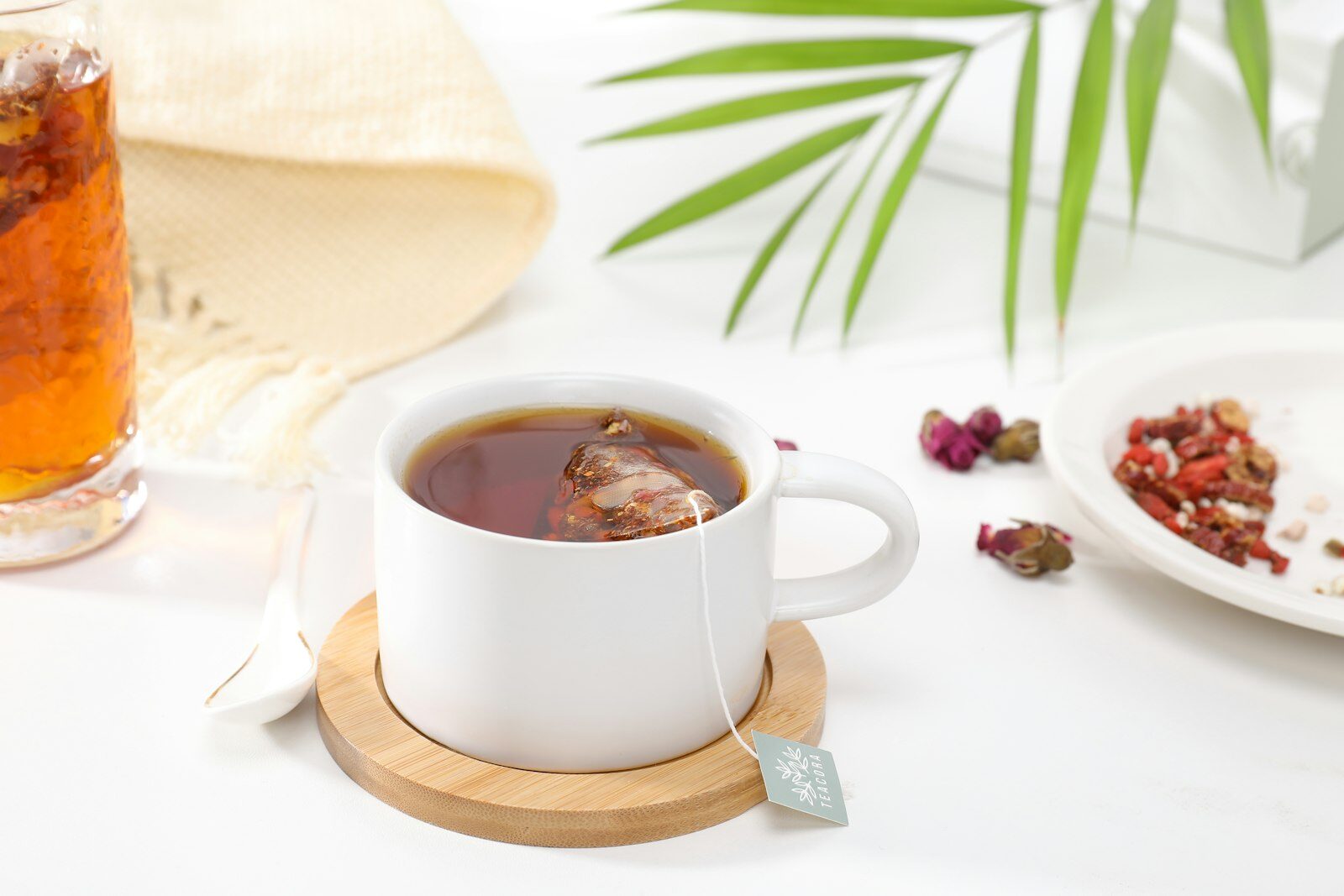
Your Ritual: Make a large pitcher of one of these traditional cooling teas each morning. Sip it throughout the day, preferably at room temperature.
- Chrysanthemum & Goji Berry Tea: This is a classic. Use 10-15 dried chrysanthemum flowers (from an Asian market) and a tablespoon of dried goji berries. Steep in hot water for 10 minutes, then let it cool. It clears heat, brightens the eyes (great for screen fatigue), and is subtly sweet.
- Barley Tea (Mugicha): A staple in Japan and Korea for summer. Toast 2 tablespoons of raw barley in a dry pan until fragrant, then simmer in 4 cups of water for 15 minutes. Strain and cool. It has a nutty, roasted flavor and is excellent for digestion and cooling the body.
- Watermelon Rind Tea: Don’t throw away the rind! The white part is a powerful diuretic in TCM, helping to flush excess heat and dampness. Simmer the chopped white rind of half a watermelon in 4 cups of water for 20 minutes. Add a slice of ginger if you like. It tastes mild and refreshing.
This act of brewing your daily drink transforms hydration from a mindless task into a morning ceremony of care.
4. Eat the Rainbow, But Make It Cool: The Summer Nourishment Table
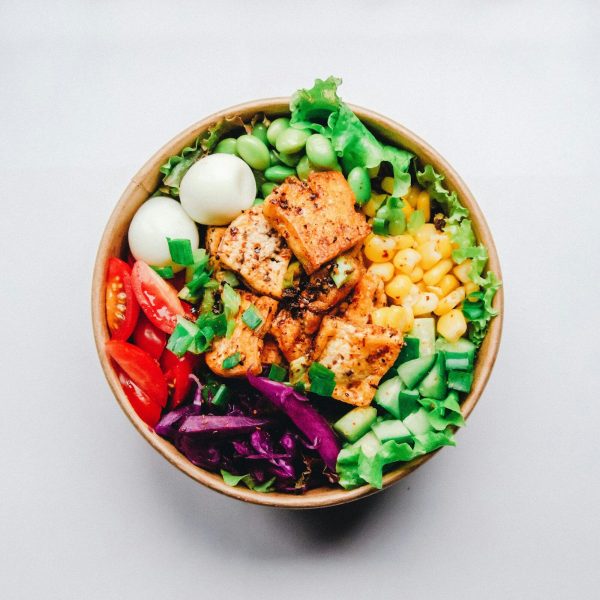
Eating seasonally isn’t just about freshness; it’s about eating what your body needs to stay in balance. Summer’s heat calls for foods that are cooling, hydrating, and easy to digest. This doesn’t mean all salads, all the time—some people run cold and still need warming elements. The key is balance.
My mother always prepared “cooling soups” in summer, even when it was 95°F outside. She’d say, “This soup cools your inside, so you don’t get sick from the outside heat.” It seemed counterintuitive, but it worked.
| Category | Cooling Summer Foods (TCM Perspective) | Simple, Actionable Ideas |
|---|---|---|
| Vegetables | Cucumber, bitter melon, celery, lettuce, summer squash (zucchini), mung bean sprouts, watercress. | Eat cucumber slices with a pinch of salt and sesame oil. Add bitter melon to a stir-fry with scrambled eggs (the egg balances the bitter cold). |
| Fruits | Watermelon, pear, apple, citrus, strawberry, kiwi, mango (in moderation). | Make a simple fruit salad with a squeeze of lime. Freeze grapes or banana slices for a cool treat. |
| Proteins | Fish (especially freshwater), tofu, tempeh, shrimp, chicken (light preparations). | Poach chicken breast in ginger-scallion broth and serve chilled. Marinate firm tofu in soy sauce, rice vinegar, and sesame oil. |
| Grains & Legumes | Mung beans, barley, brown rice, quinoa, buckwheat (soba noodles). | Cook a pot of mung bean and barley congee (rice porridge) to eat for breakfast or lunch. It’s the ultimate summer detox food in Chinese culture. |
| Herbs & Flavor | Peppermint, chrysanthemum, green tea, lemon balm, cilantro, a small amount of fresh ginger. | Grow mint on your windowsill. Tear leaves into water or iced tea. Use cilantro generously in salads and salsas. |
A Simple Cooling Summer Meal Idea: Soba noodles (buckwheat) served cold with a dipping sauce of soy sauce, mirin, and a touch of wasabi. Top with shredded cucumber, sliced scallions, and a sprinkle of toasted sesame seeds. It takes 15 minutes to prepare and is profoundly satisfying on a hot night.
5. Sync with the Sun: A Gentle, Flexible Routine
Slow summer living isn’t about a rigid schedule, but about a gentle rhythm. The sun is our guide. In summer, it rises early and sets late. Our energy naturally follows.
Morning (6-8 a.m.): This is the yang within yang—the coolest, most peaceful part of a summer day. Use it for your most important gentle activity. This could be a 20-minute walk in the garden, some light qigong (like the “Eight Brocades”), or simply sitting on your porch with your cooling tea, watching the light change. Avoid vigorous exercise; save that for the cooler parts of the year.
Midday (11 a.m.-3 p.m.): This is peak yang—the hottest, brightest time. This is your wu wei window. Rest, read, nap, work on quiet indoor tasks. As mentioned, this is the ideal time for your midday pause ritual.
Evening (After 6 p.m.): As the heat dissipates, your energy can gently rise again. This is a wonderful time for social connection—a slow dinner outside, a walk with a friend, gentle stretching, or gardening. The key is to start winding down at least 90 minutes before bed. In summer, this might mean turning off screens at 9 p.m. and taking a cool (not cold) shower to rinse the day’s sweat and lower your core body temperature, signaling to your body that it’s time to sleep.

This flexible rhythm, guided by the sun’s arc, removes the pressure of a minute-by-minute schedule. It’s about responding to the day’s energy, not fighting it.
6. Cultivate “Summer Joy”: Small, Sensory Pleasures
In TCM, the Heart is associated with the emotion of joy. But too much excitement or overstimulation can actually scatter the Heart’s energy (Shen), leading to anxiety. Summer joy, in the slow living sense, is not about loud parties and constant novelty. It’s about savoring small, sensory pleasures.
Your Ritual: Each day, consciously engage one sense in a simple, joyful way.
- Taste: Eat one perfect summer tomato, sprinkled with flaky salt, and do nothing else while you eat it.
- Touch: Walk barefoot on cool grass or smooth stones in the early morning dew.
- Smell: Crush a sprig of fresh rosemary or basil between your fingers and inhale deeply three times.
- Sight: At dusk, watch the fireflies or the changing colors of the sky for five uninterrupted minutes.
- Sound: Sit outside and listen to the layered sounds of summer—the cicadas, the distant lawnmower, the breeze in the leaves—without labeling or judging them.
This practice of micro-joy grounds you in the present moment and nourishes the Heart in a gentle, sustainable way. It turns an ordinary summer day into a series of quiet celebrations.
Common Questions
Isn’t resting during the day just lazy? I have so much to do.
It can feel that way in a culture that glorifies busyness. But consider this: a midday pause isn’t about avoiding work; it’s about working smarter. By resting during the body’s natural dip in energy (the Heart meridian time), you prevent the afternoon crash and mental fog. You often gain more productive, focused time in the late afternoon than you lost during the pause. It’s strategic recharging, not laziness. Think of it as maintaining your internal battery so it doesn’t die at 3 p.m.
I don’t have access to Asian markets for chrysanthemum flowers or barley. What can I use instead?
Absolutely. Many wonderful cooling herbs are available at regular grocery stores or health food stores. For a simple, effective cooling tea, use peppermint (a powerful cooling herb in Western herbalism too) or lemon balm. A handful of fresh mint leaves steeped in a quart of water is perfect. You can also use green tea (brewed lightly and cooled) or simply infuse your water with cucumber slices and a few sprigs of fresh basil. The principle is what matters: creating a mindful, cooling drink.
How do I practice slow summer living if my kids are home and my schedule is chaotic?
Slow living with a family is about weaving small rituals into the existing chaos, not creating a silent monastery. Involve them. Your midday pause can be “quiet time” where everyone reads or plays independently for 20 minutes. Your cooling tea ritual becomes a family activity—let them help brew the barley tea or add fruits to the water pitcher. The evening sensory joy practice can be a game: “Who can find the best summer smell tonight?” The goal isn’t perfection, but moments of shared, intentional calm. Even 5 minutes of sitting together on the porch watching the fireflies can become a core memory.
The bottom line: Slow summer living is the art of aligning your pace with the season’s natural rhythm. It means embracing the wu wei of the midday pause, hydrating with intention, eating cooling foods, syncing with the sun, and savoring small joys. It’s not about doing less for the sake of it, but about doing what truly nourishes you, so you can arrive at autumn feeling vibrant and whole, not burned out and depleted.
This article is for educational purposes and reflects traditional wellness perspectives. It is not a substitute for professional medical advice, diagnosis, or treatment.