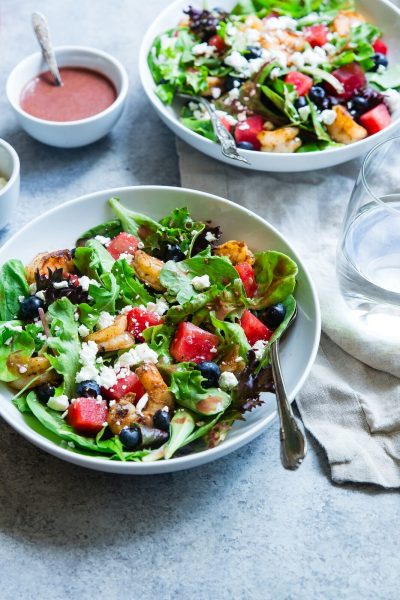
Summer has finally arrived, and with it comes the season of backyard barbecues, picnics by the lake, and the ubiquitous, sticky-sweet joy of biting into a wedge of watermelon. As a child, I remember sitting on the cool tile floor of my grandmother’s kitchen, spitting the small black seeds into a porcelain bowl. She would scold me gently, tapping my forehead with a finger. “Don’t waste those,” she’d say in Mandarin. “Those are the real treasure. The flesh is for thirst, but the seeds are for the fire.”
Back then, I thought she just wanted to avoid sweeping up my mess. It took years of studying Traditional Chinese Medicine (TCM) to realize she was speaking one of the most profound truths of summer wellness. In the West, we spend millions on cold brew coffee and air conditioning to cool down, often ignoring the potent, natural cooling agents hiding in our kitchen scraps. Today, we are diving deep into a specific, often discarded wonder: watermelon seeds (Xi Gua Zi). We are going to explore why these little black specks are a TCM secret weapon for clearing summer heat and nourishing your body’s fluids.
- The Anatomy of "Summer Heat" in TCM
- Why We Throw Away the Best Part: The Nutritional Shift
- The Kitchen Pharmacy: How to Prepare Watermelon Seeds
- The Rind Connection: Don't Throw Away the White Part
- Dosage and Safety: The TCM Balance
- Beyond Cooling: The Kidney Connection
- Integrating Seeds into Your Summer Routine
The Anatomy of “Summer Heat” in TCM
To understand why watermelon seeds are so valuable, we first need to understand what we are actually fighting against when the mercury rises. In Western medicine, heat is just a temperature reading. In TCM, “Summer Heat” (Shu Re) is a specific pathogenic factor.
Imagine your body is a car engine. In winter, you need the engine to run warm to keep the oil fluid and the car moving. But in the scorching heat of July, if the engine overheats, the oil evaporates, metal parts warp, and the car breaks down. This is exactly what happens to our bodies in summer. “Summer Heat” is characterized by its “Yang” nature—it rises fast, burns fiercely, and consumes our fluids (Yin).
Symptoms of this overheating aren’t just feeling hot. They include:
- Excessive sweating (which cools you down initially but depletes energy)
- Intense thirst that water doesn’t seem to quench
- Irritability and restlessness (think “road rage” heat)
- Dark, scanty urine (signs the fluids are being burned away)
- Dizziness or a heavy feeling in the head
This is where food becomes medicine. We need foods that clear heat but nourish fluids simultaneously. If you just drink ice water, you might extinguish the flame, but you also shock the digestive system (the Spleen in TCM) and dampen your metabolism. Watermelon seeds, however, offer a nuanced approach. They enter the Lung, Stomach, and Kidney meridians. They have a sweet taste and a neutral-to-cool nature. This means they gently guide the excess heat out of the body through urination while replenishing the fluids the heat tried to steal.
“The flesh of the watermelon quenches the immediate thirst, but the seeds heal the underlying fire. One is a bandage; the other is the cure.” — Traditional Chinese Proverb
Why We Throw Away the Best Part: The Nutritional Shift
There is a modern obsession with “seedless” fruit. We have genetically modified our watermelons to be smooth, red, and devoid of seeds for the sake of convenience. But in doing so, we have tossed out the baby with the bathwater.
I recall a visit to a traditional medicine market in Hong Kong years ago. Beside bins of dried seahorses and ginseng roots were massive sacks of black watermelon seeds. I watched elderly men buying them by the pound, roasting them lightly with salt, and cracking them open between their teeth while playing chess in the park. They weren’t just snacking; they were self-medicating.
Let’s look at the biochemistry to see why TCM practitioners revere them. They are not just empty husks.
| Nutrient Component | Benefit in TCM Terms | Western Equivalent Benefit |
|---|---|---|
| Citrulline | Clears Heat, promotes urination | Converts to arginine; improves blood flow, reduces fatigue |
| Healthy Fats | Nourishes Yin (moisture) | Supports heart health and cell membrane integrity |
| Zinc | Strengthens Kidney Qi | Boosts immune function and reproductive health |
| B Vitamins | Calms the Shen (Spirit) | Reduces stress, supports nervous system |
| Protein | Sustains Qi (Energy) | Supports muscle repair and satiety |
The presence of Citrulline is particularly fascinating. While the rind contains the highest concentration, the seeds are rich in it too. In TCM, we don’t talk about “citrulline,” but we talk about “promoting the smooth flow of water passages.” It’s the same mechanism, just described through the lens of energy flow rather than biochemistry.
The Kitchen Pharmacy: How to Prepare Watermelon Seeds
You cannot simply take a handful of seeds from a fresh slice of watermelon, swallow them whole, and expect results. In fact, swallowing them whole bypasses the digestive tract entirely—they will just pass through you. The medicinal value is locked inside the hard black shell, and to access it, you need to crack it or decoct (boil) it.
Here are the three most effective ways to use watermelon seeds for cooling, ranging from a quick snack to a potent tea.
Method 1: The Salted Roast (For Daily Snacking)
This is how my grandfather used to prepare them. Roasting makes the shells brittle and easy to crack with your teeth, allowing you to eat the inner kernel.
- Collect: Save the seeds from 2 large watermelons (about 1 cup of seeds).
- Clean: Rinse them in a colander to remove the sugar and pulp. Let them soak in salted water (1 tablespoon of sea salt per cup of water) for 4 hours or overnight. This infuses the salt flavor deep into the seed.
- Dry: Drain and pat dry with a towel.
- Roast: Spread on a baking sheet. Bake at 325°F (160°C) for 20–25 minutes. They should be dry to the touch and slightly toasted.
- Consume: Crack the shell with your front teeth (it takes practice!), eat the inner seed, and spit out the shell. Eat a small handful (about 20–30 seeds) daily.
Method 2: The Cooling Decoction (For Acute Heat)
If you are feeling the signs of summer heat—dry mouth, irritability, or dark urine—you need a tea. This is a classic folk remedy used in rural China when air conditioning wasn’t an option.
- Ingredients: 1/2 cup raw watermelon seeds (black shells included).
- Preparation: Rinse the seeds. Place them in a pot with 4 cups of water.
- Boil: Bring to a boil, then reduce heat and simmer for 20–30 minutes. The water will turn a murky, dark brown/grey.
- Strain: Strain out the seeds.
- Dosage: Drink 1–2 cups of this “tea” per day. It tastes mild and slightly earthy. You can add a teaspoon of honey to improve the taste if needed.
Note: Do not add sugar. Sugar creates dampness, which traps heat. Honey is acceptable in small amounts as it is moistening.

The Rind Connection: Don’t Throw Away the White Part
While we are focusing on seeds, it would be a crime not to mention the rind. In TCM, the rind is actually considered more medicinally potent for clearing heat than the red flesh. This is a perfect example of the “White into Red” principle.
The white part of the watermelon rind (the inner rind) is called Xi Gua Pi. It is bitter and cool. If you are making the seed decoction mentioned above, toss in the chopped white rind of half a watermelon. This combination—seeds and rind—is the “Gold Standard” summer cooler.
I remember a summer in my twenties when I moved into my first apartment. It had no AC, and I was suffering from heat exhaustion. My mother visited, looked at my discarded rinds in the trash, and almost cried. She made me a soup with the white rind, the seeds, some lean pork, and winter melon. I felt like I had been dipped in a cool mountain stream within two hours. The synergy of these ingredients is profound.
Dosage and Safety: The TCM Balance
Everything in TCM is about balance. While watermelon seeds are “cooling,” overusing them can chill the digestive system too much. Here are the rules of engagement:
- For the “Cold” Constitution: If you are someone who is always cold, has pale skin, and prefers hot drinks, use watermelon seeds sparingly. Perhaps just the roasted snacks, not the heavy decoction.
- For the “Hot” Constitution: If you run warm, have a red face, and love the AC, the decoction is your friend.
- Digestion Check: If you have a weak stomach (bloating, loose stools), do not drink the cold tea. Let it cool to room temperature or drink it warm.
- Frequency: Use the decoction for 3–5 days at a time during a heatwave. Don’t drink it all summer long without a break.
A common mistake Westerners make is thinking “natural” means “unlimited.” Even water has a toxicity level. Respect the cooling nature of the seed.
Beyond Cooling: The Kidney Connection
The Kidney system in TCM is the “Root of Life.” It governs reproduction, growth, and our deepest reserves of energy (Jing). Watermelon seeds have a specific affinity for the Kidneys.
In folklore, watermelon seeds were often given to men to support urinary tract health and reproductive vitality. The logic is simple: the Kidneys govern the water metabolism. If the water pathways are blocked or inflamed (common in summer heat), the Kidneys suffer. By clearing heat and promoting urination, watermelon seeds take the burden off the Kidneys, allowing them to rest and restore.
If you are dealing with mild urinary discomfort during summer (a common issue due to dehydration and heat), a cup of watermelon seed tea can act as a gentle diuretic, flushing out toxins without the harsh side effects of pharmaceutical diuretics.
Integrating Seeds into Your Summer Routine
You don’t need to overhaul your life to benefit from this. Here is a practical “Summer Cooling Protocol” you can start this weekend.
- Morning: Start your day with room temperature water (avoid ice in the morning to protect your Spleen).
- Afternoon (The Heat Peak): This is when “Summer Heat” attacks strongest. Brew your Watermelon Seed & Rind Tea. Let it cool. Sip on it between 1:00 PM and 4:00 PM.
- Evening Snack: Instead of chips, have a small bowl of roasted salted watermelon seeds while watching TV.
- Dietary Pairing: Pair these seeds with cucumber salads or mung bean soup. These foods share the same “cooling” frequency and amplify the effect.
Think of your body as a garden. Summer is the season of rapid growth and high energy, but also the risk of drought. The watermelon is the canteen for the garden, but the seeds are the gardener, directing the water exactly where it needs to go and clearing out the weeds of heat.
Common Questions
Can I just swallow the seeds whole?
No. While it won’t hurt you (unlike the old wives’ tale about a watermelon growing in your stomach), swallowing them whole provides zero medicinal benefit. The hard shell protects the inner nutrients. You must either crack the shell to eat the kernel (roasting helps) or boil them to extract the active compounds into the water. If you swallow them whole, they will pass through your digestive tract intact.
Do seedless watermelons have the same benefits?
Seedless watermelons are a hybrid variety bred for convenience. They contain undeveloped, white, thin seeds. These do not contain the same density of nutrients or the hard shell required for medicinal decoctions. If you want the TCM benefits, you must seek out the traditional, seeded varieties (often called “picnic” or “heirloom” watermelons). It is worth the effort of spitting out the seeds.
I have a sensitive stomach. Is this too cooling for me?
If you have a “Cold” constitution (Yang deficiency)—meaning you feel cold easily, have loose stools, and have a pale tongue—watermelon seeds in large quantities might be too cooling. However, roasting them with salt warms the energy of the seed slightly. I would recommend avoiding the “Tea” (decoction) and sticking to the roasted snacks in moderation (5–10 seeds a day). Alternatively, add a slice of fresh ginger to the tea to counteract the cooling effect.
The bottom line: Watermelon seeds are a potent, free, and accessible tool for managing summer heat. By roasting them for a snack or boiling them into a tea, you align your body with the cooling wisdom of Traditional Chinese Medicine, clearing heat and nourishing fluids naturally. Don’t let this summer’s treasure end up in the compost bin.
This article is for educational purposes and reflects traditional wellness perspectives. It is not a substitute for professional medical advice, diagnosis, or treatment.