This article contains affiliate links. We may earn a commission if you buy through these links at no extra cost to you.
- Weighted Blanket Guide: Do They Really Work?
- The First Night I Tried One
- What Is a Weighted Blanket?
- The Science: Does It Actually Work?
- How to Choose the Right Weight
- Choosing the Right Fill
- Best Weighted Blankets on Amazon
- How to Use a Weighted Blanket
- Who Should NOT Use a Weighted Blanket
- The TCM Perspective
- The Bottom Line
- Related Articles
Weighted Blanket Guide: Do They Really Work?
In this article: The science behind weighted blankets — why they help some people sleep like babies, who should avoid them, and how to choose the right one without wasting money.
The First Night I Tried One
I was skeptical. A heavy blanket that supposedly helps you sleep? It sounded like another wellness fad — like those balance bracelets from the 2010s.
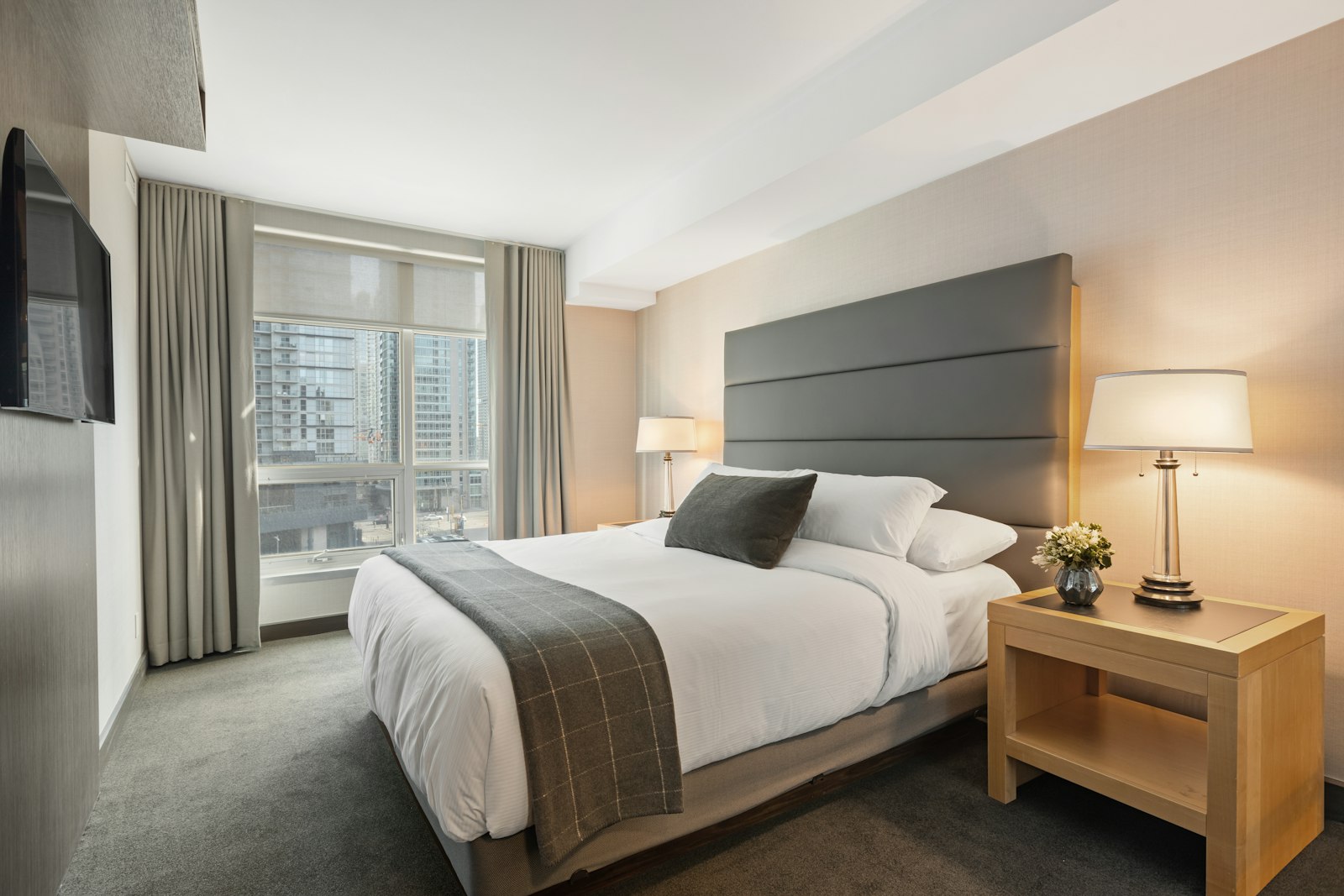
But I’d been struggling with racing thoughts at night. You know the feeling: body tired, mind wide awake, scrolling through worst-case scenarios from 2015. A friend who deals with anxiety swore by her weighted blanket, so I figured I’d try it.
The first night was… weird. Not bad, just different. Like being gently held down. My breathing slowed without me trying. And then — I don’t remember falling asleep. I just woke up eight hours later feeling like I’d slept through a time warp.
I’ve used one every night since.
What Is a Weighted Blanket?
A weighted blanket is exactly what it sounds like: a blanket filled with small weights (usually glass beads or plastic pellets) that makes it heavier than a normal blanket. Typical weights range from 10 to 25 pounds.
The idea comes from Deep Pressure Stimulation (DPS) — a therapeutic technique that uses firm, gentle pressure to calm the nervous system. Think of it like a hug that lasts all night.
The Science: Does It Actually Work?
Let’s be clear about what the research shows — and what it doesn’t.
What Studies Show
What It Does to Your Body
The pressure from a weighted blanket activates your parasympathetic nervous system — the “rest and digest” mode. This:
In simpler terms: the weight tells your body “you’re safe, you can relax now.” It’s the same reason swaddling works for babies, or why a tight hug feels calming.
What It Doesn’t Do
How to Choose the Right Weight
This is the most common question, and the answer is simpler than you think.
The General Rule
Choose a blanket that’s approximately 10% of your body weight.
| Your Weight | Recommended Blanket Weight |
|---|---|
| 100-130 lbs (45-60 kg) | 10-12 lbs (4.5-5.5 kg) |
| 130-170 lbs (60-77 kg) | 15 lbs (7 kg) |
| 170-200 lbs (77-90 kg) | 20 lbs (9 kg) |
| 200+ lbs (90+ kg) | 25 lbs (11 kg) |
When to Go Lighter
When to Go Heavier
Choosing the Right Fill
Weighted blankets use different fill materials, and it matters more than you’d think.
Glass Beads (Best Overall)
Plastic Poly Pellets (Budget Option)
Steel Shot Beads (Premium)
My recommendation: Glass beads. They’re the best balance of comfort, noise, and price.
Best Weighted Blankets on Amazon
Based on testing and extensive research:
🥇 Gravity Blanket — Best Overall
Get the Gravity Blanket on Amazon → (affiliate link)
🥈 YnM Weighted Blanket — Best Value
Get the YnM Weighted Blanket on Amazon → (affiliate link)
🥉 Bearaby Cotton Napper — Best for Hot Sleepers
Get the Bearaby Napper on Amazon → (affiliate link)
How to Use a Weighted Blanket
First Night Expectations
Tips for Success
Who Should NOT Use a Weighted Blanket
Weighted blankets are safe for most adults, but avoid them if you have:
If you’re pregnant, talk to your doctor before using one.
The TCM Perspective
In Traditional Chinese Medicine, weighted blankets align with an interesting concept: grounding excess yang energy.
When your mind races at night, TCM would say your yang energy is rising too much — heat moving upward, creating mental restlessness. The gentle, sustained pressure of a weighted blanket helps anchor that energy downward, promoting calm.
This is similar to why foot soaking before bed works (a practice we recommend in our foot soaking guide): both create a grounding, downward-moving effect that tells the body it’s time to rest.
The Bottom Line
Weighted blankets aren’t magic. But the science is real: for many people, the gentle pressure genuinely reduces anxiety, calms the nervous system, and improves sleep.
If you struggle with:
…a weighted blanket is worth trying. Start with the 10% rule, choose glass beads, and give it at least a week.
The worst case? You have a very comfortable blanket for watching TV on the couch. The best case? You finally stop counting sheep.
Browse Weighted Blankets on Amazon → (affiliate link)
Related Articles
This article is for informational purposes only. It’s not medical advice — for any sleep disorder or health condition, please consult a qualified healthcare provider.
- A 2020 study in the Journal of Clinical Sleep Medicine found that weighted blankets significantly reduced insomnia severity in participants with clinical insomnia. 42% showed a measurable improvement.
- A 2021 Swedish study found that weighted blankets reduced anxiety symptoms by 33% in participants with generalized anxiety disorder.
- Research on autism and ADHD shows weighted blankets can reduce sensory overstimulation and improve sleep onset in children and adults with these conditions.
- A 2022 meta-analysis concluded that weighted blankets are “a safe and effective intervention for insomnia and anxiety” — with the caveat that more large-scale studies are needed.
- Lowers cortisol (the stress hormone)
- Increases serotonin and melatonin (the sleep hormones)
- Reduces heart rate and blood pressure
- Calms the “fight or flight” response
- It’s not a cure for insomnia. If you have chronic insomnia, a weighted blanket is one tool — not a solution.
- It doesn’t work for everyone. Some people find it uncomfortable, hot, or claustrophobic.
- It won’t fix sleep apnea or other medical conditions. See a doctor for those.
- You’re a hot sleeper (weighted blankets run warm)
- You have joint pain or arthritis (extra weight can aggravate)
- You’re buying for a child (consult a pediatrician first)
- You’ve never used one (start lighter, upgrade later)
- You have anxiety or restlessness (more pressure = more calming)
- You’re a side sleeper (weight distributes differently)
- You want the “hugged” feeling (heavier = more noticeable)
- Pros: Smaller, so the weight distributes more evenly. Quieter. Cooler.
- Cons: Slightly more expensive.
- Best for: Most people.
- Pros: Cheaper. Widely available.
- Cons: Bulkier (blanket feels thicker). Can be noisy when you move. Less even distribution.
- Best for: Budget shoppers who don’t mind some noise.
- Pros: Smallest size, best weight distribution. Very quiet.
- Cons: Most expensive. Can feel “dense.”
- Best for: People who want the most even weight distribution.
- Price: ~$150-200
- Weight options: 15, 20, 25 lbs
- Fill: Glass beads
- Why it’s great: The original premium weighted blanket. Excellent construction, soft duvet cover, even weight distribution. Worth the price.
- Price: ~$40-80
- Weight options: 10-30 lbs
- Fill: Glass beads
- Why it’s great: Best bang for your buck. Good quality at a fraction of the premium brands. Multiple color options.
- Price: ~$200-250
- Weight options: 10, 15, 20, 25 lbs
- Fill: No fill — it’s knitted from heavy organic cotton
- Why it’s great: Breathable. No beads. Beautiful design. Machine washable. The best option if you overheat at night.
- It will feel strange. The weight is unfamiliar. Give it at least 3-5 nights before judging.
- You might feel trapped at first. This is normal. If it’s truly uncomfortable after a week, try a lighter weight.
- You might get warm. Weighted blankets run hotter than regular blankets. Sleep in lighter pajamas or lower the thermostat.
- Sleep apnea — extra weight on your chest can worsen breathing
- Respiratory conditions (asthma, COPD) — same concern
- Claustrophobia — the “trapped” feeling may trigger anxiety instead of reducing it
- Certain heart conditions — consult your doctor
- Very young children — not recommended under age 4, and always consult a pediatrician
- Racing thoughts at night
- Anxiety that keeps you awake
- Restlessness or fidgeting in bed
- Sensory sensitivity
- Best Sleep Masks (Light-Blocking, Heated, Smart) — Another simple sleep upgrade
- Magnesium for Sleep: Which Type Works Best? — Combine with a weighted blanket for maximum effect
- Bedroom Feng Shui for Better Sleep — Optimize your entire sleep environment
- Use it on top of your regular sheets, not as a replacement. This helps with temperature regulation.
- Don’t use it every night at first. Start with 2-3 nights per week and increase as you adjust.
- Pair it with a cool room. 65-68°F (18-20°C) is ideal. The blanket adds warmth, so compensate with room temperature.
- Wash the cover, not the blanket. Most weighted blankets have removable duvet covers. Wash those regularly; spot-clean the inner blanket.
- Store it folded, not bunched. This preserves the even weight distribution.
This article is for informational purposes only. It’s not medical advice — for any health condition, please consult a qualified healthcare provider.