When the air gets thick and the sun feels like a weight on your shoulders, what’s the first thing you reach for? I’m guessing it’s something cold—a glass of iced water, a popsicle, maybe a chilled salad. It feels right, doesn’t it? The instinct to cool down from the inside out. But here’s a secret from my grandmother’s kitchen, a counterintuitive truth that took me years to fully appreciate: the best way to cool your body on the hottest summer days might be to add a little heat to your plate. Specifically, a pinch of white pepper.
It sounds backwards, I know. In Traditional Chinese Medicine (TCM), summer is the season of maximum Yang energy—outward, expansive, and hot. Our bodies are working hard to regulate this heat, and we often make the mistake of flooding our systems with cold. This, according to my family’s wisdom and centuries of practice, can actually backfire. It dampens our digestive fire, the very engine we need to process food efficiently and generate our own balanced cooling. White pepper, with its unique, penetrating warmth, is the gentle spark that keeps that engine running smoothly all summer long.
- The Summer Spice You're Ignoring: Why TCM Loves White Pepper in the Heat
- More Than Just "Spicy": White Pepper's Secret Identity
- The Counterintuitive Cooling Effect: How Warmth Beats the Heat
- Your Summer White Pepper Toolkit: Actionable Uses
- White Pepper vs. The Summer Heat: A Comparison Table
- A Summer Recipe: My Grandmother's "Cooling" Cucumber Soup
The Summer Spice You’re Ignoring: Why TCM Loves White Pepper in the Heat
More Than Just “Spicy”: White Pepper’s Secret Identity
Let’s clear something up. White pepper isn’t just black pepper’s paler, milder cousin. They come from the same plant, but the processing makes all the difference. Black peppercorns are picked unripe and dried, skin and all. White peppercorns are allowed to ripen, then soaked until the dark outer layer can be rubbed off, revealing the seed inside. This process mellows the sharp, piney bite of black pepper and gives white pepper its distinct, earthy, almost fermented aroma.
In TCM, this distinction is crucial. Black pepper’s heat is considered more surface-level and stimulating. White pepper’s warmth is deeper and more penetrating. It’s classified as acrid and warm, meaning it can disperse cold and dampness while gently moving energy (Qi) upward and outward. Think of it as the difference between a space heater (black pepper) and a warm, radiant sunbeam that warms you to the core (white pepper). On a sweltering day, you don’t need a blast of artificial heat; you need that gentle, internal warmth that supports your body’s natural processes.
“In summer, we eat as if the harvest is coming. We support the Spleen, the organ of transformation, with warmth and simplicity. A dish without a little white pepper is like a garden without sun—everything becomes slow and damp.”
The Counterintuitive Cooling Effect: How Warmth Beats the Heat
This is the core concept, the one piece of TCM wisdom I want you to take away today: Spleen Qi and Dampness. Your Spleen (with a capital ‘S’) is not just the organ you learned about in biology. In TCM, it’s a functional system responsible for “transforming and transporting” the food and fluids you consume into usable energy (Qi) and blood. Its nature is to be warm and dry.
Summer is its nemesis. The external heat and humidity—what we call “Summer Dampness”—can easily invade and overwhelm the Spleen. When your Spleen is weak or “damp,” it can’t do its job properly. The result? You feel that specific summer lethargy: heavy limbs, foggy thinking, bloating, poor appetite, and sticky sweat. You feel hot, yet you feel sluggish and “cold” internally.
Here’s where white pepper comes in as a hero. Its gentle, warming nature directly combats that internal dampness. It stokes the digestive fire, helping your Spleen “transform” the heavy, damp-producing summer foods (like too much watermelon, ice cream, or cold salads) without getting bogged down. By improving digestion and circulation, it helps your body regulate its temperature more effectively, leading to a genuine feeling of internal coolness and clarity. It’s not about raising your temperature; it’s about optimizing your system so it can manage the heat.

Your Summer White Pepper Toolkit: Actionable Uses
Forget the dusty grinder on your table. To harness white pepper’s power, you need to think of it as a key ingredient, not just a finishing touch. Here are specific, easy ways to integrate it into your summer diet, starting today.
- The Morning Spark: Add a scant 1/8 teaspoon of freshly ground white pepper to your morning eggs, avocado toast, or even your oatmeal. It adds a subtle, complex warmth that wakes up your digestion gently.
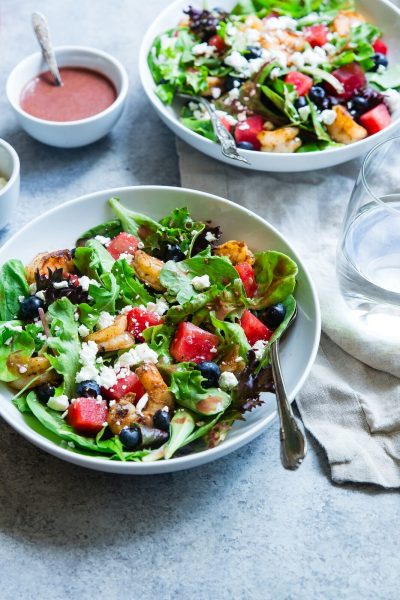
- Salad Savior: Cold salads are a summer staple, but they can be tough on digestion. Make a dressing with 2 tablespoons of olive oil, 1 tablespoon of lemon juice, 1 teaspoon of honey, 1/4 teaspoon of sea salt, and 1/8 teaspoon of white pepper. The pepper’s warmth will balance the cooling nature of the raw vegetables.
- Soup’s Secret Weapon: For any chilled soup (gazpacho, cucumber-dill, or even a cold melon soup), stir in a pinch of white pepper just before serving. It adds a surprising depth and prevents the “dampening” effect of the cold food.
- The Simple Sip: For sluggish digestion on a humid day, make a quick “digestive tea.” Boil 1 cup of water with 1/4 teaspoon of white peppercorns and a 1-inch slice of fresh ginger for 3 minutes. Strain and sip slowly. This is my go-to after a heavy summer barbecue.
White Pepper vs. The Summer Heat: A Comparison Table
Not all summer cooling strategies are created equal. Here’s a look at how white pepper stacks up against common approaches, through the TCM lens.
| Cooling Strategy | TCM Energetic | Best For | Potential Pitfall in Summer |
|---|---|---|---|
| Iced Water | Very Cold | Quenching acute thirst after intense heat exposure. | Directly extinguishes Spleen fire, creates internal dampness, can lead to bloating. |
| Watermelon | Cold, Sweet | Cooling body heat, generating fluids (Yin). | Overconsumption is extremely damp-producing; best eaten in moderation, not as a meal. |
| White Pepper in Food | Warm, Acrid | Supporting Spleen function, preventing dampness from cold/raw foods, improving circulation. | Excessive use can cause minor stomach irritation; stick to 1/4 tsp per dish. |
| Green Tea (room temp) | Cool, Bitter | Clearing summer heat and promoting urination. | Can still be slightly cooling to digestion for some; those with very weak Spleens should drink it warm or with a meal. |
| Confiture de Framboise (Raspberry Jam) on Toast | Warm, Sweet, Sour | A classic French summer breakfast that, in TCM terms, uses the warmth of cooking (jam) and bread to support digestion while enjoying a seasonal fruit. | The sugar content can be dampening if overindulged. |
A Summer Recipe: My Grandmother’s “Cooling” Cucumber Soup
This recipe was a staple in our home during Shanghai’s brutal summers. It’s served chilled, but the inclusion of white pepper is non-negotiable. My grandmother would say it’s the pepper that makes it truly refreshing, not just cold.
Ingredients:
- 2 large English cucumbers, peeled, seeded, and roughly chopped
- 1 cup plain, full-fat yogurt (the fat helps balance the cooling nature)
- 1 small clove garlic, minced
- 1 tablespoon fresh lemon juice
- 1 tablespoon extra virgin olive oil
- 1/2 teaspoon sea salt
- 1/4 teaspoon freshly ground white pepper (the key!)
- Fresh dill or mint for garnish
Method: Blend the cucumber, yogurt, garlic, lemon juice, olive oil, and salt until perfectly smooth. Taste, then add the white pepper. Blend again for 10 seconds. Chill for at least an hour. Serve in small bowls, garnished with herbs. The pepper’s warmth will be a subtle, lingering note that keeps your stomach happy and your body genuinely cool.
Common Questions
Can I just use black pepper instead?
You can, but the effect is different. Black pepper has a sharper, more surface-level heat. In TCM, it’s more likely to induce sweating, which can be helpful in some winter conditions but can further deplete fluids in the summer. White pepper’s deeper, more penetrating warmth is specifically suited to targeting internal dampness without the same risk of external fluid loss. For the specific purpose of supporting Spleen Qi in summer, white pepper is the superior choice.
I have acid reflux or gastritis. Is white pepper safe for me?
This is an important caution. While white pepper is milder than black, it is still a warming spice. If you have an active condition like acid reflux, gastritis, or a stomach ulcer, the warming and dispersing nature of white pepper could potentially irritate the inflamed tissue. It’s best to consult with a healthcare professional or a licensed TCM practitioner who can assess your specific condition. In such cases, cooling herbs like mint or chrysanthemum might be more appropriate for summer support.
How much is too much? What’s a safe daily amount?
For general wellness support in summer, 1/4 to 1/2 teaspoon of freshly ground white pepper per day, incorporated into meals, is a safe and effective amount for most adults. It’s best consumed with food, not on an empty stomach. Start with the smaller amount and see how your body feels. The goal is a gentle supportive effect, not a strong medicinal dose. If you experience any stomach discomfort, reduce the amount.
The bottom line: In the pursuit of summer cooling, we often wage war on heat with cold, inadvertently weakening our digestion and creating the very dampness and lethargy we seek to avoid. Traditional Chinese Medicine offers a smarter, more nuanced strategy: use gentle, internal warmth like white pepper to stoke your digestive fire, support your body’s natural cooling mechanisms, and transform dampness. This summer, before you reach for another ice cube, try reaching for the white pepper grinder instead. A small pinch might be the key to feeling genuinely, sustainably cool.
This article is for educational purposes and reflects traditional wellness perspectives. It is not a substitute for professional medical advice, diagnosis, or treatment.