There’s a particular quality to winter darkness that feels different from any other season. It arrives earlier, stays longer, and seems to wrap around the world with a heavier blanket. In Traditional Chinese Medicine, this isn’t just a poetic observation—it’s a profound clue to how we should be living. Winter is the season of the Water element, associated with the Kidneys, the deepest reserves of energy (Jing), and the very essence of rest and restoration. Yet, in our modern world of artificial light and endless stimulation, we often fight this natural rhythm, scrolling through our phones under bright lights long after the sun has set. The result? We wake feeling depleted, as if we’ve run a marathon in our sleep. My grandmother, who lived to 98 in her small village in Zhejiang, had a simple saying: “Winter nights are for filling the well, not drawing from it.” She was talking about sleep. This article is about honoring that wisdom. We’ll explore a simple, three-part night ritual designed specifically for winter’s unique energy, drawing from classical texts and modern research to help you tap into that quiet strength for truly deep, restorative sleep.
- Why Winter Sleep is Different: The TCM Perspective
- Part 1: The Winding Down (7:00 PM – 9:00 PM) – Harmonizing the Shen
- Part 2: The Grounding Practice (9:00 PM – 10:00 PM) – Nourishing Yin
- Part 3: The Descent (10:00 PM – 10:30 PM) – Preparing the Vessel
- Putting It All Together: Your Winter Night Ritual Checklist
- Beyond the Ritual: Supporting Winter Sleep with Daily Habits
- Common Questions About Winter Sleep Rituals
Why Winter Sleep is Different: The TCM Perspective
In the West, we often treat sleep as a uniform requirement—eight hours is eight hours, regardless of the season. Traditional Chinese Medicine offers a more nuanced view. The Huangdi Neijing (The Yellow Emperor’s Classic of Internal Medicine), the foundational text of TCM written over 2,000 years ago, provides clear guidance: “In the three months of winter, this is called closing and storing. The water freezes and the earth cracks. Do not disturb the yang qi. Go to bed early and rise late. You must wait for the sun to rise.” This isn’t mere suggestion; it’s a prescription for aligning with nature’s cycles.
The concept at play here is Yang Qi. Think of yang qi as your body’s active, warming, functional energy—the spark that gets you moving, thinking, and digesting. During winter, this energy naturally retreats inward and downward, much like animals hibernate or sap recedes into the roots of a tree. Going to bed early (ideally by 10:30 PM) and waking with the sun (around 7:00 AM, depending on your latitude) allows this yang qi to consolidate and be stored in the Kidneys. Fighting this by staying up late under bright lights forces your body to expend precious yang energy when it should be conserving it. A 2020 review in the journal Sleep Medicine Reviews noted that circadian rhythm alignment, particularly with seasonal light changes, significantly impacts sleep quality and hormonal regulation (Skene et al., 2020). The ancient wisdom was onto something.
This is why a winter sleep ritual is so powerful. It’s not just about “good sleep hygiene.” It’s a conscious act of cooperating with the season’s energy to replenish your deepest reserves. It’s about creating an environment and a process that signals to your entire system: it is safe to shut down, to repair, to restore.
Part 1: The Winding Down (7:00 PM – 9:00 PM) – Harmonizing the Shen
The first part of the ritual begins not at bedtime, but in the early evening. In TCM, the period from 7 PM to 9 PM is governed by the Pericardium meridian, which protects the Heart. The Heart houses the Shen, or spirit/mind. A disturbed Shen leads to a racing mind, anxiety, and insomnia. The goal of this phase is to gently guide the Shen inward, away from the day’s stimulation.
Actionable Step: The Digital Sunset & Warm Elixir.
- At 7:00 PM, initiate a “Digital Sunset.” Put your phone, tablet, and laptop away for the night. If you must use a screen, enable the warmest night mode setting and reduce brightness to the absolute minimum. The blue light from screens suppresses melatonin production, the key hormone for sleep. A 2015 study in Proceedings of the National Academy of Sciences found that reading on a light-emitting device before bed significantly delayed sleep onset and reduced evening sleepiness (Chang et al., 2015).
- Between 7:30 and 8:30 PM, prepare and drink a warming, calming herbal tea. Avoid caffeine and large amounts of liquid. My go-to winter blend is simple: 1 teaspoon of jujube seed (Ziziphus jujuba), also known as Suan Zao Ren, and 1 teaspoon of dried longan fruit (Dimocarpus longan), or Long Yan Rou, steeped in 2 cups of hot water for 10 minutes. Jujube seed is a premier Shen-calming herb in TCM, traditionally used to nourish the Heart blood and quiet the mind. Longan nourishes Qi and Blood, adding a gentle sweetness. This isn’t a powerful sedative; it’s a gentle nudge toward calm.
This early wind-down creates a buffer zone between the active day and the passive night. It allows your nervous system to shift from sympathetic (fight-or-flight) to parasympathetic (rest-and-digest) mode gradually.
Part 2: The Grounding Practice (9:00 PM – 10:00 PM) – Nourishing Yin
If yang qi is the fire, yin essence is the water that cools, moistens, and nourishes. Winter is the ultimate yin season. To sleep deeply, we need abundant yin to anchor the yang. This part of the ritual focuses on practices that draw energy downward, away from the head, and into the body’s core and lower centers.
Actionable Step: Foot Soak & Acupressure.
- At 9:00 PM, prepare a foot soak. This is a cornerstone of Chinese family wellness. Use a basin large enough for your feet and ankles. Fill with warm water (around 104°F or 40°C—comfortably hot, not scalding). Add 2 tablespoons of Epsom salt (magnesium sulfate) and 5-7 drops of lavender essential oil (Lavandula angustifolia). Soak for 15-20 minutes. The warmth draws blood to the feet, which in TCM is a sign of yang qi descending. Lavender has been shown in multiple studies to have calming, anxiolytic effects. A 2012 study in the Journal of Alternative and Complementary Medicine found lavender aromatherapy improved sleep quality in a group of students with self-reported sleep issues (Lillehei & Halcon, 2014).
- While soaking or immediately after, perform acupressure on two key points.
- Kidney 1 (Yongquan, “Gushing Spring”): Located on the sole of the foot, in the depression just below the ball of the foot, between the 2nd and 3rd toes. This is the lowest point on the body, a major point to draw energy downward. Use your thumb to apply firm, circular pressure for 1-2 minutes per foot.
- Heart 7 (Shenmen, “Spirit Gate”): Located on the inner wrist crease, on the little finger side, in the depression just medial to the tendon. This directly calms the Shen. Apply gentle, steady pressure for 1 minute per wrist.
This combination of thermal therapy and targeted pressure is a powerful signal to the body that the day is truly over. It addresses the physical tension and the mental chatter simultaneously.

Part 3: The Descent (10:00 PM – 10:30 PM) – Preparing the Vessel
The final phase is about preparing your physical environment and body for the transition into sleep. This is where you create the “cave” that winter nights demand.
Actionable Step: Bedroom Prep & Gentle Self-Massage.
- At 10:00 PM, prepare your bedroom. The ideal temperature for sleep is between 60-67°F (15.5-19.4°C). A cooler room is better for sleep, as a drop in core body temperature is a natural sleep trigger. Ensure the room is as dark as possible—use blackout curtains if needed. In winter, add an extra blanket at the foot of the bed. Having warm feet is crucial for falling asleep in TCM.
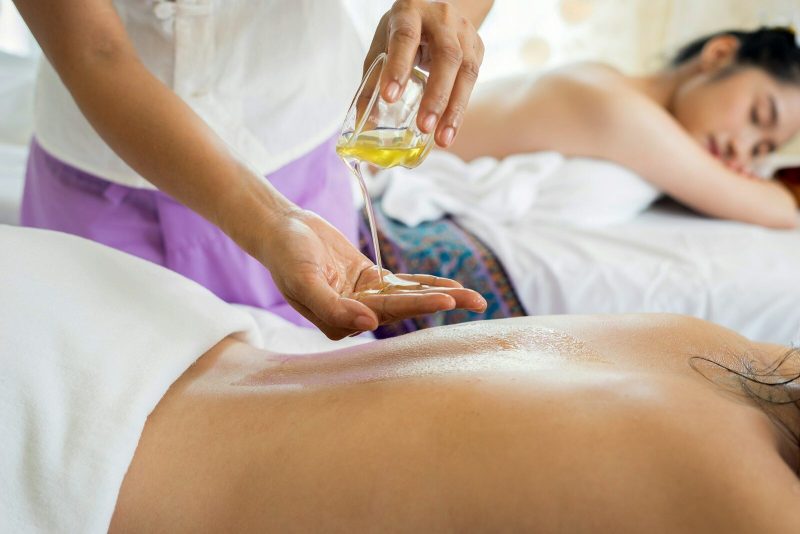
- Perform a simple self-massage with a warming oil. Using a small amount of sesame oil (traditionally used in Ayurveda and TCM for its warming, nourishing properties), gently massage your lower abdomen (the area below your navel, known as the Dantian) in slow, clockwise circles for 2-3 minutes. Then, massage the soles of your feet again, focusing on the Kidney 1 point. This tactile, nurturing act reinforces the grounding process.
- Practice 4-7-8 Breathing in bed. Once you’re lying down, inhale quietly through your nose for a count of 4. Hold your breath for a count of 7. Exhale completely through your mouth, making a whooshing sound, for a count of 8. Repeat this cycle 4 times. This technique, popularized by Dr. Andrew Weil, is based on pranayama and helps activate the parasympathetic nervous system powerfully.
Putting It All Together: Your Winter Night Ritual Checklist
Here is a summary table to guide you through the ritual. Consistency is more important than perfection. Even doing parts of this ritual will yield benefits.
| Time | Phase & Goal | Key Actions | TCM Principle |
|---|---|---|---|
| 7:00 – 9:00 PM | Winding Down Harmonizing the Shen (Spirit) |
Digital Sunset. Drink Jujube Seed & Longan Tea. |
Calm the Pericardium & Heart meridians to prepare the Shen for rest. |
| 9:00 – 10:00 PM | Grounding Practice Nourishing Yin Essence |
15-min Foot Soak with Epsom salt & lavender. Acupressure on Kidney 1 & Heart 7. |
Draw yang qi downward, anchor it with yin. Directly calm the spirit. |
| 10:00 – 10:30 PM | The Descent Preparing the Vessel |
Cool & darken bedroom. Self-massage lower abdomen & feet with sesame oil. 4-7-8 Breathing in bed. |
Create an environment that supports yang storage. Use breath to shift into parasympathetic dominance. |
“Sleep is the golden chain that ties health and our bodies together.”
— Thomas Dekker (Elizabethan dramatist)
This quote, though from the West, beautifully echoes the TCM view. Sleep isn’t a passive state; it’s an active, essential process of weaving together the fabric of our health. In winter, that weaving is most potent.
Beyond the Ritual: Supporting Winter Sleep with Daily Habits
The night ritual is the cornerstone, but its effectiveness is amplified by daytime choices. Consider these winter-specific adjustments:
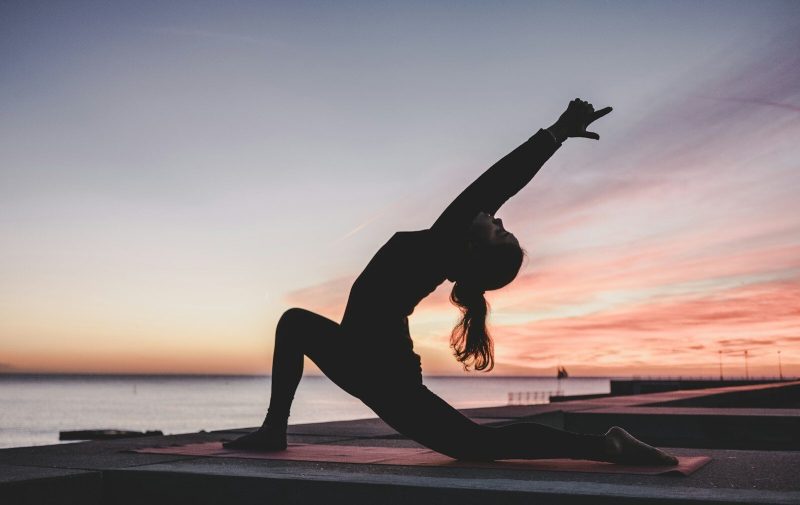
- Movement: Favor gentle, internal practices like Tai Chi, Qigong, or gentle yoga over intense, sweat-dripping workouts that can further deplete yang qi in the cold. A 2018 meta-analysis in Complementary Therapies in Medicine found that Tai Chi practice was associated with significant improvements in sleep quality (Wang et al., 2018).
- Diet: Eat warming, nourishing foods that support the Kidneys. Think black sesame seeds, walnuts, bone broth, lamb stew, kidney beans, and dark leafy greens like kale. Avoid large, heavy meals late at night. A small, easily digestible dinner by 7 PM is ideal.
- Light Exposure: Get outside for at least 20-30 minutes during daylight hours, especially in the morning. Natural light exposure helps regulate your circadian rhythm, making it easier to fall asleep at night.
Recommended Products for Your Winter Sleep Sanctuary
- Organic Dried Jujube Seeds (Suan Zao Ren): Look for whole, unprocessed seeds from a reputable TCM supplier. They should be dark brown and slightly wrinkled.
- High-Quality Epsom Salt (Magnesium Sulfate): USP-grade for purity. Often available in bulk at pharmacies or health food stores.
- Ceramic Foot Soak Basin: A deep basin that allows water to cover the ankles. Ceramic retains heat better than plastic.
Common Questions About Winter Sleep Rituals
Is it really necessary to go to bed so early in winter?
According to classical TCM principles, yes. The Huangdi Neijing specifically advises going to bed early and rising late in winter. The exact time is flexible and depends on your local sunset, but aiming to be in bed by 10:30 PM aligns with the natural decline in light and the body’s preparation for the deepest sleep cycles, which typically occur before midnight. It’s about working with your biology, not against it.
Can I substitute the foot soak with a hot bath?
A hot bath can be relaxing, but it has a different effect. A full-body hot bath can be too stimulating for some people before bed, potentially raising core body temperature too much, which can then lead to a drop that might wake you up later. The foot soak is more targeted. It effectively draws circulation to the extremities (a key TCM goal for sleep) without overheating the entire body. If you prefer a bath, keep it warm (not hot) and finish at least 90 minutes before bedtime to allow your body temperature to regulate.
What if I can’t fall asleep after doing the ritual?
The goal of the ritual is to create the conditions for sleep, not to force it. If you’re still awake after 20-30 minutes, don’t lie there frustrated. Get up, go to a dimly lit room, and do something calming and boring—read a dull book (not on a screen), listen to soft instrumental music, or practice gentle stretching. Avoid turning on bright lights or engaging with stimulating content. Return to bed only when you feel sleepy. The ritual trains your body over time; consistency is what rewires the sleep response.
The bottom line: Winter’s quiet strength lies in its invitation to go inward and restore. By implementing this simple three-part night ritual—winding down to calm the spirit, grounding through warmth and touch to nourish yin, and preparing your environment for deep rest—you align yourself with the season’s deepest wisdom. This isn’t about adding more to your to-do list; it’s about creating a sacred pause that honors your body’s need for conservation and repair. Start tonight, even with just one step, and feel the difference that honoring winter’s rhythm can make.
About the Author
Yu Xi Zhang grew up in a Chinese household where traditional wellness practices were part of daily life. With over 15 years of study under licensed TCM practitioners in Beijing and Chengdu, and a certification in TCM nutrition from the Beijing University of Chinese Medicine, she bridges Eastern wisdom with Western wellness in practical, actionable ways. Her writing draws from classical texts like the Huangdi Neijing and modern research to help readers live healthier, more balanced lives.
This article is for educational purposes and reflects traditional wellness perspectives. It is not a substitute for professional medical advice, diagnosis, or treatment.