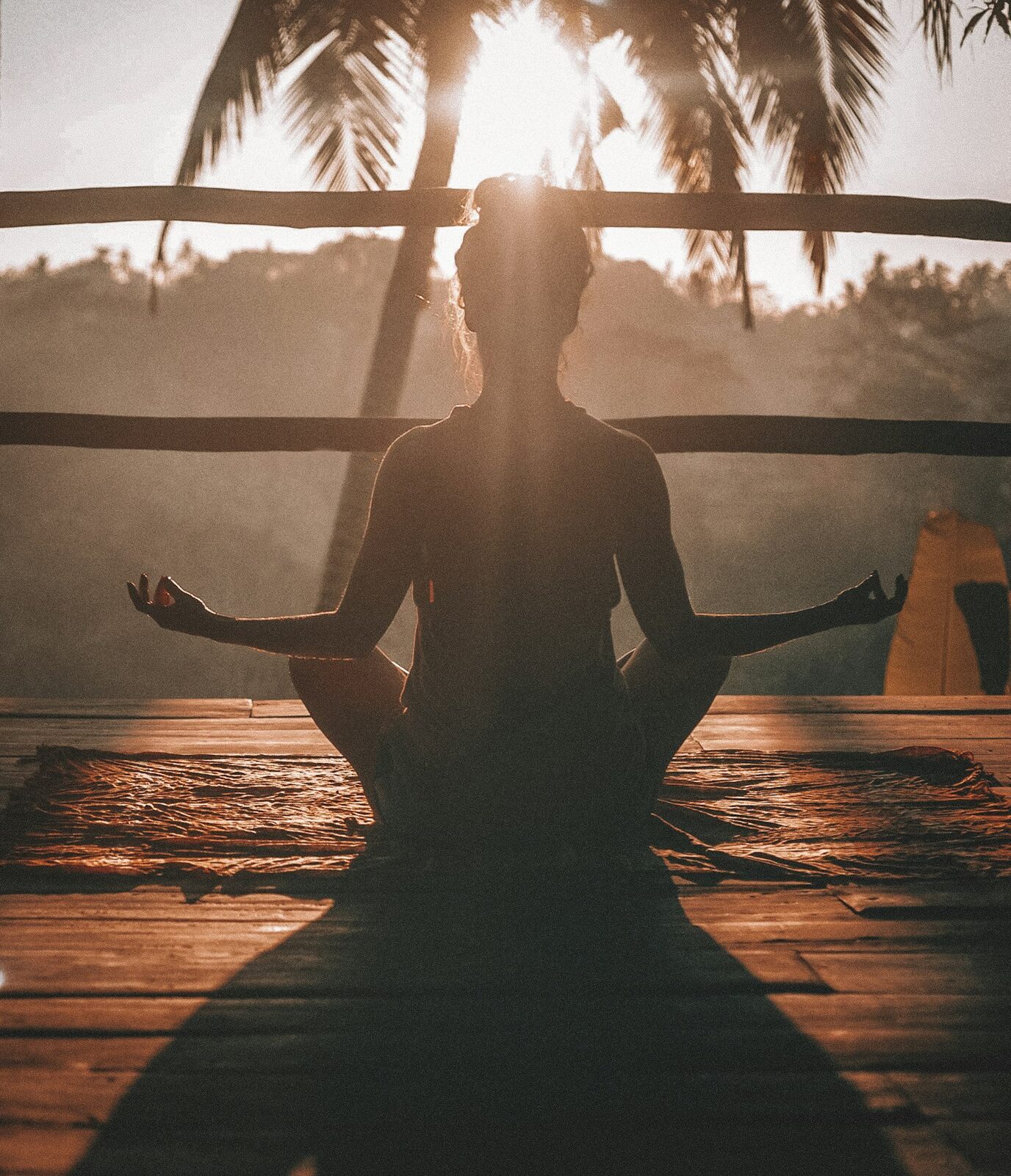
The long, golden evenings of summer are a gift. The sun lingers, the air hums with life, and our schedules often shift to embrace the warmth. Yet, this beautiful season can bring a unique challenge to our sleep. The extended daylight, social gatherings, and the sheer energy of it all can leave our minds buzzing long after we’ve turned off the lights. If you’ve ever found yourself staring at the ceiling on a warm summer night, your thoughts still dancing from the day’s excitement, you know exactly what I mean. The key isn’t to fight the season’s energy, but to create a gentle, consistent bridge from that vibrant evening to a state of deep, restorative rest. This bridge is what we call a summer evening ritual—a simple, five-minute practice designed to signal to your entire being that the day is done, and it is safe to let go.
Why a Summer Evening Ritual is Non-Negotiable
In many traditional Eastern wellness systems, including aspects of Traditional Chinese Medicine (TCM), living in harmony with the seasons is a cornerstone of health. Summer is associated with the Fire element, full of Yang energy—outward, active, and expansive. While this fuels our social lives and adventures, it can easily become excessive, leading to restlessness and a mind that feels “overheated.” An evening ritual is not about adding another task to your list; it’s about consciously cooling down this internal fire. It acts as a physiological and psychological cue. Physiologically, a consistent routine helps regulate your circadian rhythm, which can be disrupted by the changing light patterns of summer. Psychologically, it creates a container for the day, allowing you to process and release any lingering stress or excitement, preventing it from following you into bed.
The goal is not to achieve perfect, immediate stillness. The goal is to practice the gentle art of coming home to yourself, one breath at a time.
The Philosophy: Doing Less to Rest More
Before we dive into the steps, let’s set the right intention. In our productivity-driven world, we often think a “ritual” must be elaborate. The wisdom here is the opposite. This practice is rooted in the principle of wu wei (effortless action). It’s about aligning with your body’s natural desire to wind down, not forcing it. The five minutes you dedicate are an act of profound self-respect. It tells your nervous system, “I see you. I acknowledge the day’s efforts. Now, we can rest.” Think of it as smoothing the wrinkles from a silk garment; you are gently preparing your mind and body for the stillness of night.
The 5-Minute Summer Wind-Down: A Step-by-Step Guide
This ritual is designed to be simple, sensory, and adaptable. Perform these steps in a quiet space, perhaps your bedroom or a cozy corner, about 30-60 minutes before you intend to sleep.
Minute 1: The Digital Sunset
The first and most crucial step is to create a clear boundary with the digital world. The blue light from screens suppresses melatonin, the hormone that signals sleep, but the issue is also cognitive. Social media, news, and work emails keep the mind in a state of alert engagement. For this minute, gather all your devices—phone, tablet, laptop—and place them in a designated spot outside your bedroom, or at least across the room, set to Do Not Disturb. As you do this, take three slow, deep breaths. Inhale through your nose, letting your belly expand, and exhale through your mouth with an audible sigh. This simple act is a physical declaration: the day’s demands are now on hold.
Minute 2: Hydrate with Intention
Summer heat can be dehydrating, which disrupts sleep. But chugging water right before bed can lead to disruptive bathroom trips. The solution is a small, warm or room-temperature beverage sipped mindfully. Prepare this in advance. A wonderful choice is a simple “cooling” herbal infusion. In TCM, herbs like chrysanthemum (jú huā) and mint (bò he) are prized for their ability to clear heat and calm the mind.
- Simple Recipe: Steep 4-5 dried chrysanthemum flowers and a few fresh mint leaves in a cup of hot water for 3-5 minutes. Strain and let it cool to a comfortable drinking temperature.
- As you sip, don’t multitask. Just sit and feel the warmth (or coolness) of the cup in your hands. Notice the subtle, floral, and minty flavors. This is a practice in present-moment awareness.
Minute 3: The Temperature Transition
Your core body temperature naturally needs to drop to initiate sleep. A warm summer night can hinder this process. Help your body along with a brief, sensory transition. You have two excellent options:
- Option A (The Warm Shower/Bath): Take a 2-3 minute warm (not hot) shower or bath. The warmth draws blood to the surface of your skin. When you step out into the cooler air, the rapid dissipation of heat from your body causes a pronounced drop in core temperature, a powerful sleep trigger.
- Option B (The Cool Cloth): If a full shower feels like too much, take a soft washcloth, run it under cool water, wring it out, and gently wipe down your neck, wrists, and forehead. Focus on the sensation of coolness calming your pulse points.
 herbal tea, a soft towel, and a journal on a bedside table, embodying a calming summer evening ritual.”/>
Minute 4: Gratitude & Release Journaling
Our minds often race at night, replaying the day’s events or planning for tomorrow. This minute is for giving those thoughts a place to land. Keep a simple notebook by your bed. Do not write a lengthy narrative. Instead, use this prompt structure:
- One thing I appreciated today: It can be small—the taste of a perfect peach, a kind word from a stranger, the feeling of sun on your skin.
- One thing I release: A worry, a frustration, a to-do list item. Write it down as an act of acknowledging it, then mentally (and physically, if it helps) set it aside. You can say to yourself, “I have done what I can for today. I can return to this tomorrow with fresh eyes.”
Minute 5: Breath & Body Scan in Bed
This final minute is performed once you are in bed, lying on your back with your arms comfortably at your sides. Close your eyes and begin a simple breathing pattern: inhale for a count of 4, hold for a count of 4, exhale for a count of 6. The longer exhale is key—it activates the parasympathetic nervous system, your body’s “rest and digest” mode.
After three cycles of this breath, shift your awareness to your body. Start at the crown of your head. On your next inhale, imagine breathing a wave of cool, soothing light into that area. On your exhale, imagine any tension dissolving. Slowly move this awareness down: your forehead, your jaw (a common place to hold stress), your neck and shoulders, your arms and hands, your chest and belly, your hips, your legs, and finally, your feet. You don’t need to “fix” anything; just notice and breathe into each area. By the time you reach your toes, your body will likely feel heavy and deeply relaxed.
Adapting the Ritual: Making It Your Own
The framework above is a template. The most effective ritual is the one you will consistently do. Listen to your own needs. Perhaps the journaling feels like too much mental work; then simply spend that minute doing your breathing exercises. Maybe you live in a very humid climate and a cool cloth is more refreshing than a warm shower. The core principles remain: create a digital boundary, support your body’s temperature shift, calm the mind, and connect with your breath. You can also incorporate gentle, seasonal elements. Diffuse a calming essential oil like lavender or bergamot. Place a vase of fresh summer herbs—like basil or lemon balm—by your bed for their soothing scent. The ritual is your personal canvas.
The Science-Backed Benefits: What Happens When You Commit
Committing to even this brief nightly practice can yield significant benefits over time. Research consistently shows that pre-sleep routines improve sleep quality and reduce the time it takes to fall asleep. Here’s a breakdown of what you’re supporting:
| Component of the Ritual | Primary Benefit | How It Helps You Sleep |
|---|---|---|
| Digital Sunset | Reduces cognitive arousal | Stops the influx of stimulating information and blue light, allowing melatonin production to proceed normally. |
| Warm Beverage | Promotes relaxation & hydration | The warmth and ritual of sipping can lower stress levels. Proper hydration prevents nighttime thirst from disrupting sleep. |
| Temperature Transition | Triggers sleep onset | Actively lowers core body temperature, a key physiological signal for the brain to initiate sleep. |
| Gratitude Journaling | Reduces anxiety & rumination | Shifts focus from worries to positive aspects, and the act of “releasing” tasks can quiet the prefrontal cortex. |
| Breath & Body Scan | Activates parasympathetic nervous system | Slows heart rate, lowers blood pressure, and reduces muscle tension, creating the ideal physical state for sleep. |
Common Questions
What if I don’t have a full five minutes every night?
Consistency is more important than duration. If you only have two minutes, prioritize the Digital Sunset and the breathing exercise. Even these two steps, done every night, create a powerful anchor for your nervous system. The ritual is a tool, not a rigid rule. On busy nights, do a condensed version. On relaxed nights, you might naturally expand it. The point is to maintain the thread of the practice.
I’ve tried journaling before, and it just makes my mind race more. What should I do?
This is a common experience, and it’s why the prompt is so structured. If writing feels activating, switch to a mental practice. As you lie in bed during the last minute, simply think: “Today, I was grateful for [one thing].” Then think: “I am now releasing [one thing].” You can also replace the journaling minute entirely with a guided meditation focused on body relaxation or gratitude. The goal is to gently direct your attention, not to analyze or problem-solve.
Is this ritual only for summer?
The core framework is excellent year-round. However, the specific elements are tailored to summer’s challenges. In winter, you might swap the chrysanthemum tea for a warming ginger or cinnamon infusion, and you might not need the active cooling step. The wisdom is in adapting the ritual to support your body’s needs as the seasons change. Think of it as a living practice that evolves with you and the world around you.
The bottom line: A summer evening ritual is a profound act of self-care that bridges the gap between the season’s vibrant energy and the deep rest your body craves. By dedicating just five mindful minutes to a consistent practice of digital disconnection, sensory grounding, and gentle release, you train your nervous system to transition smoothly into sleep, leading to more restorative nights and more energized, present days.
This article is for educational purposes and reflects traditional wellness perspectives. It is not a substitute for professional medical advice, diagnosis, or treatment.