Most people know cinnamon as a baking spice. In Chinese medicine, it’s a serious warming herb — one of the most important for people who run cold, have weak digestion, or suffer from winter aches. The Chinese name ròuguì (肉桂) literally means “meat cassia,” and its warming, energy-moving properties have been prescribed for over two thousand years. If you tend toward cold hands, low back ache, or sluggish winter digestion, cinnamon might be your most useful kitchen remedy.
Cinnamon in Chinese Medicine: Warm, Moving, Deep
Chinese medicine distinguishes between two forms of cinnamon: cassia bark (the thick bark used medicinally) and cinnamon twig (the branch, used for different purposes). Both are warm and sweet/pungent, but the bark goes deeper — it warms the Kidneys, strengthens the “mingmen fire” (the body’s metabolic pilot light), and moves blood through cold, stagnant areas.
Key actions of cinnamon in Chinese medicine:
- Warms the Kidneys and strengthens yang — for cold limbs, low back ache, frequent urination, low libido
- Dispels cold and moves blood — for pain that worsens in cold weather, cold-type menstrual cramps
- Warms the Spleen and Stomach — for cold-type digestive pain, diarrhea, poor appetite
- Unblocks meridians — cinnamon’s moving quality helps circulation where cold has caused stagnation
 food therapy“/>
Cinnamon vs. Ginger: When to Use Which
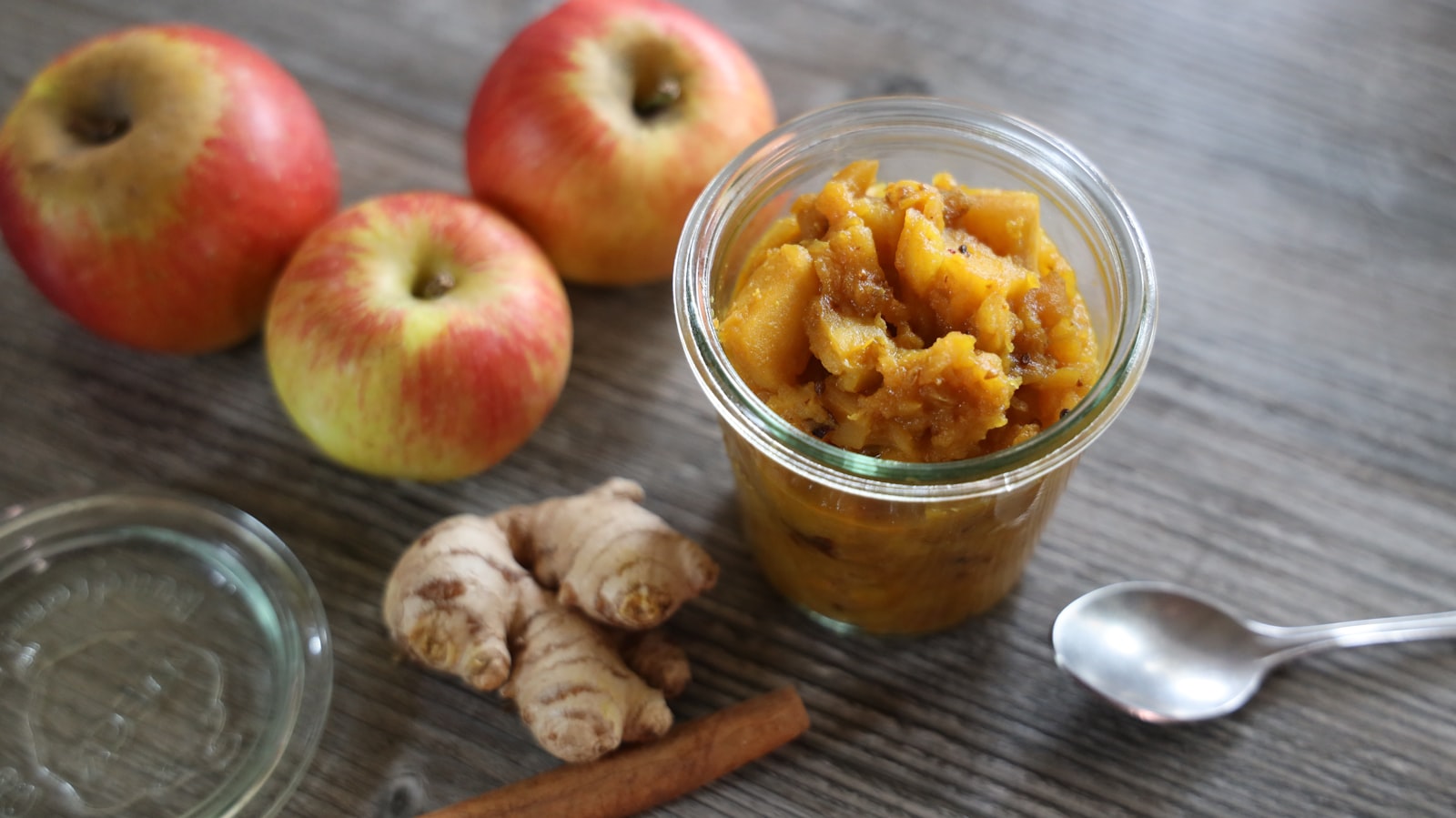
Cinnamon and ginger are the two great warming spices in Chinese food therapy, and they’re often used together. But they have different strengths:
| Quality | Ginger (生姜) | Cinnamon (肉桂) |
|---|---|---|
| Warmth depth | Surface — warms digestion and releases cold from the outside | Deep — warms the Kidneys and core metabolism |
| Best for | Cold onset, nausea, cold hands, daily warming | Chronic cold, low back ache, deep yang deficiency |
| Moving quality | Mild | Strong — moves blood through cold stagnation |
| Daily use | Very common (tea, cooking) | More targeted (a pinch in food, occasional tea) |
| Together? | Yes — combined in many warming formulas for a surface-to-depth warming effect | |
Everyday Ways to Use Cinnamon
1. Cinnamon and Ginger Tea
The classic winter warmer. Simmer 2 slices fresh ginger with a small pinch of cinnamon powder (or half a cinnamon stick) in water for 5–10 minutes. Add brown sugar to taste. This warms both the surface (ginger) and the deep core (cinnamon), making it ideal for cold-type people in winter.
2. A Pinch in Congee or Oatmeal
A small pinch of cinnamon powder stirred into morning congee, oatmeal, or rice porridge adds gentle warmth and supports Spleen yang. This is an easy daily habit for people who tend to run cold or have sluggish morning digestion.
3. Cinnamon in Lamb or Beef Stews
A stick of cinnamon in a slow-cooked winter stew is both culinary and medicinal — it warms the dish, aids digestion of the rich protein, and supports the Kidney yang that winter depletes. This is the original “food as medicine” approach: make the food taste good and heal you at the same time.
4. Cinnamon and Walnut Snack
Walnuts are a classic Kidney-nourishing food. Dusting lightly toasted walnuts with cinnamon powder creates a simple, warming snack that supports Kidney yang — especially good in winter for people with cold lower back and knees.
Cinnamon doesn’t just warm you for an hour. Used regularly, it rebuilds the body’s own pilot light — the deep metabolic warmth that cold-type people are missing.
When Cinnamon Is the Wrong Choice
Cinnamon is warm and moving, which means it’s wrong for people who are already hot:
- Yin-deficient heat types (night sweats, dry mouth, afternoon flush, red tongue) — cinnamon will worsen the heat
- Damp-heat types (acne, oily skin, bitter taste, yellow tongue coating) — warmth and sweetness feed the pattern
- Pregnancy — large amounts of cinnamon are traditionally avoided during pregnancy; culinary amounts are fine
- Active bleeding or fever — cinnamon’s moving quality is counterproductive
Signs Cinnamon May Help You
- Cold hands and feet that don’t warm up easily
- Low back ache or knee weakness that’s worse in cold weather
- Frequent clear urination, especially at night
- Digestion that prefers warm food and is upset by cold drinks
- Pale complexion, low energy, tendency to feel chilled
- Menstrual cramps that feel better with warmth and worse with cold
If several of these resonate, you’re likely what Chinese medicine calls “yang deficient” — and cinnamon is one of your best everyday tools. Start with small amounts (a pinch in food, or a cup of cinnamon-ginger tea a few times a week) and notice how your body responds.
Common Questions
Is the cinnamon in my cupboard the same as Chinese medicine cinnamon?
Most Western supermarket cinnamon is Cassia cinnamon (the same species used in Chinese medicine). “True cinnamon” or Ceylon cinnamon is a milder, different species. For food therapy purposes, regular cassia cinnamon works well. For serious medicinal use, Chinese pharmacies carry thick cassia bark (官桂) with a more potent effect.
Can I take cinnamon every day?
For cold-type people in winter, a small pinch daily is fine and beneficial. For balanced or warm-type people, use it occasionally rather than daily. Very high doses of cassia cinnamon (more than a teaspoon a day) are not recommended long-term due to coumarin content. Culinary amounts are safe.
Does cinnamon really help with blood sugar?
Modern research has shown some blood-sugar-modulating effects from cinnamon, which aligns with its traditional use for supporting digestion. However, it’s a gentle dietary support, not a diabetes treatment. If you have blood sugar concerns, use cinnamon as part of your broader plan and consult your doctor.
The bottom line: Cinnamon is Chinese medicine’s deep warming remedy — it rebuilds the body’s core metabolic warmth, supports Kidney yang, moves cold-stagnant blood, and warms weak digestion. If you tend to run cold, have winter aches, or feel chilled from the inside, add a pinch to your congee, brew it with ginger into tea, or simmer a stick in winter stews. Simple, cheap, and quietly powerful.
This article shares traditional perspectives and personal experience for general interest. It is not professional advice — please use your own judgment and consult a qualified professional when needed.