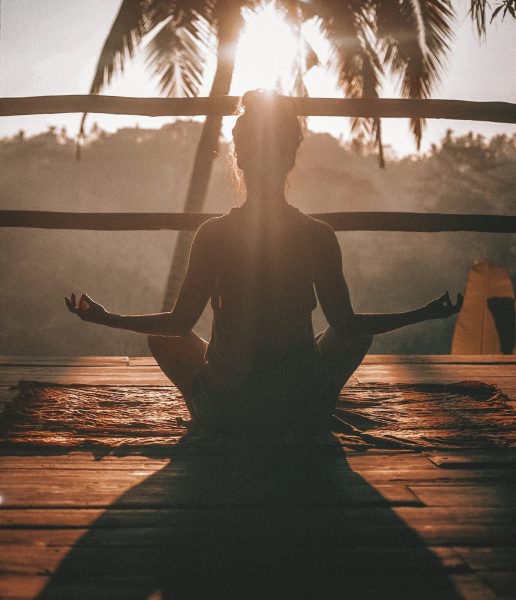
There’s a particular quality to the air in early autumn that I’ve always found both beautiful and a little melancholic. The light turns golden, the mornings carry a crisp edge, and there’s a quiet invitation to begin the process of letting go. In Traditional Chinese Medicine (TCM), this isn’t just a poetic notion—it’s a profound physiological and energetic shift. The autumn season is governed by the Metal element, which oversees the Lungs and Large Intestine, the organs of respiration and elimination. Their shared theme? Release. The Lungs take in the new (oxygen, inspiration) and let go of the old (carbon dioxide, grief). The Large Intestine clears waste. It’s nature’s perfect metaphor for this time of year: a time to exhale, to declutter, to release what no longer serves us.
- The Metal Element: Understanding Autumn's Energetic Blueprint
- The Science of Letting Go: Why Autumn Meditation Works
- Preparing Your Space and Self for the Practice
- The Autumn Letting-Go Breath: A Step-by-Step TCM Meditation
- Nourishing the Metal Element: Supporting Foods and Herbs
- Beyond the Cushion: Integrating Release into Daily Life
The Metal Element: Understanding Autumn’s Energetic Blueprint
In the Five Element theory, Metal (金, Jīn) corresponds to autumn, the color white, the pungent flavor, and the emotion of grief or sadness. Its paired organs are the Lung (Yin organ, known as the “Tender Organ” or “华盖” Huá Gài, the “Canopy”) and the Large Intestine (Yang organ). The Lung is considered the “Chief of Qi” because it governs respiration and the distribution of Wei Qi (defensive energy) throughout the body. When the Metal element is in balance, we experience clarity, righteousness, and a strong connection to our own integrity. We can take in what’s nourishing and easily let go of what’s toxic—physically, emotionally, and mentally.
When it’s out of balance, we might feel stuck in grief, hold onto resentment, experience constipation (literally or metaphorically), or become susceptible to respiratory issues. I remember my TCM teacher in Chengdu, Dr. Li, explaining it simply: “The Lung is like a bellows. If the bellows is stiff and full of old ash, it cannot draw in fresh air to make a strong fire. Your practice is to keep the bellows clean and supple.” This meditation is that practice.
The Science of Letting Go: Why Autumn Meditation Works
This isn’t just ancient philosophy. Modern research is beginning to map the tangible benefits of meditation practices that align with seasonal rhythms. A 2018 study in the journal Frontiers in Human Neuroscience found that mindfulness meditation can significantly reduce activity in the amygdala, the brain’s fear and stress center, while strengthening prefrontal cortex function—associated with emotional regulation and decision-making. This creates a neurological foundation for “letting go” of reactive patterns.
Furthermore, the breath-centric focus of this practice directly supports the Lung organ system. Slow, deep diaphragmatic breathing has been shown to stimulate the vagus nerve, promoting the parasympathetic “rest and digest” response. A 2017 review in Breathe journal concluded that such breathing techniques can reduce anxiety, improve heart rate variability, and enhance lung function. In TCM terms, we are directly nourishing Lung Qi and promoting the smooth flow of energy.
Preparing Your Space and Self for the Practice
Before you begin, set the stage. Autumn’s energy is about clarity and refinement. Find a quiet, clean space. You might light a candle or use a diffuser with a few drops of essential oil traditionally used to support the respiratory system, such as Frankincense (Boswellia carterii) or Cypress (Cupressus sempervirens). Wear comfortable, loose clothing. The best times for this practice are traditionally 3-5 AM (the Lung time on the Chinese Organ Clock) or 5-7 AM (the Large Intestine time), but any quiet moment will work. Aim for 15-20 minutes.
Actionable Pre-Practice Checklist:
- Time: 15-20 minutes, ideally in the morning.
- Space: A clean, quiet corner. Sit on a cushion or chair with feet flat on the floor.
- Support: Optional: Frankincense or Cypress essential oil (2-3 drops in a diffuser).
- Posture: Spine tall, shoulders relaxed, hands resting gently on thighs or in lap.
- Intention: Silently set an intention to release. It could be a specific worry, a habit, or a general sense of heaviness.

The Autumn Letting-Go Breath: A Step-by-Step TCM Meditation
This meditation combines breath awareness, visualization, and a simple mantra drawn from TCM principles. It’s designed to move stagnant Qi, soothe the Lung and Large Intestine channels, and facilitate emotional release.
Phase 1: Grounding and Awareness (3 Minutes)
Close your eyes. Take three normal breaths to settle. Then, bring your awareness to your physical body. Feel the weight of your body on the cushion or chair. Notice the points of contact. Scan from the crown of your head down to the soles of your feet, simply observing without judgment. This connects you to the Earth element, providing a stable foundation for the work of release.
Phase 2: The Cleansing Exhale (7 Minutes)
Now, shift your focus to your breath. Don’t try to change it yet. Just observe the natural rhythm. After a minute, begin to gently lengthen your exhalation. Inhale through your nose for a count of 4, and exhale through your mouth for a count of 6 or 8. As you exhale, imagine you are breathing out through every pore of your body. Visualize the exhale as a soft, grey mist or smoke, carrying away tension, stale energy, and anything you’ve identified as “no longer serving you.” With each exhale, silently repeat the mantra: “I release.”
The Huangdi Neijing (Yellow Emperor’s Classic of Internal Medicine) states: “The Lung is the master of Qi. It governs respiration and the skin and hair.” This practice directly honors that teaching by using the breath and the body’s largest organ—the skin—as a pathway for release.
Phase 3: The Receiving Inhale (5 Minutes)
After several cycles of the cleansing exhale, let your breath return to a natural rhythm. Now, focus on the inhale. As you breathe in through your nose, imagine drawing in cool, clear, silver-white light—the energy of autumn’s clarity. Feel this light enter your nostrils, fill your lungs, and spread throughout your entire body, nourishing every cell. With each inhale, silently repeat: “I receive.” This balances the release with receptivity, preventing the practice from becoming draining.
Phase 4: Integration and Stillness (5 Minutes)
Let go of the controlled breathing and the mantras. Simply sit in the stillness you’ve created. Notice the quality of your mind and body. Is there more space? More quiet? Rest here, observing the natural flow of breath, feeling the subtle energy in your palms and the center of your chest (the area of the Lung’s associated point, Shanzhong or CV-17). When you’re ready, gently wiggle your fingers and toes, and open your eyes.
Nourishing the Metal Element: Supporting Foods and Herbs
Meditation is one pillar. What you eat is another. To support your Lung and Large Intestine during autumn, TCM recommends foods that are white in color and have a mildly pungent, moistening, or astringent quality. Here is a practical guide:
| Food | TCM Properties | Simple Preparation for Autumn |
|---|---|---|
| Pear (Pyrus) | Sweet, cool. Moistens Lungs, clears heat. | Poach 1 pear with 5g dried Yu Zhu (Solomon’s Seal) and a few goji berries for 20 mins. Eat warm. |
| White Radish (Daikon) | Sweet, acrid, cool. Descends Qi, resolves phlegm. | Shred and add to miso soup or simmer in a bone broth with ginger for a nourishing stew. |
| Lily Bulb (Bai He) | Sweet, slightly cool. Moistens Lungs, calms the spirit. | Add 15g dried lily bulb to congee or a sweet soup with rock sugar and snow fungus. |
| Almonds (Sweet) | Sweet, neutral. Moistens Lungs, benefits Qi. | Soak 10 almonds overnight, peel, and blend with warm rice milk for a simple Lung-nourishing drink. |
| Honey (Raw) | Sweet, neutral. Moistens dryness, harmonizes. | Stir 1 tsp into warm (not hot) water with a squeeze of lemon in the morning. |
A Cultural Note: My grandmother would always make a simple pear soup at the first sign of autumn’s dryness. She’d say, “Don’t wait for the cough to start. Feed the Lung before it complains.” This proactive, food-as-medicine approach is at the heart of TCM nutrition.
Beyond the Cushion: Integrating Release into Daily Life
The meditation is a concentrated practice. To truly embrace autumn’s letting-go energy, carry its essence into your day.
- Breath Breaks: Set a reminder for mid-morning and mid-afternoon. Take 3 deep “letting-go breaths” (long exhale). This can reset your nervous system in 60 seconds.
- Physical Declutter: Metal energy loves order. Spend 10 minutes each weekend clearing one drawer, one shelf, or your email inbox. The physical act of letting go reinforces the mental one.
- Journaling Prompt: At the end of the day, write down one thing you’re ready to release—a thought, a commitment, an old story. Then, symbolically cross it out or tear up the paper.
- Gentle Movement: Practice Tai Chi’s “Cloud Hands” or simple shoulder rolls to keep Qi flowing in the Lung and Large Intestine channels, which run through the arms and shoulders.
Common Questions
I feel more emotional or sad after this meditation. Is that normal?
Absolutely. In TCM, the Lung is the seat of grief and sadness. This meditation can gently surface emotions that have been held in the body. This is a healthy part of the release process. Allow the feelings to be present without judgment. If it feels overwhelming, shorten the practice or focus more on the grounding and receiving phases. Sometimes, a good cry is the most powerful letting-go breath of all.
How often should I do this practice?
For the full 20-minute meditation, 3-4 times per week during the autumn season (roughly September through November in the Northern Hemisphere) is excellent. The 1-minute “breath breaks” can be done daily. Consistency is more important than duration. As the Huangdi Neijing advises, aligning with the seasons is a key to long-term health.
Can I do this meditation if I have asthma or respiratory issues?
Yes, but with modifications. Focus on gentle, natural breathing without forcing the exhale length. The visualization and mantra are equally powerful. Always listen to your body and never strain. Some research, like a 2019 review in The Journal of Alternative and Complementary Medicine, suggests that certain breathing exercises may benefit respiratory function, but it is essential to consult with your healthcare provider before starting any new practice if you have a medical condition.
The bottom line: Autumn’s invitation to let go is a powerful, physiologically grounded process in TCM. By combining the “Letting-Go Breath” meditation with Metal-element nourishing foods and mindful daily habits, you align yourself with nature’s rhythm. This practice may help you cultivate clarity, release emotional and physical stagnation, and build resilience for the colder months ahead. It’s a simple, profound way to honor the season and your own well-being.
About the Author
Yu Xi Zhang grew up in a Chinese household where traditional wellness practices were part of daily life. With over 15 years of study under licensed TCM practitioners in Beijing and Chengdu, and a certification in TCM nutrition from the Beijing University of Chinese Medicine, she bridges Eastern wisdom with Western wellness in practical, actionable ways. Her writing draws from classical texts like the Huangdi Neijing and modern research to help readers live healthier, more balanced lives.
This article is for educational purposes and reflects traditional wellness perspectives. It is not a substitute for professional medical advice, diagnosis, or treatment.