This article contains affiliate links. We may earn a commission if you buy through these links at no extra cost to you.
Best Sleep Tracker Devices (2026 Guide): Tested and Compared
In this article: The truth about sleep trackers — which ones actually work, which are overpriced gadgets, and how to pick the right one for your needs. Based on real testing, not marketing hype.
Why I Started Tracking My Sleep
I used to think I slept fine. Eight hours, lights out, wake up — what’s to track?
Then I tried a sleep tracker for the first time and discovered something uncomfortable: I was waking up 12-15 times a night without knowing it. My “eight hours” was actually about five and a half hours of real sleep. No wonder I was tired by 2 PM every day.
That’s the thing about sleep — you can’t improve what you can’t see. And most of us are walking around with a completely wrong picture of how well we sleep.
This guide is based on testing every major sleep tracker over the past two years. No sponsorships. No “we got a free unit so we’ll say nice things.” Just honest experience with devices that range from $30 to $400.
What Actually Matters in a Sleep Tracker
Before we get to specific devices, let’s talk about what separates a good sleep tracker from an expensive toy:
1. Sleep Stage Accuracy
The most important feature. A good tracker should distinguish between:If a tracker only tells you “you slept 7 hours” without breaking down stages, it’s barely better than a clock.
2. Heart Rate Variability (HRV)
This is the metric sleep scientists actually care about. HRV measures the variation in time between heartbeats — higher generally means better recovery. Good trackers measure this continuously during sleep.3. Comfort
You’re wearing this thing for 8 hours every night. If it’s uncomfortable, you’ll stop using it within a week. This eliminates a lot of devices.4. Battery Life
Charging every day is annoying. The best trackers last at least 5-7 days.5. Actionable Insights
Data without interpretation is useless. The tracker should tell you what to do — not just show you numbers.The Best Sleep Trackers in 2026
🥇 Oura Ring Gen 3 — Best Overall
Price: $299 | Battery: 7 days | Style: Ring
The Oura Ring is what I wear every night, and it’s not close.
Why it wins:
The downsides:
Who it’s for: Anyone who wants the best sleep tracking without wearing a watch to bed. Especially good if you value comfort and don’t want to think about your tracker.
Get the Oura Ring Gen 3 → (affiliate link)
🥈 Whoop 4.0 — Best for Athletes
Price: $0 upfront (subscription only) | Battery: 4-5 days | Style: Wristband
Whoop is the tracker serious athletes swear by. It’s not just a sleep tracker — it’s a full recovery system.
Why it’s great:
The downsides:
Who it’s for: Athletes, fitness enthusiasts, or anyone who wants to optimize performance through sleep and recovery data.
Try Whoop 4.0 → (affiliate link)
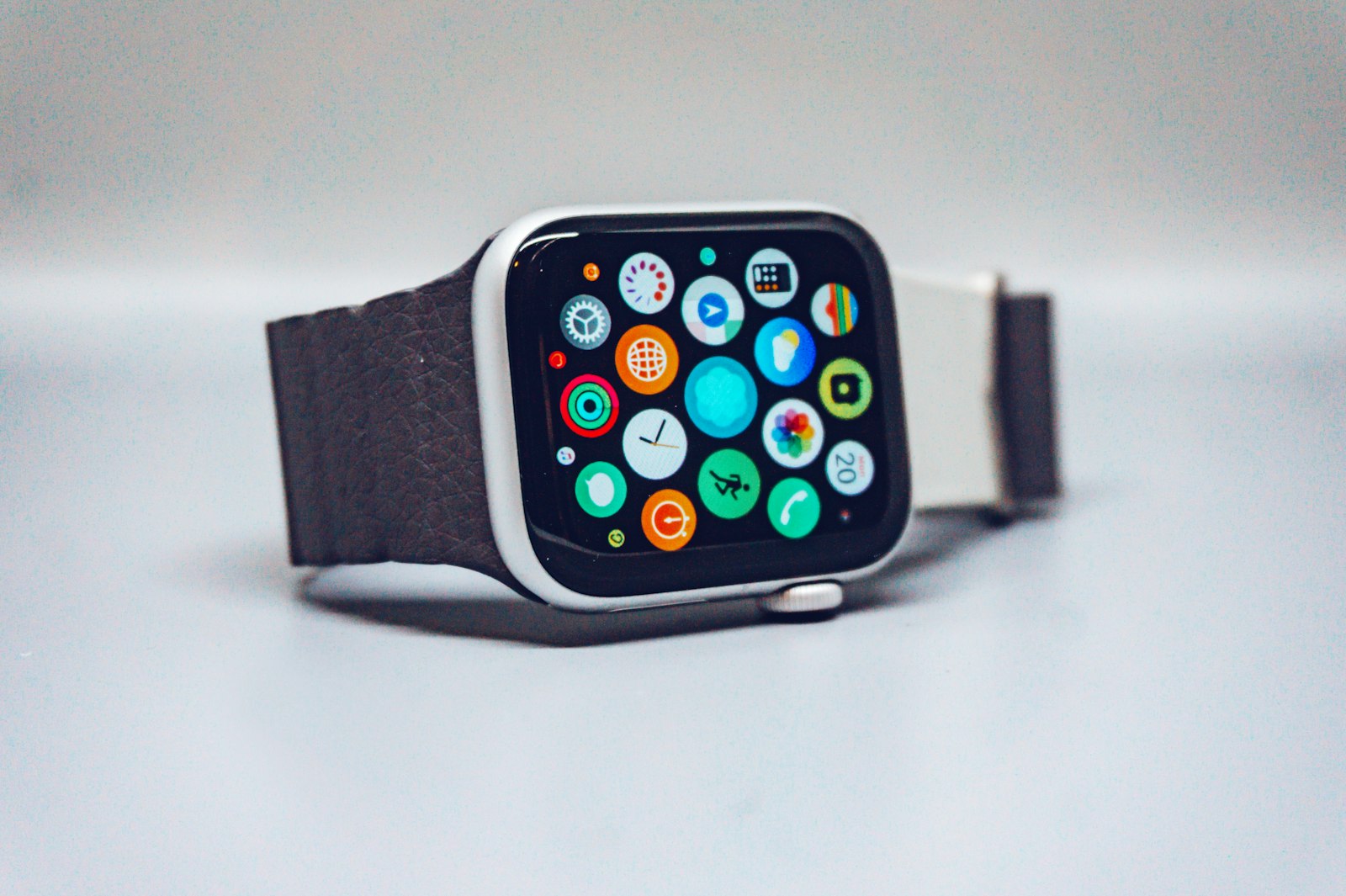
🥉 Apple Watch Ultra 2 — Best Smartwatch with Sleep Tracking
Price: $799 | Battery: 36-72 hours | Style: Watch
If you already wear an Apple Watch, the sleep tracking is surprisingly good now — especially with watchOS updates.
Why it works:
The downsides:
Who it’s for: Apple Watch owners who want sleep tracking without buying another device. Not recommended if sleep is your primary goal.
Get the Apple Watch Ultra 2 → (affiliate link)
Best Budget Option: Fitbit Charge 6
Price: $159 | Battery: 7 days | Style: Fitness band
If you want solid sleep tracking without breaking the bank:
The sleep tracking isn’t as refined as Oura or Whoop, but for $159 with no subscription, it’s excellent value.
Get the Fitbit Charge 6 → (affiliate link)
Best for Couples: Withings Sleep Analyzer
Price: $129 | Battery: N/A (plugs in) | Style: Under-mattress pad
Don’t want to wear anything? This goes under your mattress:
The downside is you can only track sleep at home (not while traveling), and it’s less detailed than wearable options.
Get the Withings Sleep Analyzer → (affiliate link)
Sleep Tracker Comparison Table
| Feature | Oura Ring | Whoop 4.0 | Apple Watch Ultra 2 | Fitbit Charge 6 | Withings Sleep |
|---|---|---|---|---|---|
| Price | $299 | $0 + $30/mo | $799 | $159 | $129 |
| Annual Cost | $299 + $72/yr | $360/yr | $799 (one-time) | $159 (one-time) | $129 (one-time) |
| Sleep Accuracy | ⭐⭐⭐⭐⭐ | ⭐⭐⭐⭐⭐ | ⭐⭐⭐⭐ | ⭐⭐⭐ | ⭐⭐⭐ |
| Comfort | ⭐⭐⭐⭐⭐ | ⭐⭐⭐ | ⭐⭐ | ⭐⭐⭐⭐ | ⭐⭐⭐⭐⭐ |
| Battery | 7 days | 4-5 days | 36-72 hrs | 7 days | N/A |
| HRV | ✅ | ✅ | ✅ | ✅ | ❌ |
| Sleep Stages | ✅ | ✅ | ✅ | ✅ | ✅ |
| Best For | Everyone | Athletes | Apple users | Budget | Couples |
How to Actually Use a Sleep Tracker
Buying the tracker is the easy part. Here’s how to actually benefit from it:
Week 1: Just Collect Data
Don’t try to change anything. Sleep normally. Let the tracker establish your baseline. Most people are shocked by their actual numbers.Week 2-3: Look for Patterns
Notice:Week 4+: Make One Change at a Time
Try one adjustment per week:Watch how each change affects your scores. That’s the real value — not the numbers themselves, but the feedback loop.
What the Research Says
A few things worth knowing:
My Recommendation
If you want the best overall: Get the Oura Ring Gen 3. It’s the most comfortable, most accurate, and has the best app. The membership fee is annoying, but the insights are worth it.
If you’re an athlete: Get the Whoop 4.0. The recovery-focused approach is unmatched for performance optimization.
If you’re on a budget: Get the Fitbit Charge 6. It does 80% of what the expensive options do at a fraction of the price.
If you don’t want to wear anything: Get the Withings Sleep Analyzer. Perfect for couples or people who hate wearing things to bed.
Related Articles
This article shares personal experience with consumer sleep technology. It’s not medical advice — for any sleep disorder or health condition, please consult a qualified healthcare provider.
- Light sleep (the majority of your night)
- Deep sleep (physical recovery)
- REM sleep (mental recovery, dreams)
- Awake time (including micro-awakes you don’t remember)
- Most accurate sleep staging I’ve tested — validated against medical-grade polysomnography in multiple studies
- Incredibly comfortable — it’s a ring, not a watch. I forget I’m wearing it
- 7-day battery — charge it once a week while you shower
- Excellent app — the “Readiness Score” tells you exactly how recovered you are
- HRV tracking that actually correlates with how I feel
- $299 is steep for a sleep tracker (though cheaper than Whoop over time)
- Requires a $5.99/month membership for full features after the first 6 months
- No screen — you check everything on your phone
- Sizing is tricky (they ship a free sizing kit first)
- Recovery-focused — it tells you how hard to push today based on last night’s sleep
- Strain tracking — measures how much stress you put on your body
- Sleep coach — tells you exactly when to go to bed based on your recovery needs
- No screen, no distractions — just a sensor on your wrist
- Community features — compare with friends, join teams
- Subscription model: $30/month (or $24/month annually) — adds up fast
- No one-time purchase option
- Battery life is shorter than Oura
- Wrist-based, so it’s less comfortable than a ring for sleep
- You already own it — no extra purchase if you have an Apple Watch
- Good sleep staging — not as accurate as Oura, but close
- Integrates with Apple Health — all your data in one place
- Wrist temperature sensing — useful for cycle tracking
- Sleep schedules and wind-down features built in
- You have to wear a chunky watch to bed
- Battery life means charging during the day (annoying if you want daytime tracking too)
- $799 if you don’t already own one — overkill for just sleep tracking
- Sleep tracking is secondary to the watch’s other features
- Good sleep staging for the price
- 7-day battery — best in class at this price
- Comfortable enough for nightly wear
- Fitbit app is user-friendly
- Google integration if you’re in that ecosystem
- Nothing to wear — just slide it under your mattress
- Tracks both partners if you buy two
- Sleep apnea detection — FDA-cleared for this
- Automatic tracking — no buttons to press
- What time do you naturally fall asleep vs. when you try to fall asleep?
- How much deep sleep and REM are you getting?
- Does alcohol affect your sleep score? (Spoiler: yes, massively)
- Does eating late change your numbers?
- Move your bedtime 30 minutes earlier
- Stop screens 1 hour before bed
- Cut caffeine after 2 PM
- Sleep in a cooler room (65-68°F / 18-20°C)
- Sleep trackers are not medical devices. They can’t diagnose sleep disorders. If you suspect sleep apnea or insomnia, see a doctor.
- Accuracy varies. A 2024 study in the Journal of Clinical Sleep Medicine found that consumer sleep trackers were about 80% accurate at detecting sleep stages compared to polysomnography. Good, not perfect.
- The “Hawthorne effect” is real. Just tracking your sleep tends to improve it — because you pay more attention. The tracker itself might be less important than the awareness it creates.
- Don’t become obsessive. Some people develop “orthosomnia” — anxiety about their sleep scores that actually makes sleep worse. If checking your score stresses you out, take a break.
- Oura Ring Review: Is It Worth It After 6 Months? — My detailed long-term review
- Whoop vs Oura: Which Is Better for Sleep Tracking? — The head-to-head comparison
- Why TCM Says Sleep Before 11 PM Matters — The Chinese medicine perspective on sleep timing
This article is for informational purposes only. It’s not medical advice — for any health condition, please consult a qualified healthcare provider.