This article contains affiliate links. We may earn a commission if you buy through these links at no extra cost to you.
- Whoop vs Oura: Which Is Better for Sleep Tracking?
- The Battle of Recovery Trackers
- Quick Overview
- Sleep Tracking: Head to Head
- Beyond Sleep: Where Whoop Shines
- The Price Problem
- Ecosystem and App Quality
- Who Should Get the Oura Ring?
- Who Should Get Whoop?
- Can You Use Both?
- My Personal Choice
- The Bottom Line
- Related Articles
Whoop vs Oura: Which Is Better for Sleep Tracking?
In this article: A detailed comparison of the two most popular recovery-focused trackers — based on wearing both for months. No brand loyalty, just honest data.
The Battle of Recovery Trackers
If you’re serious about sleep and recovery, two names keep coming up: Oura Ring and Whoop. Both promise to tell you how well you recovered, how hard you should push today, and what’s happening while you sleep.
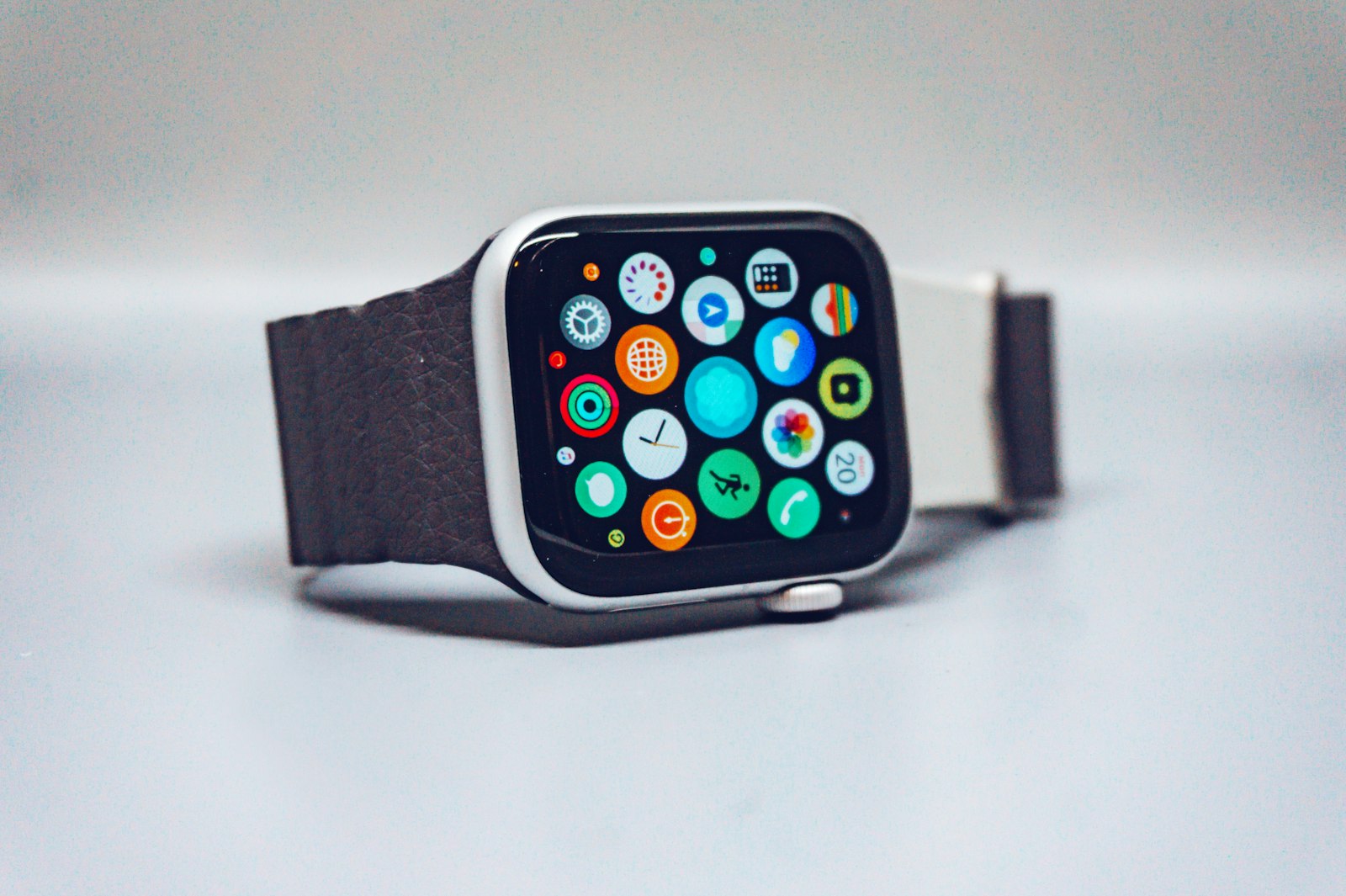
But they’re designed for different people, with different philosophies, at very different price points.
I’ve worn both for months. Here’s what I’ve learned — and which one I’d recommend depending on who you are.
Quick Overview
| Feature | Oura Ring Gen 3 | Whoop 4.0 |
|---|---|---|
| Form factor | Ring | Wristband |
| Price model | $299 + $6/mo subscription | $0 upfront + $30/mo subscription |
| Annual cost | ~$370/year (first year) | $360/year |
| Battery life | 7 days | 4-5 days |
| Screen | None | None |
| Primary focus | Sleep + readiness | Recovery + strain |
| Best for | General wellness, sleep optimization | Athletes, performance optimization |
Sleep Tracking: Head to Head
This is what you’re here for, so let’s compare the sleep tracking directly.
Sleep Staging Accuracy
Both devices track light sleep, deep sleep, REM, and awake time. In my testing:
Winner: Oura Ring (by a small margin)
Sleep Score and Insights
Both are excellent. Oura’s explanations are slightly more beginner-friendly. Whoop’s strain recommendation is more actionable for athletes.
Winner: Tie (depends on your goals)
HRV Tracking
Both track HRV continuously during sleep, which is the gold standard for recovery assessment.
Winner: Oura Ring (cleaner data, but both are useful)
Comfort for Sleep
This matters a lot — you’re wearing this thing every night.
Winner: Oura Ring (clearly)
Beyond Sleep: Where Whoop Shines
Here’s where the comparison gets interesting. Sleep tracking is just one part of what these devices do.
Strain and Activity Tracking
If you’re training for something — a marathon, a competition, a fitness goal — Whoop’s strain tracking is invaluable. It connects your sleep recovery to your daily performance in a way Oura doesn’t try to.
Winner: Whoop (for athletes)
Sleep Coach
Winner: Whoop (more personalized)
The Price Problem
This is where most people make their decision, so let’s break it down honestly.
Oura Ring Cost (Year 1)
Whoop Cost (Year 1)
The Math Over Time
| Timeframe | Oura Ring | Whoop |
|---|---|---|
| Year 1 | $371 | $360 |
| Year 2 | $443 | $720 |
| Year 3 | $515 | $1,080 |
| Year 4 | $587 | $1,440 |
Winner: Oura Ring (long-term)
Ecosystem and App Quality
Oura App
Whoop App
Both apps are excellent. Oura is more polished and beginner-friendly. Whoop has more depth for data nerds.
Winner: Tie
Who Should Get the Oura Ring?
The Oura Ring is the better choice if:
✅ Sleep is your primary concern. The accuracy and comfort are unmatched. ✅ You want a “set it and forget it” device. Wear it, check your score, make small adjustments. ✅ You value comfort above all. It’s a ring. You’ll forget it’s there. ✅ You’re budget-conscious long-term. After year 1, it’s much cheaper. ✅ You’re not a serious athlete. You want wellness insights, not performance optimization. ✅ You already have a fitness watch. Oura complements a Garmin or Apple Watch perfectly.
Get the Oura Ring Gen 3 → (affiliate link)
Who Should Get Whoop?
Whoop is the better choice if:
✅ You’re a serious athlete. The strain tracking and recovery recommendations are built for performance. ✅ You want a coach, not just data. Whoop tells you exactly how hard to train and how much to sleep. ✅ You like community features. Teams, challenges, leaderboards keep you motivated. ✅ You don’t want to pay upfront. The $0 down + subscription model works for some budgets. ✅ You train hard and need to avoid overtraining. This is Whoop’s sweet spot.
Try Whoop 4.0 → (affiliate link)
Can You Use Both?
Some people do — and it’s not crazy. Oura on the finger for sleep, Whoop on the wrist for training. The data complements each other.
But for most people, that’s overkill and expensive. Pick one based on your primary goal:
My Personal Choice
I wear the Oura Ring daily. Here’s why:
But if I were a CrossFit athlete or training for an ultramarathon, I’d probably choose Whoop. The performance optimization features are genuinely better for that use case.
The Bottom Line
Oura Ring = Best sleep tracker. Period. Most comfortable, most accurate, best long-term value.
Whoop = Best recovery system for athletes. Strain tracking and sleep coaching are unmatched for performance optimization.
They’re both excellent devices. The right choice depends on whether your priority is sleep or performance.
For most people reading this — people who want to sleep better, not necessarily train harder — the Oura Ring is the better investment.
Related Articles
This comparison is based on personal testing over several months. No free products were received from either brand. This article contains affiliate links.
- Oura Ring: Slightly more accurate at detecting sleep stages. Infrared sensors on the finger get cleaner readings than wrist-based sensors.
- Whoop: Very close behind. The 4.0 improved significantly over the 3.0. Differences are usually 5-10 minutes per stage.
- Oura Ring: Gives a 0-100 Sleep Score plus a Readiness Score. The app explains why your score was low and suggests specific improvements.
- Whoop: Uses a Recovery score (0-100%) based on HRV, resting heart rate, respiratory rate, and sleep performance. Also tells you how much “strain” you can handle today.
- Oura Ring: Measures HRV from the finger, which is actually closer to clinical-grade measurement than the wrist.
- Whoop: Measures from the wrist. Slightly noisier data, but trends match Oura’s closely.
- Oura Ring: It’s a ring. After a week, you forget it’s there. I’ve never had a night where I thought “I should take this off.”
- Whoop: A wristband. It’s comfortable enough, but I’m always aware of it. Some nights I switch it to the bicep band (sold separately), which is better.
- Oura Ring: Tracks activity, gives an Activity Score. But it’s basic — steps, calories, active time. No real workout tracking.
- Whoop: This is where Whoop lives. It calculates a “Strain” score (0-21) based on how much cardiovascular stress you put on your body. It tracks workouts with heart rate zones, calculates calories burned, and tells you exactly how hard to push.
- Oura Ring: Recommends bedtime based on your body’s patterns. Shows you when your optimal sleep window is.
- Whoop: Goes further — it calculates exactly how much sleep you need tonight based on today’s strain and your recovery status. If you had a hard workout, it might say “you need 9 hours tonight instead of your usual 7.”
- Ring: $299
- Subscription: $5.99/month × 12 = $71.88
- Total year 1: ~$371
- Year 2+: ~$72/year
- Device: $0 (included with subscription)
- Subscription: $30/month × 12 = $360
- Total year 1: $360
- Year 2+: $360/year
- Clean, minimal design
- Excellent trend visualization
- Tags system (log alcohol, stress, etc. and see their impact)
- Guided meditations and breathwork
- Integrates with Apple Health, Google Fit
- Data-heavy, designed for performance optimization
- Community features (teams, leaderboards)
- Journal feature (log behaviors and see their impact on recovery)
- Excellent strain/recovery visualization
- Integrates with many fitness platforms
- Primary goal = sleep better → Oura Ring
- Primary goal = train smarter → Whoop
- Best Sleep Tracker Devices (2026 Guide) — Compare all top trackers
- Oura Ring Review: Is It Worth It After 6 Months? — My detailed long-term review
- Circadian Rhythm Reset: A Step-by-Step Guide — Optimize your body clock alongside tracking
- I care most about sleep. I’m not training for a competition. I want to sleep well, recover well, and feel good.
- Comfort matters to me. I tried wearing Whoop to bed for a month and kept taking it off.
- The long-term cost makes sense. I plan to use this for years, not months.
- I have a Garmin for workouts. I don’t need Whoop’s strain tracking because I get that from my running watch.
This article is for informational purposes only. It’s not medical advice — for any health condition, please consult a qualified healthcare provider.