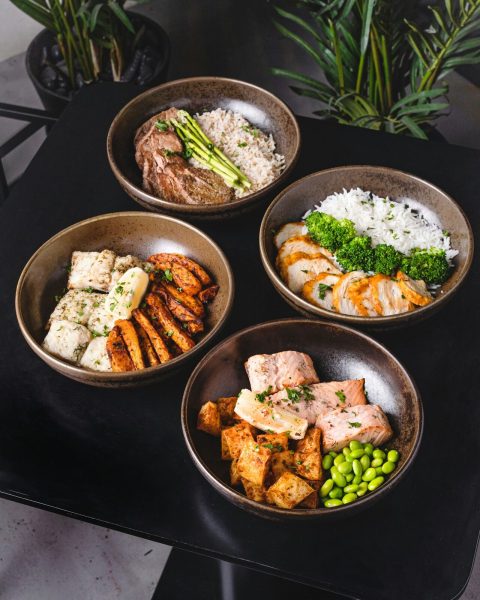
There’s a particular kind of heaviness that settles in during summer. Not the kind that makes you want to nap under a fan (though that happens too), but a sluggish, bloated, “I-just-can’t-seem-to-digest-this” feeling after meals. You’re eating lighter foods—salads, fruits, maybe some grilled fish—yet your stomach feels like it’s wading through molasses. If this sounds familiar, you’re not alone. In Traditional Chinese Medicine (TCM), this is often attributed to what practitioners call “summer spleen,” a pattern where the digestive system—specifically the Spleen and Stomach organs—struggles under the weight of summer’s heat and humidity. It’s a counterintuitive concept for many Westerners: why would the warmest season make digestion harder? The answer lies in understanding how our bodies interact with the environment’s energy, and it’s a wisdom my grandmother lived by every June, July, and August.
The Spleen in TCM: Your Body’s Internal Chef
First, let’s clear up a major point of confusion. When TCM speaks of the “Spleen,” it’s not referring to the anatomical organ you learned about in biology class. In TCM, the Spleen is a functional system responsible for what we’d call digestion, metabolism, and the transformation of food into usable energy (Qi) and Blood. Think of it as your body’s master chef and logistics manager combined. Its job is to “transport and transform” (yun hua) the food and fluids you consume. When the Spleen is strong, you feel energetic, your digestion is smooth, your muscles are firm, and your thoughts are clear. When it’s weak, you experience bloating, fatigue, loose stools, a feeling of heaviness, and even foggy thinking.
The foundational text of Chinese medicine, the Huangdi Neijing (Yellow Emperor’s Inner Canon), compiled over 2,000 years ago, states: “The Spleen and Stomach are the root of the postnatal life” (Pi Wei Zhe, Hou Tian Zhi Ben). This means that after we’re born, our overall vitality and health depend directly on how well we digest and absorb nourishment. My TCM professor in Beijing used to say, “You can eat the most perfect food in the world, but if your Spleen Qi is weak, it’s like pouring premium gasoline into a sputtering engine.” The Spleen has specific preferences: it likes warmth, dryness, regularity, and moderation. It dislikes cold, dampness, irregularity, and excess. This sets the stage for why summer can be so challenging.
Summer’s Double-Edged Sword: Heat and Dampness
In the Five Element theory, summer belongs to the Fire element. While Fire’s warmth is necessary for life, excessive external heat has a direct impact on the Spleen. The heat can “scorch” or weaken Spleen Qi, making it less efficient at its job. But the real culprit, especially in many climates, is dampness (shi). Summer is often the most humid season. In TCM, the Spleen is inherently susceptible to dampness. It’s like a kitchen sponge—it naturally absorbs moisture from its environment. When the air is thick with humidity, the Spleen becomes “damp” itself, leading to that classic feeling of heaviness, bloating, and sticky stools.
I remember a summer spent in Chengdu during my studies. The heat was one thing, but the humidity was another level entirely. My teacher, Dr. Li, would see a surge of patients every July with the same complaints: no appetite, fatigue, and a thick, greasy coating on their tongues. He’d smile and say, “Ah, the summer spleen is here.” He explained that the Spleen’s function of “transforming fluids” gets impaired. Instead of turning fluids into useful Yin and Qi, they congeal into pathological dampness, creating a vicious cycle. Modern research is beginning to explore these connections. A 2021 review in the Journal of Traditional Chinese Medicine discussed how environmental humidity can influence gastrointestinal function and mucosal immunity, providing a potential physiological basis for the TCM concept of “external dampness invading the body” (Wang et al., 2021).

The Counterintuitive Culprit: Cold Foods and Drinks
Here’s where many of us go wrong. When it’s hot, our instinct is to reach for ice-cold drinks, iced coffees, and raw, cold foods like salads and smoothies. We think we’re cooling down, but we’re actually creating an internal winter. The Spleen is a warm organ. It needs a certain temperature to function optimally. Pouring icy fluids into your system is like dumping a bucket of cold water on a campfire—it immediately dampens the digestive flame. The Shennong Bencao Jing (The Divine Farmer’s Classic of Materia Medica), one of the oldest texts on herbal medicine, categorizes foods and herbs by their thermal nature (hot, warm, neutral, cool, cold). For the Spleen, it consistently recommends warming or neutral foods.
A classic TCM saying from the Jin Gui Yao Lue (Essential Prescriptions of the Golden Cabinet) warns: “If the patient’s Spleen and Stomach are already cold, and they consume cold foods, the cold will certainly worsen.” This principle applies to healthy people too. A 2018 animal study published in Nutrients found that cold water exposure significantly delayed gastric emptying and altered gut motility in mice (Sun et al., 2018). While we can’t directly extrapolate to humans, it aligns with the TCM observation that cold impairs digestive movement. The solution isn’t to avoid cooling foods entirely, but to consume them mindfully and support your Spleen’s warmth.
Actionable Guide: 7 Ways to Support Your Spleen This Summer
Supporting your Spleen isn’t about complex regimens. It’s about simple, consistent adjustments. Here are seven practical steps you can start today.
- Drink Warm or Room Temperature Fluids: Start your day with a cup of warm water or ginger tea. Carry a reusable bottle and sip throughout the day. Aim for fluids at least at room temperature, especially with meals.
- Cook Your Vegetables Lightly: Instead of raw salads, opt for lightly steamed, sautéed, or blanched vegetables. A quick stir-fry with a little ginger and garlic is perfect. This pre-digests the food, making it easier for your Spleen to process.
- Incorporate Naturally Sweet, Spleen-Nourishing Foods: The Spleen responds to the “sweet” flavor (gan), but this means naturally sweet, complex-carbohydrate foods, not refined sugar. Think: sweet potatoes, pumpkin, carrots, dates (jujubes), yams, and rice.
- Add Aromatic Herbs and Spices: Aromatics help “transform dampness.” Use fresh ginger (Sheng Jiang), scallions (Cong Bai), cilantro (Yan Sui), fennel (Xiao Hui Xiang), and cardamom (Bai Dou Kou) generously in your cooking.
- Eat at Regular Times: The Spleen thrives on routine. Try to have your meals at roughly the same time each day. Avoid constant snacking, which gives it no rest.
- Manage Portion Sizes: Overeating, even healthy food, burdens the Spleen. Eat until you are about 70-80% full. This is a core principle in TCM dietary therapy.
- Engage in Gentle Movement After Meals: A 10-15 minute walk after eating can work wonders. It helps the Spleen “transport” and prevents food from stagnating. Avoid intense exercise right after a meal.
A Summer Spleen-Friendly Meal Plan
Putting this into practice can look like this. The goal is warm, cooked, easy-to-digest meals with dampness-transforming ingredients.
| Meal | Option 1 (Home-Cooked) | Option 2 (Quick & Easy) |
|---|---|---|
| Breakfast | Congee (rice porridge) with sliced ginger, a few red dates (jujubes), and a soft-boiled egg. | Warm oatmeal with stewed apple and a pinch of cinnamon. |
| Lunch | Stir-fried chicken with broccoli, carrots, and shiitake mushrooms in a ginger-scallion sauce, served over brown rice. | A hearty lentil soup with carrots, celery, and a side of whole-grain bread. |
| Dinner | Baked salmon with roasted sweet potato and steamed asparagus drizzled with olive oil and dill. | A bowl of miso soup with tofu, seaweed, and chopped scallions, with a side of steamed dumplings. |
| Snack | A handful of roasted almonds or pumpkin seeds. | A ripe peach or a few slices of mango (at room temperature). |
The Role of Emotions: Overthinking and Worry
TCM is a holistic system; it never separates mind from body. The emotion associated with the Spleen is overthinking, worry, and rumination (si). When we’re mentally overworked, anxious, or constantly chewing on problems, it directly taxes Spleen Qi. Summer, with its social pressures and disrupted routines, can sometimes increase mental chatter. This creates another feedback loop: a weak Spleen leads to more worry, and more worry weakens the Spleen further.
My teacher in Chengdu would prescribe “earthing” for this. Not just a walk, but a mindful walk in nature, focusing on the sensation of your feet on the ground, the sounds around you, the feeling of the breeze. This simple practice helps pull scattered Qi back to the center, calming the mind and supporting the Spleen. A 2019 study in Frontiers in Psychology found that mindfulness-based interventions significantly reduced symptoms of worry and rumination, which aligns with this TCM principle (Hoge et al., 2019).
“The Spleen dislikes worry. To nourish it, quiet the mind.”
— Traditional TCM Proverb
Common Questions
Does this mean I can never eat salad or ice cream in summer?
Absolutely not! It’s about balance and awareness. If you’re going to have a cold treat, enjoy it mindfully, perhaps after a warm meal when your digestive fire is stronger. You can also “buffer” the cold effect. For example, if you love salads, add some grilled chicken or shrimp (warm protein) and use a ginger-based dressing. If you want ice cream, consider having a small cup of ginger tea afterward to help warm your middle. The key is not making cold, raw foods the foundation of every meal.
How do I know if my Spleen is weak? What are the signs?
Common signs of Spleen Qi deficiency include: fatigue, especially after eating; bloating or gas; loose stools or alternating constipation; a feeling of heaviness in the limbs; poor appetite; a pale, puffy tongue with teeth marks on the sides; and a tendency to bruise easily. If you notice several of these, especially worsening in summer, it’s a good sign to focus on the supportive practices in this article.
Are there any herbs I can take for summer spleen?
Yes, but it’s best to consult a qualified TCM practitioner for a formula tailored to you. Commonly used single herbs or food-grade ingredients you can incorporate safely include Chinese yam (Shan Yao, Dioscorea opposita) in soups, lotus seed (Lian Zi, Nelumbo nucifera) in congee, and poria mushroom (Fu Ling, Poria cocos) in teas. A classic, gentle formula for summer dampness is Si Shen Tang (Four Spirits Soup), which contains Shan Yao, Lian Zi, Fu Ling, and Qian Shi (Fox Nut, Euryale ferox). It’s often cooked into a broth and is considered very safe and food-like.
The bottom line: Your digestion’s summer slowdown isn’t random; it’s a predictable response to heat and dampness challenging your Spleen system. By shifting away from excessive cold and raw foods, embracing warm, cooked, and naturally sweet meals, and managing your mental energy, you can work with the season instead of against it. Support your inner chef, and you’ll find more energy, clarity, and comfort all summer long.
About the Author
Yu Xi Zhang grew up in a Chinese household where traditional wellness practices were part of daily life. With over 15 years of study under licensed TCM practitioners in Beijing and Chengdu, and a certification in TCM nutrition from the Beijing University of Chinese Medicine, she bridges Eastern wisdom with Western wellness in practical, actionable ways. Her writing draws from classical texts like the Huangdi Neijing and modern research to help readers live healthier, more balanced lives.
This article is for educational purposes and reflects traditional wellness perspectives. It is not a substitute for professional medical advice, diagnosis, or treatment.