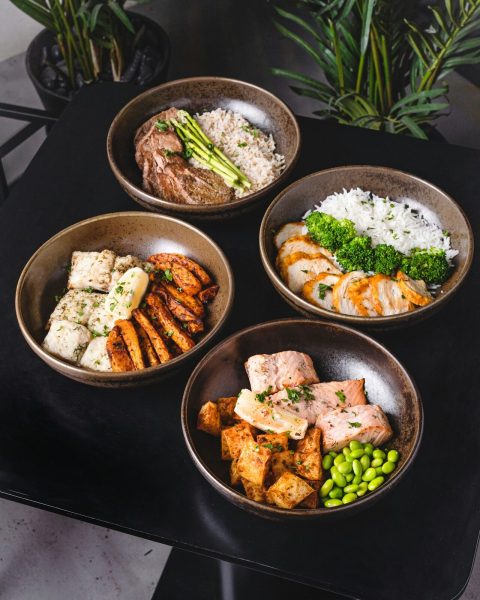
When winter arrives, the world outside slows down. The trees have shed their leaves, the earth is hard, and the days are short and cold. In Traditional Chinese Medicine (TCM), this isn’t a time to fight the stillness—it’s a time to embrace it. Winter is the season of the Water element, associated with the Kidneys, the root of our vital energy (qi) and essence (jing). Just as a tree stores its energy deep in its roots during winter, we too must nourish our deepest reserves to emerge strong and vibrant in spring. This is the season for bone-warming, qi-building foods—ingredients that fortify our core, support our Kidney energy, and keep our inner fire glowing steadily against the cold. My grandmother, who grew up in rural Shandong, used to say, “Winter is for storing treasure in the bones.” She wasn’t speaking metaphorically; she was sharing a profound TCM principle that has guided Chinese families for millennia.
Understanding Winter’s Energy: The Kidney Connection
In TCM theory, each season corresponds to one of the Five Elements and its associated organ system. Winter belongs to the Water element, which governs the Kidneys (shèn, 肾). The Kidneys are considered the “root of life” and the source of all yin and yang in the body. They store our essence (jīng), which is the fundamental substance for growth, reproduction, and development. When Kidney energy is strong, we have robust bones, healthy hair, sharp hearing, and a resilient willpower. When it’s depleted, we may experience fatigue, lower back pain, frequent urination, cold extremities, or a general feeling of being “worn out.”
The Huangdi Neijing (Yellow Emperor’s Classic of Internal Medicine), the foundational text of TCM compiled over 2,000 years ago, offers clear guidance for winter living. It states: “In the three months of winter, called ‘closing and storing,’ water freezes and the earth cracks. Do not disturb the yang. Go to rest early and rise late. You must wait for the sun.” This ancient advice isn’t just about sleep—it’s about aligning our entire lifestyle, including diet, with the season’s contracting, inward-moving energy. Eating heavy, greasy, or overly stimulating foods in winter can scatter our qi. Instead, we need foods that are warming in nature, nourishing to the Kidneys, and easy to digest, allowing our body to store energy rather than expend it.
“Winter is for storing treasure in the bones. Eat warm, rest deep, and let your roots grow strong.”
The Five Principles of Winter Eating in TCM
Before we dive into specific foods, let’s establish the framework. Traditional Chinese dietary therapy (shí liáo, 食疗) isn’t about counting calories or macronutrients. It’s about understanding the energetic nature of foods—whether they are warming or cooling, which organs they nourish, and how they affect the movement of qi and blood. For winter, we follow these five core principles:
- Favor Warming Foods: Choose ingredients with a warm or hot thermal nature. These help fortify yang qi and dispel internal cold. Think slow-cooked stews, roasted roots, and spiced porridges.
- Nourish the Kidneys Specifically: Certain foods have a special affinity for the Kidney organ system. These include black-colored foods (as the Kidneys correspond to the color black), salty flavors in moderation, and foods that are rich in minerals.
- Cook Low and Slow: Winter digestion benefits from long, gentle cooking methods like stewing, simmering, braising, and slow-roasting. These methods break down foods, making nutrients more accessible and reducing the burden on the spleen and stomach.
- Include Healthy Fats and Proteins: The Kidneys love dense, nourishing foods. Bone marrow, fatty fish, nuts, and seeds provide the building blocks for essence and help insulate the body.
- Use Warming Spices Strategically: Spices like ginger, cinnamon, black pepper, and cloves aren’t just for flavor—they actively move qi, warm the channels, and improve circulation. Use them generously but in balance.
A 2019 study published in the Journal of Ethnopharmacology explored the biochemical basis for these principles, finding that many traditionally “warming” foods and spices contain compounds that stimulate thermogenesis, improve microcirculation, and possess anti-inflammatory properties (Zhang et al., 2019). This gives modern scientific backing to what TCM practitioners have observed clinically for centuries.
The Bone-Warming Pantry: 10 Essential TCM Winter Foods
Here are the cornerstone foods I recommend to clients and cook in my own kitchen throughout winter. Each one is chosen for its specific Kidney-nourishing, qi-building properties.
| Food | TCM Properties | Best For | How to Use |
|---|---|---|---|
| Black Beans (hēi dòu, 黑豆) | Sweet, neutral; nourishes Kidney yin and blood | Fatigue, weak lower back, hair loss | Soak 1 cup overnight, simmer into soups or congee for 1-2 hours |
| Walnuts (hé táo, 核桃) | Sweet, warm; tonifies Kidney yang, strengthens bones | Cold extremities, frequent urination, weak knees | Eat 5-7 raw daily, or add to oatmeal and stews |
| Black Sesame Seeds (hēi zhī ma, 黑芝麻) | Sweet, neutral; nourishes Kidney yin, lubricates intestines | Dizziness, tinnitus, dry skin, constipation | Grind 1 tbsp into porridge, or make sesame paste |
| Lamb (yáng ròu, 羊肉) | Sweet, warm; strongly tonifies qi and warms the middle | Deep cold, fatigue, postpartum weakness | Stew with ginger and Chinese yam for 2+ hours |
| Chinese Yam (shān yào, 山药) | Sweet, neutral; tonifies Spleen and Kidney qi | Weak digestion, fatigue, frequent urination | Peel, slice, add to soups or stir-fry gently |
| Goji Berries (gǒu qǐ, 枸杞) | Sweet, neutral; nourishes Kidney and Liver yin | Blurred vision, dizziness, lower back soreness | Add 10-15 berries to teas, soups, or oatmeal |
| Adzuki Beans (hóng dòu, 红豆) | Sweet, sour, neutral; strengthens Kidney, drains dampness | Water retention, heavy limbs | Simmer into sweet soups with dried tangerine peel |
| Ginger (shēng jiāng, 生姜) | Pungent, warm; warms the middle, dispels cold | Cold hands/feet, nausea, poor digestion | Slice 3-5g into hot water or add to every savory dish |
| Cinnamon (ròu guì, 肉桂) | Pungent, sweet, hot; warms Kidney yang, moves blood | Deep internal cold, menstrual pain, joint stiffness | Add ½ tsp ground to porridge, or simmer bark in stews |
| Dried Dates (dà zǎo, 大枣) | Sweet, warm; tonifies Spleen and Stomach qi | Fatigue, poor appetite, anxiety | Eat 3-5 daily, or simmer in teas and soups |
Notice the prevalence of black-colored foods. This isn’t coincidence. In TCM’s Five Element theory, black corresponds to the Water element and the Kidneys. My mother always kept a jar of black sesame powder on the counter during winter, mixing it into our morning congee. “Black food makes strong bones and shiny hair,” she’d say. Modern nutritional analysis shows these foods are indeed rich in anthocyanins, iron, and minerals—exactly what the body needs during the cold months.

Simple Winter Recipes to Build Qi and Warm Your Bones
Here are three foundational recipes I make every week during winter. They’re simple, deeply nourishing, and follow TCM dietary principles precisely.
1. Kidney-Nourishing Black Bean & Walnut Congee
Congee (zhōu, 粥) is the ultimate winter food in TCM. It’s easy to digest, deeply hydrating, and the perfect vehicle for medicinal ingredients. I learned this recipe from a 78-year-old TCM doctor in Chengdu who credited his remarkable vitality to eating this congee three times a week for forty years.
Ingredients: ½ cup black beans (soaked overnight), ¼ cup walnuts (chopped), 2 tablespoons goji berries, 1-inch piece of ginger (sliced), 1 cup short-grain rice, 8 cups water or bone broth.
Method: Combine soaked beans, rice, ginger, and water in a large pot. Bring to a boil, then reduce to a very low simmer. Cook uncovered for 1.5-2 hours, stirring occasionally, until the mixture is thick and creamy. Add walnuts and goji berries in the last 15 minutes. Serve warm with a drizzle of sesame oil and a pinch of sea salt. The salt, in small amounts, actually helps guide the medicine to the Kidneys, according to TCM principles.
2. Warming Lamb & Chinese Yam Stew
Lamb is the most warming meat in TCM, perfect for those who feel perpetually cold in winter. This stew is a Sunday staple in northern Chinese households during the coldest months.
Ingredients: 1 lb lamb shoulder (cut into 1-inch cubes), 1 large Chinese yam (peeled, sliced), 3 slices ginger, 2 dried dates, 1 star anise, 1 cinnamon stick, 4 cups water, 1 tablespoon soy sauce, salt to taste.
Method: Blanch lamb in boiling water for 2 minutes, drain, and rinse. Place lamb, ginger, dates, star anise, and cinnamon in a heavy pot. Cover with water, bring to a boil, then simmer on lowest heat for 2 hours. Add Chinese yam in the last 30 minutes. Season with soy sauce and salt. The long simmering extracts the marrow nutrients and creates a broth that is truly bone-warming. Serve with steamed rice and wilted greens.
3. Daily Kidney Tea
This simple tea can be made in a thermos and sipped throughout the day. It gently warms without being too stimulating.
Ingredients: 5 slices dried astragalus root (huáng qí, 黄芪), 5 goji berries, 3 slices ginger, 1 dried red date (pitted).
Method: Place all ingredients in a thermos. Pour in 2 cups of boiling water. Steep for at least 20 minutes before drinking. Refill with hot water 2-3 times throughout the day. Astragalus is a premier qi-tonifying herb in TCM, and a 2020 meta-analysis in Phytotherapy Research confirmed its immunomodulatory and anti-fatigue effects (Fu et al., 2020).
Beyond Food: Supporting Your Kidney Energy This Winter
Food is foundational, but TCM winter wellness is holistic. To truly build qi and protect your Kidney energy, integrate these practices:
- Soak your feet nightly. In Chinese culture, hot foot soaks (zú yù, 足浴) are non-negotiable in winter. Add a handful of mugwort (ài cǎo, 艾草) or sliced ginger to the water. Soak for 15-20 minutes before bed. This warms the Kidney channel, which begins at the sole of the foot (Kidney 1 point, yǒng quán).
- Keep your lower back and feet warm. The lower back is the “house of the Kidneys.” Wear a kidney warmer or an extra layer. Never walk barefoot on cold floors.
- Go to bed early. Aim for 10 PM. The hours between 11 PM and 1 AM are considered the “Gallbladder” time in the Chinese clock, when yang energy begins to regenerate. Deep sleep during this window is crucial.
- Practice gentle qigong or tai chi. Avoid intense, sweat-inducing exercise in winter. Gentle movement preserves yang qi. Even 10 minutes of standing meditation (zhàn zhuāng, 站桩) can be profoundly restorative.
- Manage fear and anxiety. The emotion associated with the Kidneys is fear. Chronic stress and anxiety directly deplete Kidney qi. Daily meditation, even for 5 minutes, helps anchor the spirit.
During my studies in Beijing, my teacher, Dr. Li, would remind us: “You can eat all the black beans in the world, but if you stay up until midnight scrolling your phone and worrying about work, you’re pouring water into a cracked cup.” His point was clear—diet is only one pillar. Rest, emotional balance, and gentle movement are equally vital.
Common Questions
Can I eat these warming foods if I run hot or have inflammation?
This is an excellent and important question. TCM always considers individual constitution. If you tend to run hot, have a red face, or experience symptoms like night sweats or a constantly dry mouth, you may have excess heat or yin deficiency. In that case, you should still nourish the Kidneys in winter, but choose neutral or slightly warming foods rather than strongly hot ones. For example, opt for black beans, Chinese yam, and goji berries (all neutral), and use less lamb, cinnamon, and ginger. A skilled TCM practitioner can help you identify your specific constitution and tailor your winter diet accordingly. This is why self-diagnosis is discouraged in TCM—what works for one person may imbalance another.
How much ginger is too much ginger?
Ginger (shēng jiāng) is warming and excellent for dispelling cold, but moderation is key. For general winter wellness, 3-5 thin slices (about 5-10 grams) in tea or cooking per day is sufficient for most people. If you have significant internal heat, acid reflux, or are in the later stages of pregnancy, reduce or avoid ginger and consult a practitioner. The Shennong Bencao Jing, the oldest Chinese herbal text, classifies ginger as “pungent, warm” and warns against excessive use in heat conditions. Listen to your body—if you feel agitated or develop mouth sores, scale back.
Are there any winter foods I should avoid?
Yes. In winter, TCM advises minimizing cold, raw foods like salads, smoothies, iced drinks, and excessive raw fruit. These require more digestive energy (Spleen yang) to process and can create internal dampness and cold. Also limit excessively greasy or fried foods, which can burden digestion and create phlegm. Moderation with dairy and sugar is also wise, as these are considered “damp-producing” in TCM. This doesn’t mean absolute prohibition—just awareness. If you do eat a salad, consider adding a warming dressing with ginger and sesame oil, and eat it at midday when digestive fire is strongest.
The bottom line: Winter, in TCM, is not a season to endure—it’s a season to deeply nourish. By embracing warming, Kidney-nourishing foods like black beans, walnuts, lamb, Chinese yam, and ginger, and by aligning our habits with the season’s quiet, inward energy, we build the qi and essence reserves that will sustain us through the entire year. Start with one recipe this week. Light a candle, put on a pot of congee, and let the slow rhythm of winter work its quiet magic.
About the Author
Yu Xi Zhang grew up in a Chinese household where traditional wellness practices were part of daily life. With over 15 years of study under licensed TCM practitioners in Beijing and Chengdu, and a certification in TCM nutrition from the Beijing University of Chinese Medicine, she bridges Eastern wisdom with Western wellness in practical, actionable ways. Her writing draws from classical texts like the Huangdi Neijing and modern research to help readers live healthier, more balanced lives.
This article is for educational purposes and reflects traditional wellness perspectives. It is not a substitute for professional medical advice, diagnosis, or treatment.