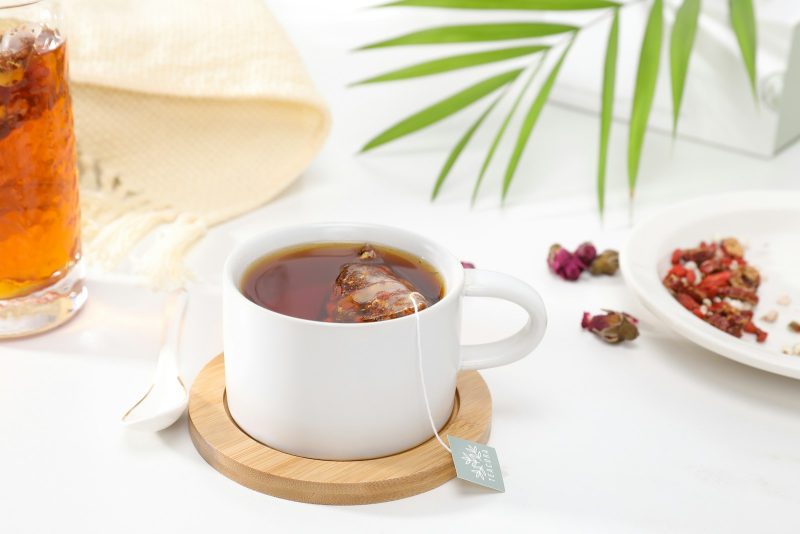
I loved chrysanthemum tea — until I realized it was making me colder. My Chinese friend said “you’re drinking the wrong tea for your body type.” She was right. This is the story of how I stopped choosing tea by taste alone and started matching it to my body constitution — and why that single shift transformed my energy, digestion, and overall well-being.

The Tea I Loved Was Working Against Me
For three years, I drank chrysanthemum tea every single afternoon. I loved everything about it — the delicate floral aroma, the pale gold color in my glass teapot, the way it felt like a small act of self-care in the middle of a chaotic workday. I bought the good stuff, too. Whole dried chrysanthemum flowers from a specialty tea shop, not the dusty tea bags from the supermarket. I was, in my own mind, a person who had figured out wellness.
There was just one problem I kept ignoring: I was freezing all the time.
Not dramatic, shivering cold — more like a low-grade chill that never quite went away. My hands were always cold to the touch. I wore cardigans in July. I slept in socks. I assumed it was just “how I was built.” Some people run cold, right? That’s just genetics.
Then one evening, I was having dinner with my friend Mei — who grew up in Guangzhou and has that particular brand of Chinese pragmatism that doesn’t bother with sugarcoating. I mentioned my chrysanthemum tea habit, expecting her to approve. Instead, she put down her chopsticks and gave me a look.
“You’re drinking the wrong tea for your body type,” she said.
I laughed. She didn’t.
“Chrysanthemum is cooling,” she explained. “It clears heat. You — ” she gestured at my cardigan, my cold hands wrapped around a warm bowl of soup even though it was twenty-five degrees outside — “you don’t have heat to clear. You have the opposite problem. You’re making yourself worse.”
That conversation sent me down a rabbit hole that lasted months. I read about Traditional Chinese Medicine body constitutions, consulted with a TCM practitioner, and completely overhauled my tea collection. The results were so striking that I’m writing this now — because I suspect there are a lot of people out there drinking the wrong tea for their body and wondering why they don’t feel better.
The TCM Concept That Changed How I Think About Tea

In Traditional Chinese Medicine, every food and drink has a thermal nature — not the temperature you serve it at, but the effect it has on your body after you consume it. Chrysanthemum tea, regardless of whether you drink it hot or iced, is classified as cooling. It enters the Liver and Lung meridians and is used to clear heat, calm inflammation, and soothe irritated eyes. It’s a genuinely wonderful tea — for the right person.
But here’s what I didn’t understand until Mei explained it: not every body runs at the same baseline temperature. In TCM, this is the foundation of body constitution theory (体质, tǐzhì). Your constitution is your body’s default operating mode — the pattern that determines how you process food, regulate temperature, manage energy, and respond to stress. It’s shaped by genetics, lifestyle, diet, environment, and age.
According to TCM, there are nine distinct body constitutions, each with different needs. When you consume something that contradicts your constitution — a cooling tea when you’re already cold, a rich, damp-producing tea when you’re already sluggish — you’re essentially working against your body instead of supporting it. It’s not that the tea is bad. It’s that it’s bad for you.
This was the missing piece. I had been choosing teas based on flavor, marketing, and what wellness influencers recommended. I had never once considered that the “best” tea depends entirely on what kind of body it’s going into.
The 5 Body Types and Their Matching Teas
After weeks of research and a proper consultation with a licensed TCM practitioner, I narrowed down the five most common body types that are relevant to tea selection. Here’s what I learned — and which teas each type should reach for (and which to avoid).
1. Yang-Deficient (Cold Body Type)
How you feel: Cold hands and feet, even in warm weather. You prefer hot drinks and warm environments. You tend toward loose stools, frequent urination, and a pale complexion. You catch colds easily and recover slowly. Your energy dips in the afternoon, and you often feel like you’re running on low battery.
What you need: Warming teas that stoke your internal fire — what TCM calls your Yang Qi. Think ginger tea, cinnamon tea, jujube (red date) tea, and black tea (red tea in Chinese classification). These teas gently warm your core, improve circulation, and support your digestive fire.
What to avoid: Cooling teas like chrysanthemum, peppermint, green tea, and white tea. These will lower your internal temperature further and can worsen fatigue, cold sensitivity, and digestive sluggishness. This is exactly what was happening to me — I was a classic Yang-deficient type drowning myself in chrysanthemum.
2. Yin-Deficient (Hot Body Type)
How you feel: You run warm. Night sweats, hot flashes, dry skin, a dry throat, and a general feeling of internal heat. You’re often restless, have trouble sleeping, and feel irritated by warm environments. Your tongue tends to be red with little or no coating.
What you need: Cooling, moisturizing teas that replenish your body’s Yin (cooling, nourishing) fluids. Chrysanthemum tea is perfect for you — it clears heat and soothes inflammation. Also excellent: goji berry tea, white tea, mint tea, and chrysanthemum with goji berry (a classic TCM combination). These teas hydrate, cool, and calm.
What to avoid: Excessively warming teas like strong ginger tea, cinnamon-heavy blends, and heavily roasted teas. These will add more heat to an already overheated system and can worsen insomnia, irritability, and dryness.
3. Qi-Deficient (Low Energy Type)
How you feel: Chronically fatigued, even after a full night’s sleep. You speak softly, get winded easily, and tend to catch every cold that circulates. You sweat without exertion, and your appetite is inconsistent — sometimes ravenous, sometimes food feels like a chore.
What you need: Teas that tonify Qi — your body’s fundamental energy. Ginseng tea is the gold standard here; it’s been used for over 2,000 years in Chinese medicine specifically to strengthen Qi. Also beneficial: astragalus (huáng qí) tea, jujube tea, and oolong tea. These teas gently boost energy without the crash that comes from caffeine-heavy stimulants.
What to avoid: Excessive green tea or raw pu-erh, which can be too stimulating for an already depleted system and may cause stomach upset. Also avoid cold brews — Qi-deficient types do better with warm or hot teas.
4. Phlegm-Damp (Sluggish/Damp Type)
How you feel: You carry extra weight easily, especially around your midsection. You feel heavy and foggy — like your brain is wrapped in cotton wool. Bloating after meals is common, and you often feel like food just sits in your stomach. Your skin may be oily, and you tend toward excess mucus and sinus congestion.
What you need: Teas that drain dampness and support your Spleen’s transforming function. Pu-erh tea is the star here — it’s been used in Chinese medicine for centuries specifically to break down grease and aid digestion, which is why it’s traditionally served after heavy meals in Yunnan. Also excellent: barley tea (mugicha), lotus leaf tea, and aged tangerine peel (chén pí) tea. These teas cut through dampness, reduce bloating, and clear mental fog.
What to avoid: Sugary milk teas, overly rich blends, and cold brews. Dairy and sugar are major dampness-producers in TCM, and combining them with tea defeats the purpose entirely.
5. Qi-Stagnation (Stressed/Emotional Type)
How you feel: Emotionally tense. You sigh frequently, feel a tightness in your chest, and experience mood swings that seem to come from nowhere. You hold stress in your body — your shoulders, your jaw, your gut. You may also experience irregular periods, breast tenderness, and digestive upset triggered by emotional stress.
What you need: Teas that move Qi and soothe the Liver — the organ system TCM associates with the smooth flow of emotions. Rose tea (méi guī huā) is the classic choice; it gently moves stagnant Qi and lifts the spirit. Also wonderful: jasmine tea, osmanthus tea, and chrysanthemum with rose (a blend that balances cooling and moving). These teas are aromatic and emotionally soothing — TCM practitioners often say they “unblock” the chest.
What to avoid: Overly heavy or rich teas that can further stagnate your system, and excessive caffeine, which can amplify anxiety and irritability.
Chrysanthemum Tea vs Ginger Tea: A Side-by-Side Comparison
Since chrysanthemum and ginger sit at opposite ends of the thermal spectrum — and since my own mistake involved choosing the wrong one — here’s a detailed comparison that might save you from the same error.
| Property | Chrysanthemum Tea | Ginger Tea |
|---|---|---|
| TCM Thermal Nature | Cool / Slightly Cold | Warm |
| Primary Meridians | Liver, Lung | Lung, Spleen, Stomach |
| Key Actions | Clears heat, calms Liver fire, brightens eyes | Warms the middle, dispels cold, aids digestion |
| Best For | Yin-deficient, Damp-Heat types; red eyes, headaches, sore throat | Yang-deficient, Qi-deficient types; cold hands, bloating, nausea |
| Worst For | Yang-deficient (cold) types; people with loose stools or cold stomach | Yin-deficient (hot) types; people with night sweats or dry mouth |
| Caffeine | Caffeine-free | Caffeine-free |
| Best Season | Summer, late spring | Autumn, winter, early spring |
| Common Pairing | Goji berry, honey | Red dates, brown sugar, lemon |
| Daily Limit | 2-3 cups (avoid on empty stomach) | 1-2 cups (best in the morning) |
The key takeaway: neither tea is inherently “better.” Chrysanthemum tea is extraordinary for clearing heat and inflammation. Ginger tea is a powerhouse for warming digestion and dispelling cold. The question is never “which tea is healthier” — it’s “which tea does my body need right now?”
How I Discovered My Body Type (And What Changed)

After my conversation with Mei, I didn’t rush to change everything. I’m not that person. Instead, I started paying attention — really paying attention — to the signals my body had been sending me for years.
I made a list. Cold hands and feet: always. Sensitivity to air conditioning: yes. Loose stools after cold or raw food: embarrassingly, yes. A tendency to feel worse in winter and better in summer: absolutely. A preference for hot drinks, hot showers, and warm environments: since childhood.
Then I took a proper TCM body type quiz — the kind based on the nine constitution framework from the Huangdi Neijing. The questions weren’t vague. They asked about specific things: when my hands felt coldest, how my digestion responded to different foods, whether I preferred summer or winter, how I slept, what my tongue looked like.
My result: Yang-deficient with secondary Qi-deficiency. In plain English, I run cold and my energy reserves are low. The chrysanthemum tea I’d been drinking religiously was like pouring cold water on an already weak flame.
I made the switch. Out went the daily chrysanthemum. In came ginger and red date tea in the mornings — a classic warming combination that TCM practitioners recommend for Yang-deficient types. In the afternoons, I switched to black tea (which, confusingly for Westerners, is called “red tea” in Chinese because of the color of the brew). On particularly cold or fatigued days, I’d add a slice of cinnamon bark.
The changes weren’t dramatic at first. But by the end of the second week, I noticed something: my hands weren’t cold anymore. Not “slightly less cold” — actually warm. My digestion felt more settled. My afternoon energy dips softened. And I stopped reaching for a cardigan every time the air conditioning kicked in.
By the end of the first month, the difference was undeniable. I felt like my body was finally getting what it needed instead of fighting against what I was giving it.
Find Your Tea Body Type: A Quick Self-Assessment
You don’t need a TCM practitioner to start thinking about which body type you lean toward — though I’d recommend seeing one eventually for a proper assessment. Here’s a quick self-check based on the five types above. Be honest with yourself, and think about how you’ve felt consistently, not just this week.
Question 1: Temperature
- A: I’m always cold. I wear layers indoors and dread winter. (Points toward Yang-deficient)
- B: I run warm. I kick off blankets at night and prefer cool environments. (Points toward Yin-deficient)
- C: I don’t have strong temperature preferences either way. (Points toward Balanced or Qi-stagnation)
Question 2: Energy
- A: I’m tired all the time, even after sleeping well. (Points toward Qi-deficient)
- B: I have energy, but it’s scattered — I feel wired but tired. (Points toward Qi-stagnation)
- C: I feel heavy and sluggish, like moving through water. (Points toward Phlegm-damp)
Question 3: Digestion
- A: I bloat easily, especially after heavy or cold foods. (Points toward Yang-deficient or Phlegm-damp)
- B: I feel fine after most meals but get dry mouth or thirst frequently. (Points toward Yin-deficient)
- C: My digestion is fine physically, but stress wrecks my stomach. (Points toward Qi-stagnation)
Question 4: Emotional Tendency
- A: I tend to overthink and worry. My mind won’t turn off. (Points toward Qi-deficient)
- B: I feel frustrated, irritable, or emotionally tense. (Points toward Qi-stagnation)
- C: I feel foggy, unmotivated, and mentally cloudy. (Points toward Phlegm-damp)
Question 5: Physical Traits
- A: My skin is dry, my lips are chapped, and I prefer moisturizing everything. (Points toward Yin-deficient)
- B: My skin is oily, I’m prone to congestion, and I carry extra weight easily. (Points toward Phlegm-damp)
- C: I bruise easily, hold tension in my muscles, and my complexion is dull or dark. (Points toward Qi-stagnation or Blood-stasis)
If your answers cluster around one type, that’s a strong signal. If you’re split between two, you likely have a primary and secondary constitution — which means you might benefit from a blend. For a more precise result, I’d recommend taking the full TCM Body Type Quiz, which covers more ground and gives you a nuanced breakdown.
What I Drink Now (And What I’d Tell My Past Self)
My current tea rotation looks nothing like it did a year ago. Here’s what a typical week looks like for a Yang-deficient person like me:
- Monday-Wednesday mornings: Ginger and red date tea (warming, Qi-boosting)
- Monday-Wednesday afternoons: Black tea with a cinnamon stick (mildly warming, energizing)
- Thursday-Friday mornings: Astragalus and goji berry tea (tonifies Qi and Yang)
- Thursday-Friday afternoon: Aged pu-erh tea (supports digestion, mildly warming)
- Weekends: Whatever I feel like — but always warm, never iced, and rarely chrysanthemum
I still love chrysanthemum tea. I keep a small jar of it for the occasional summer afternoon when I’ve been out in the heat and need something cooling. But it’s no longer my default. It’s a specific tool for a specific situation — which is how tea should be used in the TCM framework.
If I could go back and tell my past self one thing, it would be this: the best tea for your body is the one your body is asking for — and learning to listen to those signals is a skill worth developing. The wellness industry loves universal recommendations. “Drink green tea every day.” “Chrysanthemum tea is anti-inflammatory.” “Ginger tea fixes everything.” These statements aren’t wrong — they’re just incomplete. They ignore the most important variable: you.
The Bigger Lesson: Personalization Over Prescription
This experience taught me something that extends far beyond tea. In a world saturated with one-size-fits-all health advice — take this supplement, follow this diet, drink this superfood — the TCM body constitution framework offers something radical: the idea that the right answer depends on who’s asking the question.
A study published in the Journal of Traditional Chinese Medicine found that individuals who matched their dietary choices to their TCM body constitution reported significant improvements in subjective well-being, energy levels, and digestive comfort over a 12-week period compared to a control group. The researchers noted that the effect was most pronounced in Yang-deficient and Phlegm-damp types — precisely the types who tend to have the strongest negative reactions to dietary mismatches.
Another piece of research from the Chinese Journal of Integrative Medicine examined how tea consumption patterns correlated with body constitution in a cohort of 1,200 participants. The findings were clear: people who consumed teas aligned with their constitution type reported better outcomes across nearly every wellness metric — sleep quality, energy, digestive comfort, emotional balance — than those who consumed teas randomly or based solely on taste preference.
These aren’t fringe findings. They’re part of a growing body of evidence suggesting that personalized tea selection based on body type isn’t just traditional wisdom — it’s a genuinely effective approach to daily wellness.
Frequently Asked Questions
Can I drink tea that doesn’t match my body type?
Occasionally, yes — TCM isn’t about rigid rules. If you’re Yin-deficient and you want ginger tea on a cold day, that’s fine. The concern is with habitual, daily consumption of a tea that contradicts your constitution. Think of it like food: eating ice cream once a week won’t harm you, but eating it every day when you have a weak digestive system will eventually cause problems. The same logic applies to tea. A cup of chrysanthemum tea on a hot summer afternoon won’t freeze a Yang-deficient person — but three cups a day, every day, for three years (like I did) absolutely will make things worse.
How long does it take to notice a difference after switching teas?
In my experience, subtle changes appeared within the first week — warmer hands, slightly better digestion, fewer afternoon energy crashes. More significant shifts took two to four weeks. TCM practitioners I’ve spoken with generally say that consistent dietary changes (including tea) take about one full menstrual cycle (roughly four weeks) to show measurable effects, because your body needs time to adjust its internal balance. Don’t expect overnight transformation. Do expect gradual, compounding improvement.
Is green tea good for everyone?
No — and this is one of the most common misconceptions in wellness culture. Green tea is classified as cool in TCM, and while it’s rich in antioxidants and has well-documented health benefits, it can be problematic for Yang-deficient and Qi-deficient types. If you drink green tea and notice stomach discomfort, increased cold sensitivity, or a drop in energy, your body may be telling you it’s too cooling for your constitution. Try switching to oolong or black tea and see if the symptoms improve.
Can my body type change over time?
Your dominant constitution is relatively stable — it’s shaped by genetics, early life experiences, and long-term patterns. However, it can shift gradually due to aging, chronic illness, sustained stress, significant lifestyle changes, or prolonged dietary modification. For example, a person who was balanced in their twenties might develop Yang-deficiency in their forties due to chronic overwork and poor diet. Retaking a body type assessment every one to two years can help you stay aligned with your body’s current needs.
Should I see a TCM practitioner, or can I self-assess?
A self-assessment is a great starting point — it can give you a general sense of your tendencies and help you make better daily choices. But a qualified TCM practitioner can do things a quiz cannot: they can examine your tongue, take your pulse, ask follow-up questions, and identify secondary constitutions or imbalances that aren’t obvious from the outside. If you’re serious about optimizing your health through TCM, I’d recommend at least one in-person consultation. Think of it like the difference between reading about nutrition and seeing a dietitian — both are useful, but one goes much deeper.
Important Disclaimer
This article reflects my personal experience with Traditional Chinese Medicine and tea consumption and is intended for informational and educational purposes only. It is not medical advice, diagnosis, or treatment. TCM body constitution theory is a complementary wellness framework and should not be used as a substitute for professional medical care. Always consult a qualified healthcare provider before making significant changes to your diet or health regimen, especially if you have existing medical conditions or are taking medication. Individual results will vary, and the experiences described here are specific to my own journey.
About the Author
The Stilflow Team explores the intersection of ancient wellness traditions and modern living. We research, test, and write about holistic health practices — including Traditional Chinese Medicine, herbal therapy, and mind-body approaches — with a focus on what actually works for real people living busy, modern lives. Our mission is to make time-tested health wisdom accessible, practical, and honest. Follow along at thestilflow.com.
- The Tea I Loved Was Working Against Me
- The TCM Concept That Changed How I Think About Tea
- The 5 Body Types and Their Matching Teas
- Chrysanthemum Tea vs Ginger Tea: A Side-by-Side Comparison
- How I Discovered My Body Type (And What Changed)
- Find Your Tea Body Type: A Quick Self-Assessment
- What I Drink Now (And What I'd Tell My Past Self)
- The Bigger Lesson: Personalization Over Prescription
- Important Disclaimer
- About the Author
Last medically reviewed: July 2026