In my Chinese family’s kitchen, ginger isn’t a spice — it’s medicine. My mother put it in everything: soups, tea, stir-fries, even desserts. I thought she was obsessed. Then I started reading the research.
What I found shocked me. This gnarly, tan-skinned root that costs about a dollar at any grocery store has over 5,000 years of documented use in Chinese medicine, and modern science is now publishing peer-reviewed papers confirming what my grandmother’s grandmother already knew. Ginger root in Chinese medicine isn’t folk superstition — it’s one of the most well-studied botanical medicines on the planet. And after years of dismissing my mother’s ginger-everything approach, I’ve become the person who now keeps three kinds of ginger in his kitchen at all times. Here’s why.
Frequently Asked Questions
What Chinese Medicine Actually Says About Ginger
If you’ve ever walked into a Chinese herbal shop, you’ve seen those walls of wooden drawers filled with dried roots, barks, and mysterious powders. Ginger — or shēng jiāng (生姜) in Mandarin — sits at the very foundation of that entire system. It’s not buried in some obscure formula. It’s front and center, used in hundreds of classical prescriptions, and it’s one of the few herbs that Chinese medicine practitioners call a “daily use” medicine.
In Traditional Chinese Medicine (TCM), ginger is classified as warm in nature and acrid (pungent) in flavor. It enters the Lung, Spleen, and Stomach meridians — three of the most important organ systems in TCM theory. What does this mean in plain English? When you consume ginger, its warming properties travel to your digestive system and respiratory tract, helping to “move things along” and clear out cold, damp stagnation.
My mother explained it to me once in the simplest terms possible: “Your stomach is like a fire. Ginger is like adding kindling. If the fire is already burning, ginger makes it burn better. If the fire is dying, ginger brings it back.” She’s not wrong. TCM practitioners use ginger to warm the Middle Burner (your digestive system), promote sweating to expel cold pathogens, stop nausea, and resolve phlegm. That’s a lot of jobs for one cheap root.
But here’s what makes ginger truly unusual in TCM: it comes in different forms, each with different medicinal properties. Fresh ginger (shēng jiāng) is best for nausea, vomiting, and expelling cold. Dried ginger (gān jiāng, 干姜) is hotter and used for internal cold conditions — think chronic cold hands and feet, diarrhea from a weak spleen, or deep abdominal pain from cold accumulation. And roasted ginger (páo jiāng, 炮姜) is used to stop bleeding and warm the channels. Same plant, different preparations, completely different clinical applications. My mother knew this instinctively — she used fresh ginger in summer soups and dried ginger in winter stews. I always thought she was just being fussy. She was practicing pharmacology.

The Science Catches Up: What Modern Research Says
For decades, Western medicine dismissed ginger as a culinary herb with no real therapeutic value. That dismissal is over. The last twenty years have produced a flood of clinical studies that validate what ginger health benefits in TCM have claimed for millennia.
The active compounds in ginger — primarily gingerols, shogaols, and zingerone — are now well-characterized. Gingerols, found abundantly in fresh ginger, are potent anti-inflammatory and antioxidant agents. Shogaols, which form when ginger is dried or cooked, are even more bioactive. A 2020 review in the journal Molecules analyzed over 100 studies and concluded that ginger possesses significant anti-inflammatory, antioxidant, anticancer, and neuroprotective properties.
Ginger for Digestion
This is where the evidence is strongest. Multiple randomized controlled trials have shown that ginger accelerates gastric emptying — the process by which food leaves your stomach and enters the small intestine. A landmark study published in the European Journal of Gastroenterology & Hepatology found that ginger reduced gastric emptying time by 50% compared to placebo. For anyone who’s ever felt uncomfortably full after a meal, that’s significant.
A 2018 meta-analysis in Food Science & Nutrition reviewed 12 clinical trials and confirmed that ginger supplementation significantly reduced nausea and vomiting across multiple conditions — morning sickness, chemotherapy-induced nausea, and post-surgical nausea. The effect was consistent and dose-dependent. This is exactly what TCM has been saying for centuries: ginger descends stomach Qi, meaning it helps everything in your digestive system move downward in the right direction.
I experienced this firsthand. After a heavy holiday dinner at my aunt’s house — the kind with eight courses and zero restraint — my mother handed me a cup of strong ginger tea. Within twenty minutes, the bloating and discomfort I’d been suffering through started to ease. I’d spent years reaching for antacids. She’d been reaching for ginger. Her solution worked faster.
Ginger as an Anti-Inflammatory
The ginger anti-inflammatory properties are now well-documented. Gingerols inhibit the production of pro-inflammatory cytokines and block the COX-2 enzyme pathway — the same pathway targeted by ibuprofen. A 2015 study in the journal Pain Medicine found that ginger supplementation reduced muscle pain by 25% in athletes. Another study in Phytotherapy Research showed that ginger extract was as effective as diclofenac (a prescription anti-inflammatory) for osteoarthritis pain, with fewer side effects.
This resonates with TCM’s understanding of ginger as a substance that “warms the channels and disperses cold.” In TCM theory, chronic inflammation is often a manifestation of “cold-dampness” accumulating in the joints and tissues. Ginger’s warming nature helps to disperse this accumulation. It’s a different framework for explaining the same phenomenon — and both frameworks arrive at the same conclusion: ginger works.
Other Verified Benefits
The research extends beyond digestion and inflammation. A 2019 study in Complementary Therapies in Medicine found that ginger supplementation significantly reduced menstrual pain (dysmenorrhea) — comparable to ibuprofen. Research published in Neurochemistry International demonstrated that 6-shogaol (a ginger compound) has neuroprotective effects that may slow the progression of neurodegenerative diseases. A 2021 review in Nutrients found that ginger modestly but consistently reduced fasting blood sugar and HbA1c levels in type 2 diabetics.
None of this surprises anyone in a Chinese family. My grandmother used to say, “If you eat ginger every day, you’ll never need a doctor.” She was exaggerating, obviously. But she wasn’t as wrong as I once thought.
- Frequently Asked QuestionsWhat Chinese Medicine Actually Says About Ginger
- The Science Catches Up: What Modern Research Says
- My Personal Ginger Journey: From Skeptic to Believer
- 10 Ways to Use Ginger Daily (That You Can Start Today)
- A Quick Guide: Which Ginger for Which Problem?
- The Honest Limitations: What Ginger Won't Do
- The Bigger Lesson: Why I Now Trust the class="wp-block-heading" Root
My Personal Ginger Journey: From Skeptic to Believer
I should be honest about where I started. Growing up, I was embarrassed by my family’s reliance on “old Chinese remedies.” My friends’ families took Tylenol. My family boiled ginger and brown sugar. I wanted to be normal. I wanted to be Western. I wanted to eat cold cereal for breakfast instead of congee with ginger.
It took me until my late twenties to understand what I’d been dismissing. I was living alone, working long hours, eating poorly, and constantly catching colds in winter. My digestion was a mess — bloating after meals, unpredictable bowel movements, that uncomfortable “heavy” feeling that never quite went away. I’d tried every probiotic on the market. Nothing helped consistently.
During a visit home, my mother watched me eat dinner and said nothing. The next morning, she placed a steaming cup of ginger tea on my nightstand before I woke up. “Drink this every morning for two weeks,” she said. “Your Spleen Qi is weak. You can’t digest anything because your stomach is cold.”
I rolled my eyes but drank it because she was watching. Then I drank it the next day. And the next. By day five, I noticed I wasn’t bloating after meals. By day ten, my digestion was more regular than it had been in years. By day fourteen, I called her and asked for the recipe.
“It’s just ginger,” she said. “Three slices, boiled for ten minutes. I’ve been telling you this for twenty years.”
She had. I just hadn’t been listening.
That was four years ago. Since then, I’ve incorporated ginger into my daily routine in multiple ways, and the cumulative effect has been remarkable. My digestion is stable. My winter colds are less frequent and less severe. My chronic shanghuo (internal heat) symptoms — the sore throats, the mouth ulcers, the irritability — have dramatically decreased. And I owe it all to a root that costs less than a cup of coffee.
10 Ways to Use Ginger Daily (That You Can Start Today)
One of the things I love about ginger is its versatility. You don’t need to be a Chinese medicine practitioner to use it. You don’t need special equipment or exotic ingredients. You just need a piece of fresh ginger and a willingness to experiment. Here are ten ways I use ginger every single day, drawn from both TCM tradition and my own trial and error.
1. Classic Ginger Tea (Morning Ritual)
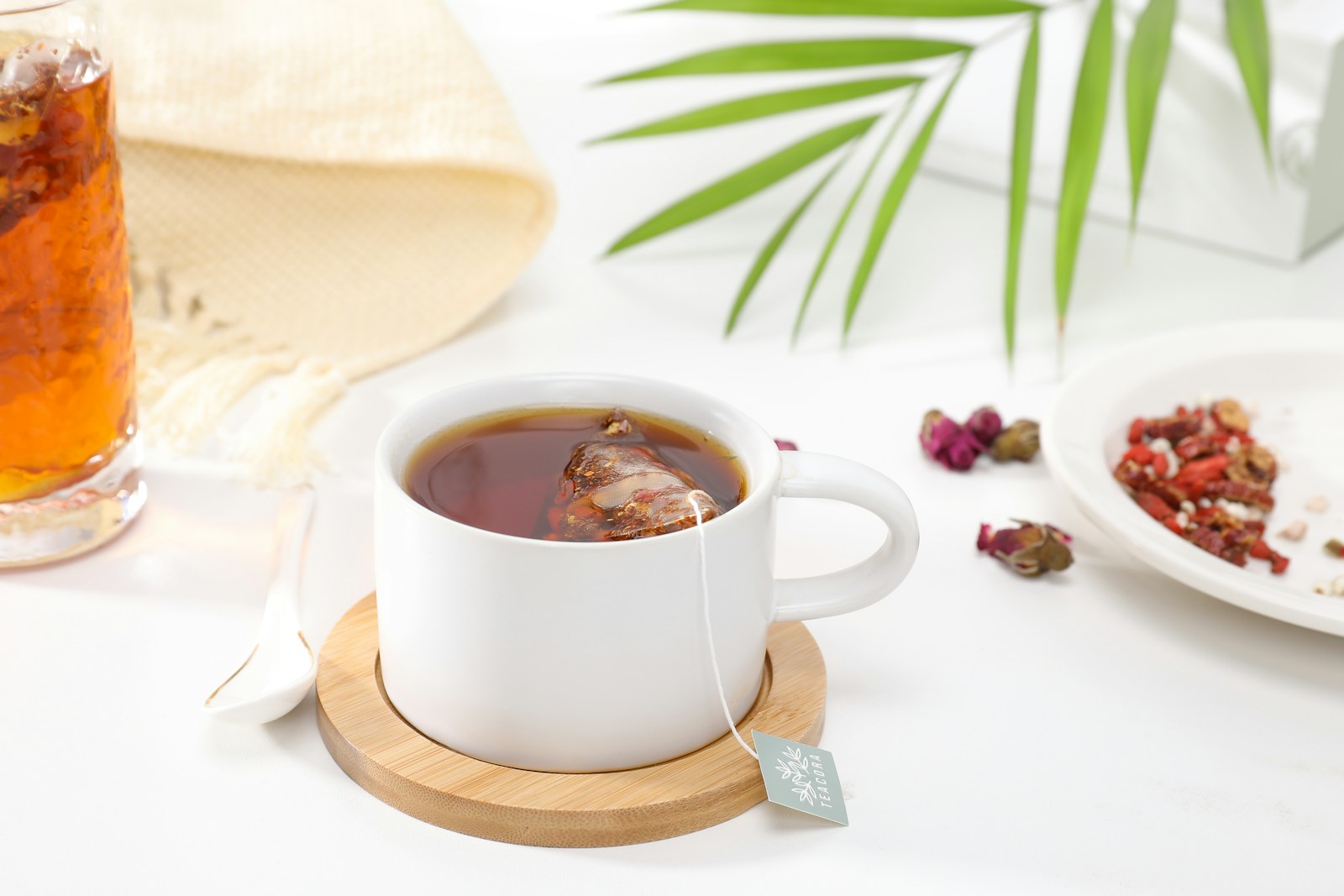
Slice three to four thin pieces of fresh ginger (about the size of a quarter total), add to a mug, pour boiling water over them, and steep for 10 minutes. Add honey if you like. This is my non-negotiable morning drink. If you’re curious how ginger tea compares to your current morning beverage, I wrote a whole breakdown of my 30-day ginger tea vs. coffee experiment — the results surprised even me.
2. Ginger in Congee (Breakfast Upgrade)
Congee — rice porridge — is the traditional Chinese breakfast for people with weak digestion. Add a few slices of ginger while cooking, and you’ve got a gentle, warming meal that’s easy on the stomach. TCM considers congee with ginger a “Spleen-nourishing” food, ideal for anyone recovering from illness or dealing with chronic digestive issues.
3. Ginger Shots (Quick Immune Boost)
Juice a two-inch piece of fresh ginger with half a lemon and a pinch of cayenne. Shoot it back first thing in the morning. It’s intense, but it’s one of the fastest ways to get ginger’s active compounds into your system. I do this when I feel a cold coming on, and it’s cut my sick days in half.
4. Ginger Stir-Fry Base (Every Dinner)
In Chinese cooking, ginger is one of the “holy trinity” aromatics — along with garlic and scallion. Mince fresh ginger and toss it into hot oil before adding your vegetables or protein. This isn’t just for flavor; the heat activates gingerol and makes it more bioavailable. My mother starts every single dinner this way. Every. Single. One.
5. Candied Ginger (Afternoon Snack)
Thinly slice fresh ginger, simmer in equal parts sugar and water until translucent, then roll in sugar. Keep a jar on your desk. It’s a sweet treat that also settles your stomach after lunch. TCM recommends small amounts of ginger candy for people who experience nausea during travel or who have “morning sickness” during pregnancy.
6. Ginger Foot Soak (Evening Wind-Down)
Grate a two-inch piece of ginger into a basin of hot water and soak your feet for 20 minutes before bed. This is a traditional Chinese practice for improving circulation, especially in people with chronically cold feet. The warming effect of ginger enters through the skin and promotes blood flow to the extremities. I was skeptical until I tried it — my feet were warm for hours afterward.
7. Ginger and Brown Sugar Tea (Menstrual Support)
This is a classic Chinese remedy for menstrual cramps. Boil sliced ginger with a tablespoon of brown sugar (hóng táng, 红糖) for 15 minutes. The ginger warms the uterus and promotes blood flow, while the brown sugar nourishes blood. My female cousins swear by this. The research backs them up — that 2019 study in Complementary Therapies in Medicine confirmed ginger’s effectiveness for dysmenorrhea.
8. Ginger in Soups (Cold Weather Medicine)
Add generous slices of ginger to chicken soup, bone broth, or any winter stew. In TCM, this transforms an ordinary meal into a warming, Qi-supporting medicine. My mother’s chicken and ginger soup was the only thing that got me through every flu of my childhood. I make it for myself now when the temperature drops, and it still works.
9. Pickled Ginger (Digestive Aid with Meals)
You know that pink pickled ginger (gari) served with sushi? There’s a reason it’s there. Pickled ginger aids digestion and cleanses the palate between bites. Make your own by thinly slicing fresh ginger and soaking it in rice vinegar with a pinch of sugar and salt for a few hours. Keep it in the fridge and eat a few slices before or after heavy meals.
10. Ginger Compress (External Pain Relief)
Grate fresh ginger, wrap it in a cloth, and apply it to sore joints, stiff necks, or aching lower backs. The gingerols penetrate the skin and provide localized anti-inflammatory relief. This is a traditional Chinese external application for arthritis and muscle pain. I use it on my shoulders after long days at the desk, and it provides genuine relief without the stomach irritation of oral painkillers.
A Quick Guide: Which Ginger for Which Problem?
Not all ginger is created equal in TCM. Different forms treat different conditions. Here’s a simplified reference based on classical Chinese medicine texts:
- Fresh ginger (shēng jiāng) — Best for nausea, vomiting, common cold with chills, and morning sickness. It’s the mildest form and the one you should reach for first.
- Dried ginger (gān jiāng) — Best for chronic internal cold: cold hands and feet, diarrhea, abdominal pain aggravated by cold. Stronger and hotter than fresh ginger.
- Roasted ginger (páo jiāng) — Best for warming the channels and stopping certain types of bleeding (like bleeding from cold-deficiency). This is the form used in specialized formulas.
- Ginger peel (shēng jiāng pí) — Best for edema and promoting urination. It’s milder than the flesh and targets water metabolism specifically.
Most people only need fresh ginger. The other forms are for specific clinical situations that a TCM practitioner would identify. If you’re buying ginger at the grocery store for daily use, you’re already using the right form.
The Honest Limitations: What Ginger Won’t Do
I’d be doing you a disservice if I didn’t address this. Ginger is remarkable, but it’s not a miracle cure. Here’s what the research does not support:
- Ginger won’t cure cancer. Some in-vitro studies show gingerols can inhibit cancer cell growth, but no clinical trial has shown ginger treats or cures cancer in humans. If you’re undergoing cancer treatment, ginger can help with nausea — but it’s not a replacement for oncology.
- Ginger won’t replace medication. If you’re on blood thinners, blood pressure medication, or diabetes drugs, ginger may interact with them. Always consult your doctor before using ginger medicinally.
- Ginger won’t work overnight. My mother’s ginger tea didn’t fix my digestion in a day. It took about two weeks of consistent daily use before I noticed real changes. TCM treats the root cause, not the symptom — and that takes time.
- More isn’t always better. TCM recommends 3-10 grams of fresh ginger per day (about 3-5 slices). Excessive ginger consumption can cause heartburn, mouth irritation, and digestive discomfort. Moderation is key.
My mother would add a fifth limitation: “Ginger can’t help you if you’re too stubborn to use it.” She’s talking about me. She’s always talking about me.
The Bigger Lesson: Why I Now Trust the class=”wp-block-heading” Root
Here’s what I’ve learned after four years of daily ginger use, dozens of research papers read, and countless conversations with my mother (who remains insufferably pleased with herself): the simplest remedies are often the most effective.
Ginger root in Chinese medicine isn’t complicated. It doesn’t require special knowledge, expensive supplements, or a degree in herbalism. It requires a piece of fresh ginger, some hot water, and the willingness to listen to your body — and maybe to your mother.
The fact that modern science is now validating what Chinese medicine has known for 5,000 years shouldn’t surprise us. What should surprise us is how long we ignored it. A 2023 editorial in The Lancet called for greater integration of traditional herbal medicine into evidence-based practice, noting that plants like ginger represent “a largely untapped reservoir of therapeutic potential.” The world’s most prestigious medical journal is essentially saying what my grandmother said at the dinner table every night.
I keep ginger in my kitchen now. Fresh ginger for daily tea and cooking. Dried ginger for winter soups. Ginger powder for smoothies. Candied ginger for when I need something sweet after lunch. It costs me about two dollars a week. My probiotics used to cost thirty dollars a month. The ginger works better.
If you’re reading this and you’ve never tried using ginger medicinally, start tomorrow. Buy a small piece of fresh ginger — it’s literally a dollar. Slice three pieces into a mug. Pour boiling water over them. Wait ten minutes. Drink it.
Do that every morning for two weeks. Then call me — or better yet, call your mother. She already knew.
Interested in exploring more Traditional Chinese Medicine remedies? Read about what happened when I replaced coffee with ginger tea for 30 days, or learn about shanghuo — the Chinese concept of internal heat that explains so many modern health complaints.
Frequently Asked Questions
Is ginger root really used in Chinese medicine for everything?
Not literally everything, but it’s close. Ginger appears in hundreds of classical TCM formulas and is used to treat conditions ranging from digestive issues and common colds to nausea, pain, and poor circulation. In TCM, ginger is considered a “guiding herb” (yǐn jīng) — meaning it helps other herbs reach the parts of the body where they’re needed. Its versatility comes from its ability to warm the Middle Burner (digestive system), promote sweating, and descend rebellious stomach Qi. It’s one of the few herbs classified as both food and medicine in Chinese tradition.
How much ginger should I eat daily for health benefits?
TCM practitioners typically recommend 3-10 grams of fresh ginger per day, which translates to about 3-5 thin slices or roughly a one-inch piece. For therapeutic use (like treating nausea or digestive discomfort), doses may be higher — up to 15 grams — but this should be guided by a practitioner. The key is consistency over quantity. A small daily dose over weeks produces better results than a large single dose. Start with three slices in hot water each morning and adjust based on how your body responds.
Can ginger help with inflammation the way ibuprofen does?
In some cases, yes. A 2015 study in Pain Medicine found ginger reduced muscle pain by 25%. A study in Phytotherapy Research showed ginger extract was comparable to diclofenac for osteoarthritis pain. Gingerols inhibit the COX-2 enzyme pathway — the same mechanism used by NSAIDs like ibuprofen. However, ginger’s anti-inflammatory effect is milder and works best for chronic, low-grade inflammation rather than acute, severe pain. Think of it as a daily support strategy rather than an emergency painkiller. For serious pain conditions, consult a healthcare professional.
Are there any side effects or risks of eating ginger every day?
For most healthy adults, daily ginger consumption in food amounts (3-10 grams) is considered safe. However, there are important exceptions. People on blood-thinning medications (warfarin, aspirin) should consult their doctor, as ginger can enhance anticoagulant effects. Those with gallstones should use caution, as ginger stimulates bile production. Pregnant women should limit ginger to 1 gram per day. Some people experience heartburn or mouth irritation with excessive ginger intake. If you notice any adverse effects, reduce your dose or stop and consult a healthcare provider.
What’s the difference between fresh ginger and dried ginger in Chinese medicine?
In TCM, fresh ginger (shēng jiāng) and dried ginger (gān jiāng) are considered different medicines with different properties. Fresh ginger is milder, enters the Lung and Stomach meridians, and is best for nausea, vomiting, and expelling external cold (like a common cold). Dried ginger is hotter, enters the Spleen and Stomach meridians, and is used for internal cold conditions — chronic diarrhea, cold extremities, and abdominal pain from cold accumulation. There’s also roasted ginger (páo jiāng), which warms the channels and stops certain types of bleeding. For daily wellness use, fresh ginger is sufficient and widely available at any grocery store.
Disclaimer: This article is based on personal experience and Traditional Chinese Medicine principles. It is not medical advice. The research cited is real, but individual results vary significantly. If you have chronic health conditions, are pregnant, or are taking medications, consult a qualified healthcare professional before using ginger medicinally. Ginger is a food-grade herb with a strong safety profile, but it is not a substitute for professional medical treatment.
About the Author: A Chinese-American writer who spent 20 years ignoring his mother’s health advice and the last 4 years frantically catching up. When not writing about Traditional Chinese Medicine, he’s in the kitchen slicing ginger for the third time that day and pretending this was always his personality.