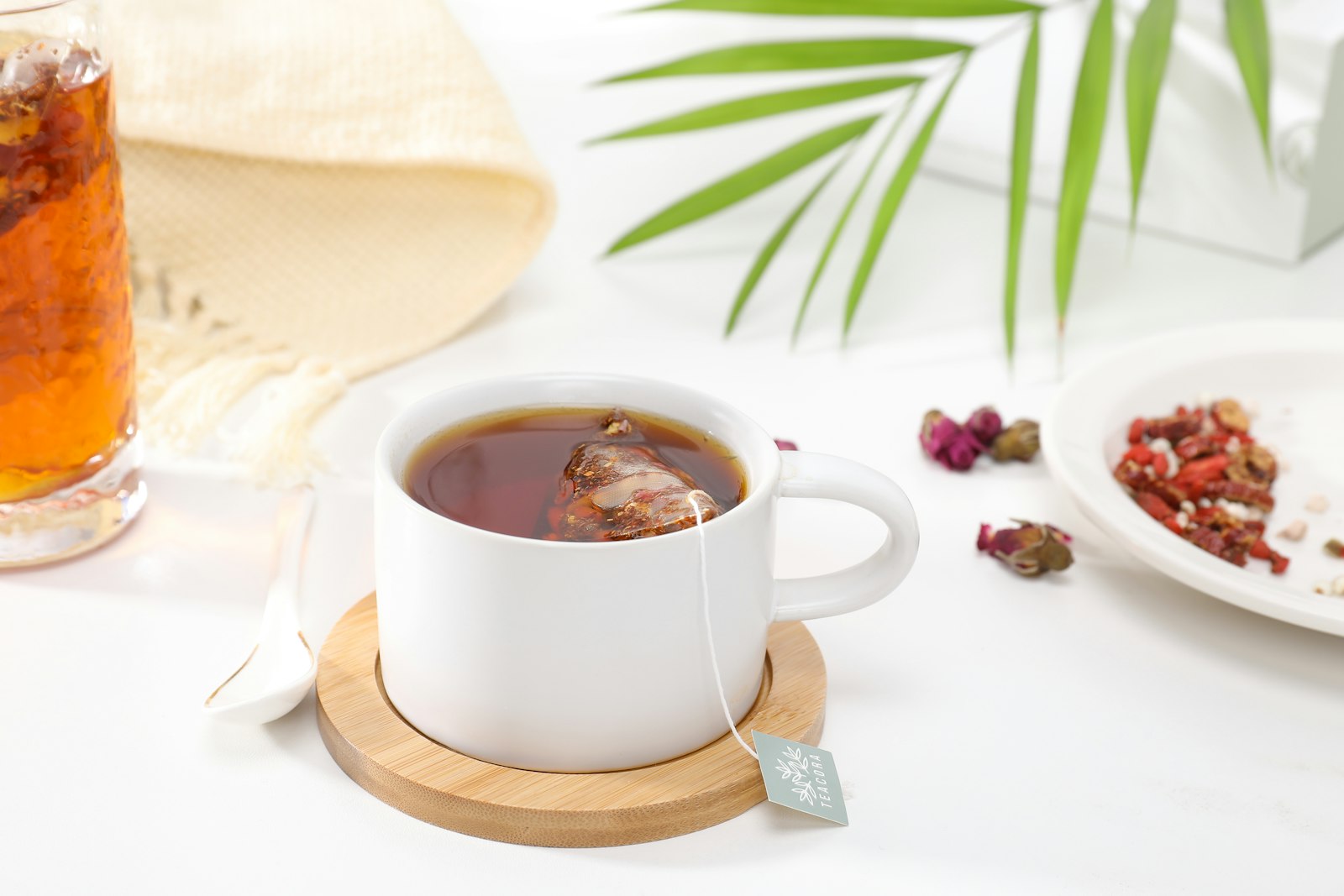
There is a quiet kind of magic in a glass of chrysanthemum tea. Watch the pale, golden blossoms unfurl in hot water, and you will understand why this simple infusion has been a staple of Chinese households for centuries. It is more than just a pretty drink; it is a cornerstone of summer wellness, a gentle remedy for the eyes that have stared at screens too long, and a cooling balm for the body when the heat becomes oppressive. If you have ever felt overwhelmed by the summer sun or the digital glare of modern life, this ancient brew might just become your new best friend.
What Exactly Is Chrysanthemum Tea?
Chrysanthemum tea is an herbal infusion made from the dried flowers of the Chrysanthemum morifolium or Chrysanthemum indicum plant. It is technically a tisane, or herbal tea, because it contains no actual tea leaves from the Camellia sinensis plant. This means it is naturally caffeine-free, making it an excellent choice for any time of day, especially in the evening when you want to wind down.
In the world of Traditional Chinese Medicine (TCM), chrysanthemum is revered. It is classified as a “cooling” herb, which in TCM does not just refer to its temperature. It means it has the ability to clear “heat” from the body. This “heat” can manifest as irritability, red eyes, headaches, a sore throat, or skin breakouts—all common complaints during the sweltering summer months. The most prized variety is the Hangzhou white chrysanthemum (杭白菊, háng bái jú), known for its delicate, sweet flavor and potent medicinal properties.
The Top Chrysanthemum Tea Benefits for Mind and Body
Drinking chrysanthemum tea is a simple, enjoyable habit that can yield a surprising number of benefits. It’s not a magic potion, but when incorporated into a mindful lifestyle, it can be a powerful ally.
A Soothing Friend for Your Eyes
This is perhaps the most celebrated of all chrysanthemum tea benefits. In TCM, the eyes are connected to the Liver system. When the Liver is “heaty” or overworked—often from stress, lack of sleep, or too much screen time—it can show up as dry, red, or blurry eyes. Chrysanthemum tea is said to “brighten the eyes” (míng mù, 明目) by clearing this internal heat.
For the modern professional spending hours in front of a computer, a cup of this tea can be a wonderful ritual. While it won’t replace the 20-20-20 rule (looking at something 20 feet away for 20 seconds every 20 minutes), it provides a comforting, hydrating support system for your strained visual system. Many people anecdotally report less eye fatigue and a feeling of relief after making it a regular part of their routine.
Cooling Down Internal Heat
Summer is the season of “yang” energy, which is hot and expansive. While we need this energy, an excess can lead to discomfort. Think of the feeling you get after being out in the sun all day: you might feel flushed, irritable, and unable to sleep well. This is what TCM calls “summer heat” or excess internal fire. Chrysanthemum tea is a classic “cooling” beverage that helps to balance this. It’s like opening a window in a stuffy room for your body, allowing the excess heat to dissipate gently.
Supporting Liver Function and Detoxification
The liver is our primary detoxification organ, working tirelessly to filter blood, metabolize nutrients, and process everything we consume. In TCM, a healthy Liver ensures the smooth flow of “qi” (vital energy) and blood throughout the body. When the Liver is stagnant or “heaty,” it can lead to frustration, anger, and physical symptoms like headaches or menstrual discomfort. By clearing heat and supporting the Liver’s natural functions, chrysanthemum tea can contribute to a greater sense of ease and emotional balance. It is often combined with goji berries (gǒu qǐ) in a classic pairing that nourishes both the Liver and the eyes.
Calming the Mind and Promoting Restful Sleep
The gentle, floral aroma and the warm, comforting ritual of brewing a cup of tea can be inherently calming. Beyond the ritual, the cooling nature of chrysanthemum is believed to help calm a “restless mind,” which in TCM is often linked to excess heart or liver fire. A cup in the evening can help transition your body from the stimulation of the day to a state of rest, potentially leading to deeper, more restorative sleep.
Chrysanthemum Tea in Traditional Chinese Medicine
To truly appreciate chrysanthemum tea benefits, it helps to understand its place in the TCM framework. It is not just a random herb; it has a specific “energetic” profile that dictates its use.
In TCM, food is medicine. The goal is not to fight symptoms, but to restore balance. Chrysanthemum tea is a perfect example—it doesn’t just “fix” red eyes; it addresses the underlying imbalance of Liver heat that causes them.
Here’s a quick breakdown of its TCM properties:
- Nature: Cool (slightly cold)
- Flavor: Sweet, slightly bitter
- Meridians (Channels): Lung, Liver
- Key Actions: Disperses Wind-Heat, clears the Liver and brightens the eyes, clears toxins.
This profile makes it especially indicated for conditions involving “Wind-Heat” invasion (like the beginning of a summer cold with a sore throat and slight fever) and for Liver-Yang rising (manifesting as headaches, dizziness, and red eyes). It is a versatile herb that can be used on its own or combined with others for a more targeted effect.

How to Brew the Perfect Cup
Brewing chrysanthemum tea is beautifully simple. You don’t need any special equipment, just a cup or a pot and some hot water. The key is to use water that is hot, but not boiling, to preserve the delicate flavors and compounds.
Classic Hot Brew
- Measure: Use about 5-8 dried chrysanthemum flowers (or 1-2 tablespoons of loose blossoms) per 8 oz (240 ml) cup.
- Heat Water: Bring fresh, filtered water to a boil, then let it cool for a minute or two. The ideal temperature is around 195-205°F (90-96°C). Using boiling water can make the tea taste slightly bitter.
- Steep: Place the flowers in your cup or teapot, pour the hot water over them, and cover. Let it steep for 3-5 minutes. You can steep the same flowers 2-3 times; the flavor will evolve with each infusion.
- Enjoy: The tea will be a pale, luminous yellow. It has a mild, slightly sweet, and floral taste. You can drink it as is, or add a touch of honey or a few goji berries for extra nourishment.
Refreshing Summer Iced Tea
For a truly cooling summer drink, make a concentrate and chill it.
- Brew a strong batch using double the amount of flowers (10-16 flowers per 8 oz of water).
- Steep for 5-7 minutes, then strain the flowers out.
- Let the concentrate cool to room temperature, then pour it into a pitcher and refrigerate.
- Serve over ice with a sprig of mint or a slice of lemon for a revitalizing summer cooler.
Chrysanthemum Tea vs. Other Herbal Teas: A Quick Comparison
With so many herbal teas available, it can be helpful to see how chrysanthemum stacks up against other popular choices. The table below highlights some key differences in their traditional uses and energetic properties.
| Herbal Tea | Primary TCM Nature | Key Traditional Uses | Best For |
|---|---|---|---|
| Chrysanthemum | Cool | Clears Liver heat, brightens eyes, disperses wind-heat. | Eye strain, summer heat, irritability, mild sore throat. |
| Peppermint | Cool | Disperses wind-heat, soothes the head and eyes, promotes sweating. | Summer colds with headache, nasal congestion, digestive upset. |
| Chamomile | Warm (slightly) | Calms the spirit, harmonizes the Stomach, gently moves Qi. | Anxiety, insomnia, digestive discomfort, menstrual cramps. |
| Green Tea | Cool | Clears heat, refreshes the mind, promotes fluid production. | General refreshment, mental alertness, antioxidant support. |
| Ginger Tea | Warm | Warms the Middle Jiao, dispels cold, promotes sweating. | Cold hands/feet, nausea, bloating, cold/damp weather. |
As you can see, chrysanthemum is uniquely positioned for conditions of “heat,” especially those affecting the Liver and eyes. It is a gentler, more floral alternative to peppermint for cooling, and it lacks the stimulating caffeine of green tea.
Choosing and Storing Your Chrysanthemum Flowers
Not all chrysanthemum flowers are created equal. The quality of your brew starts with the quality of your flowers. Here’s what to look for.
What to Look For
- Variety: For tea, look for Chrysanthemum morifolium, specifically the Hangzhou white chrysanthemum (杭白菊) or the smaller, yellow Gongju (贡菊). These are cultivated for drinking.
- Appearance: The flowers should be intact, with a bright, uniform color (pale yellow or white). Avoid flowers that look brown, overly dusty, or broken.
- Aroma: They should have a fresh, clean, floral scent. A musty or stale smell indicates poor quality or old stock.
- Source: Purchase from a reputable tea shop or Chinese herbalist. Organic options are best to ensure they are free from pesticides, as you are consuming the whole flower.
Proper Storage
Store your dried chrysanthemum flowers in an airtight container, away from light, heat, and moisture. A glass jar in a cool, dark cupboard is perfect. When stored properly, they will retain their flavor and potency for up to a year. If they lose their scent, it’s time for a new batch.
Common Questions
Is chrysanthemum tea safe to drink every day?
For most healthy adults, drinking 1-3 cups of chrysanthemum tea daily is generally considered safe and beneficial, especially during the warmer months. However, because it is a “cooling” herb, individuals with a naturally cold constitution (those who often feel cold, have cold limbs, or experience loose stools) should use it in moderation and may want to balance it with warming foods like ginger or dates. If you are pregnant, breastfeeding, or have a serious health condition, it is always best to consult with a healthcare provider or a qualified TCM practitioner before making it a daily habit.
Can chrysanthemum tea help with allergies?
There is some anecdotal and traditional evidence that chrysanthemum tea can help alleviate symptoms associated with seasonal allergies, such as itchy, watery eyes and sinus congestion. This is thought to be due to its anti-inflammatory properties and its ability to “clear heat and wind” from the head and eyes. While it may provide soothing relief for some, it is not a substitute for medical treatment for severe allergies. Furthermore, individuals with severe ragweed or Asteraceae/Compositae family allergies should exercise caution, as chrysanthemum belongs to this same plant family and could potentially trigger a reaction.
What is the difference between chrysanthemum tea and goji berry tea?
They are both wonderful for the eyes and Liver, but they work in slightly different ways. Chrysanthemum is “cooling” and is used to clear heat from the Liver that causes red, irritated eyes. Goji berry is “warming” and is used to nourish the Yin and blood of the Liver and Kidneys, which supports eye health that is deficient (dry, tired eyes due to overuse). In TCM, they are often combined in a classic tea (gǒu qǐ jú chá) because they complement each other perfectly—chrysanthemum clears the heat, while goji nourishes the underlying deficiency. If your eyes are red and irritated, chrysanthemum alone might be better. If they are dry and tired from overwork, a combination is ideal.
The bottom line: Chrysanthemum tea is a time-honored, caffeine-free herbal infusion that offers a gentle yet effective way to support eye health, cool internal heat, and promote overall balance, especially during the summer. Its benefits are rooted in a rich tradition of mindful living and holistic wellness. By incorporating this simple, beautiful brew into your daily routine, you are not just drinking a tea; you are engaging in a centuries-old practice of self-care that honors the connection between nature, body, and mind.
This article is for educational purposes and reflects traditional wellness perspectives. It is not a substitute for professional medical advice, diagnosis, or treatment.