Walk into any Chinese home on a cold morning and there’s a good chance you’ll be handed a cup of something warm, slightly sweet, and faintly spicy. Ginger tea (姜茶, jiāng chá) is the most universal home remedy in Chinese culture — the equivalent of chicken soup, aspirin, and a hug rolled into one. It’s cheap, takes five minutes to make, and addresses a surprising range of everyday complaints. Here’s why Chinese families reach for it so often, and how to use it well.
Ginger in Chinese Medicine: Warm, Wandering, Waking
In Chinese herbal theory, fresh ginger (生姜) has three key properties:
- Warm — it gently raises the body’s internal warmth without being harsh.
- Dispersing — it moves outward to the surface, opening pores and releasing early-stage cold symptoms.
- Wandering — it reaches many meridians (Spleen, Stomach, Lung), which is why it helps so many different issues.
The closest Western concept is that ginger mildly stimulates circulation, promotes sweating, relaxes the digestive tract, and has documented anti-nausea effects. Chinese medicine described all of this in its own language centuries before clinical trials confirmed it.
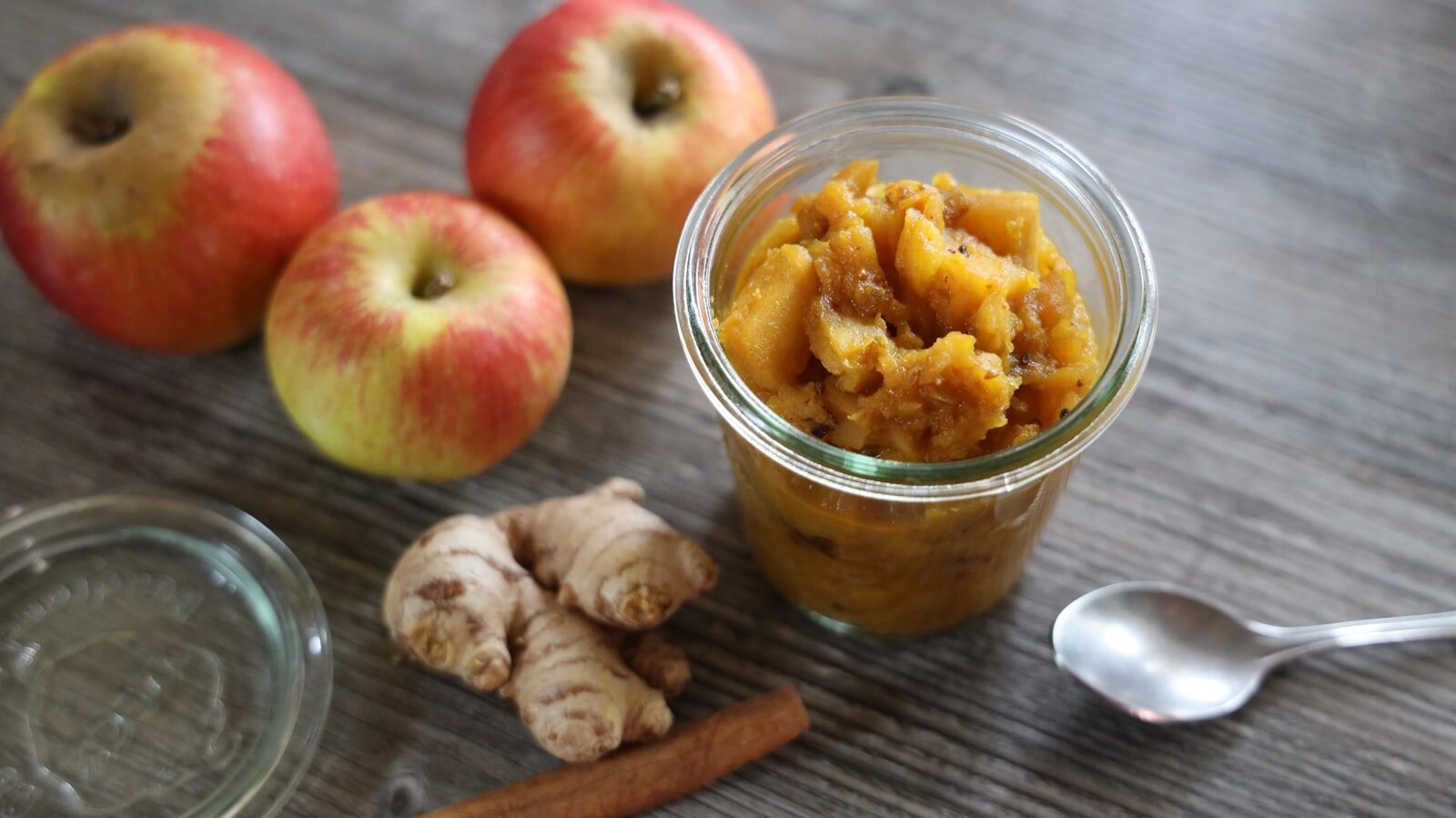
 ginger tea, the most common home remedy in Chinese wellness tradition”/>
What Ginger Tea Helps With
1. Cold hands and feet
If you’re the person who sleeps in socks and still has icy feet, ginger tea is one of the fastest fixes. Its warmth spreads from the digestive center outward to the extremities. A cup in the morning often keeps hands and feet warmer all day.
2. Early-stage colds (the “wind-cold” type)
Chinese medicine distinguishes between “wind-cold” colds (chills, clear runny nose, body aches, no sweat) and “wind-heat” colds (sore throat, yellow mucus, fever). Ginger tea is specifically for the cold type. Drink it hot, wrap up warm, and aim for a light sweat. The traditional logic: gentle sweating releases the cold before it settles in deeper.
3. Nausea and motion sickness
This is ginger’s best-documented effect in modern research, and Chinese families have used it for just as long. A cup of ginger tea settles a nervous stomach, eases morning sickness (in moderation — check with your doctor), and is one of the best natural options for motion sickness. Sip slowly before travel.
4. Digestive sluggishness and bloating
Ginger warms and gently stimulates the Spleen and Stomach — Chinese medicine’s digestion system. After a heavy, cold, or greasy meal, a cup of ginger tea often relieves bloating and heaviness within minutes. This is why it’s traditionally served with sushi and rich Chinese banquets.
5. Menstrual cramps (the cold-type)
For cramps that feel better with warmth and worse with cold — especially with dark clots and a general feeling of chill — ginger tea with brown sugar is a classic Chinese home remedy. The warmth improves circulation to the lower abdomen. (For cramps that feel hot, inflamed, or aggravated by warmth, ginger is the wrong choice.)
How to Make It (Three Ways)
Basic Ginger Tea
- Slice 3–4 thin rounds of fresh ginger (no need to peel).
- Add to 2 cups of water in a small pot.
- Bring to a boil, then simmer gently for 5–10 minutes.
- Strain into a cup. Add honey or brown sugar to taste.
- Sip while warm.
Ginger Brown Sugar Tea (姜糖茶)
The classic women’s remedy and winter warmer. Make the basic tea above, then stir in 1–2 teaspoons of brown sugar (or dark molasses-style sugar). The sugar isn’t just for taste — in Chinese medicine, brown sugar is considered warming and blood-nourishing, pairing perfectly with ginger.
Ginger, Jujube, and Longan Tea (姜枣桂圆茶)
A deeper winter tonic for cold, pale, fatigued types. Add 3–4 dried red dates (jujubes, pitted) and a small handful of dried longan to the pot with the ginger. Simmer 10–15 minutes. This combination warms, nourishes blood, and calms the mind — a beautiful evening drink for cold winter nights.
| Variation | Add | Best For |
|---|---|---|
| Basic | Honey to taste | Daily warming, digestion, cold hands |
| Brown sugar | 1–2 tsp brown sugar | Menstrual cramps, winter warmth |
| Jujube & longan | 3 dates + dried longan | Deep winter tonic, fatigue, blood nourishment |
When NOT to Drink Ginger Tea
Ginger isn’t for everyone or every situation. Avoid or limit it when:
- You’re running hot — sore throat with fever, yellow mucus, a red and dry mouth, night sweats. Ginger will add heat to an already hot state.
- You have acid reflux or a sensitive stomach in a heat pattern — ginger can worsen heartburn for some.
- You’re taking blood thinners — ginger has a mild blood-thinning effect. Check with your doctor.
- It’s a hot summer afternoon and you’re already warm. Save ginger tea for cool mornings, cold days, and the situations above.
In Chinese medicine, even a healthy food is only healthy at the right time. Ginger is a warming remedy — powerful when you’re cold, counterproductive when you’re hot.
Fresh vs. Dried Ginger: A Quick Note
This confuses many newcomers. Fresh ginger (生姜) is milder and better for dispersing early colds, settling digestion, and general daily warming. Dried ginger (干姜) is hotter and more internally warming — used in Chinese herbal formulas for deeper cold patterns like cold-type digestive pain or a pale, cold, water-retaining constitution. For home tea, use fresh unless a practitioner advises otherwise.
Common Questions
Can I drink ginger tea every day?
For most people in cool weather, a cup a day is fine and beneficial. In hot summer, or if you tend to run warm, scale back. As a general rhythm: ginger tea in the morning (warming, energizing) is better than ginger tea at night (can be too stimulating for some).
Does ginger tea help with weight loss?
Modestly and indirectly. By improving digestion and circulation, it can reduce bloating and support metabolism. But it’s not a weight-loss magic bullet — and drinking it while eating poorly won’t help. Think of it as a digestive aid, not a diet drink.
Is ginger tea safe during pregnancy?
Ginger is widely used for morning sickness, and small culinary amounts (like a cup of mild tea) are generally considered safe. But high doses are not recommended. Always check with your obstetrician before using any herb regularly during pregnancy.
The bottom line: Ginger tea is the simplest, most versatile remedy in Chinese home wellness — warming the body, settling the stomach, releasing early colds, and easing cold-type cramps. Keep fresh ginger on hand, learn the three basic variations, and reach for it on cold mornings, after heavy meals, and at the first sign of a chill. It’s not a cure-all, but it’s the closest thing most kitchens have to one.
This article shares traditional perspectives and personal experience for general interest. It is not professional advice — please use your own judgment and consult a qualified professional when needed.