There’s a particular kind of heaviness that arrives in early spring. It’s not just the lingering dampness of winter or the last of the grey skies. It’s a feeling of being… stuck. You might feel it as a tightness in your shoulders, a sigh that doesn’t quite complete, or a vague sense of irritability that has no clear cause. In Traditional Chinese Medicine (TCM), this is the season of the Liver, and this feeling of stagnation is its calling card. The Liver is the organ system responsible for the smooth flow of Qi (energy) and blood throughout the body. When it’s thriving, we feel flexible, creative, and emotionally resilient. When it’s congested, we feel exactly the opposite: tense, frustrated, and emotionally bogged down. A spring liver cleanse isn’t about harsh detoxes or deprivation; it’s a gentle, nourishing practice of moving what has become stuck over the winter months, using the very tools the season provides: specific foods and mindful movement. Let’s explore how to do it.
- Understanding Liver Qi Stagnation: The Root of Springtime Discontent
- The TCM Spring Liver Cleanse: Nourish, Don't Punish
- Your Spring Liver-Cleansing Pantry: 10 Foods to Eat This Week
- Qi Gong for the Liver: A 15-Minute Daily Practice
- The Emotional Cleanse: Releasing What's Stored
- Common Questions About the Spring Liver Cleanse
Understanding Liver Qi Stagnation: The Root of Springtime Discontent
To understand why a spring liver cleanse is so powerful, we first need to understand the Liver’s role in TCM. Think of the Liver as the body’s chief planner and traffic controller. Its primary job is to ensure the smooth, harmonious flow of Qi and blood to every organ, muscle, and tissue. This smooth flow is what allows us to adapt to stress, digest our food efficiently, and experience a full range of emotions without getting stuck in any one of them. The Huangdi Neijing (The Yellow Emperor’s Classic of Internal Medicine), the foundational text of TCM compiled over 2,000 years ago, states: “The Liver is the general of the army, responsible for planning and strategy.” A good general ensures all troops move in coordination; a stressed general creates chaos and gridlock.
Liver Qi Stagnation is what happens when this flow is impeded. The causes are familiar to modern life: chronic stress, unexpressed anger or frustration, a sedentary lifestyle, and a diet heavy in processed, greasy, or excessively rich foods. Winter, with its natural tendency toward stillness and heavier eating, can exacerbate this. When spring arrives—a season of outward, upward growth energy (Yang)—the Liver is called to action. If it’s already congested, this call creates internal pressure, much like trying to force a river through a blocked channel. The result is that classic springtime irritability, along with symptoms like:
- Physical: Tension headaches (especially at the temples), tight shoulders and neck, digestive issues like bloating or alternating constipation and diarrhea (the Liver overacting on the Spleen/Stomach), eye fatigue or dryness, and menstrual irregularities.
- Emotional: Frustration, irritability, impatience, feeling “wound up,” mood swings, and a sense of being easily overwhelmed.
A 2017 review in the Journal of Ethnopharmacology explored the modern scientific understanding of Liver Qi Stagnation, linking it to dysregulation of the autonomic nervous system and the hypothalamic-pituitary-adrenal (HPA) axis—our central stress response system. This gives us a bridge: moving Liver Qi isn’t just an energetic concept; it’s a practice that may help recalibrate our physiological stress response.
The TCM Spring Liver Cleanse: Nourish, Don’t Punish
Before we dive in, let’s clarify a critical point: a TCM-inspired spring liver cleanse is the opposite of a harsh, depleting detox. It’s not about juicing for days, taking potent laxatives, or starving yourself. The Liver, in TCM, is a Yin organ that stores blood. Harsh cleanses can further deplete the Yin and blood, leaving you more tired and imbalanced. Our goal is to gently support the Liver’s natural detoxification pathways while nourishing its Yin aspect. We do this by eating foods that have a natural affinity for the Liver and by moving our bodies in ways that mimic the gentle, persistent growth of spring.
The flavor associated with the Liver in TCM is sour. Sour foods are astringent; they help to gather and hold energy, preventing excessive dissipation. In the context of a cleanse, they gently stimulate the Liver and gallbladder, promote the secretion of digestive fluids, and help the body hold onto necessary nutrients. Think of the puckering sensation of a lemon—it’s a physical manifestation of this gathering, astringent quality. However, balance is key. Too much sour can contract and over-stimulate, so we pair it with the flavor of spring: green, leafy, and slightly bitter.
Your Spring Liver-Cleansing Pantry: 10 Foods to Eat This Week
Here are specific, actionable foods to incorporate. I’ve organized them into a table for easy reference, followed by detailed preparation notes. My grandmother, who grew up in Sichuan, always said spring was the time to “eat the color of the hills”—meaning the first tender green shoots. This wisdom is deeply practical.
| Food | TCM Property | How to Use (Specific & Actionable) |
|---|---|---|
| Dandelion Greens (Taraxacum mongolicum) | Bitter, Cool. Clears heat, detoxifies, benefits the Liver and Stomach. | Sauté 2 cups of washed greens with 1 clove of minced garlic in 1 tsp sesame oil for 3-4 minutes. Finish with a splash of rice vinegar. |
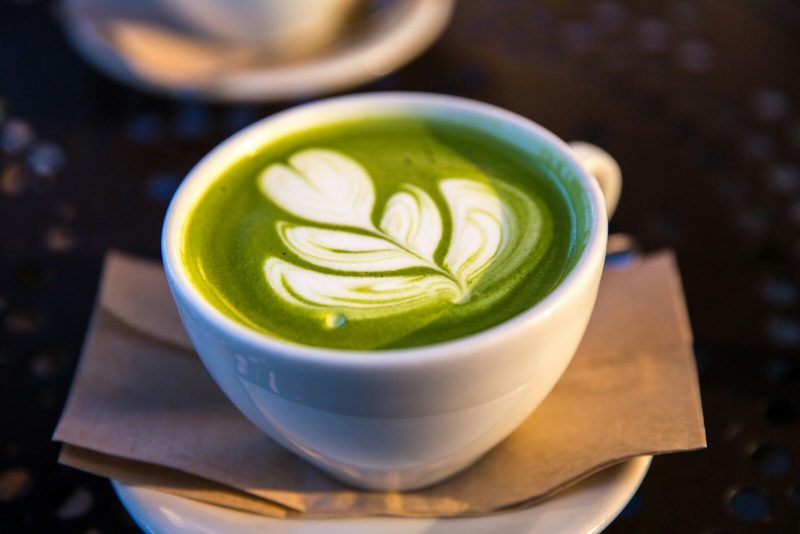
| Green Tea (Camellia sinensis) | Light, Bitter, Cool. Clears heat, uplifts the mind, gently moves Qi. | Steep 1 tsp of loose-leaf Longjing (Dragon Well) or Biluochun in 175°F water for 2 minutes. Drink 1-2 cups mid-morning. |
| Lemon | Sour, Warm. Astringes the Liver, promotes digestion, generates fluids. | Add the juice of ½ lemon to a cup of warm water upon waking. Use zest in dressings. |
| Mung Beans (Phaseolus radiatus) | Sweet, Cool. Clears heat, detoxifies, promotes urination. | Simmer ½ cup dried mung beans with 4 cups water for 40 minutes until soft. Drink the broth or mash into a simple soup. |
| Goji Berries (Lycium barbarum) | Sweet, Neutral. Nourishes Liver Yin and blood, benefits the eyes. | Soak 1 tbsp in warm water for 10 minutes. Add to oatmeal, salads, or eat as a snack. |
| Mint (Mentha haplocalyx) | Pungent, Cool. Vents the Liver, clears the head, soothes the eyes. | Steep a handful of fresh leaves in hot water for a 5-minute tea. Add to spring rolls or salads. |
| Beets | Sweet, Neutral. Nourishes blood, moves Qi, benefits the Liver. | Roast 2 medium beets at 400°F for 45 minutes. Peel, slice, and dress with olive oil, orange zest, and a pinch of salt. |
| Chrysanthemum Flowers (Chrysanthemum morifolium) | Sweet, Bitter, Cool. Clears Liver heat, benefits the eyes, calms the mind. | Steep 5-8 dried flowers in hot water for 5 minutes. Often combined with goji berries. |
| Leafy Greens (Spinach, Kale) | Sweet, Neutral/Cool. Nourishes blood, moistens dryness, unblocks bowels. | Blanch spinach for 30 seconds to reduce oxalates. Add a large handful to smoothies or stir-fries. |
| Apple Cider Vinegar | Sour, Warm. Aids digestion, helps break down fats. | Use 1 tbsp in a daily salad dressing with olive oil and a touch of honey. |
Key Preparation Principle: Favor light cooking methods—steaming, blanching, quick sautéing—to preserve the vibrant energy (and color) of the foods. Heavy frying or excessive spices can add more heat to an already agitated Liver.
Qi Gong for the Liver: A 15-Minute Daily Practice
Food nourishes from the inside; movement opens the channels from the outside. Qi Gong (energy cultivation) is the perfect companion to a spring cleanse because it works directly with the body’s Qi. The following sequence, derived from classical Five Element Qi Gong, focuses on the Liver and Gallbladder meridians, which run along the sides of the body, through the ribs, and down the legs. The goal is to create space and encourage flow.
Practice this sequence daily for 15 minutes, ideally in the morning facing east (the direction of spring).
- 1. The Liver “Shake” (3 minutes): Stand with feet shoulder-width apart, knees slightly bent. Let your arms hang loosely. Begin to gently bounce on the balls of your feet, letting your whole body shake. Imagine you are shaking off the heaviness of winter. Let your jaw hang loose. This vibrates the Liver and Gallbladder meridians, helping to loosen stuck Qi. Do this for 3 minutes, breathing naturally.
- 2. Side Stretch “Tree in the Wind” (4 minutes): From standing, interlace your fingers and press your palms up toward the sky, stretching your sides. Lean gently to the right, feeling a deep stretch along your left side (the Gallbladder meridian). Hold for 5 deep breaths. Return to center, then lean left. Repeat 4 times each side. This is like gently wringing out a towel—creating space between the ribs.
- 3. “Holding the Moon” Twist (4 minutes): Sit comfortably on the floor or a chair. Place your right hand on your left knee. Inhale to lengthen your spine. As you exhale, gently twist to the left, looking over your left shoulder. Hold for 5 breaths, imagining you are wringing tension out of your midsection. Repeat on the other side. Do 4 rounds per side.
- 4. “Liver Soothing” Meditation (4 minutes): Lie on your back. Place both hands gently over your right ribcage (where the Liver resides). Breathe deeply into your belly, feeling your hands rise and fall. With each exhale, silently repeat the mantra: “I release what no longer serves me. I allow flow.” Visualize a cool, green light (the color of the Liver element, Wood) permeating the area, dissolving any tension or congestion.

The Emotional Cleanse: Releasing What’s Stored
In TCM, the Liver stores the ethereal soul (the Hun) and is the seat of our plans, visions, and, crucially, our anger. Not explosive rage (which is more associated with the Heart/Fire), but the quiet, smoldering frustration of unmet expectations, stifled creativity, and unexpressed truths. A spring liver cleanse must therefore include an emotional component. You can eat all the dandelion greens you want, but if you’re holding onto a grudge from 2019, the Qi will remain stuck.
“The Liver hates constraint. When its Qi is free, the spirit is at ease. When it is bound, disease arises.”
— Principle from the Huangdi Neijing
Here’s a simple, actionable practice: The Evening Unburdening. Each night this week, before bed, take 5 minutes to journal or mentally review your day. Ask yourself: Where did I feel frustrated or constrained? What did I need to say but didn’t? What creative impulse did I ignore? You don’t need to solve it. The act of acknowledging it is the release. Write it down, then symbolically tear up the paper or imagine the words dissolving into light. This is the emotional equivalent of the Qi Gong shake—it clears the static.
Common Questions About the Spring Liver Cleanse
I feel more tired and emotional when I start. Is that normal?
Yes, this can be a normal part of the process, often called a “healing crisis” or “detox reaction.” As you begin to move stagnant Qi, old emotions and physical toxins can temporarily surface. It’s like stirring up sediment in a pond. If symptoms are severe, ease off the intensity—reduce the amount of sour foods, shorten the Qi Gong practice, and focus on rest and hydration. If fatigue or emotional distress persists for more than a few days, consult a licensed acupuncturist or TCM practitioner for personalized guidance.
Can I do this cleanse if I have a diagnosed liver condition?
This general wellness approach is not a medical treatment. If you have a diagnosed liver condition (e.g., hepatitis, fatty liver disease, cirrhosis) or are on medication, it is essential to consult with your doctor and a qualified TCM practitioner before making any dietary or lifestyle changes. Some herbs and foods can interact with medications or be contraindicated for certain conditions. For example, dandelion is a diuretic and may interact with lithium or diuretic medications.
How long should I follow this protocol?
For a gentle seasonal tune-up, following this food and Qi Gong protocol for 2-3 weeks during the early spring (roughly late February through April in the Northern Hemisphere) is ideal. It aligns with the natural energy of the season. You don’t need to do it forever. After that, you can maintain balance by continuing to eat seasonally and practicing the Qi Gong a few times a week. Listen to your body—it will tell you when it feels “unstuck.”
Recommended Tools for Your Practice
- A Traditional Chinese Tea Cup with Lid: Perfect for brewing chrysanthemum or green tea without losing the volatile aromatic oils. The lid helps steeping and keeps the tea warm.
- A Simple Qi Gong DVD or Online Course: For visual guidance on the movements described, look for a reputable instructor teaching Five Element or Spring Forest Qi Gong.
- A Journal for the Evening Unburdening: A dedicated notebook for this practice can make the ritual more potent.
The bottom line: A spring liver cleanse is a gentle, nourishing practice of aligning with the season’s energy. By incorporating specific sour and green foods, practicing Qi Gong to open the body’s sides, and engaging in simple emotional release, you can effectively move the stagnation of winter, leaving you feeling lighter, more flexible, and emotionally resilient as you step into the growth energy of spring.
About the Author
Yu Xi Zhang grew up in a Chinese household where traditional wellness practices were part of daily life. With over 15 years of study under licensed TCM practitioners in Beijing and Chengdu, and a certification in TCM nutrition from the Beijing University of Chinese Medicine, she bridges Eastern wisdom with Western wellness in practical, actionable ways. Her writing draws from classical texts like the Huangdi Neijing and modern research to help readers live healthier, more balanced lives.
This article is for educational purposes and reflects traditional wellness perspectives. It is not a substitute for professional medical advice, diagnosis, or treatment.