There’s a particular quality to the air in early spring, isn’t there? It’s not just the warmth, but a sense of things stirring, of energy rising from the earth after a long, quiet winter. I remember my grandmother in our family garden in Chengdu, pointing to the tender green shoots of chrysanthemum greens pushing through the soil. “See,” she’d say, “the Liver is waking up. It’s time to help it stretch.” This wasn’t poetic metaphor; it was practical household wisdom rooted in Traditional Chinese Medicine (TCM). In TCM, spring is the season of the Wood element, and its corresponding organ is the Liver. Understanding this connection isn’t just about ancient philosophy—it’s a powerful key to navigating the seasonal shift with more energy, clarity, and emotional ease. If you’ve ever felt a burst of creative energy in April followed by inexplicable irritability, or if spring allergies leave you feeling stuck, you’re feeling your Liver’s energy at work. Let’s explore what this really means and how you can work with this powerful seasonal rhythm.
The Liver in TCM: More Than an Organ, A System of Flow
When we talk about the “Liver” in TCM, we’re not just talking about the physical organ that filters blood. We’re talking about a functional system responsible for the smooth flow of Qi (vital energy) and blood throughout the entire body. Think of the Liver as the chief planner and general of your body’s army. Its primary job is to ensure everything moves freely and according to plan. This “planning” governs the flow of emotions, the circulation of blood, the flexibility of tendons and ligaments, and even the clarity of our vision and decision-making.
The foundational text of TCM, the Huangdi Neijing (The Yellow Emperor’s Classic of Internal Medicine), states: “The Liver is the general of the armies, and the planning of the strategies comes from it.” This means your ability to strategize, plan your day, and adapt to change is directly tied to Liver health. When its energy is flowing smoothly—what we call Liver Qi—you feel motivated, flexible, and decisive. When it becomes stagnant, you feel the opposite: frustrated, stuck, irritable, and physically tense.
Spring is the season of growth, expansion, and upward movement. It mirrors the Liver’s natural tendency to spread and circulate Qi. This is why, in spring, the Liver is most active and most vulnerable. It’s like a tree putting out new branches—if the sap (your Qi) can’t flow smoothly to support that growth, the branches become brittle and prone to snapping. Your body might express this as headaches, eye strain, tendon stiffness, or that classic springtime irritability.
Signs Your Spring Liver Energy Needs Support
How do you know if your Liver energy is out of balance? The signs are often more common than you think, especially during seasonal transitions. Pay attention to these signals from your body and mind:
- Physical Discomfort: Frequent headaches, especially at the temples or behind the eyes; stiff neck and shoulders; eye strain or dry, irritated eyes; digestive issues like bloating or alternating constipation and diarrhea (the Liver overacting on the Spleen/Stomach).
- Emotional & Mental Shifts: Increased irritability or short temper; feeling “wound up” or easily frustrated; difficulty making decisions or feeling creatively blocked; sighing frequently without realizing it (a classic sign of Qi stagnation).
- Lifestyle Patterns: Waking up consistently between 1-3 AM (the Liver’s time on the Chinese clock); feeling restless at night; craving sour foods excessively.
During my studies in Beijing, my mentor, Dr. Li, would often point out that many professionals coming in with “burnout” in spring weren’t just overworked—their Liver Qi was severely stagnant from the winter’s inactivity. The shift to spring amplified their frustration and fatigue. The key was not just to “relax,” but to actively support the Liver’s function of smooth flow.
Nourishing the Liver: Foods for Smooth Flow
Diet is one of the most direct ways to influence your Liver energy. The flavor associated with the Liver and Wood element is sour. Sour foods have an astringent quality that helps to gather and contain, which can prevent the Liver Qi from becoming too diffused or rebellious. However, balance is crucial—too much sour can overly contract and contribute to stagnation. The goal is moderation and pairing sour with other supportive flavors.
The Shennong Bencao Jing (The Divine Farmer’s Classic of Materia Medica), one of the oldest Chinese herbal texts, classifies foods and herbs by their nature and flavor. For the Liver, it recommends gentle, nourishing support. Here are specific, actionable foods to incorporate this spring:
| Food Category | Specific Foods | How to Use for Liver Support |
|---|---|---|
| Green Leafy Vegetables | Dandelion greens, spinach, kale, chrysanthemum greens (tong hao), watercress | Eat lightly steamed or sautéed with a little garlic and sesame oil. The color green resonates directly with the Liver. Dandelion greens are particularly noted in TCM for clearing heat from the Liver. |
| Sour Flavors | Lemon, lime, green apple, plum, vinegar (especially Chinese black vinegar), sauerkraut | Start your day with warm water and a slice of lemon. Use a tablespoon of black vinegar as a dipping sauce for dumplings or drizzled over steamed fish. Have a small serving of fermented vegetables with meals. |
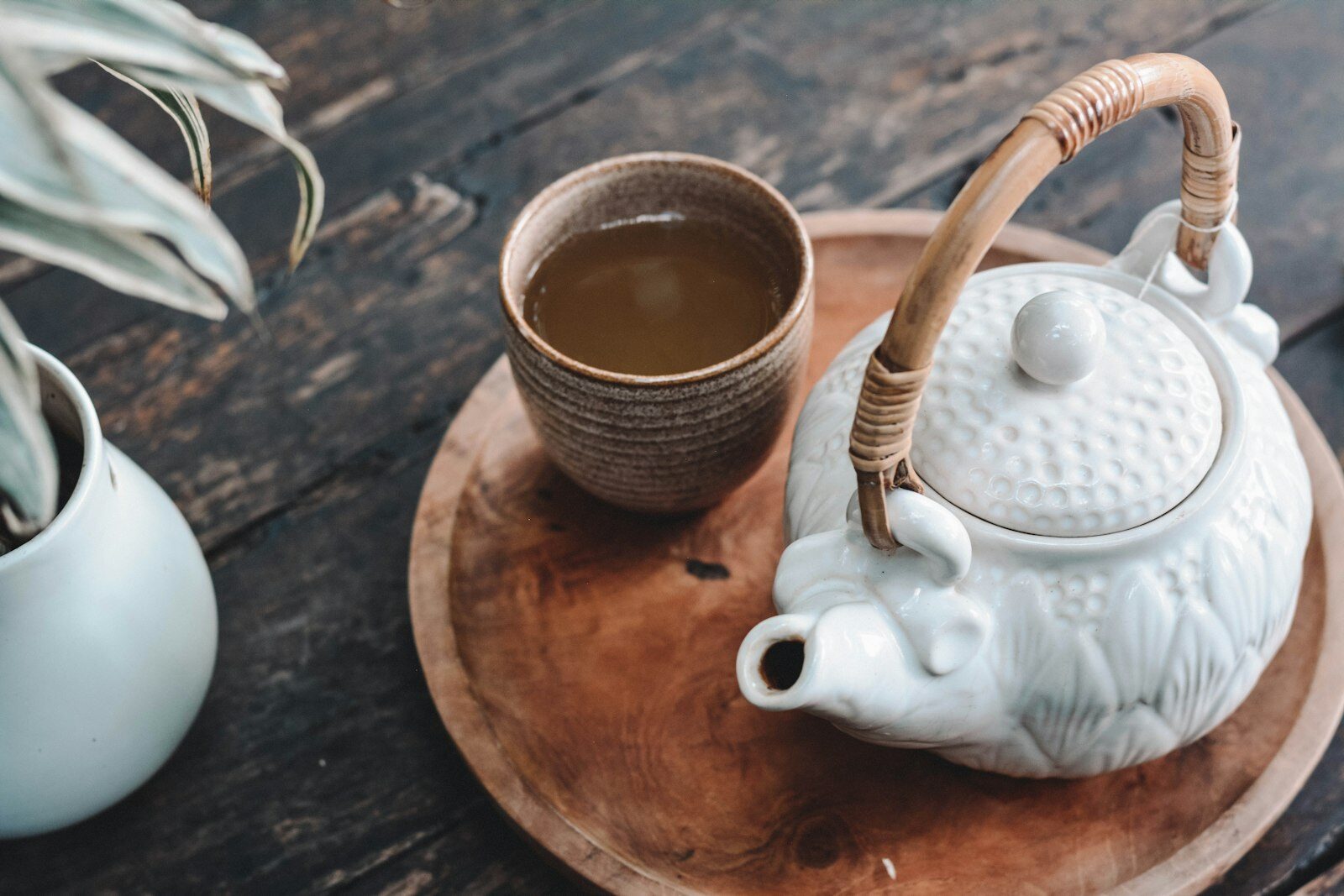
| Herbs & Spices | Mint (Bo He), chrysanthemum flower (Ju Hua), turmeric, rosemary, fennel, basil | Make a tea with fresh mint and chrysanthemum flowers (steep 5-6 flowers and a few mint leaves in hot water for 3 minutes). Use turmeric and black pepper in cooking to support circulation. |
| Nourishing Staples | Goji berries (Gou Qi Zi), mung beans, celery, beetroot, shiitake mushrooms | Add a tablespoon of goji berries to your morning oatmeal or smoothie. Cook mung bean soup (a classic spring detoxifier in TCM) by simmering 1 cup of mung beans in 6 cups of water for 40 minutes. |
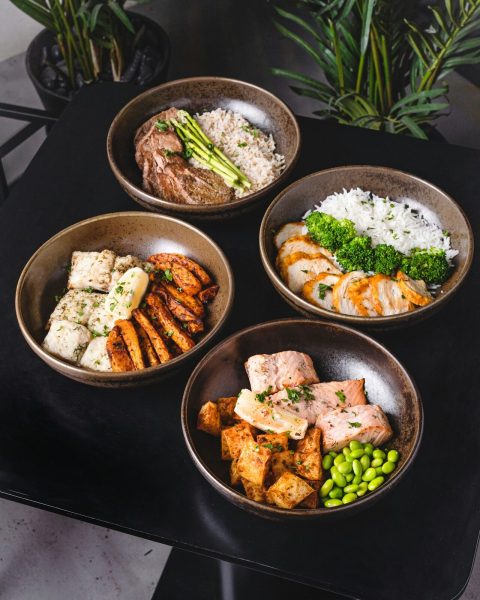
A simple spring meal: Sauté spinach and shiitake mushrooms with garlic and ginger. Serve with a side of steamed fish drizzled with black vinegar and ginger slivers. Finish with a few slices of green apple. This meal is light, moving, and directly supportive of Liver function.

Movement for the Wood Element: Stretching Your Qi
The Liver governs the tendons and ligaments. Stiff, inflexible tendons are a direct sign of stagnant Liver Qi. Therefore, gentle, stretching movement is not just exercise in spring—it’s medicine. The goal is to encourage the upward and outward expansion of Qi, mirroring the growth of plants. Avoid overly intense, aggressive workouts that can further scatter Qi; instead, focus on mindful, flowing movement.
“When the Liver is in harmony, the tendons are nourished and flexible. When it is disturbed, the tendons become tight and constricted.”
— Adapted from the principles of the Huangdi Neijing
Actionable Spring Movement Checklist:
- Morning Stretch (5 minutes): Upon waking, before getting out of bed, gently stretch your arms overhead, interlace your fingers, and push your palms toward the ceiling. Feel the stretch along your sides (the Liver/Gallbladder meridian pathway). Then, gently twist your torso side to side.
- Qigong “Shaking the Tree”: Stand with feet shoulder-width apart, knees slightly bent. Let your arms hang loose. Begin gently bouncing on your heels, shaking your whole body like a tree in the wind. Do this for 1-2 minutes. This is a classic practice to release stagnant Qi.
- Walk in Nature (30 minutes, 3x/week): Walk among trees if possible. The Liver thrives in open, natural environments. Consciously look at the greenery around you.
- Gentle Yoga or Tai Chi: Focus on sequences that involve side stretches, twists, and poses that open the hips and sides of the body (like Triangle Pose, Revolved Triangle, and Cat-Cow).
Emotional Cultivation: Managing the Anger-Clarity Axis
The emotion associated with the Liver is anger. This doesn’t mean a healthy Liver makes you angry. Rather, when the Liver is imbalanced, anger is the emotion that most easily surfaces. Conversely, chronic, unexpressed anger or resentment can directly damage Liver Qi. The healthy expression of the Liver’s energy is not anger, but clarity, assertiveness, and benevolent planning.
A 2018 study published in the Journal of Traditional Chinese Medical Sciences explored the correlation between Liver Qi stagnation and emotional states, finding that participants with clinical signs of Liver imbalance reported significantly higher levels of frustration and emotional volatility. The spring season, with its rising energy, can amplify these tendencies.
Practical Emotional Hygiene for Spring:
- The 5-Minute Vent: If you feel irritation building, set a timer for 5 minutes. Write down everything you’re angry or frustrated about without censorship. Then, tear up the paper. This provides a contained outlet.
- Plan a Project: Channel the Liver’s strategic energy into something constructive. Plan a garden, a weekend trip, or a creative project. The act of planning satisfies the Liver’s need for forward movement.
- Practice Assertive Communication: Use “I” statements to express needs clearly and calmly, rather than letting resentment build. “I feel overwhelmed when the schedule changes last minute. I need more advance notice.”
A Simple Daily Ritual for Spring Liver Support
Integrating support doesn’t require a complete life overhaul. Here is a simple, 10-minute daily ritual you can start tomorrow morning:
- Upon Waking (2 min): Drink a cup of warm water with a thin slice of lemon and a teaspoon of raw honey (if desired). This gently stimulates Liver Qi and digestion.
- Gentle Stretch (3 min): Perform the “Morning Stretch” described above, focusing on deep, slow breaths.
- Intention Setting (2 min): Sit quietly. Ask yourself: “What is one thing I need to plan or organize today to feel more in flow?” Jot it down.
- Breakfast (3 min): Eat a simple, Liver-friendly breakfast like oatmeal with goji berries and a sprinkle of cinnamon, or sautéed greens with a poached egg.
This ritual honors the Liver’s need for gentle stimulation, movement, and clear planning. It’s a small investment that can prevent the buildup of stagnation throughout your day.
Common Questions
Is it possible to have too much Liver energy in spring?
Absolutely. This is known as Liver Fire or Liver Yang Rising. While stagnation is more common, the rising energy of spring can sometimes “flare up” in someone who already has a lot of internal heat. Signs include intense anger, red face and eyes, severe headaches, tinnitus, and a bitter taste in the mouth. If this sounds like you, the approach shifts from moving Qi to gently clearing heat—think cooling foods like cucumber, celery, mung bean soup, and chrysanthemum tea, and avoiding spicy, greasy foods and alcohol. Gentle, cooling practices like walking by water are beneficial.
I have spring allergies. Is that related to my Liver?
In TCM, yes, there is a strong connection. Allergies are often seen as a combination of Wind (an external pathogen) invading the body and an underlying deficiency of the Lung and Wei Qi (defensive energy). The Liver plays a role because its Qi stagnation can create internal Wind, which combines with external Wind to trigger symptoms like itchy eyes, sneezing, and congestion. Supporting Liver flow can help reduce this internal Wind. Additionally, the Liver’s overacting on the Lung (the Wood overacting on Metal cycle) can weaken the Lung’s ability to defend against allergens. The dietary and movement tips above are very relevant for allergy sufferers.
What’s the single most important thing to avoid for Liver health in spring?
Excessive alcohol and greasy, fried foods. These create what TCM calls Damp-Heat, which directly clogs the Liver’s smooth flow. While a glass of wine might seem relaxing, it’s like pouring sludge into your Liver’s intricate network of pathways. In spring, when the Liver is already working hard to manage rising energy, adding this burden is particularly taxing. Swap the evening wine for a cup of warm chrysanthemum tea (Ju Hua Cha) instead.
The bottom line: Spring invites us to mirror nature’s upward growth. By understanding the Liver’s central role as the planner and flow-master of our energy, we can move through this season not with frustration and stiffness, but with clarity, flexibility, and purposeful action. Support your Liver with green and sour foods, gentle stretching, mindful planning, and emotional awareness. In doing so, you align yourself with the deepest rhythm of the season, allowing your own energy to unfurl smoothly, like a new leaf in the morning sun.
About the Author
Yu Xi Zhang grew up in a Chinese household where traditional wellness practices were part of daily life. With over 15 years of study under licensed TCM practitioners in Beijing and Chengdu, and a certification in TCM nutrition from the Beijing University of Chinese Medicine, she bridges Eastern wisdom with Western wellness in practical, actionable ways. Her writing draws from classical texts like the Huangdi Neijing and modern research to help readers live healthier, more balanced lives.
This article is for educational purposes and reflects traditional wellness perspectives. It is not a substitute for professional medical advice, diagnosis, or treatment.