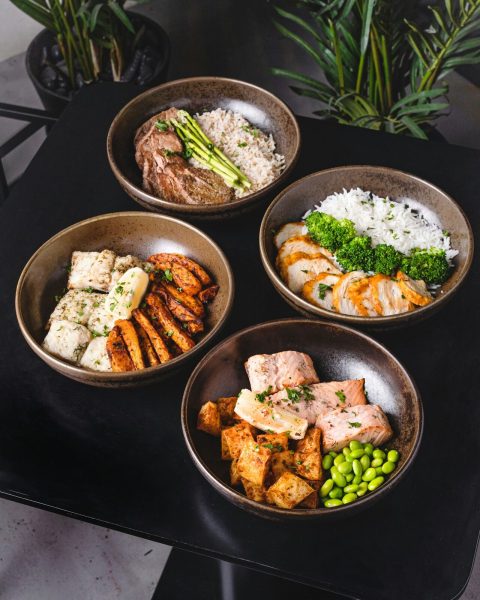
There’s a particular kind of energy in late February and early March that I’ve always felt but only recently learned to name. It’s a subtle restlessness, a desire to throw open the windows, to stretch, to clean out closets. In Traditional Chinese Medicine (TCM), this isn’t just a mood—it’s your body resonating with the season. Spring, according to the Huangdi Neijing (the foundational text of TCM written over 2,000 years ago), is the season of the Wood element, and its primary organ system is the Liver. Your Liver, in TCM, is like a tree in March: it wants to grow, expand, and move freely. When it’s balanced, you feel decisive, creative, and flowing. When it’s stuck, you feel irritable, tight, and frustrated—like a tree trying to grow through concrete. This article is your guide to understanding this powerful seasonal connection and giving your Liver the support it needs to unfurl gracefully.
The Wood Element: Your Inner Tree in Spring
In the Five Element theory of TCM, each season corresponds to an element, an organ pair, an emotion, and a set of qualities. Spring belongs to Wood. Think of a tree: it is rooted (stable) yet flexible (adaptable). It grows upward and outward with vigorous, purposeful energy. Its health depends on the smooth flow of sap—when that flow is blocked, the tree becomes stressed and vulnerable. This is the perfect metaphor for the Liver and its paired organ, the Gallbladder.
The Liver’s main job in TCM is to ensure the smooth flow of Qi (vital energy) and blood throughout the entire body. It’s the “General” or “Chief of Staff,” responsible for strategic planning and smooth execution. When Liver Qi flows freely, you feel emotionally flexible, able to plan and make decisions with clarity, and physically comfortable—no tension headaches, no tight shoulders, no digestive upset from stress. The Huangdi Neijing states: “The Liver is the root of the general’s defense, the seat of strategic planning.” (Su Wen, Chapter 8). In spring, this organ’s energy naturally rises and expands, just like sap rising in trees. Our job is to support this natural movement, not obstruct it.
“In the three months of spring, heaven and earth are born, all things are flourishing. Go to bed early, rise early… This is the way to nourish the sheng (generative) qi of spring.”
— Huangdi Neijing, Su Wen, Chapter 2
Signs Your Liver Qi Might Be Stagnant
So how do you know if your inner tree is struggling to grow? Liver Qi Stagnation is one of the most common patterns I see, especially in modern life. It’s often the result of unexpressed emotions (especially anger and frustration), a sedentary lifestyle, poor diet, or chronic stress. The signs are surprisingly varied because the Liver’s smooth flow affects everything.
- Physical Signs: Tension in the neck, shoulders, and jaw (clenching?). Frequent sighing or a feeling of a lump in the throat (plum-pit qi). Digestive issues that flare with stress—IBS symptoms, bloating, or alternating constipation and diarrhea. Headaches, especially at the temples or behind the eyes. Painful periods or PMS with irritability and breast tenderness.
- Emotional & Mental Signs: Feeling easily frustrated, irritable, or short-tempered. A sense of being “stuck” or unable to move forward with plans. Difficulty making decisions. Waking up between 1-3 AM (the Liver’s peak time in the TCM organ clock).
My grandmother had a saying when she saw one of us kids getting grumpy over a homework problem: “Your liver is getting hot.” She’d make us a cup of chrysanthemum tea and tell us to go outside and kick a ball. It seemed like a simple remedy for a bad mood, but she was intuitively applying a core TCM principle: cool the rising heat (frustration) and move the stagnant energy (physical activity). It worked every time.
Nourishing the Wood Element: Foods for a Smooth-Flowing Spring
Diet is one of the most direct ways to influence your Liver Qi. In spring, we shift from the heavy, warming, nourishing foods of winter to lighter, fresher, more upward-moving fare. The goal is to support the Liver’s natural rising energy without letting it become excessive (which leads to “Liver Fire” or “Liver Heat”).
Foods to Emphasize:
1. Leafy Greens: The color green is associated with the Wood element. Think of dandelion greens, spinach, kale, Swiss chard, and broccoli. They have a natural bitter quality that helps clear heat and move Qi. A simple stir-fry with a little garlic and sesame oil is perfect.
2. Sprouts: Nothing says “spring growth” like sprouts. Mung bean sprouts, broccoli sprouts, and alfalfa sprouts are excellent for moving Liver Qi. Add them to salads, sandwiches, or stir-fries at the last minute to preserve their vitality.
3. Sour Foods (in moderation): The sour flavor is traditionally associated with the Liver and can help to “gather” or astringe Qi, preventing it from scattering. Good sources include lemon juice in warm water upon waking, a splash of apple cider vinegar in dressings, and fermented foods like sauerkraut. Don’t overdo it, as too much sourness can overstimulate.
4. Herbs & Spices: Mint (Mentha haplocalyx) is a star herb for moving Liver Qi. It’s cooling, aromatic, and gently disperses stagnation. Use fresh mint in teas, salads, or as a garnish. Turmeric (Curcuma longa) is another powerhouse, known for moving Qi and blood. Add ½ teaspoon to soups, scrambles, or golden milk. Fresh ginger, rosemary, and basil also have gently moving qualities.
5. Specific Teas: Beyond mint, consider Chrysanthemum tea (Ju Hua) to cool rising Liver heat (great for red, irritated eyes or headaches). Rose bud tea (Mei Gui Hua) is beautiful and excellent for moving Qi, especially for menstrual discomfort. Steep 5-6 buds in hot water for 5 minutes.
Foods to Reduce or Avoid: Heavy, greasy, fried foods create dampness and phlegm that further obstruct Qi flow. Excessive red meat and dairy can have a similar congesting effect. Overly spicy, hot foods (like chili peppers in excess) can add fuel to the Liver’s rising fire. Most importantly, minimize alcohol and processed foods, which are significant burdens on the Liver’s detoxification functions.
| Spring Liver Support Food Guide | Examples & How to Use | TCM Rationale |
|---|---|---|
| Leafy Greens | Dandelion greens (sautéed), spinach (in smoothies or lightly steamed), kale (massaged for salads). | Green color nourishes Wood element. Bitter flavor clears heat, moves Qi. |
| Sprouts | Mung bean sprouts (stir-fry), broccoli sprouts (topping for bowls). | Embodies rising, generative spring energy. Light and easy to digest. |
| Sour Foods | Lemon juice (1 tbsp in AM water), apple cider vinegar (1 tsp in dressing), sauerkraut (2 tbsp as condiment). | Sour flavor astringes and gathers Liver Qi, preventing scatter. |
| Moving Herbs | Fresh mint (tea or salad), turmeric (½ tsp in cooking), rosemary (with roasted vegetables). | Aromatic, light qualities disperse stagnation. Turmeric moves Qi and blood. |
| Therapeutic Teas | Chrysanthemum (Ju Hua) for heat, Rosebud (Mei Gui Hua) for Qi stagnation. | Flower teas have a rising, dispersing nature perfect for spring. |
Movement for the Wood Element: Unfurling Your Body
The Liver governs the tendons and sinews in TCM. Stiff, inflexible tendons are a direct sign of stagnant Liver Qi. Therefore, movement in spring should focus on flexibility and smooth flow, not brute strength. The worst thing you can do for your Liver Qi is to sit at a desk for 8 hours straight without moving.
Actionable Daily Movement Plan:
- Morning (5-7 AM, the “Large Intestine” time): Do 5 minutes of gentle stretching, focusing on the sides of the body (lateral stretches) and twisting the torso. This directly stimulates the Liver and Gallbladder meridians that run along the sides of the body.
- Midday (11 AM – 1 PM): Take a 10-minute walk outside, preferably among trees or greenery. The Wood element is nourished by its own color and energy in nature.
- Evening (5-7 PM, the “Kidney” time): Practice a gentle, flowing movement form. Tai Chi or Qigong are ideal. A simple Qigong exercise like “Shaking the Tree” (standing with feet shoulder-width apart and gently shaking the whole body for 2 minutes) is excellent for releasing tension and moving Qi.
During my studies in Chengdu, my teacher, Dr. Li, would often have us practice a specific Qigong form called “Liver and Gallbladder Stretching” every morning in spring. It involved deep, sighing exhales while stretching the arms wide to the sides, imagining we were pulling apart tangled branches. It felt profoundly liberating, like physically untangling knots of stress.

Emotional & Lifestyle Practices for a Smooth Spring
The emotion of the Liver is anger (and its cousins: frustration, resentment, irritability). This doesn’t mean you should never feel anger—it’s a healthy, necessary emotion. The problem arises when it’s suppressed or excessive, leading to stagnation or outbursts. The goal is to allow for its healthy expression.
Actionable Emotional Hygiene:
- Journaling: Spend 5 minutes each morning writing down any frustrations or plans. The Liver is the “planner”; getting plans out of your head and onto paper can relieve immense mental pressure.
- Creative Expression: Wood energy is creative energy. Engage in a creative act weekly—painting, writing, gardening, playing music. This gives the Liver’s expansive energy a positive outlet.
- Setting Boundaries: The Gallbladder (the Liver’s paired organ) is responsible for decision-making and courage. Practice saying “no” to one small thing this week that doesn’t align with your priorities. This strengthens Gallbladder Qi.
- Sound Therapy: In TCM, the sound associated with the Liver is “Shhh.” When feeling agitated, take a deep breath and exhale slowly while making a soft “Shhh” sound. This is a traditional Qigong healing sound for the Liver.
A Simple Spring Liver Cleanse: 3-Day Gentle Reset
This isn’t a drastic detox. It’s a gentle, food-based reset to help clear winter’s heaviness and support your Liver’s natural spring cleansing function. Always consult with your healthcare provider before making significant dietary changes, especially if you have underlying health conditions.
Core Principles: Eliminate processed foods, sugar, alcohol, caffeine, and heavy meats. Focus on simple, whole foods, and drink plenty of fluids.
Sample 1-Day Menu:
- Upon Waking: Warm water with the juice of ½ a lemon.
- Breakfast: A small bowl of congee (rice porridge) with a few slices of ginger and a sprinkle of chopped green onion.
- Lunch: A large salad with mixed greens (spinach, arugula), sprouts, shredded beets, and carrots. Dress with olive oil, lemon juice, and a pinch of turmeric. Add a side of steamed quinoa or brown rice.
- Afternoon Tea: Chrysanthemum or mint tea.
- Dinner: A simple vegetable soup or broth (like a light miso soup with wakame and tofu) or steamed fish with ginger and scallions over a bed of sautéed greens.
- Before Bed: A cup of warm chamomile or rosebud tea.
Repeat for 1-3 days. Pay attention to how your body feels—lighter, less bloated, and clearer in the mind are common reports. This gentle approach honors the Liver’s need for lightness without depleting your energy.
Common Questions
I feel tired in spring, not energized. Does this mean my Liver is weak?
Not necessarily. In TCM, fatigue in spring can have two main causes. First, it could be Liver Qi Stagnation where the energy is stuck and not flowing, making you feel sluggish. Second, it could be a Spleen Qi Deficiency (the Spleen is the Earth element, which can be overwhelmed by the rising Wood energy in spring). If your fatigue is accompanied by bloating, loose stools, and worry, it’s more likely a Spleen issue. Gentle movement and eating warm, cooked foods (like the congee mentioned above) can help support the Spleen.
Can I take supplements like milk thistle for my Liver?
Milk thistle (Silybum marianum) is a Western herb with a strong tradition of use for liver support, and some modern research suggests its active compound, silymarin, may have protective effects on liver cells (Abenavoli et al., 2010, Phytotherapy Research). From a TCM perspective, it would be considered an herb that “clears heat” and “resolves toxins.” However, TCM always emphasizes treating the individual pattern. If your issue is Liver Qi Stagnation (stuckness), milk thistle alone might not address the root cause. It’s best used as part of a broader approach that includes dietary and lifestyle changes. Consulting with a qualified herbalist is always recommended.
Is spring the only time to focus on the Liver?
No, but it’s the time when the Liver’s energy is most accessible and in need of support. Think of it as seasonal maintenance. You care for your garden in spring to set it up for the year. Similarly, supporting your Liver in spring helps ensure smooth Qi flow throughout the year. That said, if you have a chronic Liver pattern (like long-term stress or anger issues), these principles are beneficial year-round. The Huangdi Neijing teaches us to live in harmony with the seasons; spring is simply the Liver’s “home season.”
The bottom line: Your Liver, in TCM, is your inner tree—its health is defined by smooth, flexible, upward-reaching energy. Spring is its season of power and potential. By eating light, green, and slightly sour foods, moving your body to enhance flexibility, managing frustration through creative expression, and aligning your daily rhythms with the rising sun, you can help this vital system unfurl without obstruction. This isn’t about a drastic detox, but a gentle, seasonal attunement that sets the tone for vibrant health all year long.
About the Author
Yu Xi Zhang grew up in a Chinese household where traditional wellness practices were part of daily life. With over 15 years of study under licensed TCM practitioners in Beijing and Chengdu, and a certification in TCM nutrition from the Beijing University of Chinese Medicine, she bridges Eastern wisdom with Western wellness in practical, actionable ways. Her writing draws from classical texts like the Huangdi Neijing and modern research to help readers live healthier, more balanced lives.
This article is for educational purposes and reflects traditional wellness perspectives. It is not a substitute for professional medical advice, diagnosis, or treatment.